Chef Thomas
Anchovy Sauce
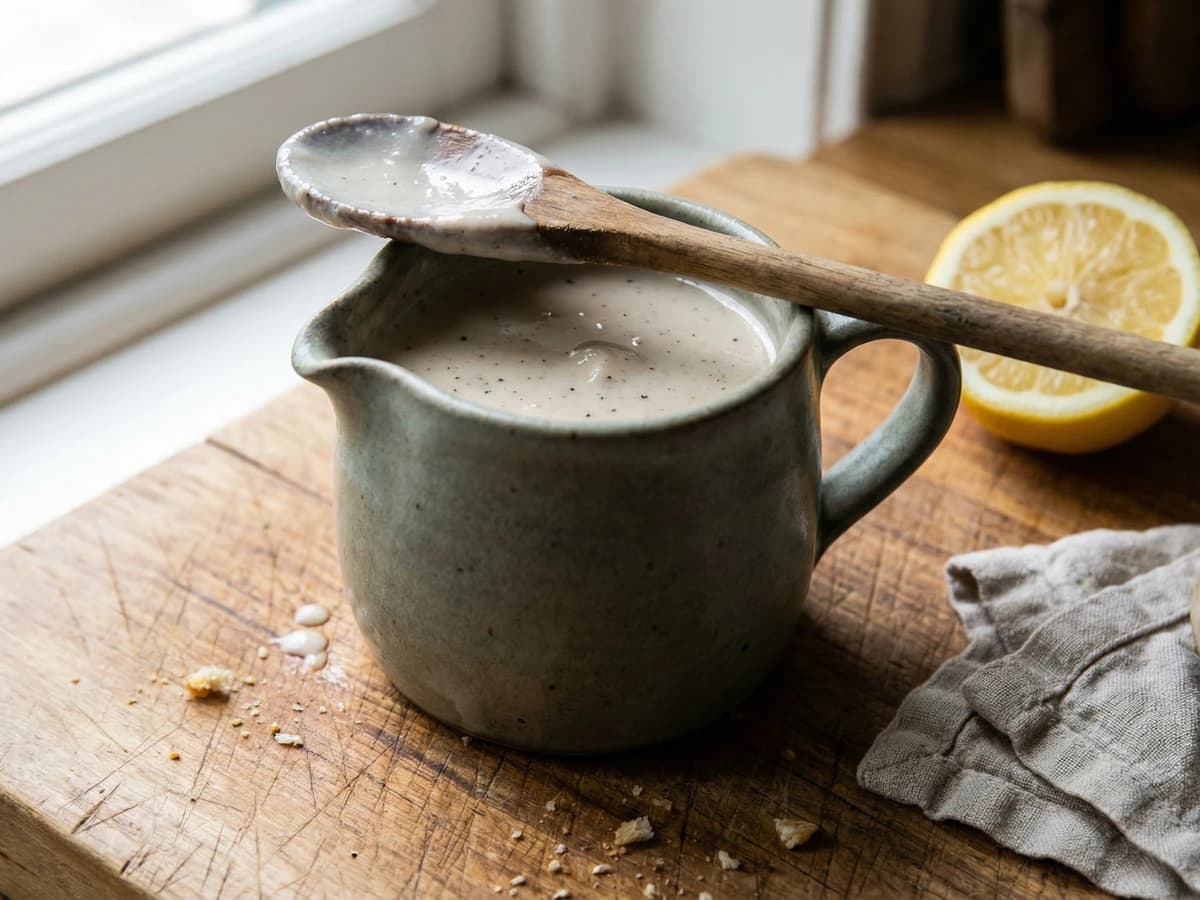
A proper white sauce sharpened with pounded anchovy, the old Georgian trick for waking up a piece of poached fish or a slice of roast lamb on a Sunday in spring.
A cooking platform built around craft, culture, and the stories behind what we eat.
Created by Chef Thomas
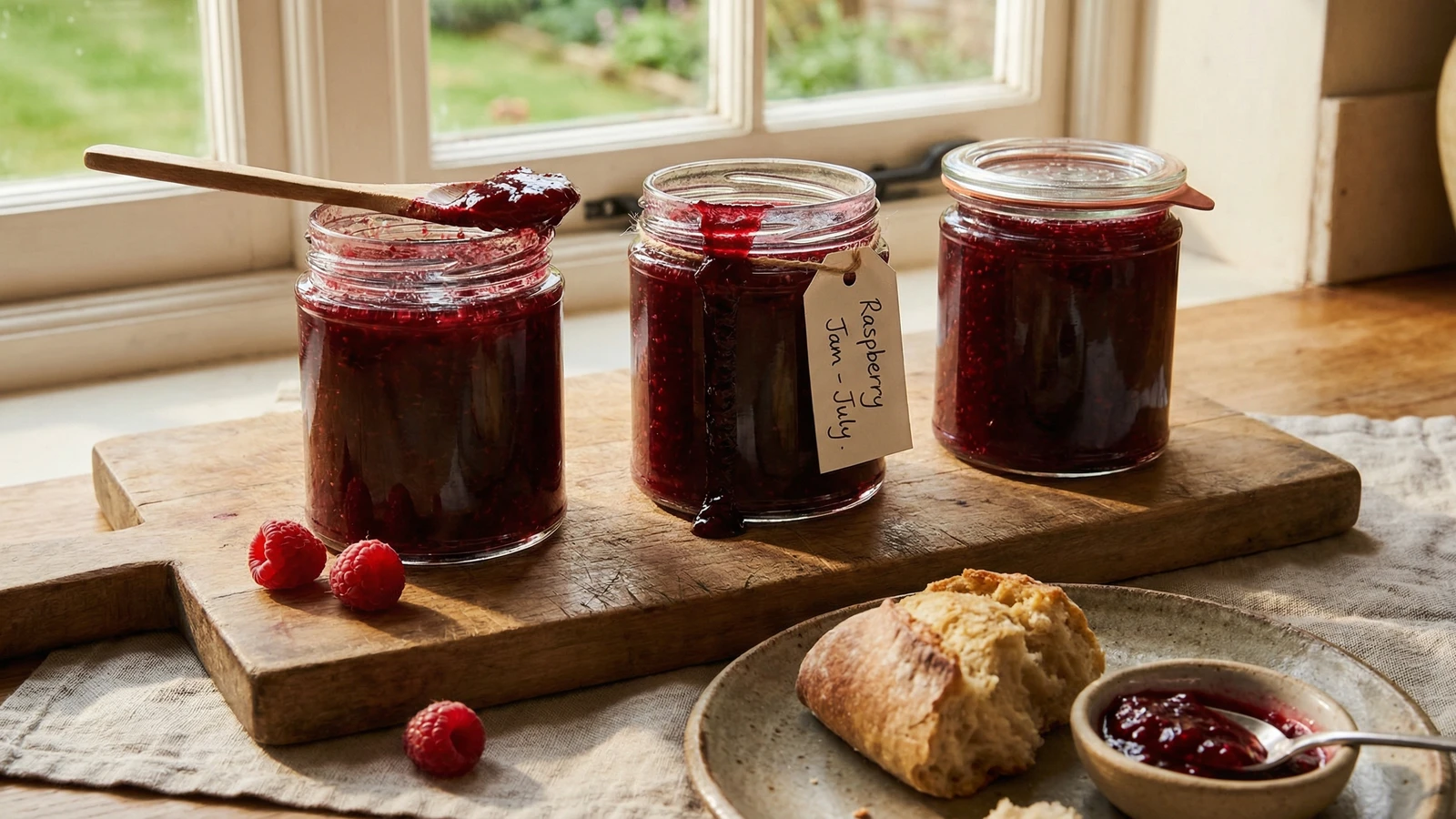
A simple summer raspberry jam, the kind you make in twenty minutes on a Saturday morning and eat on toast for the next six months, remembering July every time.
Raspberries arrived at the market yesterday in such ridiculous quantity that I bought far more than any sensible person needs. Two punnets to eat with cream, and the rest, glistening and almost too soft to carry home, for jam.
Raspberry jam is the easiest preserve there is. The fruit is high in pectin, which is the thing that makes jam set, so you don't need to fuss with sachets or test endlessly or hope for the best. You warm the fruit with sugar and lemon, you boil it hard for ten minutes, you put it in jars. That's the whole thing. We're only making jam.
This is the kind of cooking I like best in summer: fast, generous, and ending with a row of jars on the counter that will see you through to spring. A good raspberry jam tastes of the day it was made. You can spoon it onto toast in February and remember exactly what the kitchen smelled like, the heat through the window, the bowl of berries you couldn't quite finish.
I wrote it in the notebook on Saturday: raspberries, sugar, lemon, ten minutes. That's all there is to know.
Quantity
1kg
ripe but not collapsing
Quantity
1kg
Quantity
1
juiced
| Ingredient | Quantity |
|---|---|
| fresh raspberriesripe but not collapsing | 1kg |
| jam sugar or granulated sugar | 1kg |
| lemonjuiced | 1 |
Wash three 250ml jars and their lids in hot soapy water. Rinse them and put them, still wet, into a low oven at 120C to dry out and warm through. Leave them there until you need them. Hot jam goes into hot jars. Cold jars crack, and you'll have ruined a good morning.
Tip the raspberries into a wide, heavy-bottomed pan. A preserving pan if you have one, otherwise the biggest saucepan in the cupboard. Add the sugar and the lemon juice. Set the pan over a low heat and stir gently with a wooden spoon until the sugar dissolves entirely. You'll feel it on the bottom of the pan: gritty at first, then smooth. Don't rush this. If you boil the jam before the sugar has dissolved, it will crystallise and you'll be cross with yourself.
Once the sugar has dissolved, turn the heat up. The jam should come to a proper rolling boil, the kind that doesn't stop when you stir it. The colour will deepen to a darker, glossier red and the kitchen will start to smell of warm raspberries and something just shy of toffee. This is the smell of July, even if it's October and you're using frozen fruit. No shame in that. Skim off any pink foam that gathers at the edges with a spoon. Or don't. It disappears as the jam cools.
After about eight to ten minutes of vigorous boiling, take the pan off the heat and spoon a little jam onto your cold saucer from the freezer. Wait half a minute, then push it gently with your fingertip. If the surface wrinkles, it's ready. If it slides about looking like syrup, put the pan back on the heat for another two minutes and test again. Raspberries are high in pectin, so this rarely takes long. Trust the wrinkle. It tells you everything.
Let the jam settle in the pan for two or three minutes. This stops the fruit floating to the top of the jars. Take your warm jars from the oven, set them on a wooden board, and ladle the jam in carefully, using a jug or a wide funnel if you have one. Fill them almost to the top. Wipe the rims clean with a damp cloth, screw the lids on firmly, and leave them to cool on the counter. You'll hear the lids ping as they seal. There are few better sounds in a kitchen.
1 serving (about 20g)
Culinary guides, cultural storytelling, and the editorial depth that makes cooking meaningful.
Discover Culinary ExplorerChef Thomas
A proper white sauce sharpened with pounded anchovy, the old Georgian trick for waking up a piece of poached fish or a slice of roast lamb on a Sunday in spring.

Chef Thomas
A spiced autumn chutney made from a glut of apples and a quiet afternoon, simmered down until the kitchen smells of October and the jars line up on the counter like a small, useful insurance policy.
Chef Thomas
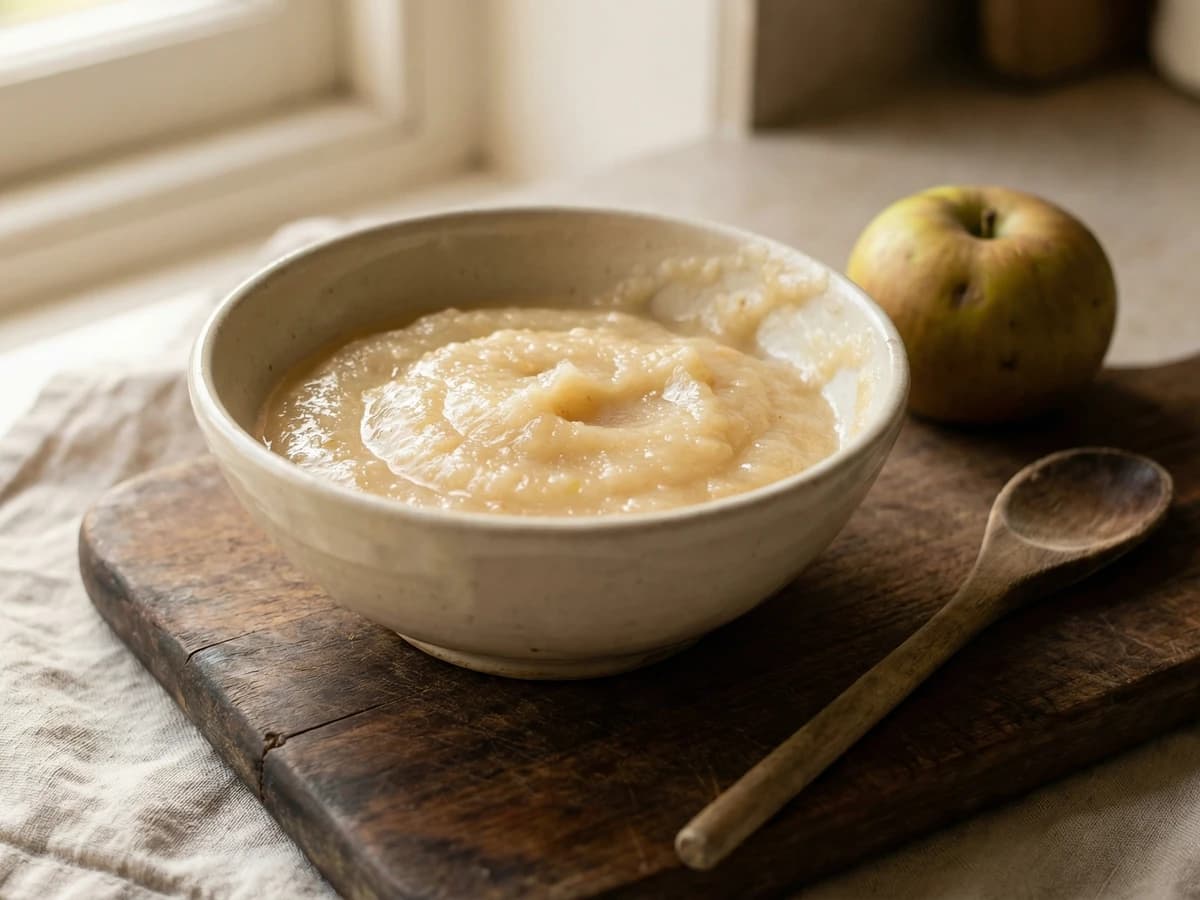
A bowl of sharp, fluffy Bramley apple sauce, made in the time it takes to carve the pork, the kind of small condiment that quietly makes the whole meal make sense.
Chef Thomas
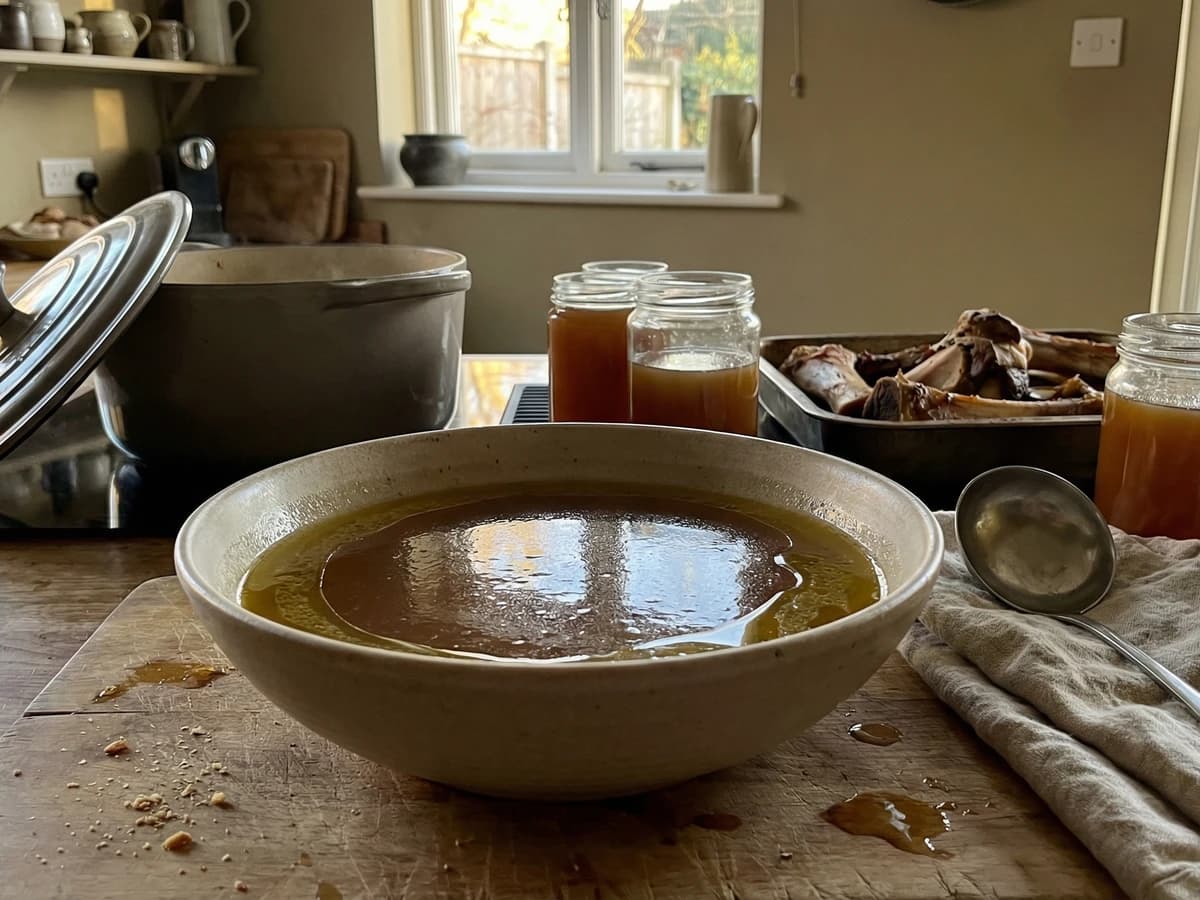
Beef bones roasted until dark, then coaxed for a long afternoon into a deep amber stock, the foundation of every good gravy, every braise, every bowl of winter soup worth the trouble.