Chef Thomas
Anchovy Sauce
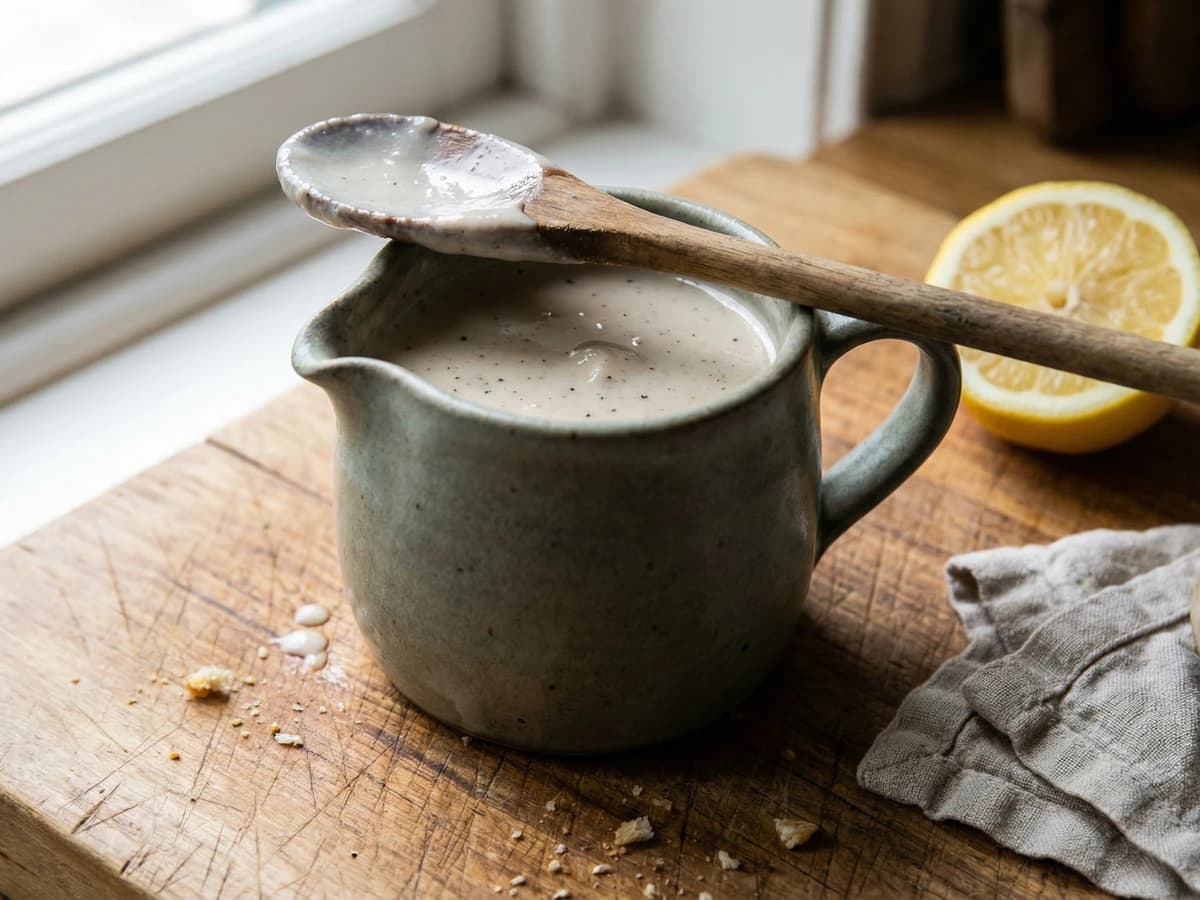
A proper white sauce sharpened with pounded anchovy, the old Georgian trick for waking up a piece of poached fish or a slice of roast lamb on a Sunday in spring.
A cooking platform built around craft, culture, and the stories behind what we eat.

Created by Chef Thomas
A jar of properly pickled onions, peeled at the kitchen table on an October afternoon and put away to mature in time for cold meat and good cheese at Christmas.
There's a particular weekend in October when the pickling onions appear at the market and I know what Saturday afternoon is going to look like. A bowl of small, papery onions. A sharp knife. The radio on. A glass of something to make the tedium feel like a ritual rather than a chore. Pickling onions is one of those jobs that has to be done in one sitting, so you may as well settle into it.
I'm not going to pretend the peeling is fun. It isn't. Your hands will smell of onion for two days and you'll wonder, somewhere around the fortieth one, why you started. But there's a reason people have been doing this for generations. A jar of proper pickled onions on the table at Christmas, alongside a wedge of mature cheddar, a slice of cold ham, a hunk of bread, a spoonful of chutney: this is the food that needs no occasion and asks for no fuss. The ploughman's lunch is a quiet kind of perfection, and a good pickled onion is the thing that holds it together.
The trick, if there is one, is patience. Cold vinegar over cold onions, so they stay crunchy. A long brine to firm them up. And then the wait. Six weeks at least, eight if you can manage it. I wrote it down in the notebook the first year I made them: peeled October, opened December, gone by February. They never last as long as you think they will.
A recipe is a conversation, not a contract, so adjust the spices to your taste. More chilli if you like a kick. A bit less sugar if you want them properly sharp. The ratio of vinegar to spice is the foundation; everything else is yours.
Quantity
1kg
silverskin or small shallots, unpeeled
Quantity
100g
Quantity
1 litre
Quantity
1 litre
Quantity
100g
Quantity
2 tablespoons
Quantity
2 tablespoons
Quantity
1 tablespoon
Quantity
1 tablespoon
Quantity
6
Quantity
3
Quantity
2 small
| Ingredient | Quantity |
|---|---|
| pickling onionssilverskin or small shallots, unpeeled | 1kg |
| fine sea salt | 100g |
| cold water | 1 litre |
| good malt vinegar | 1 litre |
| light brown soft sugar | 100g |
| black peppercorns | 2 tablespoons |
| yellow mustard seeds | 2 tablespoons |
| coriander seeds | 1 tablespoon |
| allspice berries | 1 tablespoon |
| cloves | 6 |
| dried bay leaves | 3 |
| dried chillies | 2 small |
Tip the onions into a large bowl and pour over a kettle of boiling water. Leave them for one minute, no more, then drain and run cold water over them until they're cool enough to handle. The skins will slip off more willingly now, which matters because you have a lot of onions ahead of you.
Top and tail each onion and slip off the papery skin. Try to keep the root end mostly intact so the onions hold their shape. You'll cry. There is no clever way around this. Drop each peeled onion into a large bowl as you go.
Stir the salt into the cold water until it dissolves. Pour the brine over the peeled onions, weight them down with a plate so they stay submerged, and leave them on the counter for twenty-four hours. The salt draws out the water and firms the flesh. Skip this and you'll end up with soft, sad pickles. Don't skip it.
Pour the malt vinegar into a non-reactive saucepan and add the sugar, peppercorns, mustard seeds, coriander seeds, allspice, cloves, bay leaves, and chillies. Bring it slowly to a simmer, stirring until the sugar has dissolved. The kitchen will smell sharp and warm and a bit Christmas, which is exactly right. Take it off the heat the moment it bubbles and let it cool completely. Cold vinegar over cold onions. Hot vinegar would cook them and you'd lose the crunch.
Wash two large jars and their lids in hot soapy water, rinse well, and put them in a low oven at 120C for fifteen minutes to dry and sterilise. The lids can go into a pan of just-boiled water for five minutes. Let everything cool until you can handle it but is still warm.
Drain the onions and rinse them under cold water to wash off the brine. Pat them dry with a clean tea towel. Pack them into the sterilised jars, fairly tightly but without bruising them. Pour the cold spiced vinegar over the top, making sure the spices are distributed between the jars and that every onion is covered. Seal the lids firmly.
Label the jars with the date and put them somewhere cool and dark. A cupboard, a pantry, the bottom of a wardrobe if that's what you've got. Now leave them alone for at least six weeks. Eight is better. Twelve is better still. The vinegar needs time to mellow, the spices need time to bloom into the onions, and the harsh edge needs time to soften into something you actually want to eat. Opening them too early is a small heartbreak. I know because I've done it.
1 serving (about 30g, 2 pickled onions)
Culinary guides, cultural storytelling, and the editorial depth that makes cooking meaningful.
Discover Culinary ExplorerChef Thomas
A proper white sauce sharpened with pounded anchovy, the old Georgian trick for waking up a piece of poached fish or a slice of roast lamb on a Sunday in spring.

Chef Thomas
A spiced autumn chutney made from a glut of apples and a quiet afternoon, simmered down until the kitchen smells of October and the jars line up on the counter like a small, useful insurance policy.
Chef Thomas
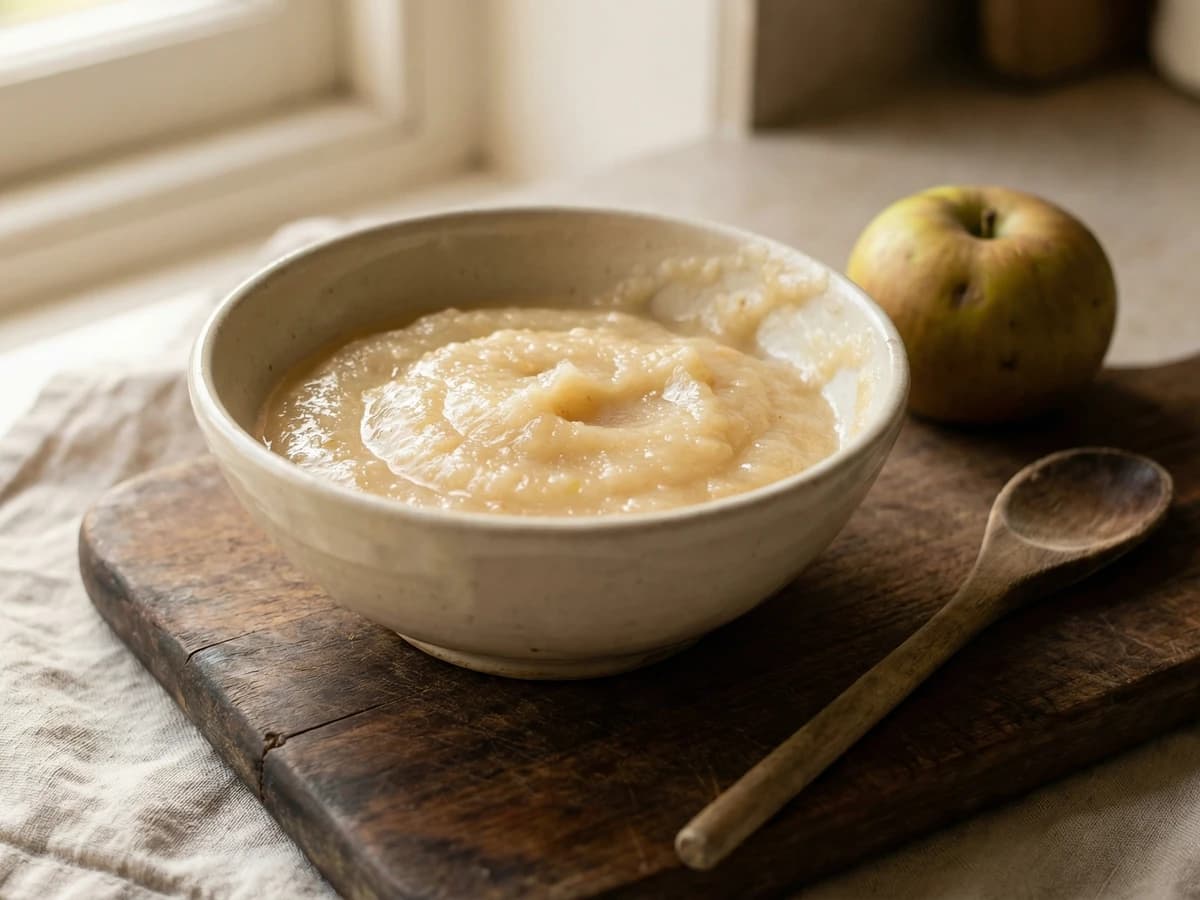
A bowl of sharp, fluffy Bramley apple sauce, made in the time it takes to carve the pork, the kind of small condiment that quietly makes the whole meal make sense.
Chef Thomas
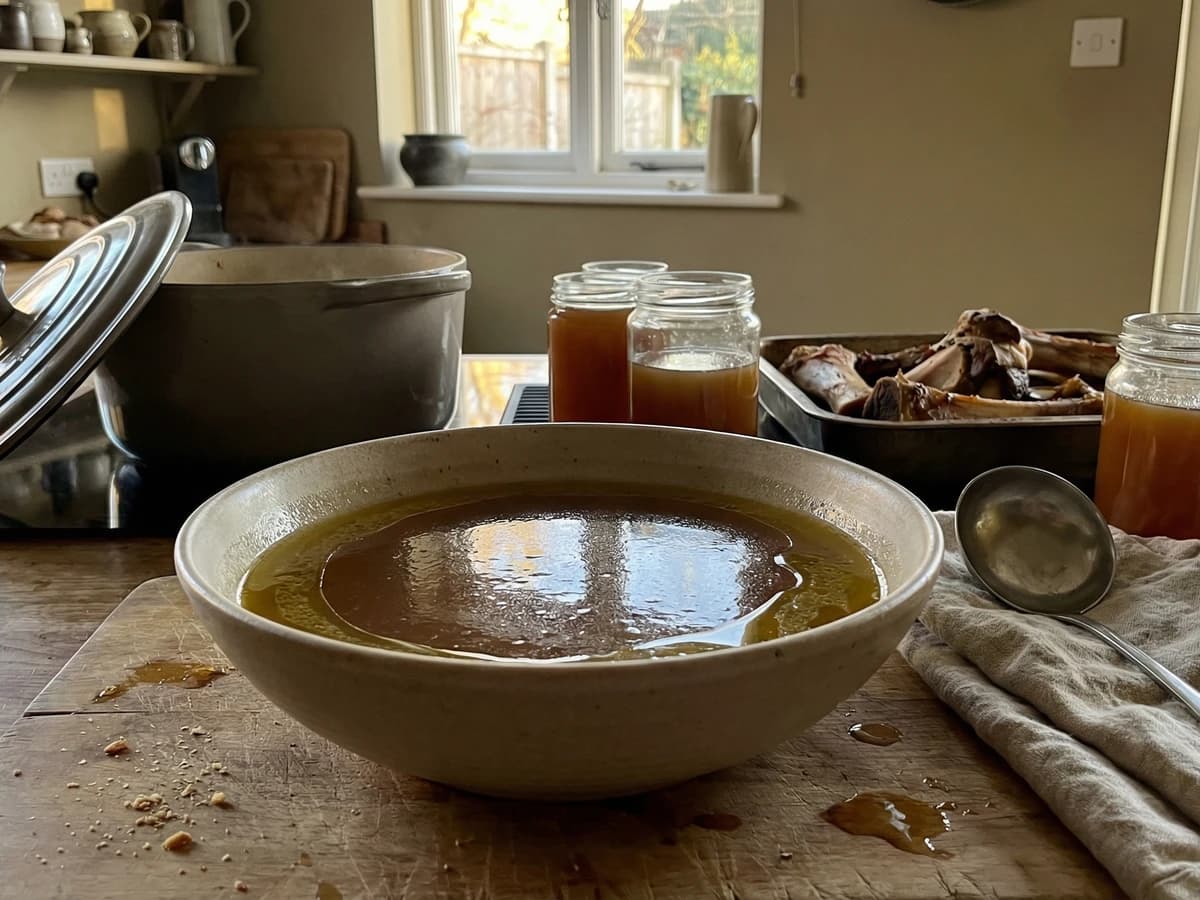
Beef bones roasted until dark, then coaxed for a long afternoon into a deep amber stock, the foundation of every good gravy, every braise, every bowl of winter soup worth the trouble.