Chef Thomas
Anchovy Sauce
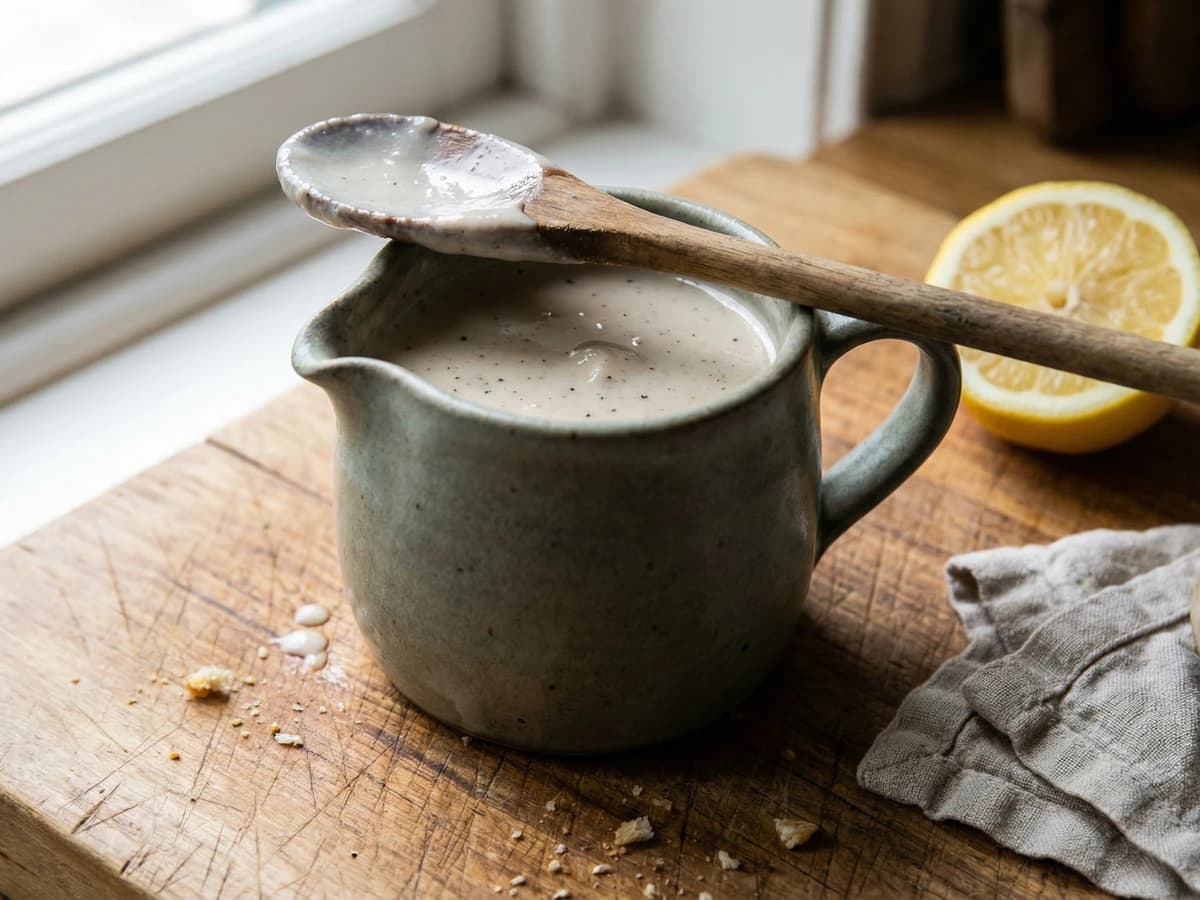
A proper white sauce sharpened with pounded anchovy, the old Georgian trick for waking up a piece of poached fish or a slice of roast lamb on a Sunday in spring.
A cooking platform built around craft, culture, and the stories behind what we eat.

Created by Chef Thomas
A late-summer pickle of cauliflower and beans in a sharp, sunshine-yellow mustard sauce, made now and put away in jars for the cold months when you'll want it most.
Piccalilli is a September job. The cauliflowers are good, the last of the runner beans are still coming, and the small ridge cucumbers are piled up at the market for almost nothing. This is the moment. Make it now and you'll be eating it at Christmas with cold ham, on Boxing Day with the leftovers, on a Tuesday in February with a lump of cheddar and some bread, when the garden is bare and you need reminding what summer tasted like.
It is a Victorian pickle, properly speaking, and you can feel the inheritance in it. The bright yellow turmeric, the English mustard, the cider vinegar, the way it asks you to wait. There is nothing quick about it. You salt the vegetables overnight, you make a sharp mustardy sauce, you tip them together while everything is still warm, and then you put the jars away and leave them alone for a month. The waiting is doing the work.
I keep four jars on the shelf at all times. One open, three in reserve. There are few better feelings than reaching for a jar of something you made yourself in another season. A cold plate of ham, a spoonful of piccalilli, a slice of bread and butter. We're only making dinner. But that combination, on a dark evening in January, is the kind of thing that makes a quiet life feel deliberately chosen.
I wrote it down in the notebook the first year I made it: cauliflower, mustard, patience. That's still the whole recipe, really.
Quantity
1 small
broken into small florets
Quantity
2 medium
peeled and roughly chopped
Quantity
200g
cut into chunks
Quantity
200g
topped and cut into 2cm lengths
Quantity
100g
Quantity
1 litre
Quantity
600ml
Quantity
150g
Quantity
30g
Quantity
15g
Quantity
10g
Quantity
1 tablespoon
Quantity
30g
Quantity
2 tablespoons
| Ingredient | Quantity |
|---|---|
| cauliflowerbroken into small florets | 1 small |
| onionspeeled and roughly chopped | 2 medium |
| ridge cucumbers or gherkinscut into chunks | 200g |
| green beanstopped and cut into 2cm lengths | 200g |
| fine sea salt | 100g |
| cold water | 1 litre |
| cider vinegar | 600ml |
| golden caster sugar | 150g |
| English mustard powder | 30g |
| ground turmeric | 15g |
| ground ginger | 10g |
| yellow mustard seeds | 1 tablespoon |
| cornflour | 30g |
| cold water (for the cornflour) | 2 tablespoons |
Tip the cauliflower, onions, cucumber and beans into a large bowl. Dissolve the salt in the litre of cold water and pour it over the vegetables. Weight them down with a plate so they stay submerged. Leave on the kitchen counter overnight, or for at least twelve hours. The salt draws out the water that would otherwise turn your pickle slack and watery. This is the step you can't skip.
The next morning, drain the vegetables in a colander and rinse them under cold running water. Shake them well and leave them to drip while you make the sauce. They should still have crunch when you press a piece between your fingers. That crunch is the whole point of piccalilli.
Wash your jars and lids in hot soapy water, rinse, then put them on a tray in a low oven, 130C, for fifteen minutes. They need to be hot when the pickle goes in. A cold jar and a hot pickle is how glass cracks.
Pour most of the vinegar into a large heavy-bottomed pan, holding back about 100ml for the cornflour. Add the sugar, mustard powder, turmeric, ginger and mustard seeds. Bring it gently to a simmer, stirring until the sugar has dissolved. The kitchen will smell sharp and yellow and slightly medicinal. That's right. It calms down later.
Mix the cornflour with the reserved vinegar and the two tablespoons of cold water until smooth, no lumps. Pour this into the simmering pan, whisking as you go. Let it bubble for a couple of minutes. It should thicken to the consistency of a loose custard, glossy and bright yellow, just thick enough to coat the back of a spoon. If it looks thin, simmer a moment longer. If it goes too thick, a splash more vinegar pulls it back.
Tip the drained vegetables into the pan and stir them through the hot sauce. Bring everything back up to a gentle simmer and cook for no more than three or four minutes. You're not trying to soften the vegetables, only to warm them through and let the sauce cling. Taste a piece of cauliflower. It should still snap.
Spoon the piccalilli into the hot jars, pressing down gently with the back of a spoon to push out any pockets of air, and making sure the vegetables are properly covered by the sauce. Wipe the rims clean with a damp cloth, then seal tightly. Label them with the date. Put them somewhere cool and dark and forget about them for at least four weeks.
1 serving (about 30g)
Culinary guides, cultural storytelling, and the editorial depth that makes cooking meaningful.
Discover Culinary ExplorerChef Thomas
A proper white sauce sharpened with pounded anchovy, the old Georgian trick for waking up a piece of poached fish or a slice of roast lamb on a Sunday in spring.

Chef Thomas
A spiced autumn chutney made from a glut of apples and a quiet afternoon, simmered down until the kitchen smells of October and the jars line up on the counter like a small, useful insurance policy.
Chef Thomas
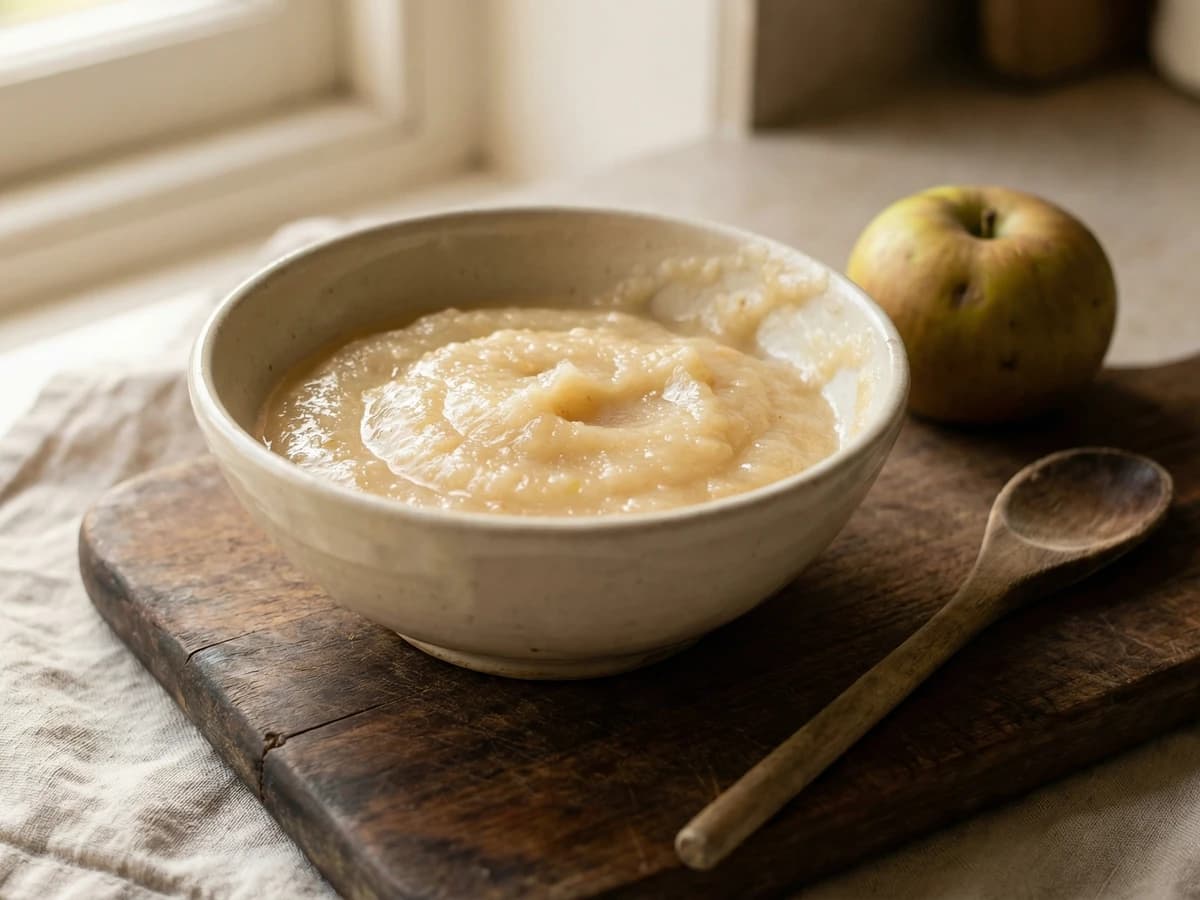
A bowl of sharp, fluffy Bramley apple sauce, made in the time it takes to carve the pork, the kind of small condiment that quietly makes the whole meal make sense.
Chef Thomas
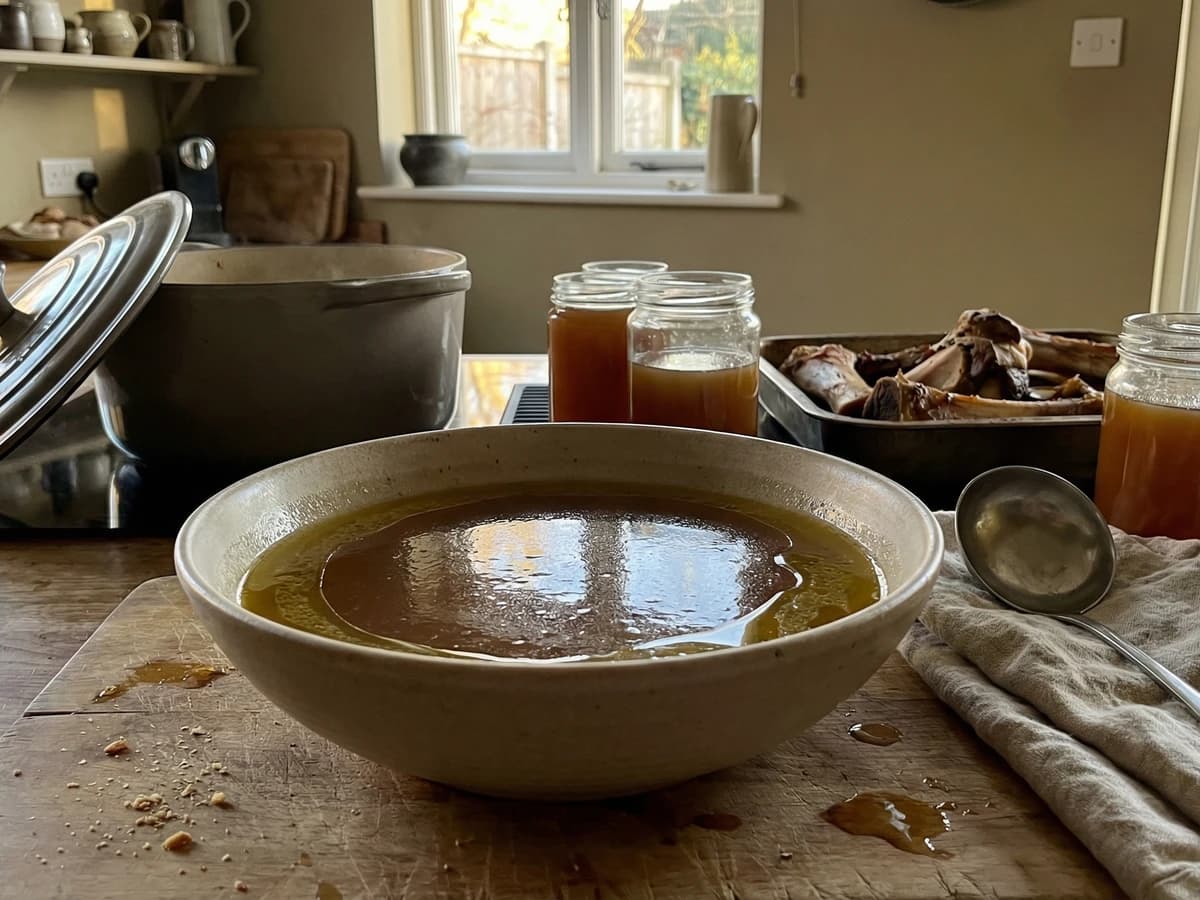
Beef bones roasted until dark, then coaxed for a long afternoon into a deep amber stock, the foundation of every good gravy, every braise, every bowl of winter soup worth the trouble.