Chef Juliette
Ordinary or White Consommé
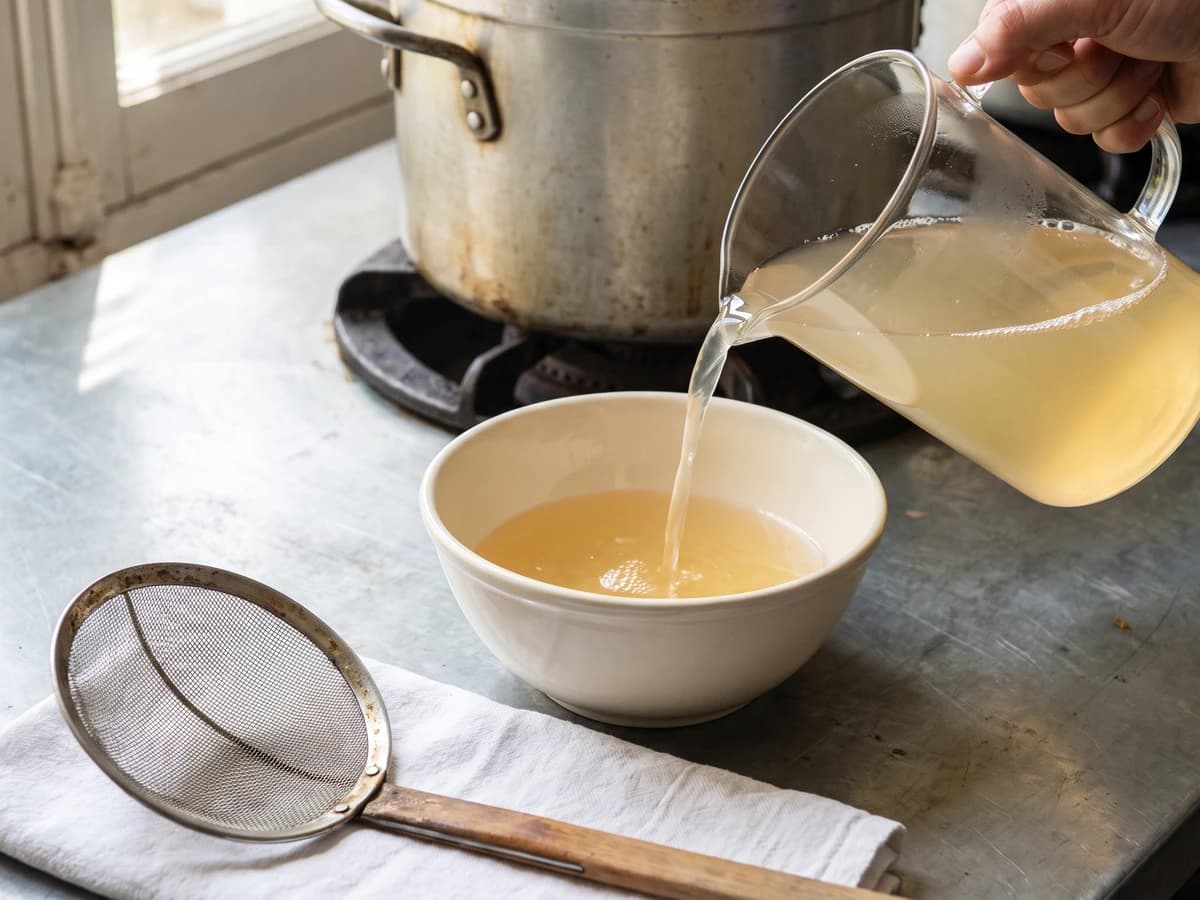
Beef shin, lean beef, and fowl begin in cold water and rise slowly toward a tremble. Skim before the boil, and you learn the quiet discipline that gives every clear French broth its backbone.
A cooking platform built around craft, culture, and the stories behind what we eat.

Created by
Fresh peʻepeʻe is Sāmoa's first squeeze of mature coconut, thick and white under palusami and oka iʻa, ready for Sunday toʻonaʻi and the weeknight kitchen too.
One ocean, one canoe, one root, and in Sāmoa that canoe also carried the popo, the mature coconut, right into the middle of the āiga, the family table. My first memory of peʻepeʻe, fresh coconut cream, isn't from my own auntie's board back home on Oʻahu. It's from a Sāmoan auntie under a fale, an open-sided house, scraping white coconut into a basin while the young ones tried to look useful and mostly got in the way. She didn't make a speech. She put the coconut in their hands.
Peʻepeʻe is Sāmoa's first squeeze, thick and white, wrung through tauaga, the clean coconut-husk fiber, until the cream falls heavy into the bowl. It feeds palusami, the taro-leaf parcel, and oka iʻa, Sāmoan raw fish in coconut and citrus. In Tonga that same richness fills lū, in the Cook Islands it softens rukau and ika mata, in Tahiti it runs through fāfā and ʻia ota, and back home in Hawaiʻi coconut sits beside lūʻau and haupia. Same ocean, different hands.
For your kitchen, no need make it precious. If you've got mature coconuts and a scraper, good. If you've got frozen grated coconut and cheesecloth, still good. A can of coconut cream can carry a weeknight, nobody gets scolded at this table, but when the cream is the soul of the dish, squeeze it fresh if you can. This is Sāmoa's hand, and for the deep feast lines of the toʻonaʻi, the Sunday meal, I send you to Sāmoan elders, matai, and aunties who carry it from the inside.
Peʻepeʻe sits inside Sāmoa's old coconut grammar: mature popo grated, moistened, and wrung through tauaga for the thick first squeeze that feeds palusami, oka iʻa, faiai, fish cooked with coconut cream, and the Sunday toʻonaʻi. Coconut was one of the canoe plants carried through Polynesia with taro, breadfruit, banana, and sugarcane, so its cream became the richness of islands with no dairy animals in the old foodway. Tinned coconut cream belongs to the modern pantry now, like corned beef and sapasui, Sāmoan chop suey, belong to the living table, but the fresh squeeze still marks care, feast, and old knowledge moving hand to hand.
Quantity
2
water drained, meat finely grated, or 4 cups thawed unsweetened frozen grated mature coconut
Quantity
1/2 cup, plus up to 1/4 cup more
just warm to the touch
Quantity
1 small pinch
only for savory dishes
| Ingredient | Quantity |
|---|---|
| mature brown coconuts (popo)water drained, meat finely grated, or 4 cups thawed unsweetened frozen grated mature coconut | 2 |
| warm waterjust warm to the touch | 1/2 cup, plus up to 1/4 cup more |
| sea salt (optional)only for savory dishes | 1 small pinch |
Pick mature brown coconuts, popo in gagana Sāmoa, that feel heavy for their size and slosh when you shake them. The shell should smell clean, not sour or moldy. Young drinking coconuts are for another day; their soft meat gives water, not the thick cream you need here.
Pierce one eye of each coconut and drain the water into a cup for drinking or cooking. Wrap the coconut in a clean towel and crack it around the middle with a hammer or the back of a heavy cleaver, turning as you go until it opens. Pry the white meat from the shell, trimming away any hard brown shell bits that cling.
Grate the coconut meat fine on a bench scraper or the small holes of a sturdy box grater. Fine shreds give up their cream better than big strips. You want a snowy heap that smells sweet, fatty, and clean, the kind that makes the whole kitchen know somebody is cooking Sāmoan food today.
Sprinkle the warm water over the grated coconut and work it with your hands for 2 to 3 minutes. Don't flood it. The water is only there to wake the fat and help it move. As you squeeze and knead, the shreds will feel heavier and slicker, and your hands will pick up a coconut-oil sheen.
Gather a few handfuls of coconut into clean tauaga, coconut-husk fiber used for straining, or a large square of cheesecloth. Twist hard over a bowl and wring until the cream falls thick, white, and glossy. This first squeeze is the peʻepeʻe, the rich cream Sāmoa lays under palusami and stirs into oka iʻa.
If you want a thinner coconut milk, return the squeezed coconut to the bowl, add another 1/2 cup warm water, work it again, and wring a second time. Keep that second squeeze separate. The first is peʻepeʻe, thick and rich; the second is good for rice, soups, or stretching a pot without wasting anything.
Use the peʻepeʻe right away if you can. If it sits, it will separate into thick cream and watery liquid, no trouble, just stir it back together. Keep it covered and cold, and use within 24 hours for raw fish or within 2 days for cooked dishes. Fresh coconut turns sour when you ignore it. No blame the coconut.
1 serving (about 60g)
Culinary guides, cultural storytelling, and the editorial depth that makes cooking meaningful.
Discover Culinary ExplorerChef Juliette
Beef shin, lean beef, and fowl begin in cold water and rise slowly toward a tremble. Skim before the boil, and you learn the quiet discipline that gives every clear French broth its backbone.
Chef Juliette
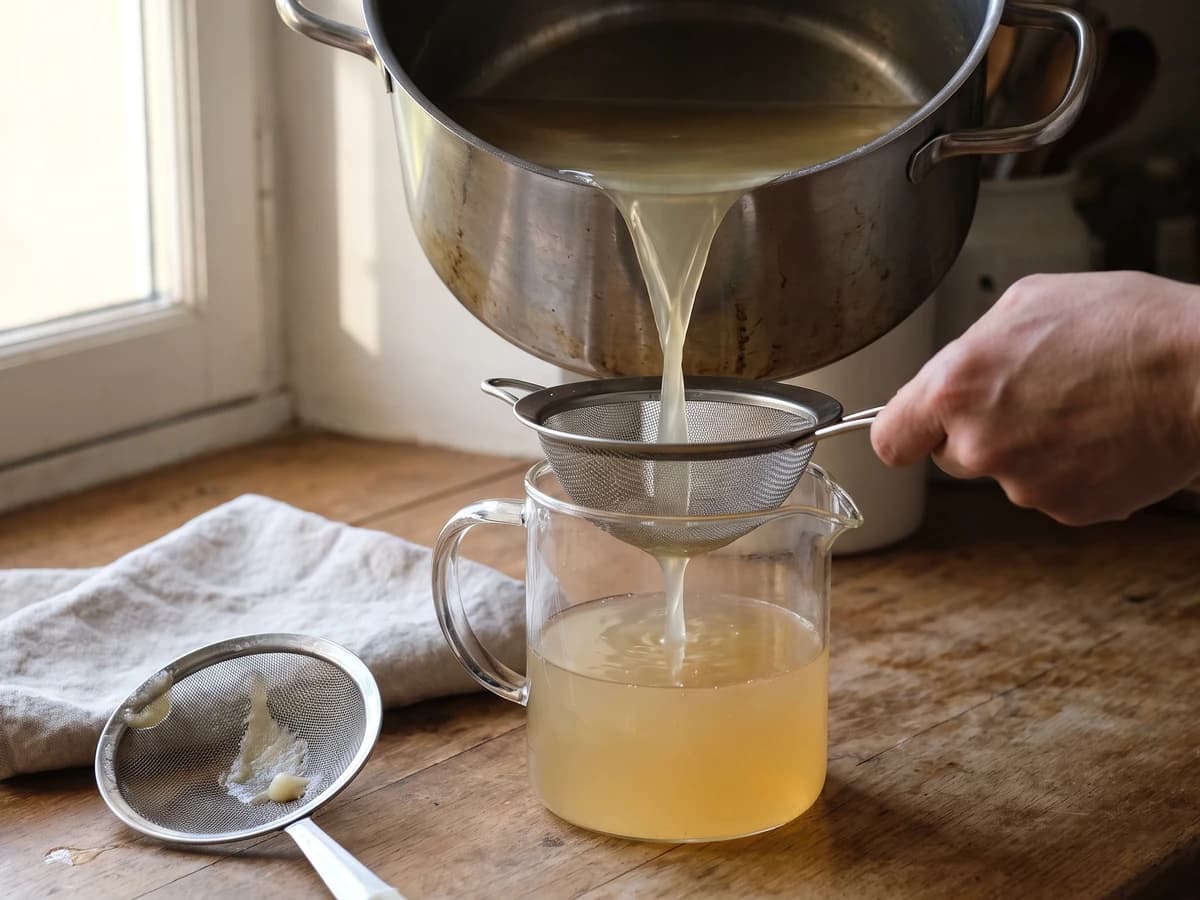
Break the veal bones small, then give them eight hours at a bare tremble. This pale, gelatinous fond becomes the quiet foundation beneath velouté, blanquette, and every sauce that must stay light.
Chef Juliette
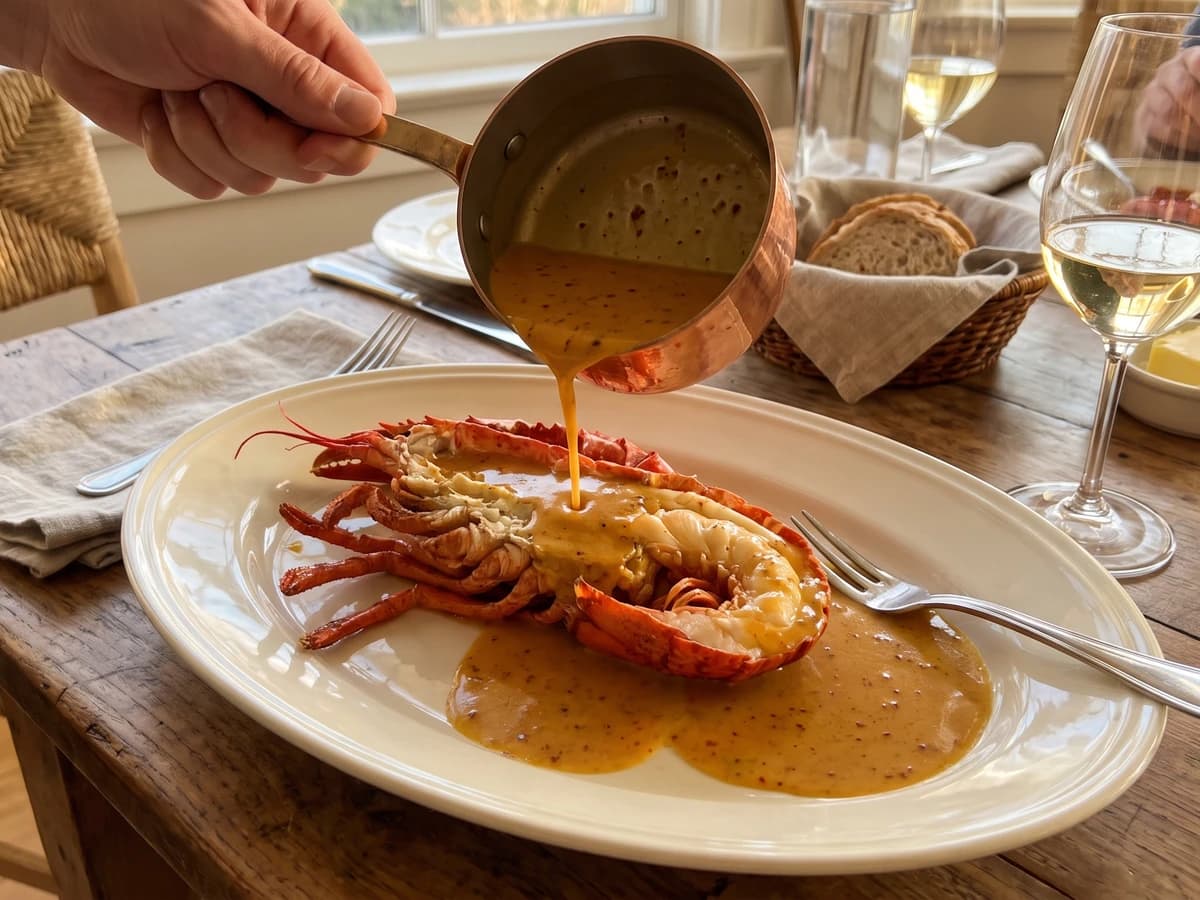
Sauce Orientale concentrates lobster-rich American Sauce with curry, then folds in cream away from the fire: a glossy, gently spiced derivative made for lobster, crayfish, and firm fish.
Chef Juliette
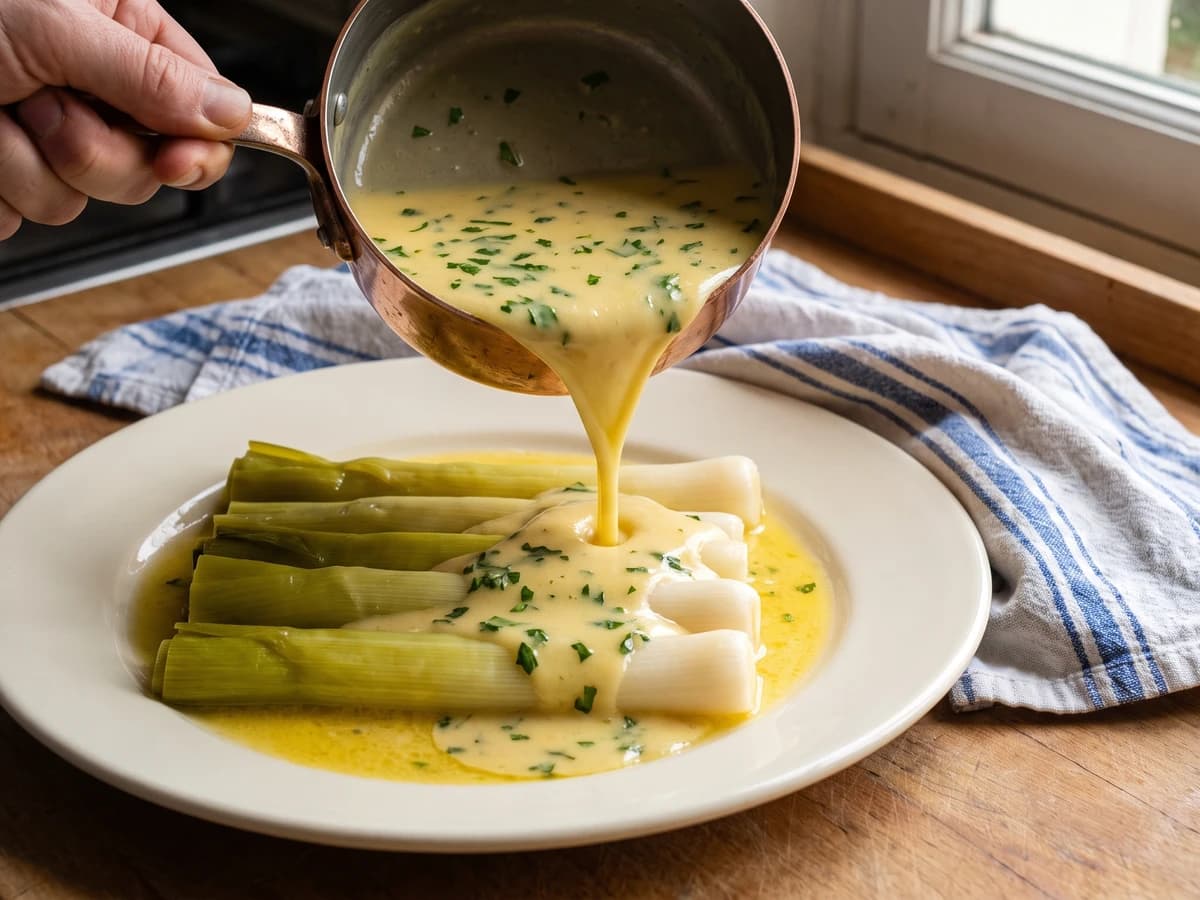
An old lesson in sauce families: Sauce Allemande takes mushroom liquor, then butter, lemon, and parsley, becoming a glossy Poulette for sheep's trotters, leeks, cauliflower, and anything needing gentle richness with a bright edge.