
Chef Dimitra
Chios Nerantzi Glyko Koutaliou (Νεράντζι Γλυκό Κουταλιού)
Chios bitter orange peel rolled into tight coils, blanched through clean waters, then preserved in a clear fragrant syrup for the spoon-sweet tray.
A cooking platform built around craft, culture, and the stories behind what we eat.

Created by
Kalamata pasteli is sesame and honey made honest: toasted seeds, fragrant Greek honey, and one firm boil so the bars snap instead of sag.
Pasteli Kalamatas is sesame bound in honey, the clean old sweet of Messinia, cut into bars that snap first and then turn fragrant under the teeth. The region is the dish's surname here because Kalamata's version is spare: sesame, honey, a little lemon, no chocolate, no clever dressing-up. Λίγα και καλά, a few things, and good ones.
The whole sweet rests on the honey. You boil it until it reaches the hard stage, then fold in the toasted sesame quickly and roll it thin while it is still obedient. Stop too early and the pasteli stays tacky, bending in your hand and sticking to the paper. Take it far enough and it becomes what it should be: glossy, crisp, nutty, and clean.
I like it wrapped in small rectangles of paper, the way a grandmother keeps sweets in a tin for coffee, not presented like a jewel. A recipe written down is a recipe saved, and this one proves how little a Greek kitchen needs when the honey is good.
Pasteli belongs to the oldest layer of Greek sweets, with sesame and honey preparations recorded in antiquity as wedding and feast foods long before refined sugar entered the kitchen. In Messinia and especially around Kalamata, it became a market and fair sweet, tied to local honey and the old sesame trade of the Peloponnese. Regional versions range from soft and chewy to hard and crisp; the Kalamata style is commonly cut into firm, snappy bars.
Quantity
300g
Quantity
250g
Quantity
50g
Quantity
1 tablespoon
Quantity
1 teaspoon
Quantity
1 pinch
Quantity
1 teaspoon
for the paper and knife
| Ingredient | Quantity |
|---|---|
| hulled sesame seeds | 300g |
| Greek thyme honey | 250g |
| granulated sugar | 50g |
| lemon juice | 1 tablespoon |
| finely grated lemon zest | 1 teaspoon |
| fine sea salt | 1 pinch |
| neutral oilfor the paper and knife | 1 teaspoon |
Line a flat baking tray with baking paper and brush it very lightly with oil. Oil a second sheet of paper and keep it beside you. Pasteli waits for nobody once the honey is ready.
Put the sesame seeds in a wide dry pan over medium heat. Stir often for 5 to 7 minutes, until they smell nutty and a few seeds turn pale gold. Tip them into a bowl at once so they don't darken in the hot pan.
Put the honey, sugar, lemon juice, lemon zest, and salt in a heavy saucepan. Bring to a steady boil over medium heat and cook until the syrup reaches 150 C on a sugar thermometer, 8 to 12 minutes. This is the step that decides the sweet: below hard stage, pasteli bends and sticks to your teeth; at hard stage, it sets crisp and cuts clean.
Take the pan off the heat and immediately stir in the toasted sesame. Work quickly with a wooden spoon until every seed is glossy and coated. The mixture will thicken fast, as it should.
Scrape the hot mixture onto the oiled paper. Cover with the second oiled sheet and roll it into a rough rectangle about 8mm thick. Press the edges in with the side of the rolling pin so the bars are compact, not crumbly.
After 4 to 5 minutes, lift off the top paper and score the pasteli into bars with an oiled knife. Cut all the way through while it is still warm and flexible. If you wait until it is cold, the knife will crack it wherever it likes.
Let the bars cool completely, then separate them and wrap in baking paper. Store airtight at room temperature for up to 3 weeks, away from damp air. Good pasteli should snap, then soften as you chew.
1 serving (about 29g)
Culinary guides, cultural storytelling, and the editorial depth that makes cooking meaningful.
Discover Culinary ExplorerChef Dimitra
Chios bitter orange peel rolled into tight coils, blanched through clean waters, then preserved in a clear fragrant syrup for the spoon-sweet tray.

Chef Dimitra
Chios gives vanilla submarine its mastic breath: a pearly spoon sweet stirred stiff, served cold in water, and offered as the simplest kerasma.
Chef Dimitra
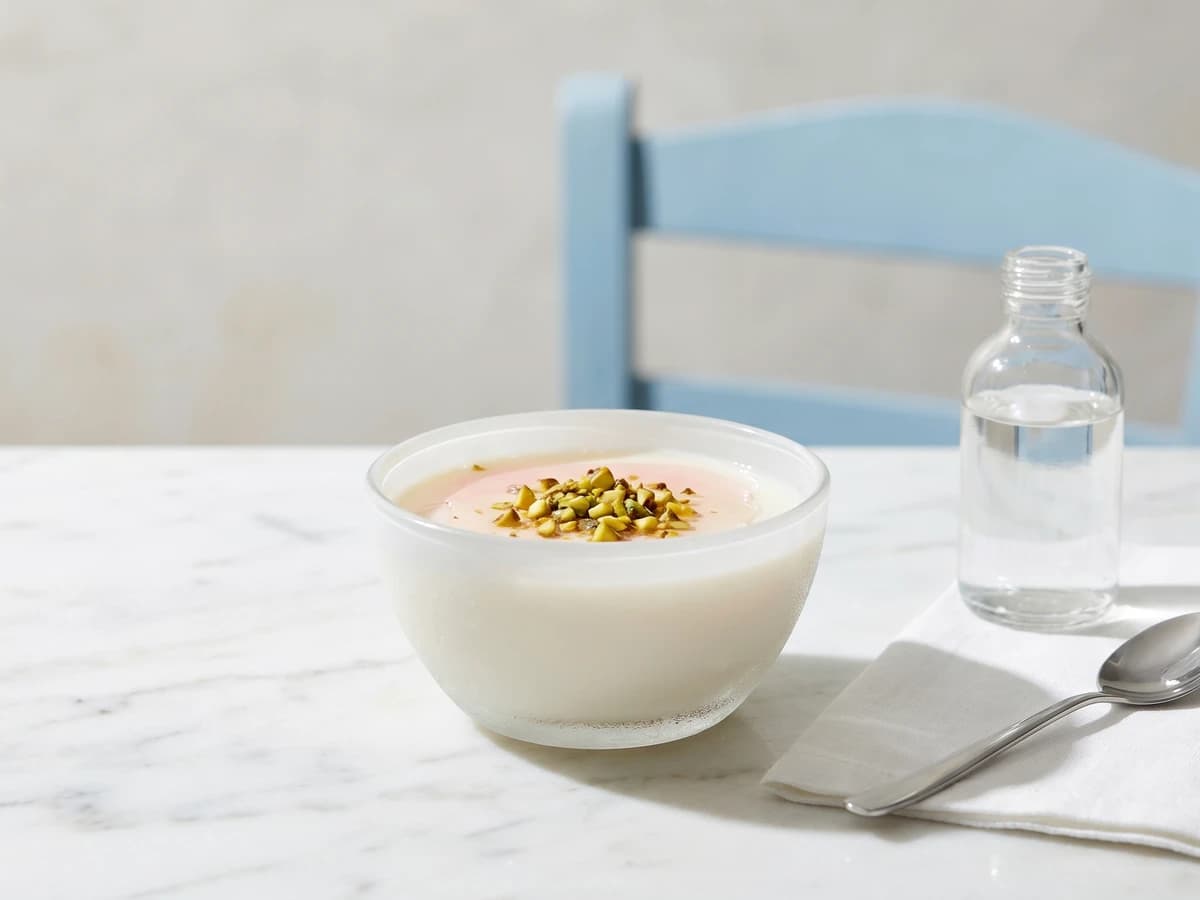
Mahalepi is the cooling milk pudding of Cyprus and the Politiki table: pale, trembling, and loosened at the spoon with cold rosewater syrup.
Chef Dimitra
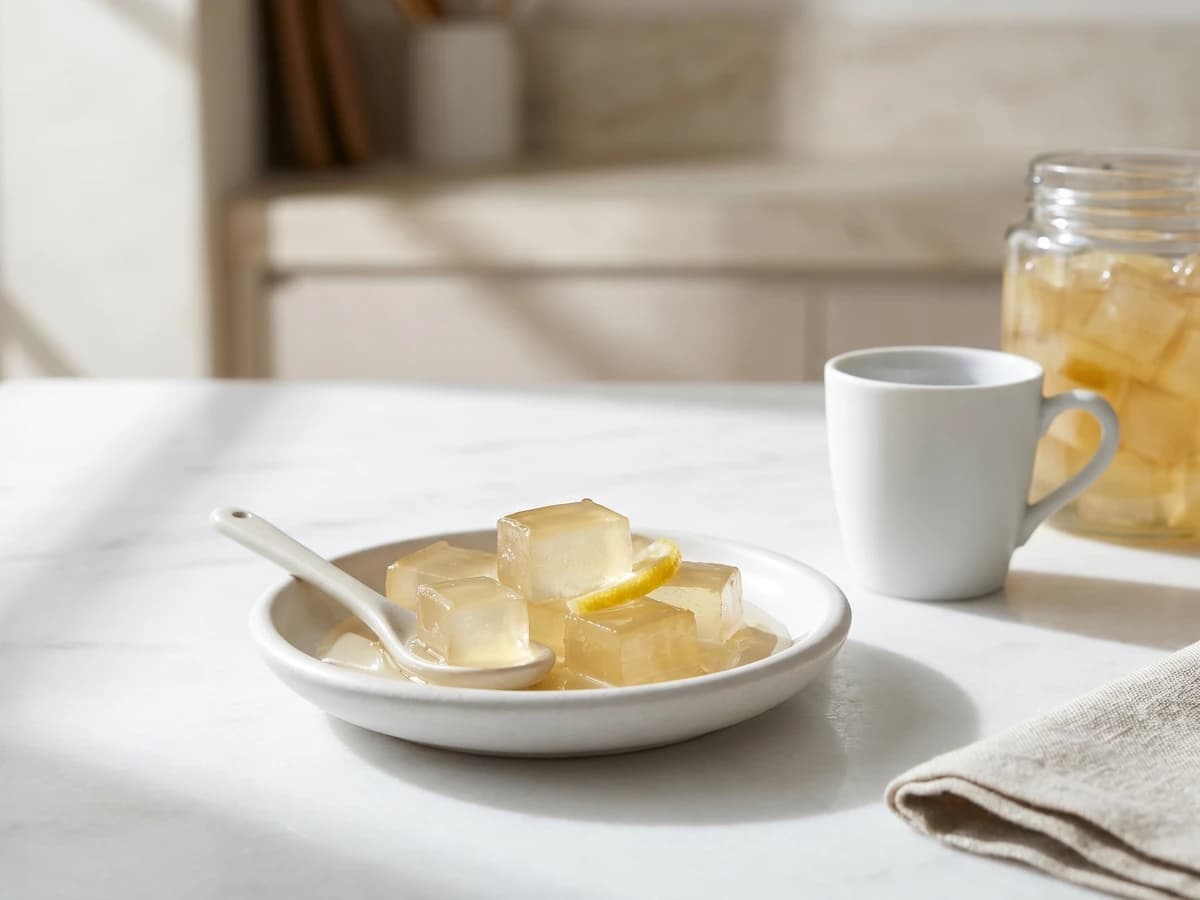
Cyprus keeps the watermelon after the red flesh is gone: firm white rind, lime-soaked for snap, simmered slowly in lemon syrup until each piece shines on the spoon.