Chef Isabel
Acedías Fritas de Cádiz
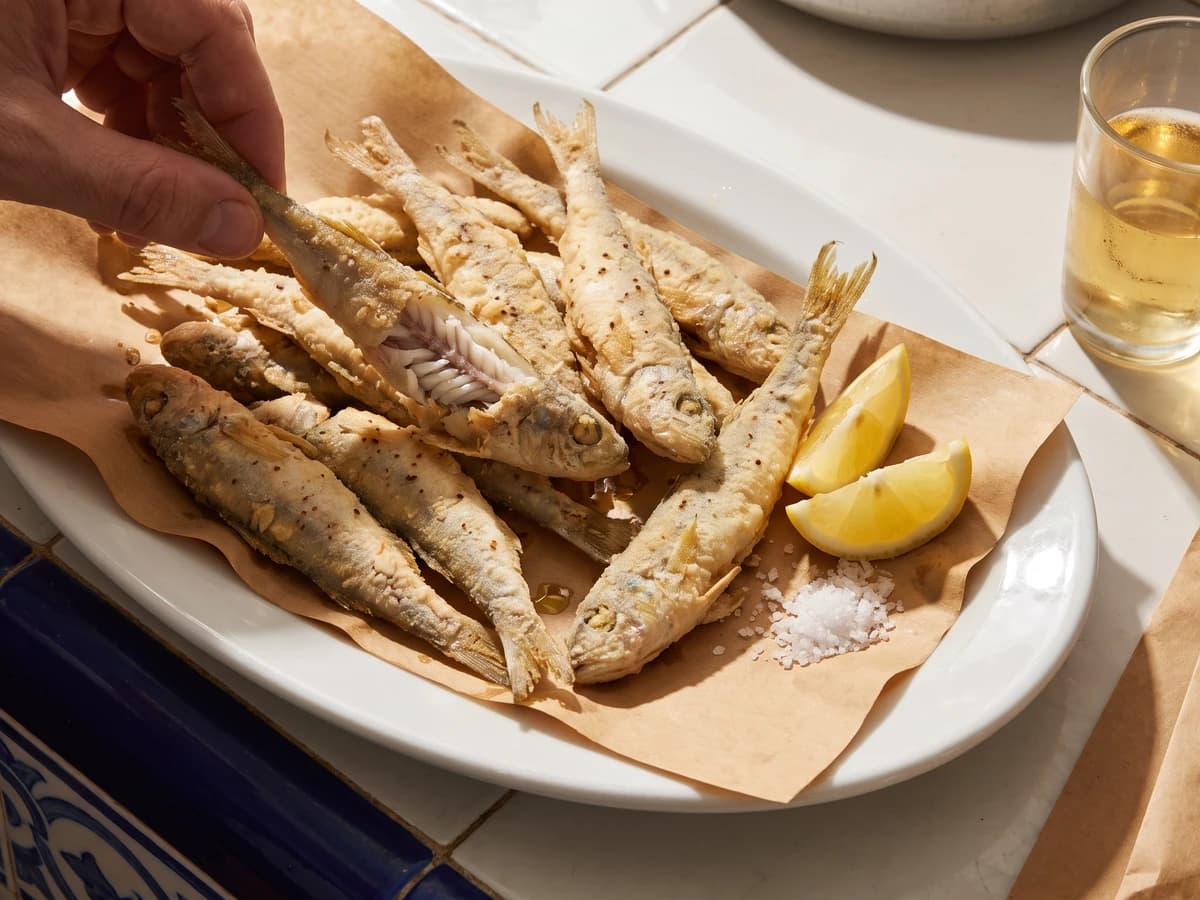
Acedías fritas belong to Cádiz: tiny wedge sole, salted, dusted in frying flour, and dropped into very hot olive oil so the rims crisp while the fish stays tender.
A cooking platform built around craft, culture, and the stories behind what we eat.
Created by
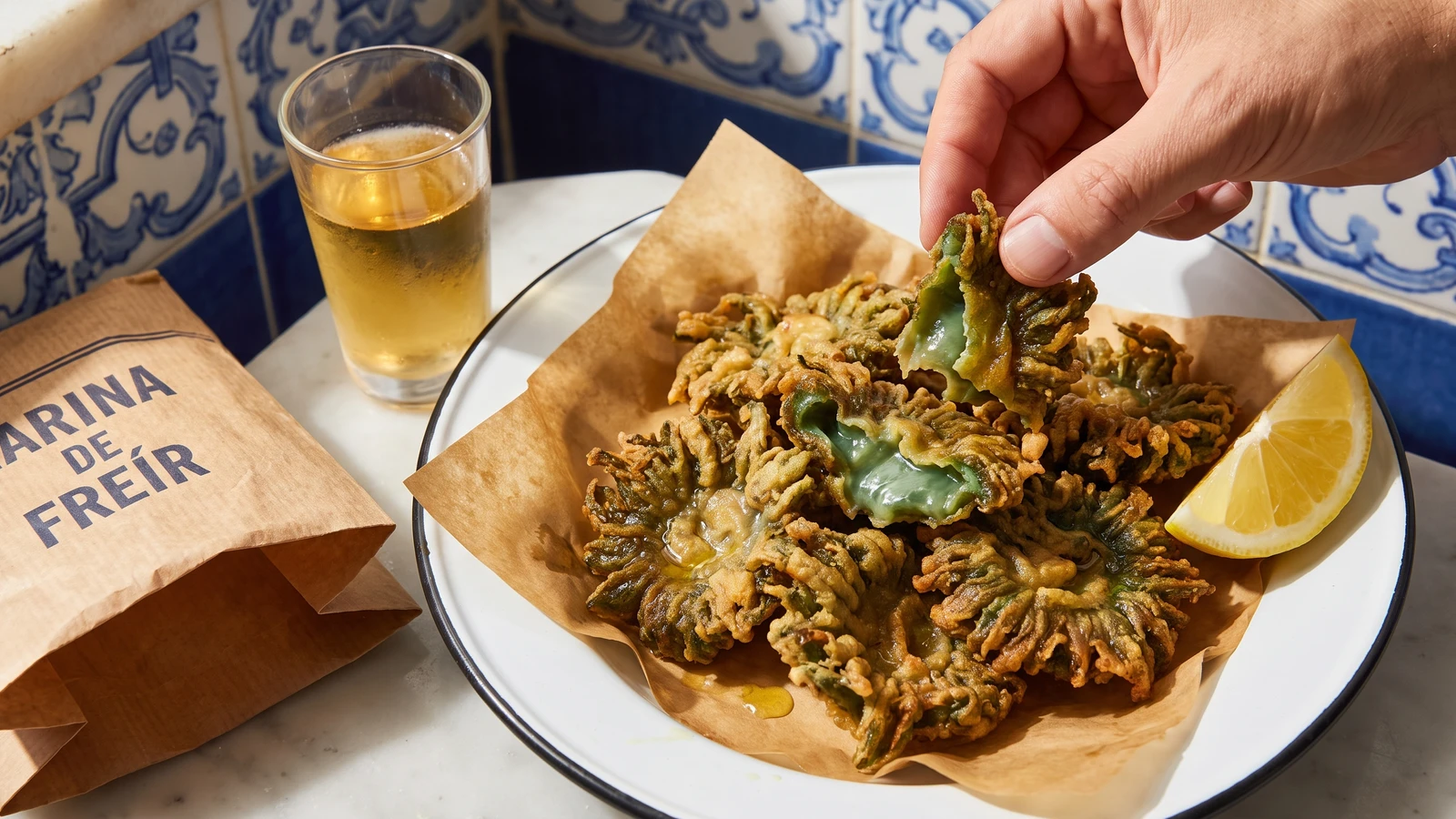
These Cádiz sea anemones need almost nothing: no salt, no batter, just a dry flour coat and oil hot enough to crisp the ridges before the briny centre tightens.
Ortiguillas fritas de Cádiz are the taste of the Atlantic in one dangerous-looking little bite: sea anemones, cleaned, drained, dusted in flour, and dropped into very hot oil until the outside is crisp and the middle turns to warm sea. Esto es de Cádiz, no de "España" a secas. The dish is not dressed up. No batter, no salt, no sauce trying to talk over the thing you came for.
The method that decides it is dryness before heat. Ortiguillas carry seawater in their folds, and if you flour them wet or crowd the pan, the coating turns pasty and the oil drops. Drain them longer than feels necessary, flour them only at the last second, shake off every excess bit, then fry at 190°C. Hot oil crisps the flour before the centre has time to toughen. That's the trick, and it's enough.
If you are far from Cádiz, buy only food-grade ortiguillas from a fishmonger, fresh or frozen, and don't gather them yourself from rocks unless you truly know the water. If you can't get them, a kitchen in Cádiz would sooner fry puntillitas, tiny squid, or small pieces of choco, cuttlefish, in the same flour than pretend they are the same. You gain chew and lose that soft briny centre. Fresh shucked oysters are the closest in texture, but that is another dish and needs a pinch of salt.
Serve them plain, straight from the paper, while the ridges are still crisp and the inside is almost creamy. Lemon can sit on the side, but taste one before you drown it. My Margin for this recipe says only: no salt. The sea already did that work. Siempre sale, si lo sigues.
Ortiguillas fritas belong to the Bahía de Cádiz and the Andalusian Atlantic coast, where mariscadores gathered sea anemones from rocks and salt-marsh channels and brought them to the same fryers used for fritura gaditana. The name comes from ortiga, nettle, because the living anemone can sting the hand; once cleaned, floured, and fried hard, that warning turns into a briny bite prized in Cádiz. Inland cooks knew them more as a coastal rarity than a household staple, because the ingredient is perishable and the dish gives no cover to poor sourcing.
Quantity
400g
fresh or thawed, rinsed quickly and drained
Quantity
150g
or 110g plain flour mixed with 40g fine semolina
Quantity
750ml
for frying
Quantity
1
cut into wedges
| Ingredient | Quantity |
|---|---|
| cleaned food-grade ortiguillas (sea anemones)fresh or thawed, rinsed quickly and drained | 400g |
| harina de freír (Andalusian frying flour)or 110g plain flour mixed with 40g fine semolina | 150g |
| mild olive oilfor frying | 750ml |
| lemon (optional)cut into wedges | 1 |
Put on gloves if the ortiguillas are fresh and still lively. Rinse them quickly in a bowl of very cold water, lifting them out so any grit stays behind, and repeat once only if you see sand. Do not soak them. Set them in a sieve for 15 minutes, then lay them on kitchen paper and pat gently. They should feel damp and slippery, not dripping.
Pour the olive oil into a heavy pan so it is about 5cm deep and heat it to 190°C. Set a wire rack or a plate lined with kitchen paper beside the stove. Put the flour in a wide shallow dish. Have everything ready before you flour the ortiguillas, because once they are coated they must go straight into the oil.
Work with one small handful at a time. Drop the ortiguillas into the flour, toss them gently, then lift them into a sieve and shake off the excess until only a thin coat clings. Pésalo, no lo adivines: too much flour makes a paste, too little leaves the outside bare. The right coat is dusty and light.
Slide 6 to 8 floured ortiguillas into the oil, lowering them away from you because they may spit at first. Fry for 60 to 90 seconds, just until the ridges look crisp and the colour deepens to golden-green and bronze. Do not chase a dark crust. The prize is the contrast: crisp outside, soft briny centre.
Lift the ortiguillas out with a spider or slotted spoon and drain for 30 seconds. Do not salt them. Serve immediately, with lemon on the side if you like, but taste one plain first. Ortiguillas wait for nobody.
1 serving (about 120g)
Culinary guides, cultural storytelling, and the editorial depth that makes cooking meaningful.
Discover Culinary ExplorerChef Isabel
Acedías fritas belong to Cádiz: tiny wedge sole, salted, dusted in frying flour, and dropped into very hot olive oil so the rims crisp while the fish stays tender.
Chef Isabel
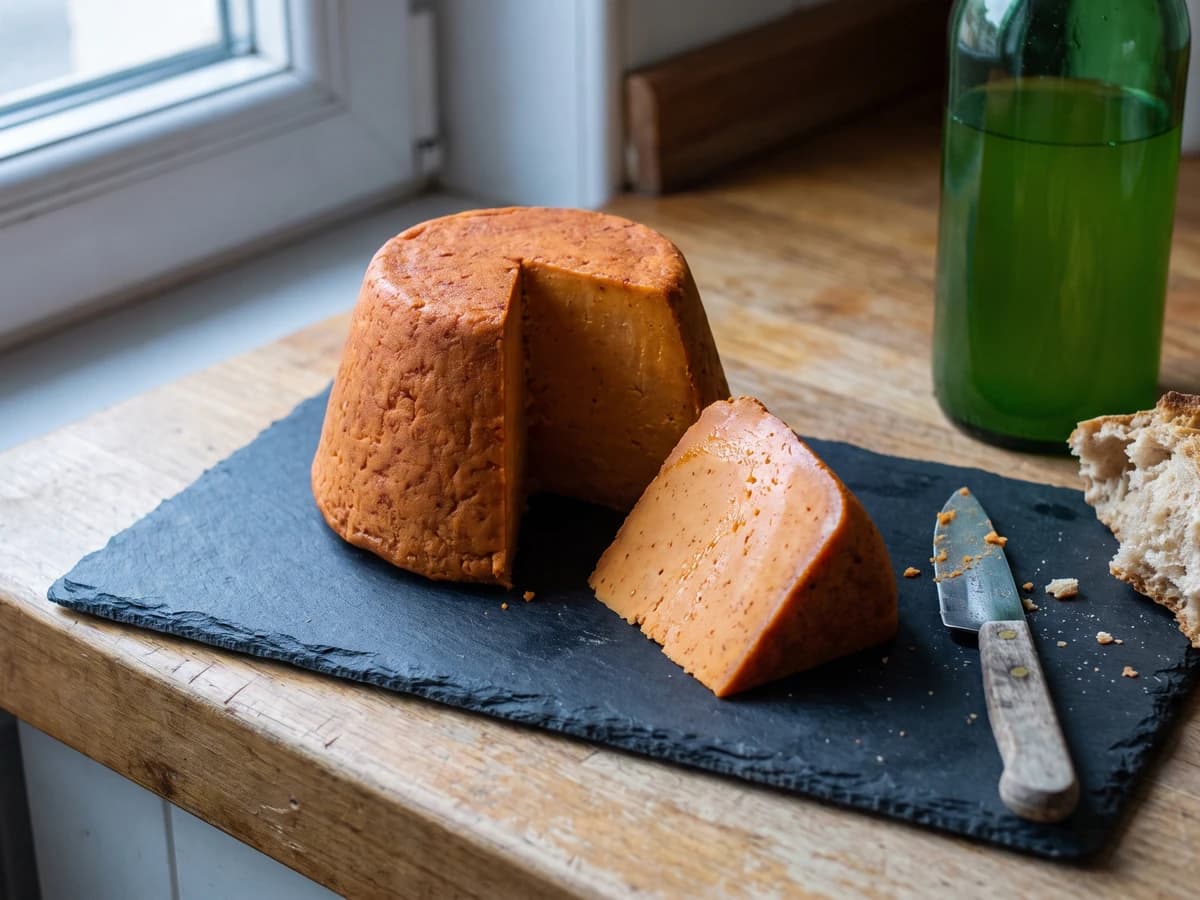
Afuega'l Pitu Roxu is Asturias in a small cheese: cow's milk set slowly to a dense curd, drained without squeezing, then kneaded with pimentón until it turns orange and grips the throat.
Chef Isabel
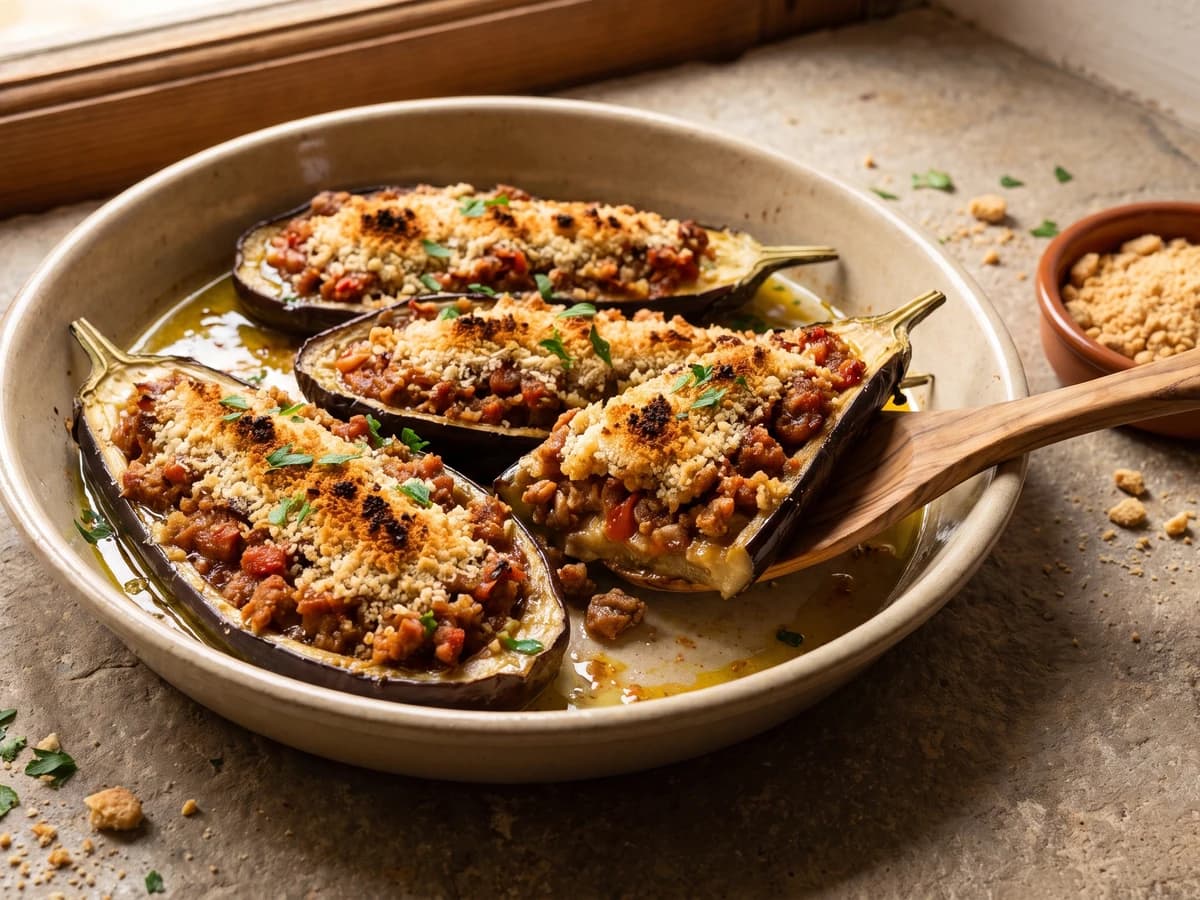
Albergínies farcides are Mallorca's summer stuffed aubergines: tender boiled shells, a slow pork sofrito with moraduix, and a plain breadcrumb cap baked until the top turns crisp and golden.

Chef Isabel
Carxofes farcides are Catalan stuffed artichokes: tender hearts filled with jamón, slow sweet onion, and breadcrumbs, then baked in a light creamy sauce until the tops turn golden.