
Chef Dean
Affogato
Hot espresso meets frozen gelato in a collision of temperature and texture that Italians perfected centuries ago. Two ingredients. Thirty seconds. A dessert worthy of standing ovations.
A cooking platform built around craft, culture, and the stories behind what we eat.
Created by
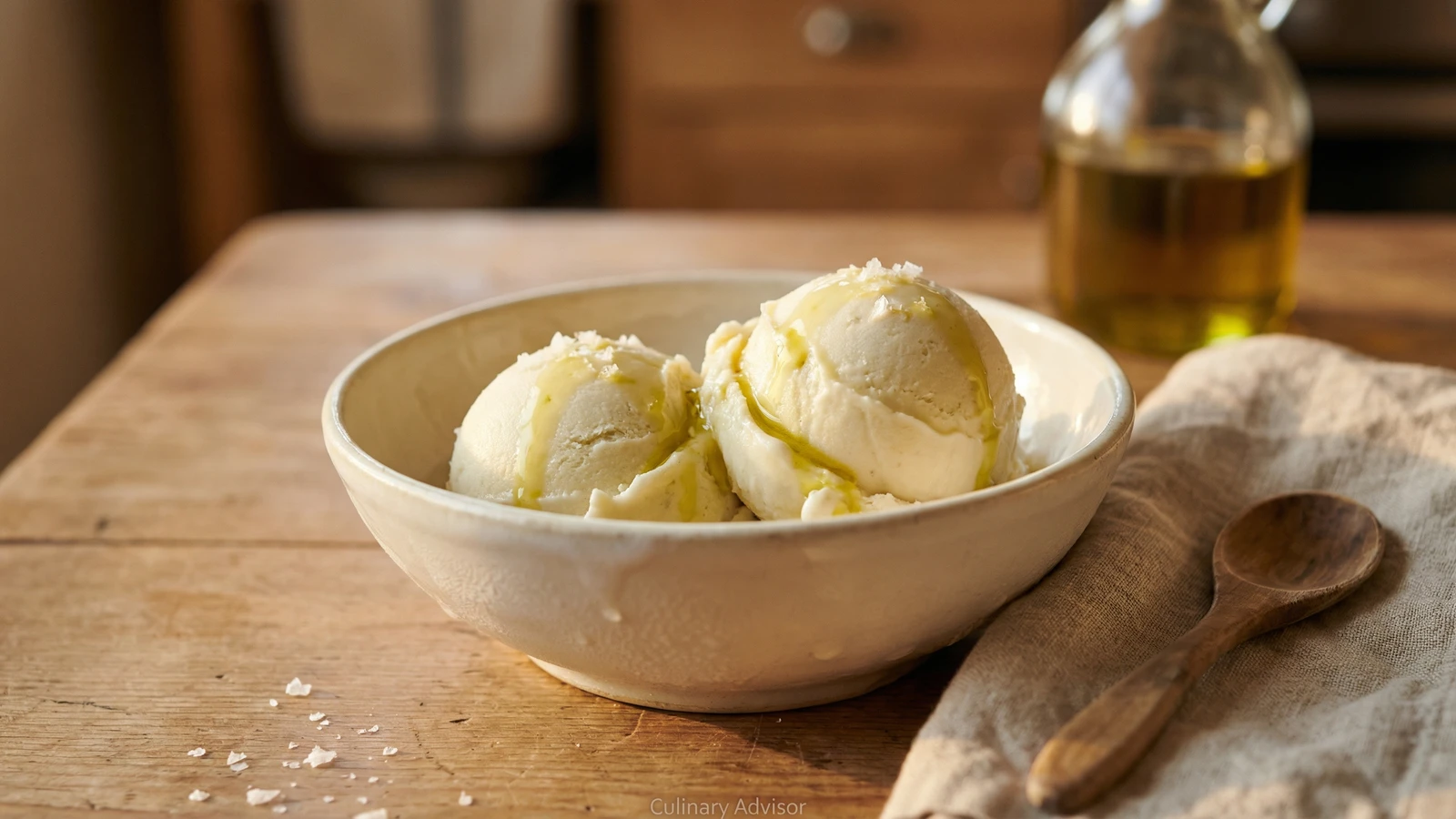
Silky frozen custard infused with grassy, peppery California olive oil, then finished with crystals of flaky sea salt that dissolve on your tongue and make the fruit of the olive sing.
Start with the oil. Not just any oil. A California extra virgin with that grassy punch, that peppery finish that catches in your throat. The kind of oil you would drizzle over bread and call it dinner. This is what you are freezing. This is the whole point.
Gelato is simply a vehicle here. The egg custard carries the oil's flavor, the cold temperature suspresses nothing, and the salt at the end unlocks everything. I first tasted something like this in a small gelateria in Tuscany where the woman behind the counter made me close my eyes before the first bite. She wanted me to taste without expectation. When I opened them, I understood why olive oil deserves to be a dessert.
The technique is minimal. You are making a custard, stirring in good oil, and freezing it. What matters is what you start with. Find an oil pressed this season. Smell it before you buy it. It should remind you of cut grass, green tomatoes, something alive. Your choices shape the food system, and this gelato will taste like the care you took in choosing.
Quantity
2 cups
Quantity
1 cup
Quantity
3/4 cup, divided
Quantity
5
Quantity
1/4 teaspoon
Quantity
1/2 cup
high-quality, preferably California or Tuscan
Quantity
for finishing
such as Maldon or Jacobsen
| Ingredient | Quantity |
|---|---|
| whole milk | 2 cups |
| heavy cream | 1 cup |
| granulated sugar | 3/4 cup, divided |
| large egg yolks | 5 |
| fine sea salt | 1/4 teaspoon |
| extra virgin olive oilhigh-quality, preferably California or Tuscan | 1/2 cup |
| flaky sea saltsuch as Maldon or Jacobsen | for finishing |
Combine the milk, cream, and half the sugar in a medium saucepan. Set it over medium heat and stir occasionally until the sugar dissolves and the mixture steams gently, just below a simmer. Do not let it boil. You want warmth, not violence.
While the milk warms, whisk the egg yolks with the remaining sugar and fine sea salt in a bowl until pale and slightly thickened. This takes about two minutes of steady whisking. The color will shift from deep orange to a soft yellow.
Slowly pour about half a cup of the warm milk mixture into the yolks, whisking constantly. This brings the eggs up to temperature gently so they do not scramble. Then pour the tempered yolks back into the saucepan with the rest of the milk, whisking as you go.
Return the saucepan to medium-low heat. Stir constantly with a wooden spoon or silicone spatula, making sure to scrape the bottom and corners where eggs like to set. Cook until the custard thickens enough to coat the back of the spoon, about 8 to 10 minutes. When you draw a line through it with your finger, the line should hold. The temperature should reach 170 degrees if you are measuring.
Pour the custard through a fine-mesh strainer into a clean bowl to catch any bits of cooked egg. Press the custard through with a spatula. You want silk, not texture. Set the bowl over an ice bath if you have one, or simply let it cool to room temperature, stirring occasionally.
Once the custard has cooled to room temperature, pour in the olive oil in a slow stream while whisking steadily. The mixture will emulsify, turning slightly paler and more opaque. Taste it now. You should get the grassy, peppery notes of the oil coming through the sweet cream. This is what you are freezing. If the oil does not taste alive, the gelato will not either.
Cover the bowl and refrigerate for at least 4 hours, preferably overnight. Cold custard freezes faster in the machine, which means smaller ice crystals and a smoother texture. Do not skip this step.
Pour the chilled custard into your ice cream maker and churn according to the manufacturer's instructions, usually 20 to 25 minutes. The gelato is ready when it holds soft peaks and pulls away from the sides of the bowl. It will still be soft, like thick soft-serve.
Transfer the churned gelato to a freezer-safe container, pressing plastic wrap directly onto the surface to prevent ice crystals. Freeze for at least 2 hours until firm enough to scoop but still yielding. Gelato is meant to be served softer than American ice cream.
Scoop the gelato into small bowls or cups. Drizzle each portion with a thread of your best olive oil. Scatter a few flakes of sea salt over the top. Serve immediately. The salt dissolves as you eat, creating little bursts of salinity that make the olive oil flavor bloom. This is the moment.
1 serving (about 125g)
Culinary guides, cultural storytelling, and the editorial depth that makes cooking meaningful.
Discover Culinary ExplorerChef Dean
Hot espresso meets frozen gelato in a collision of temperature and texture that Italians perfected centuries ago. Two ingredients. Thirty seconds. A dessert worthy of standing ovations.

Chef Dean
Layers of espresso-soaked ladyfingers and cloud-like mascarpone cream, dusted with bittersweet cocoa. This is the dessert that makes hosts look brilliant and requires nothing more than a whisk and good ingredients.
Chef Ally
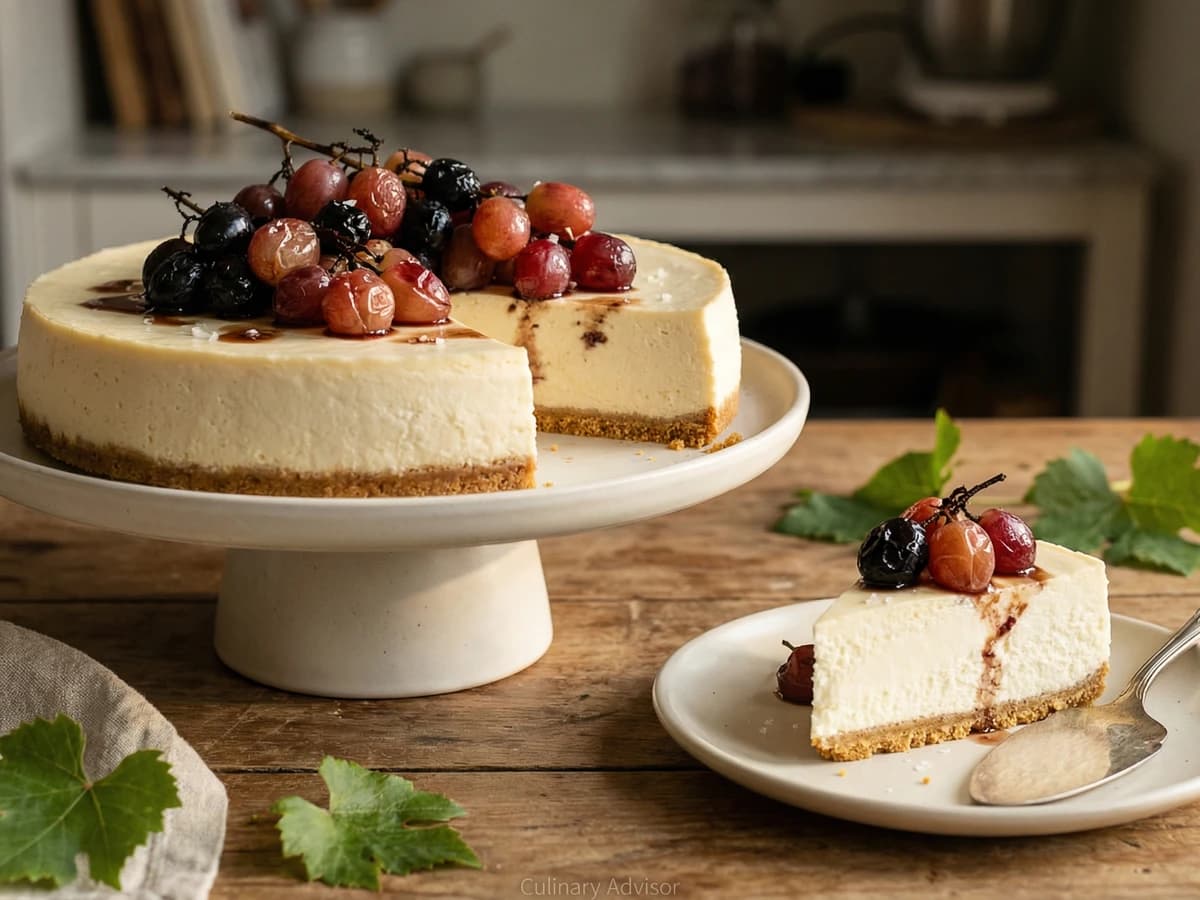
A cloud of Italian mascarpone set over a buttery crust, crowned with clusters of roasted autumn grapes that have surrendered their sweetness to the heat and emerged caramelized, bursting, and deeply alive.

Chef Ally
Shards of frozen Meyer lemon that shatter on the tongue, lifted by the unexpected green of fresh basil, proof that winter citrus needs almost nothing to become a perfect ending.