Culinary Explorer

A cooking platform built around craft, culture, and the stories behind what we eat.
Discover Culinary Explorer
Nisyros Triantafyllada (Τριανταφυλλάδα Νισύρου)

Nisyros Triantafyllada (Τριανταφυλλάδα Νισύρου)

Created by

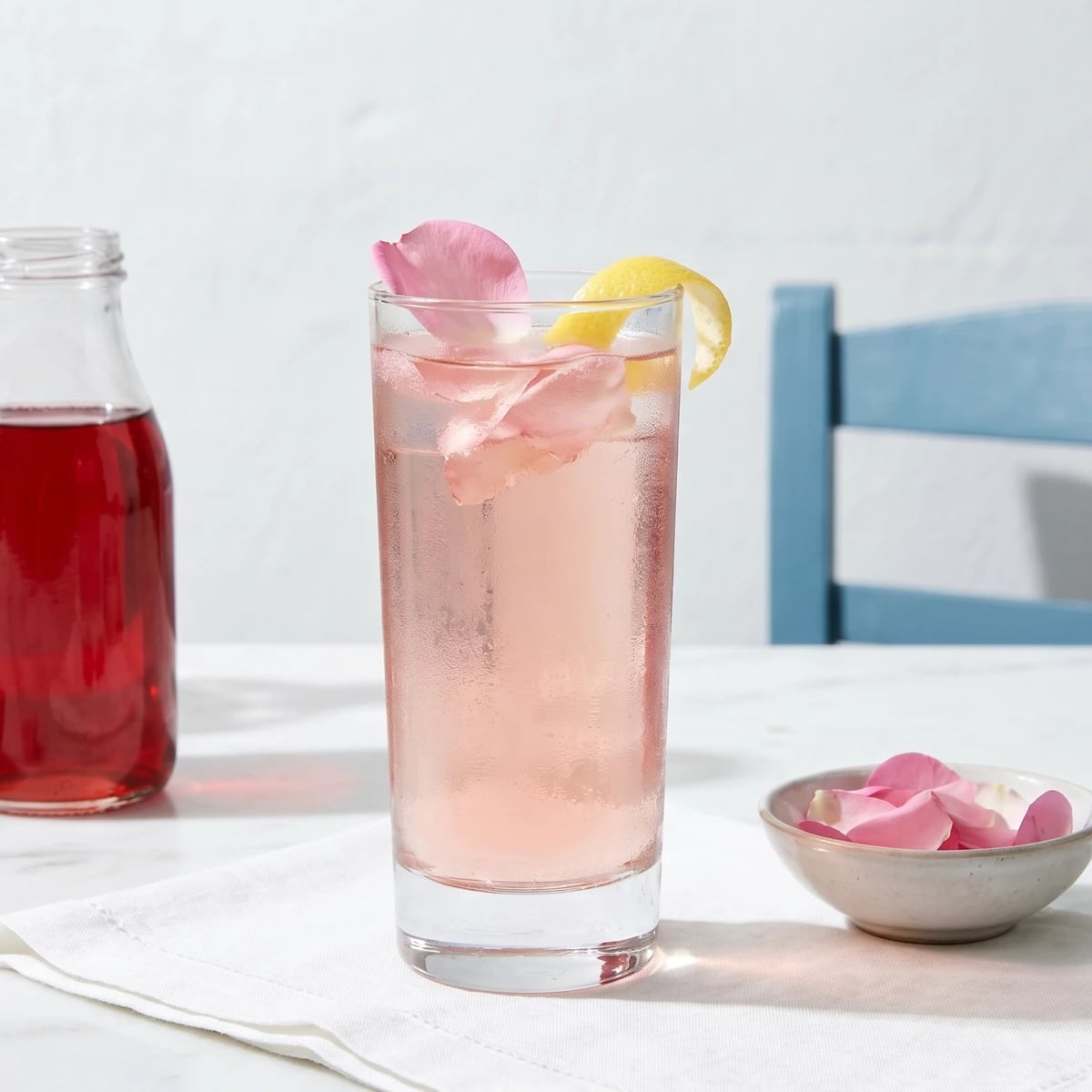
Nisyros triantafyllada is rose perfume caught in syrup: pale pink, cold, and clean, made only when the roses smell strong enough to carry the glass.

Beverages
Greek
Celebration
Outdoor Dining
35 min
Active Time
20 min cook24 hr 55 min total
YieldAbout 1 liter syrup, enough for 16 to 20 glasses

Triantafyllada belongs to Nisyros in the Dodecanese, a rose cordial made from scented petals, sugar, lemon, and water, then served by the spoonful in a cold glass. It is not lemonade with a perfume added. The rose is the drink.

The whole recipe depends on the petals. They must be unsprayed, deeply fragrant roses, gathered in the cool of the morning, with the bitter white heels pinched away. Sugar draws out their color and scent before the syrup is cooked gently. If the roses smell faint in your hand, they will taste faint in the glass. Λίγα και καλά.

Serve it diluted with very cold water, usually 1 part syrup to 5 or 6 parts water, with ice if the day is heavy. I keep the syrup clear and simple, because that is the point: the island rose, saved for later, without pretending to be anything else.

Triantafyllada is recorded in the household sweet and cordial traditions of Nisyros and the wider Dodecanese, where rose petals were preserved in sugar during the short spring bloom. In island kitchens, such syrups were offered to guests with cold water, beside spoon sweets and coffee, before bottled refreshments became ordinary. The method belongs to a Greek habit of preserving fragrance as much as fruit: rose, bitter orange blossom, mastic, and citrus peel all had their season and their jar.

The technique, the tradition, and the story behind every dish.

Discover Culinary Explorer

Ingredients

unsprayed fragrant rose petals

Quantity

80g

white bitter bases removed

granulated sugar

Quantity

800g

water

Quantity

600ml

fresh lemon juice

Quantity

60ml

strained

lemon peel (optional)

Quantity

1 strip

yellow part only

Equipment Needed

  • fine sieve lined with muslin or a coffee filter
  • nonreactive glass or ceramic bowl, 2 liter
  • sterilized glass bottles or jars, total capacity 1 liter

Instructions

  1. 1

    Prepare the petals

    Shake the roses gently to remove any insects, then pull off the petals. Pinch away the small white base from each petal if it is thick or bitter. Do not wash the petals unless you must; if they are dusty, rinse them very quickly in cold water and dry them well on a clean towel.

  2. 2

    Macerate overnight

    Put the petals in a nonreactive bowl with 300g of the sugar and 30ml of the lemon juice. Rub them lightly between your fingers until they darken, soften, and begin to smell like rose water. Cover and leave at cool room temperature for 12 to 24 hours.

    This is the step that decides the drink. Sugar pulls the scent and color from the petals before heat can flatten them.
  3. 3

    Cook the syrup

    Combine the remaining 500g sugar with 600ml water in a saucepan. Bring to a gentle boil, stirring only until the sugar dissolves. Add the macerated petals, their juices, the remaining 30ml lemon juice, and the lemon peel if using.

  4. 4

    Simmer gently

    Lower the heat and simmer for 15 to 20 minutes, until the syrup looks clear and lightly pink and the petals have given up their color. Do not boil it hard. Rose is delicate, and a rough boil gives you sweetness without grace.

  5. 5

    Strain and bottle

    Strain through a fine sieve lined with clean muslin or a coffee filter, pressing only lightly. Pour the hot syrup into sterilized bottles or jars and seal. Let it cool completely, then refrigerate.

  6. 6

    Serve cold

    For each glass, stir 30ml to 40ml syrup into 180ml to 220ml very cold water. Add ice if you like. Taste before adding more syrup; triantafyllada should smell of roses first and sugar second.

Chef Tips

  • Use roses you would put your nose into twice. Damask, old garden, or deeply scented pink roses are right. Florist roses are not food, and most have been sprayed.
  • The syrup keeps about 1 month in the refrigerator once opened. For longer storage, pour it into sterilized bottles while hot and keep it sealed in a cool, dark place.
  • Serve it after a summer meal, with almond sweets or spoon sweets. It is also nistisimo, naturally, so it belongs easily on a fasting table.

Advance Preparation

  • Begin the petals 12 to 24 hours before cooking the syrup; the maceration is where the rose gives itself.
  • The finished syrup is best chilled for at least 4 hours before serving.

Frequently Asked Questions

Nutrition Information

1 serving (about 250g)

Calories
175 calories
Total Fat
0 g
Saturated Fat
0 g
Trans Fat
0 g
Unsaturated Fat
0 g
Cholesterol
0 mg
Sodium
2 mg
Total Carbohydrates
45 g
Dietary Fiber
0 g
Sugars
45 g
Protein
0 g

Note: Chef personas and recipes are created with AI assistance. Cook with care: follow safe food-handling practices, check doneness with a thermometer when needed, and adapt for allergies and your kitchen.

Where cooking meets culture.

Culinary guides, cultural storytelling, and the editorial depth that makes cooking meaningful.

Discover Culinary Explorer

More from Greek Drinks: Coffee, Herbal Teas & Refreshers

Browse the full collection