Culinary Explorer

A cooking platform built around craft, culture, and the stories behind what we eat.
Discover Culinary Explorer
Mulligatawny

Mulligatawny

Created by Chef Thomas

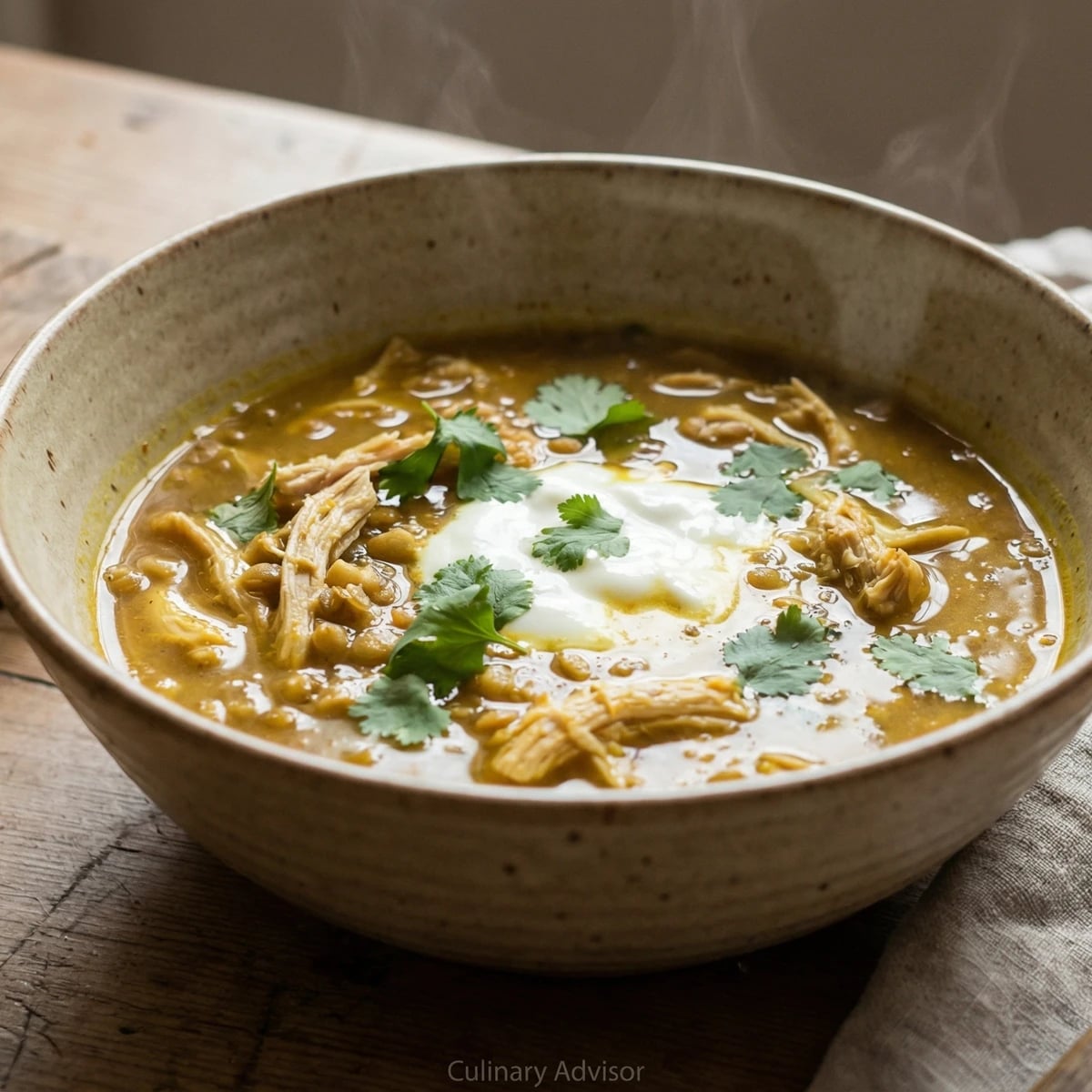
A bowl of spiced, golden broth thickened with lentils and apple, the kind of soup that crossed an ocean two centuries ago and found its way into the British kitchen because it belonged there.

Soups & Stews
British
Weeknight
Comfort Food
20 min
Active Time
50 min cook1 hr 10 min total
Yield4 servings

The wind changed last week. Not dramatically, but enough that you noticed. The mornings are darker. The garden has given up on summer and started thinking about root vegetables. That's when this soup starts making sense.

Mulligatawny came from India to Britain by way of homesick officers and their cooks, and somewhere in the crossing it became something else entirely. The Tamil original, milagu tannir, means pepper water. What arrived in English kitchens kept the warmth but added lentils, apple, cream, whatever the larder suggested. Two hundred years of adaptation, and now it belongs here as much as it ever belonged anywhere. I won't pretend this is an Indian recipe. It isn't. It's a British one, with Indian memory running through it like a thread.

I make it when the first proper cold arrives, usually October, sometimes late September if the year turns early. The spices fill the kitchen with the kind of warmth that central heating can't replicate. The lentils dissolve into the broth and thicken it. The apple, a good sharp Bramley, gives it a sweet-sour quality that stops the whole thing feeling heavy. Chicken thighs cooked on the bone and then shredded back through. It's a generous bowl. The kind you eat slowly, both hands round the warm stoneware, while the evening settles in around you.

I wrote it down in the notebook years ago: "Mulligatawny. Tuesday. October rain. Fed four. Silence at the table, which is the best review a soup can get."

The technique, the tradition, and the story behind every dish.

Discover Culinary Explorer

Ingredients

unsalted butter

Quantity

2 tablespoons

sunflower or vegetable oil

Quantity

1 tablespoon

onion

Quantity

1 large

finely chopped

celery

Quantity

2 sticks

finely chopped

carrot

Quantity

1 medium

peeled and finely chopped

garlic

Quantity

3 cloves

sliced

fresh ginger

Quantity

thumb-sized piece

peeled and grated

medium curry powder

Quantity

1 tablespoon

ground coriander

Quantity

1 teaspoon

ground cumin

Quantity

half a teaspoon

ground turmeric

Quantity

quarter teaspoon

cayenne pepper

Quantity

pinch

red lentils

Quantity

100g

rinsed

Bramley apple

Quantity

1 large

peeled, cored, and roughly chopped

chicken stock

Quantity

1 litre

chicken thighs

Quantity

2

bone-in, skin-on

lemon juice

Quantity

1 tablespoon

fine sea salt

Quantity

to taste

black pepper

Quantity

to taste

fresh coriander leaves (optional)

Quantity

small handful

natural yoghurt (optional)

Quantity

to serve

Equipment Needed

  • Heavy-bottomed saucepan or stockpot
  • Stick blender
  • Ladle

Instructions

  1. 1

    Build the base

    Melt the butter with the oil in a heavy-bottomed pan over a medium heat. When the butter foams, add the onion, celery, and carrot with a good pinch of salt. Stir them through the fat and turn the heat down. Let them soften for eight to ten minutes, stirring occasionally, until the onion is translucent and the kitchen starts to smell sweet and calm. No colour. Patience here pays for everything that follows.

    Butter and oil together. The butter gives flavour and the oil stops it burning. A small thing that makes a real difference when you are cooking onions slowly.
  2. 2

    Toast the spices

    Add the garlic and ginger and stir for a minute until fragrant. Then add the curry powder, ground coriander, cumin, turmeric, and cayenne. Stir everything through the softened vegetables and let the spices cook in the fat for a full two minutes. You will know when they are ready because the smell will change, from raw and dusty to warm and round, something you want to lean into rather than pull back from. Trust your nose. It knows before you do.

  3. 3

    Add lentils, apple, stock

    Tip in the red lentils and the chopped apple. Stir them through the spiced vegetables so everything is coated. Pour in the stock and nestle the chicken thighs into the liquid, skin side up. Bring to a gentle simmer. Not a rolling boil. A quiet, steady blip. Put a lid on, slightly ajar, and let it cook for thirty-five to forty minutes. The lentils will dissolve into the broth, the apple will fall apart, and the chicken will be tender enough to pull from the bone without any resistance.

    Bone-in, skin-on thighs give the broth body and richness that breast meat never will. The bones do quiet work while you do something else.
  4. 4

    Shred the chicken

    Lift the chicken thighs out onto a board. They will be very soft. Let them cool for a minute, then pull the meat from the bones in rough shreds, discarding the skin and bones. Set the shredded chicken aside.

  5. 5

    Blend and finish

    Blend about half the soup with a stick blender, leaving the rest chunky. This gives you a broth that is thick enough to feel substantial but still has texture, somewhere between a smooth soup and a stew. Stir the shredded chicken back in. Add the lemon juice, then season with salt and pepper. Taste it. The lemon should brighten everything without announcing itself. If the soup tastes flat, it needs more salt. If it tastes dull, more lemon. Season and taste. Then taste again. Ladle into warm bowls. A spoonful of yoghurt, a scattering of coriander leaves if you have them, and bread on the side.

Chef Tips

  • The apple is not negotiable. A sharp cooking apple, a Bramley if you can get one, dissolves into the broth and gives mulligatawny its particular character: that quiet, fruity sourness beneath the spice. An eating apple won't do the same job. It will hold its shape and taste sweet rather than tart. You need the apple to vanish and leave its flavour behind.
  • Use a curry powder you trust, or make your own if the mood takes you. But this is a weeknight soup, not a project. A good-quality medium powder from a jar is what this recipe was built on. I keep one in the cupboard that I've used for years. Find yours.
  • Don't blend all of it. Half and half gives you the best of both: a broth thick enough to coat the back of a spoon, with enough texture to make each mouthful interesting. A completely smooth mulligatawny loses its soul.
  • This soup improves overnight. The spices settle and deepen. If you can make it the day before you want it, the second bowl will be better than the first. Reheat gently and add a splash of water or stock if it has thickened in the fridge.

Advance Preparation

  • The soup can be made up to three days ahead and refrigerated. It thickens as it sits. Add a splash of stock when reheating and check the seasoning, as cold dulls the spices.
  • Freezes well for up to three months. Defrost overnight in the fridge and reheat gently on the hob.

Frequently Asked Questions

Nutrition Information

1 serving (about 450g)

Calories
350 calories
Total Fat
16 g
Saturated Fat
6 g
Trans Fat
0 g
Unsaturated Fat
9 g
Cholesterol
60 mg
Sodium
830 mg
Total Carbohydrates
32 g
Dietary Fiber
6 g
Sugars
9 g
Protein
20 g

Note: Chef personas and recipes are created with AI assistance. Cook with care: follow safe food-handling practices, check doneness with a thermometer when needed, and adapt for allergies and your kitchen.

Where cooking meets culture.

Culinary guides, cultural storytelling, and the editorial depth that makes cooking meaningful.

Discover Culinary Explorer

More from British Soups

Browse the full collection