Chef Juliana
Abobrinha Refogada
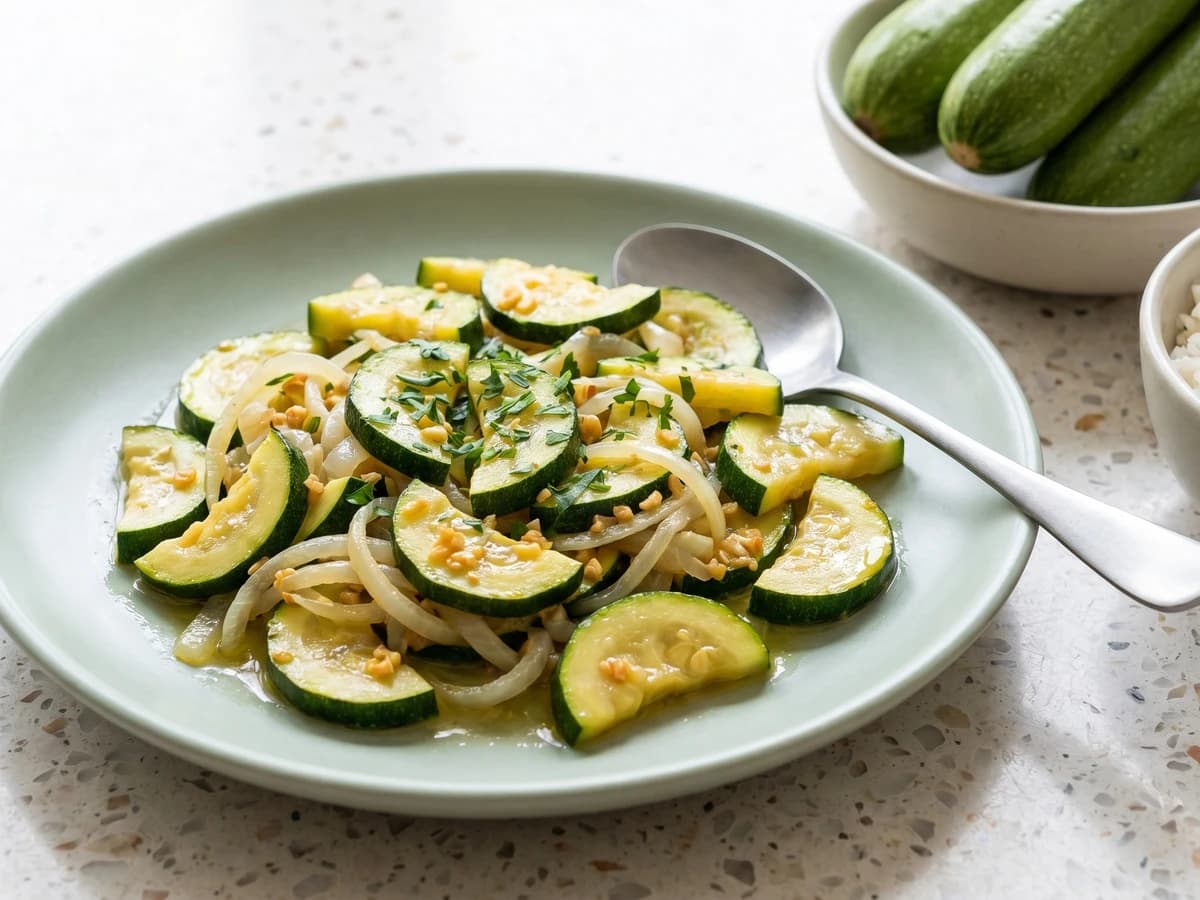
You think you'll turn zucchini into mush. Fine. Anota aí: high heat, wide pan, salt at the end, and suddenly this little green side starts solving dinner.
A cooking platform built around craft, culture, and the stories behind what we eat.

Created by
You think a clay-pot moqueca belongs to someone else's kitchen. Wrong. Ripe plantain, tomato, onion, coentro, and urucum make the side that turns rice and fish into dinner.
You hear panela de barro and moqueca and the quiet voice starts: "isso não é pra mim." It is. A gente is not opening a restaurant, we're resolving dinner with ripe plantain, tomato, onion, garlic, limão, coentro, and urucum in oil. Cozinhar não é dom, é um aprendizado. This one is a very kind lesson.
This side belongs beside a Capixaba moqueca, with arroz soltinho to catch the sauce, feijão if the table is doing the full pê-efe, fish in the pot, and something green. Banana-da-terra turns sweet and soft in the same fresh base, and suddenly the cheapest thing on the plate is the one everyone keeps spooning up. That is comida de verdade: not fancy, not mysterious, just reachable.
The method matters because it protects the food. Urucum stains the oil that warm orange-red, not dendê, and that difference is not a missing ingredient, it's the Capixaba definition. You soften the onion until it goes quiet, wake the garlic for a minute, let the tomato sag into sauce, then layer the plantain and leave it alone. Stirring breaks what you're trying to keep whole. I learned that the annoying way, with a pot of sweet mush and a face full of confidence.
Use the black panela de barro from Goiabeiras if you have one. Most of us have a heavy pot and bills to pay, so anota aí: a wide pot with a lid will work. The recipe works because the steps are plain, the measures are ordinary, and every rule has a reason beside it.
Espírito Santo's moqueca capixaba is tied to the black, unglazed panela de barro made by the Paneleiras de Goiabeiras, whose craft IPHAN registered as Brazilian intangible heritage in 2002. Its base is urucum-stained oil, tomato, onion, garlic, limão, and coentro, and it is defined by what it leaves out: no azeite de dendê, no coconut milk, no bell pepper. The saying "moqueca é capixaba, o resto é peixada" is Capixaba pride, not a historical ruling; Bahia and Pará carry their own moqueca traditions, and Espírito Santo also has muma de siri, a near-forgotten dish worth teaching back to the table.
Quantity
3 ripe but firm
peeled and cut into 1/2-inch diagonal slices
Quantity
2 tablespoons
Quantity
1 teaspoon
or 1 tablespoon whole annatto seeds
Quantity
1 medium, about 1 cup
thinly sliced
Quantity
3 cloves
minced
Quantity
2 medium, about 1 1/2 cups
chopped
Quantity
1/2 teaspoon, plus more to taste
Quantity
1/4 teaspoon
Quantity
1/2 cup
Quantity
1 tablespoon, plus wedges for serving
Quantity
1/4 cup
chopped
| Ingredient | Quantity |
|---|---|
| banana-da-terra (plantains)peeled and cut into 1/2-inch diagonal slices | 3 ripe but firm |
| mild olive oil or neutral oil | 2 tablespoons |
| pure ground urucum (annatto or colorau)or 1 tablespoon whole annatto seeds | 1 teaspoon |
| onionthinly sliced | 1 medium, about 1 cup |
| garlicminced | 3 cloves |
| ripe tomatoeschopped | 2 medium, about 1 1/2 cups |
| fine salt | 1/2 teaspoon, plus more to taste |
| freshly ground black pepper (optional) | 1/4 teaspoon |
| water, homemade fish broth, or broth from the main moqueca | 1/2 cup |
| fresh lime juice | 1 tablespoon, plus wedges for serving |
| coentro (cilantro)chopped | 1/4 cup |
Peel the plantains and cut them on a diagonal into 1/2-inch thick slices. Pick fruit with yellow peel and black spots, but flesh that still resists the knife a little. Green banana-da-terra stays hard and starchy here; black-soft fruit melts before the sauce catches it. Anota aí: ripe and firm.
Put a wide heavy pot over medium-low heat. Add the oil and the ground urucum, stirring for 30 seconds until the oil turns orange-red and smells warm and earthy. If it darkens fast or smells scorched, lower the heat. Urucum is the color marker of this Capixaba pot; it should tint the oil, not burn at the bottom.
Add the onion to the urucum oil and cook, stirring now and then, until soft and see-through, 4 to 5 minutes. Add the garlic and cook for 1 minute, just until you smell it. Garlic goes bitter when it burns, and bitterness has no shame, it will walk through the whole sauce.
Add the tomatoes, salt, and black pepper if using. Cook for about 5 minutes, pressing a few tomato pieces with the spoon, until the tomatoes slump and the edges of the pot look saucy. This is your refogado doing the work a packet wants to charge you for: sweetness, acidity, color, and body.
Lay the plantain slices over the tomato base in one snug layer, overlapping a little if needed. Pour the water or broth around the edge of the pot, not over the slices, so you don't wash the seasoning off the top. Cover and simmer over low heat for 8 to 10 minutes, until a fork slides in but each slice still has its shape.
Uncover and gently shake the pot by the handles to move the sauce. Don't stir unless one spot is catching; if you must, slide a spoon under the slices and turn them carefully. Capixaba moqueca is built in layers so fish stays whole, and the same good manners keep banana-da-terra from becoming sweet mush.
Turn off the heat. Squeeze the lime juice over the top, scatter the coentro, cover again, and rest for 5 minutes. The rest lets the plantain drink the sauce and lets the oil settle glossy on top. Taste the sauce, adjust the salt, and serve from the pot.
Spoon it beside moqueca capixaba, arroz soltinho, feijão, and couve or another green. Save the extra sauce for pirão or pour it over rice. Nothing here gets wasted, because wasting broth from a good refogado is kitchen nonsense.
1 serving (about 230g)
Culinary guides, cultural storytelling, and the editorial depth that makes cooking meaningful.
Discover Culinary ExplorerChef Juliana
You think you'll turn zucchini into mush. Fine. Anota aí: high heat, wide pan, salt at the end, and suddenly this little green side starts solving dinner.

Chef Juliana
You think this is sacred enough to be impossible. It isn't. Acaçá is patience, stirring, and ponto, taught plainly, with respect for the terreiros that carry it.
Chef Juliana
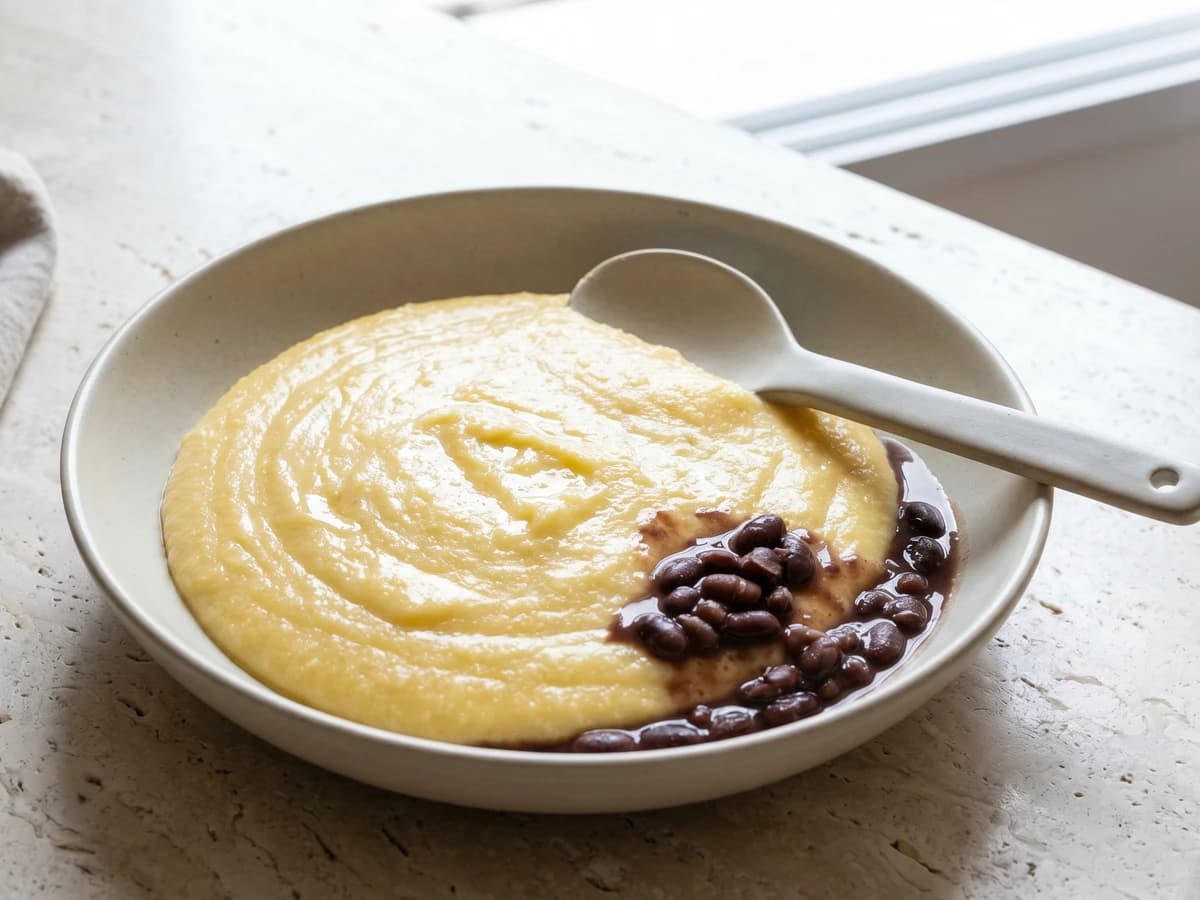
You think cornmeal will turn into lumps and shame. It won't. Cold water first, patient stirring, and a real garlic base give you angu that solves dinner.
Chef Juliana
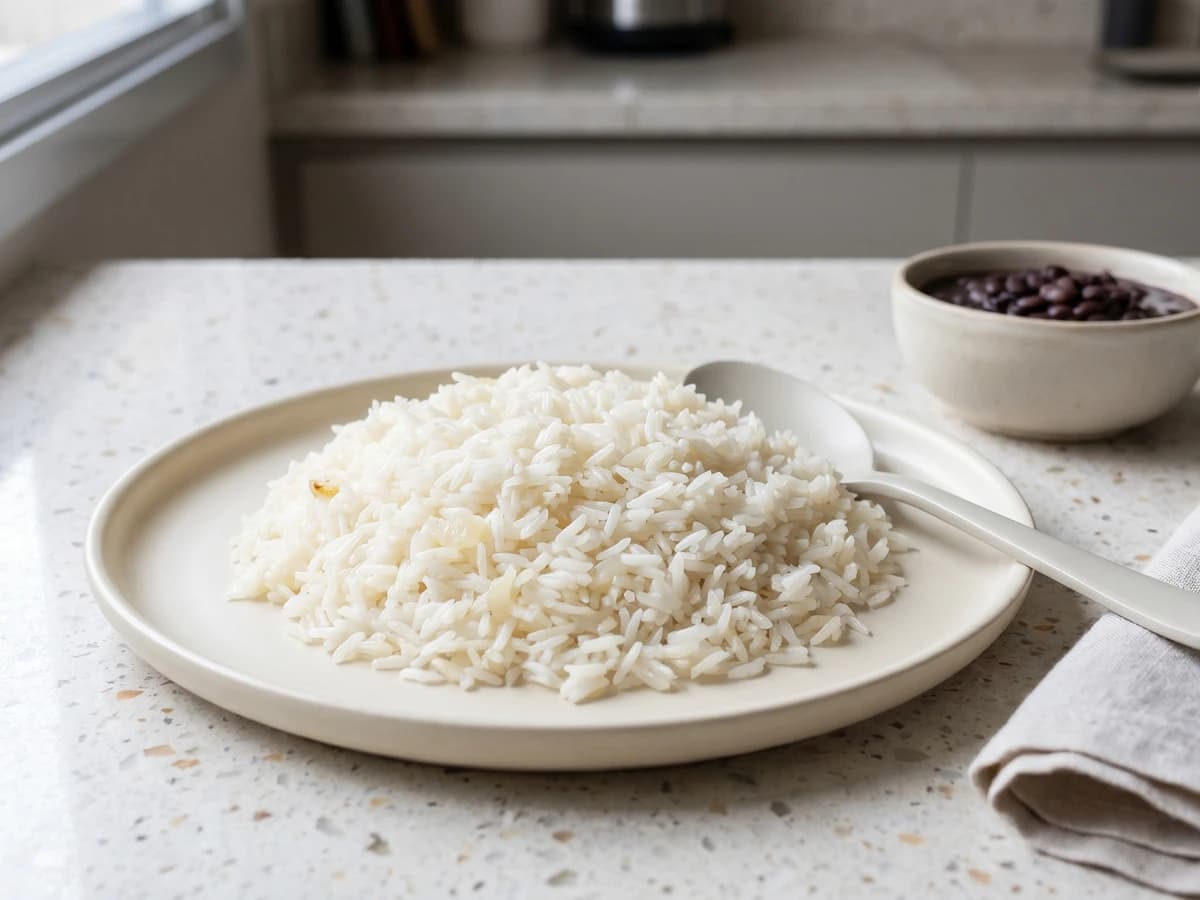
Everyone swears they can't make good rice. They're wrong. Refogue onion and garlic, use two parts water to one rice, then close the lid and leave the poor thing alone.