Chef Juliana
Abará
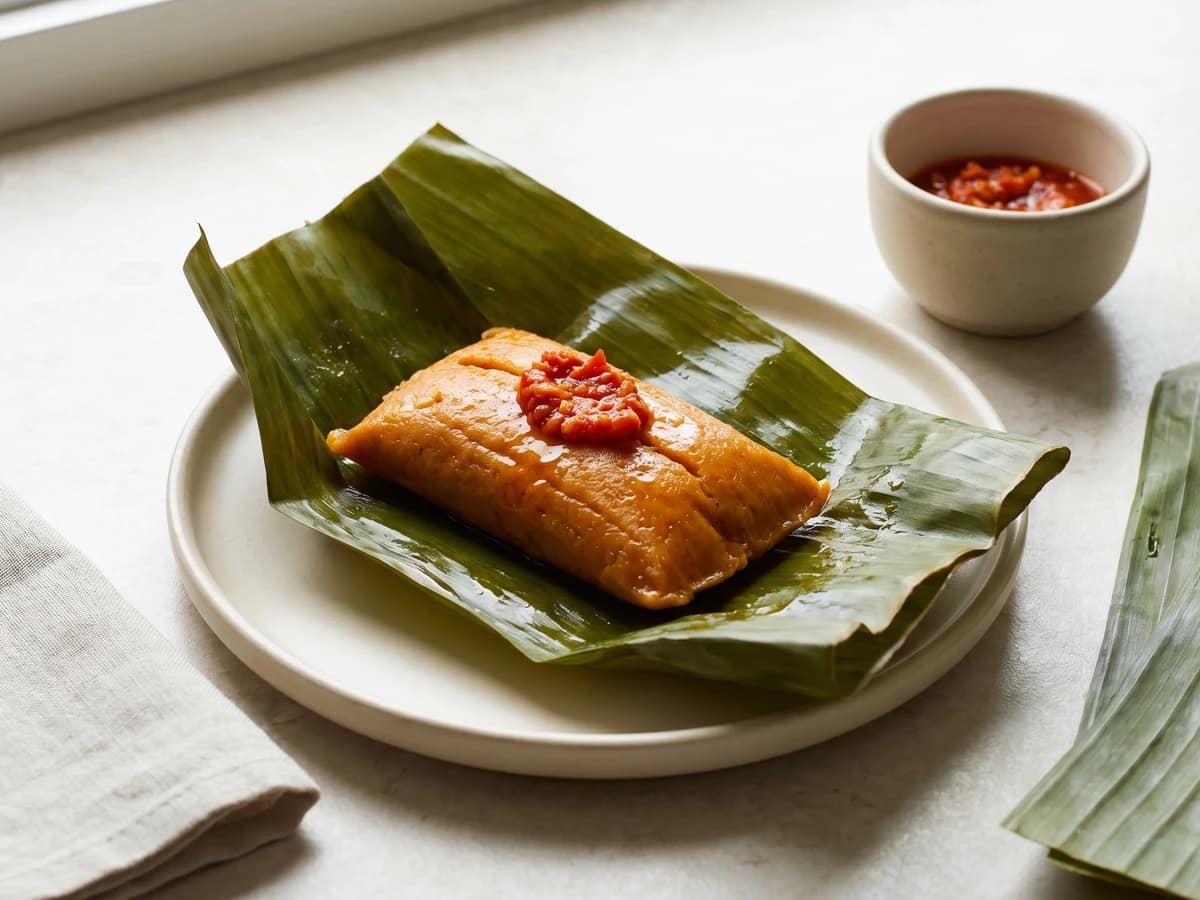
You think banana leaves and hand-whipped bean massa mean “isso não é pra mim.” Wrong. Soak, peel, beat, wrap, steam. Abará is learned by touch, not inherited by magic.
A cooking platform built around craft, culture, and the stories behind what we eat.

Created by
You think crab shells are restaurant food. They're not. Siri, a real refogado, urucum oil, and farinha turn into the little starter everyone fights over.
You look at a crab shell filled with siri and think, isso não é pra mim. I know. It looks like something somebody else knows how to make, somebody born holding a wooden spoon, which is nonsense. Cozinhar não é dom, é um aprendizado. Anota aí: this is a refogado with crab in it, not a secret society.
The method is small and honest. You soften onion until it murcha, let garlic smell alive but not burn, stain the oil with urucum, then fold in tomato, lime, coentro, and siri. The farinha is not filler. It binds the juices so the filling holds in the shell instead of turning watery. Too much and you get crab-flavored sand. A gente will not do that to dinner.
This sits beautifully before a pê-efe with arroz soltinho, feijão, and something green, or it can open a table with moqueca capixaba, rice, and pirão. It belongs to that same Espírito Santo way of treating seafood: fresh seasoning, urucum for color, no coconut milk, no azeite de dendê, no bell pepper. That absence is not a missing step. It's the definition.
Use real crab if you can. If Tuesday is being Tuesday, good frozen picked siri is the honest shortcut, thawed and squeezed dry. The powdered seafood seasoning can stay on the shelf pretending to help somebody else.
Casquinha de siri is part of Brazil's coastal seafood table, with Espírito Santo versions sharing the same Capixaba seasoning logic as moqueca: limão, alho, tomate, cebola, coentro, and urucum-stained oil. The black, unglazed panela de barro made by the Paneleiras de Goiabeiras was registered by IPHAN as Brazilian intangible heritage in 2002, and it remains the traditional vessel for Capixaba seafood stews, though casquinha itself is baked in shells or small dishes. The slogan "moqueca é capixaba, o resto é peixada" is Capixaba pride, not a court verdict; Bahia has its own dendê moqueca, and a serious cook can respect both without crowning a winner.
Quantity
2 cups
thawed if frozen and squeezed dry
Quantity
8
Quantity
2 tablespoons
Quantity
1 tablespoon
or 2 teaspoons plain colorau
Quantity
1 medium
finely chopped
Quantity
3 cloves
minced
Quantity
2 medium
seeded and finely chopped
Quantity
1 tablespoon
plus wedges for serving
Quantity
1/2 teaspoon, plus more to taste
Quantity
1/4 teaspoon
Quantity
1/3 cup
chopped, plus more for finishing
Quantity
1/4 cup, plus 2 tablespoons
divided
Quantity
2 tablespoons
melted
| Ingredient | Quantity |
|---|---|
| picked crab meat (siri)thawed if frozen and squeezed dry | 2 cups |
| clean crab shells or small ceramic ramekins | 8 |
| neutral oil or olive oil | 2 tablespoons |
| urucum seedsor 2 teaspoons plain colorau | 1 tablespoon |
| onionfinely chopped | 1 medium |
| garlicminced | 3 cloves |
| ripe tomatoesseeded and finely chopped | 2 medium |
| fresh lime juiceplus wedges for serving | 1 tablespoon |
| salt | 1/2 teaspoon, plus more to taste |
| black pepper | 1/4 teaspoon |
| fresh coentrochopped, plus more for finishing | 1/3 cup |
| farinha de mandiocadivided | 1/4 cup, plus 2 tablespoons |
| unsalted buttermelted | 2 tablespoons |
Heat the oven to 200°C (400°F). Pick through the siri with your fingers to catch any bits of shell, then press it gently in a clean towel or sieve until it feels damp, not wet. Wet crab waters down the refogado, and then people blame the farinha for what the crab did.
Warm the oil in a skillet over medium-low heat with the urucum seeds for 2 to 3 minutes, until the oil turns warm orange-red and smells faintly nutty. Strain out the seeds and return the oil to the pan. If using plain colorau, stir it into the warm oil for 20 seconds. Keep the heat gentle, because burnt urucum tastes bitter and drags the whole filling down.
Add the onion to the urucum oil and cook, stirring now and then, until it murcha and turns soft and see-through, about 5 minutes. Add the garlic for 1 minute, just until you smell it. This is the foundation, onion first, garlic second, because garlic burns before onion has time to sweeten.
Add the chopped tomatoes, salt, and black pepper. Cook until the tomato collapses and the pan looks glossy, about 6 to 8 minutes. You want the tomato to lose its raw edge and give its juice to the pan, because raw tomato makes the filling sharp in the wrong way.
Add the crab meat and fold gently for 2 to 3 minutes, just until it is hot through and coated in the refogado. Don't beat it around the pan. Siri is delicate, and if you mash it to threads, the filling loses the sweet little pieces everyone came for.
Turn the heat to low. Sprinkle in the 1/4 cup farinha a spoonful at a time, stirring after each addition, until the filling turns moist and spoonable and holds together for a second when you drag the spoon through it. Stop there. Farinha keeps the crab juices inside the shell, but too much makes it dry and dull.
Turn off the heat and stir in the lime juice and chopped coentro. Taste and correct the salt. The filling should be bright, savory, and crab-forward, with the lime waking it up at the end instead of cooking away in the pan.
Spoon the filling into the crab shells or ramekins. Mix the remaining 2 tablespoons farinha with the melted butter and scatter a thin layer over the top. Bake for 10 to 12 minutes, until the tops look golden in spots and the edges are glossy. You're not cooking the crab to death; you're setting the top and bringing everything together.
Finish with a little fresh coentro and serve with lime wedges. Eat while the filling is still soft and the top has a gentle crunch under the spoon. Put it beside rice, feijão, couve, or a pot of moqueca and pirão, because nothing on this table needs to perform alone.
1 serving (about 80g)
Culinary guides, cultural storytelling, and the editorial depth that makes cooking meaningful.
Discover Culinary ExplorerChef Juliana
You think banana leaves and hand-whipped bean massa mean “isso não é pra mim.” Wrong. Soak, peel, beat, wrap, steam. Abará is learned by touch, not inherited by magic.
Chef Juliana
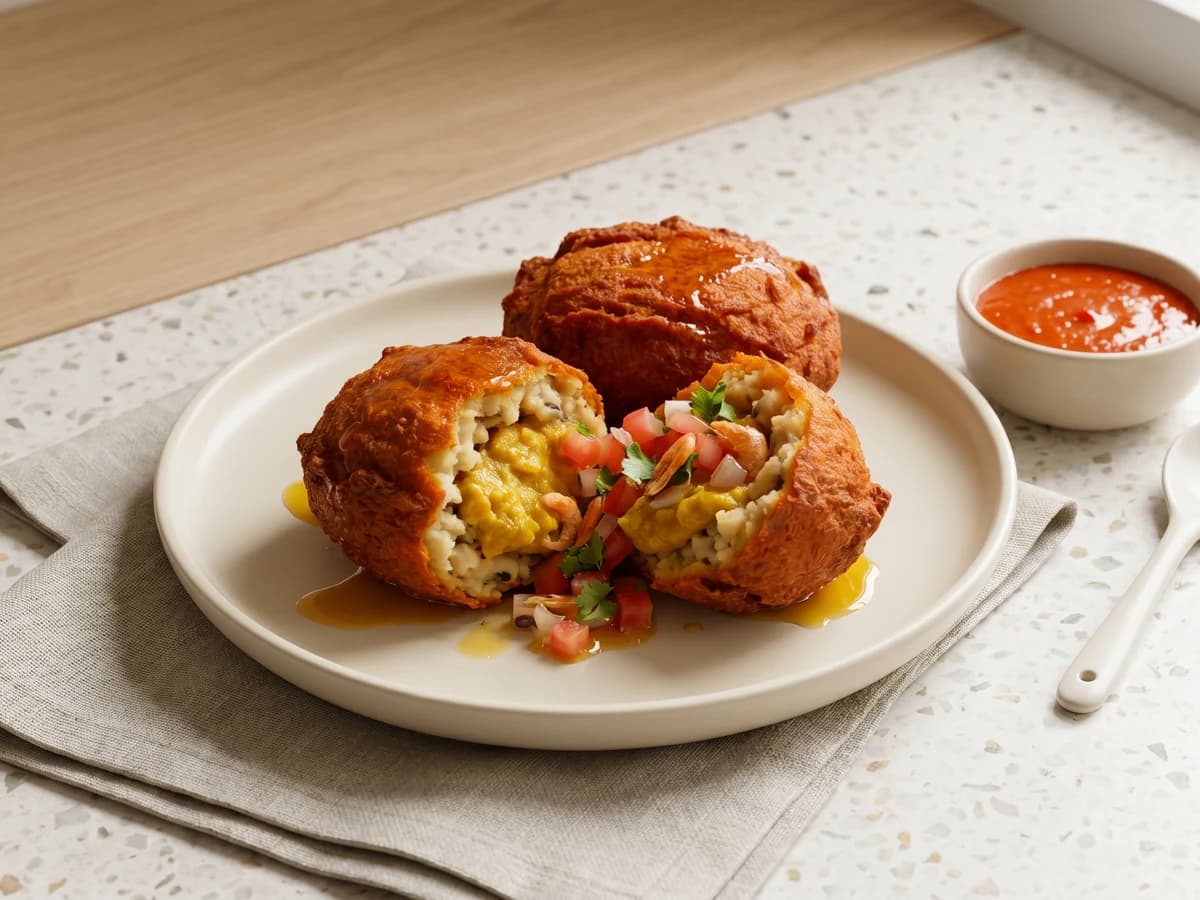
You think food of Iansã from the baianas' tabuleiro is not for your stove. Anota aí: soaked feijão-fradinho, real dendê, and hand-whipping make a home version learnable.

Chef Juliana
You think fried salgados belong to the birthday table you buy, not the one you make. Wrong. Learn the dough, seal the cheese, and the freezer starts working for you.

Chef Juliana
You think stuffed fried bolinhos are for the boteco cook, not your kitchen. Wrong. Mash the aipim warm, keep the filling dry, fry in small batches, and the tray disappears.