
Chef Juliana
Amalá de Xangô
You don't need mystery for this pot. You need okra, dendê, onion, dried shrimp, and the patience to stir until the quiabo gives up its own caldo.
A cooking platform built around craft, culture, and the stories behind what we eat.
Created by
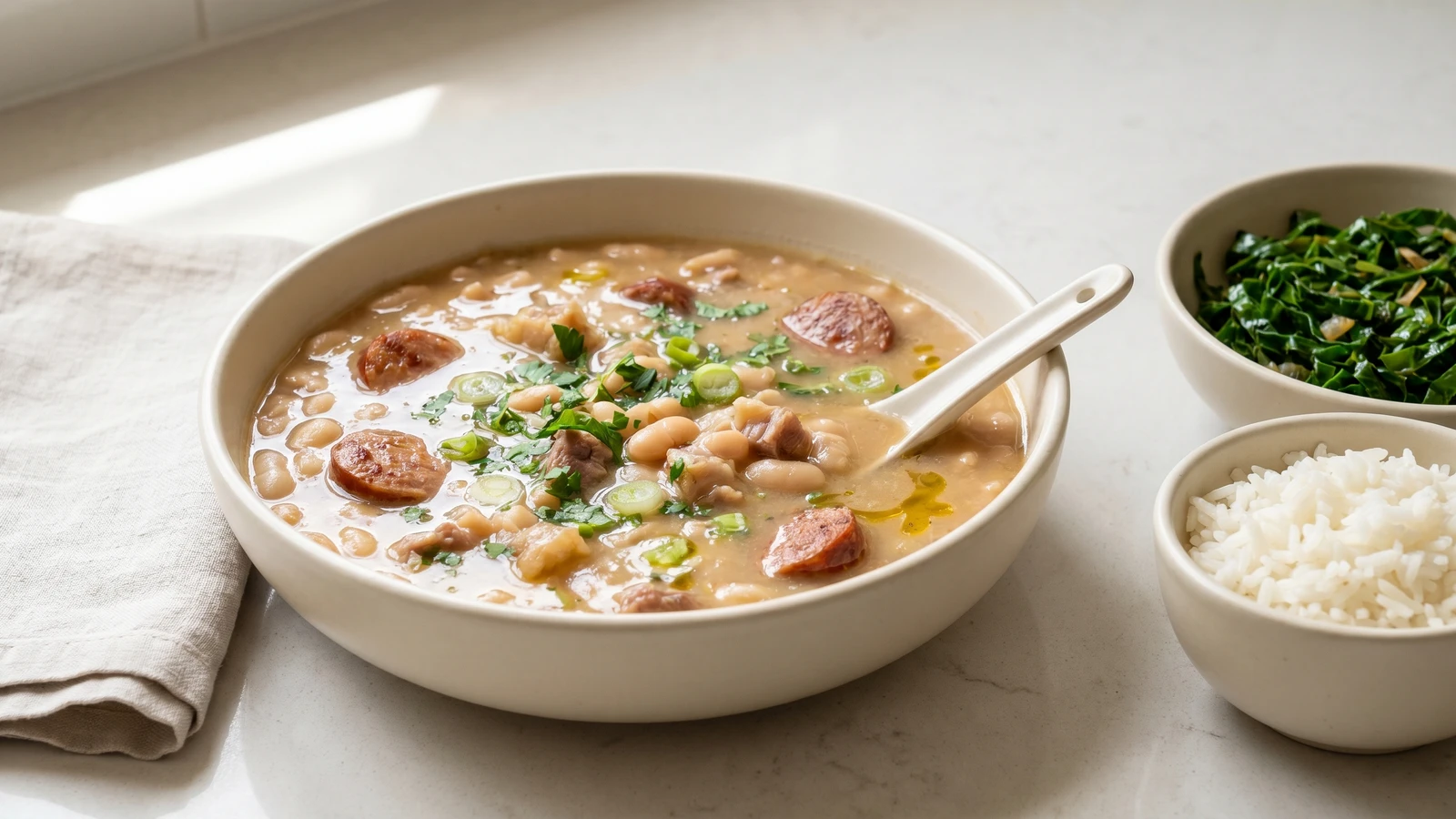
Nobody is born knowing what to do with cow feet. You learn. Simmer them slow with white beans and sausage until the caldo turns thick and sticks to your lips.
You see cow feet at the butcher and your brain whispers, isso não é pra mim. I know. Mine did worse things when I was learning. But cooking isn't a gift, it's something you learn, and mocotó is not a mystery. It's a pot, time, beans, onion, garlic, and the patience to let a cheap cut become generous.
This is comida de verdade from the less glamorous side of the butcher counter, which is exactly why I respect it. A cow's foot has bone, skin, tendon, and collagen, so the work is not to make it fancy. The work is to simmer it gently until the broth gets body and the meat gives up without a fight. Then the white beans come in and help turn that broth into dinner.
A gente builds this from the same foundations that solve the everyday Brazilian plate: feijão from scratch, an honest refogado, and arroz soltinho waiting nearby. Add couve or another green, and suddenly the pot that scared you is just a pê-efe with a thicker coat on.
Anota aí: soak the beans so they cook evenly and sit easier. Brown the sausage in batches so it tastes like sausage, not grey rubber. Mash a ladle of cooked beans into the refogado so the caldo turns creamy instead of watery. No packet. No powder pretending to be flavor. Just method, taught properly.
Mocotó in Brazil names both the cow's foot and the dishes made from it, from brothy caldos sold in bars to fuller stews cooked at home. In Rio Grande do Sul, the gaúcho version is tied to cattle country and cold-weather cooking, often pairing mocotó with white beans, sausage, and a strong refogado rather than serving it as a thin broth. It is less famous than churrasco, but it tells the quieter story of the southern table: use the whole animal, cook the cheap cut long enough, and feed many people from one pot.
Quantity
2 cups
soaked overnight
Quantity
1.5 kg
cut into pieces
Quantity
10 cups, plus more as needed
Quantity
2
Quantity
2 tablespoons
for rinsing
Quantity
2 tablespoons
Quantity
300 g
sliced into thick rounds
Quantity
150 g
diced
Quantity
2 medium
finely chopped
Quantity
5 cloves
minced
Quantity
1 medium
diced
Quantity
1 medium
chopped
Quantity
1 tablespoon
Quantity
1 teaspoon
Quantity
1/2 teaspoon
Quantity
1 1/2 teaspoons, plus more to taste
Quantity
1/2 teaspoon
Quantity
1/2 cup
chopped
Quantity
for serving
Quantity
for serving
Quantity
for serving
| Ingredient | Quantity |
|---|---|
| dried white beanssoaked overnight | 2 cups |
| cleaned cow feet (mocotó)cut into pieces | 1.5 kg |
| water | 10 cups, plus more as needed |
| bay leaves | 2 |
| vinegar or lime juicefor rinsing | 2 tablespoons |
| oil or rendered pork fat | 2 tablespoons |
| smoked sausagesliced into thick rounds | 300 g |
| bacondiced | 150 g |
| onionsfinely chopped | 2 medium |
| garlicminced | 5 cloves |
| carrotdiced | 1 medium |
| tomatochopped | 1 medium |
| tomato paste | 1 tablespoon |
| sweet paprika | 1 teaspoon |
| ground cumin | 1/2 teaspoon |
| salt | 1 1/2 teaspoons, plus more to taste |
| black pepper | 1/2 teaspoon |
| parsley and scallionschopped | 1/2 cup |
| cooked white rice | for serving |
| sautéed couve | for serving |
| farofa (optional) | for serving |
Put the white beans in a large bowl and cover them with at least 3 inches of water. Leave them overnight, then drain and rinse. Soaking is not fuss. It helps the beans cook more evenly and sit easier in your stomach, which matters when the pot is already rich.
Rinse the cow feet well under running water, rubbing them with the vinegar or lime juice, then rinse again. Put them in a large pot, cover with fresh water, bring to a boil for 5 minutes, and drain. This first boil cleans up the flavor and leaves you with a broth that tastes deep, not muddy.
Return the drained mocotó to the pot with 10 cups water and the bay leaves. Bring to a boil, then lower the heat and simmer gently, lid half on, until the pieces are tender and the broth feels slightly sticky between your fingers, about 2 to 2 1/2 hours. That stickiness is the collagen giving body to the caldo. Boil it hard and you get cloudy noise instead of clean, rich broth.
Add the soaked, drained white beans to the pot with the mocotó. Keep the simmer low and steady until the beans are tender but not falling apart, about 45 minutes to 1 hour. Add more hot water if the beans peek above the liquid. Beans cook badly when they bob around dry at the top, and then you blame the recipe. Don't give them the chance.
While the beans cook, warm the oil or pork fat in a wide skillet over medium-high heat. Add the sausage slices in one layer and brown them on both sides, then move them to a plate. Do the bacon next until the edges take color. If you crowd the pan, the meat releases water and steams grey instead of dourar. Brown food tastes like dinner. Grey food tastes like regret.
Lower the heat to medium. In the same skillet, add the onions and cook until they murchar, soft and see-through, about 6 minutes. Add the garlic for one minute, just until you smell it, then stir in the carrot, tomato, tomato paste, paprika, cumin, black pepper, and 1 teaspoon of the salt. The tomato paste should darken a shade and stick lightly to the pan. That's flavor building itself, not burning.
Scoop 1 ladle of tender beans with a little broth into the skillet with the refogado. Mash them with a spoon until creamy, scraping the bottom of the pan as you go. This is the old, useful trick: mashed beans make the caldo thick and glossy instead of watery. No seasoning packet can do this better than the bean itself.
Stir the mashed refogado, browned sausage, and bacon into the big pot. Simmer uncovered for 25 to 35 minutes, stirring now and then, until the broth coats the spoon and the beans are tender all the way through. Taste and add the remaining 1/2 teaspoon salt only if it needs it, because sausage and bacon already bring salt to the party.
Turn off the heat and let the pot rest for 10 minutes. Stir in the parsley and scallions just before serving so they stay fresh and green. Serve with arroz soltinho, sautéed couve, and farofa if you have it. Now it's not a scary butcher cut. It's dinner.
1 serving (about 680g)
Culinary guides, cultural storytelling, and the editorial depth that makes cooking meaningful.
Discover Culinary ExplorerChef Juliana
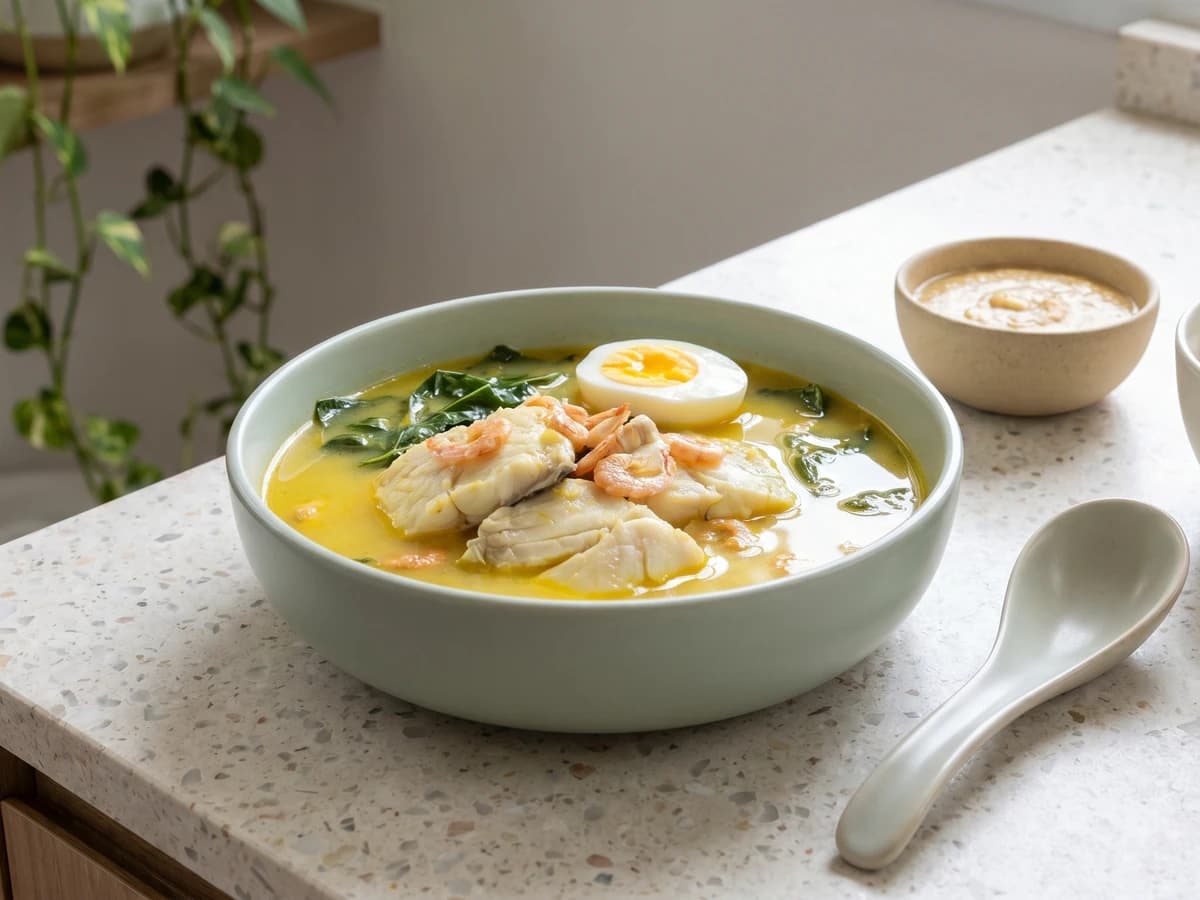
You don't need mystery for this pot. You need okra, dendê, onion, dried shrimp, and the patience to stir until the quiabo gives up its own caldo.

Chef Juliana
You think a Polish hunter's stew is not for your kitchen. Wrong. Brown meat properly, build a real refogado, simmer cabbage low, and tomorrow's lunch is already better.
Chef Juliana
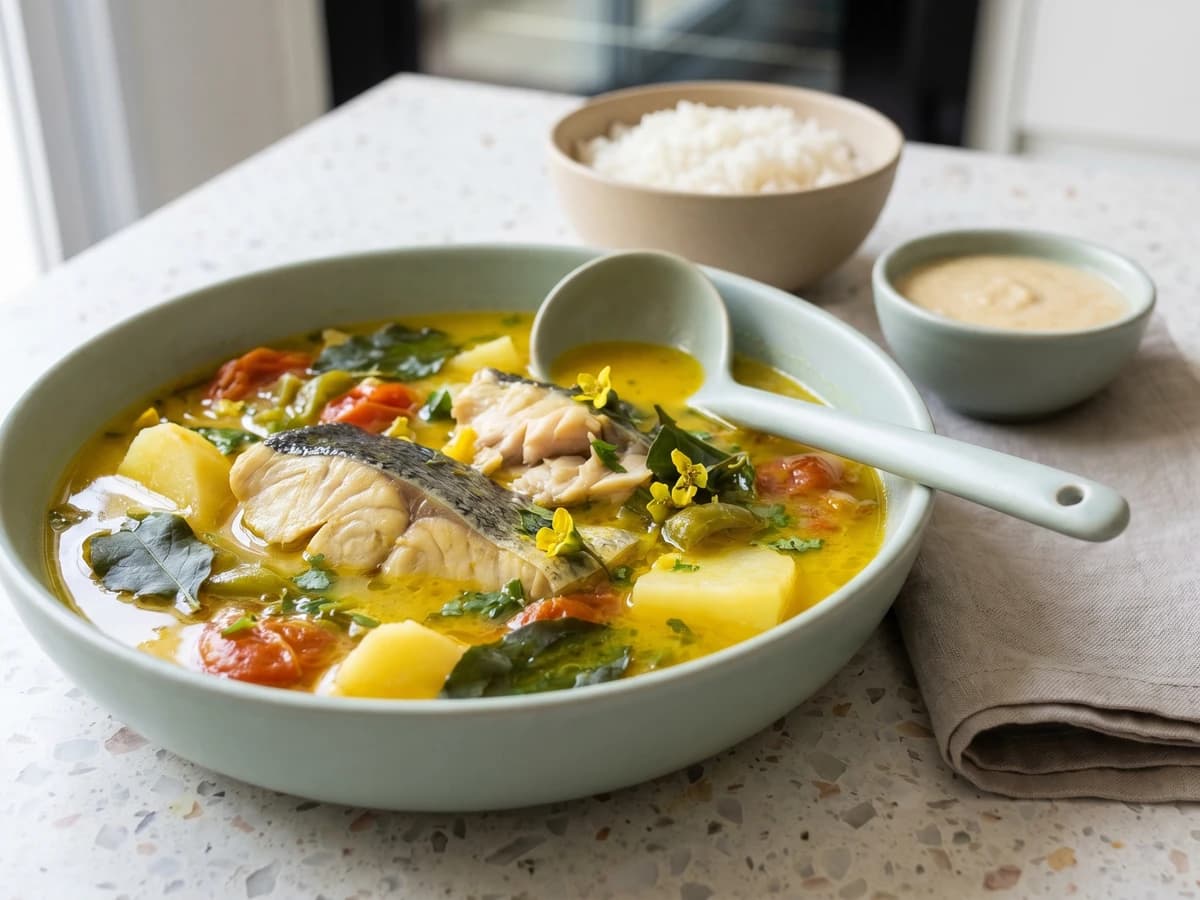
Whole fish in a pot looks like a test. It isn't. Build the refogado, layer the filhote, let tucupi do its work, and the Círio table starts making sense.
Chef Juliana
You don't need river wisdom in your bones to cook tambaqui well. You need real tucupi, a calm simmer, and the sense to let the fish stay whole until it gives.