
Chef Takumi
Abura Soba (油そば, brothless ramen)
Abura soba is ramen without the hiding place of soup: hot noodles, strong shōyu tare, fragrant oil, and the discipline to mix while every strand is still hot.
A cooking platform built around craft, culture, and the stories behind what we eat.

Created by
A tied abura-age purse looks clever, but the work is plain: soften the tofu, tuck in mochi, simmer gently, and stop before the rice cake pushes its way out.
Atied tofu purse floating in an oden pot looks more complicated than it is. That little knot seems to announce ceremony. In truth, it asks for three plain things: abura-age that will open cleanly, firm kirimochi that will soften without dissolving, and kanpyō made supple enough to tie. The work is patient, not clever.
The first secret is room. Mochi swells as it warms, so the pouch must be closed around empty space, not packed like luggage. Blanch the abura-age to wash away surface oil, because oil keeps the dashi from entering and makes the broth taste heavy. Soak and rub the kanpyō with salt, because a dry strip snaps and a tough one saws through the tofu. Small acts, but they decide the dish.
Mochi kinchaku sits naturally in winter oden, when a clear pot of dashi, soy, and mirin becomes the table's quiet center. Simmer the purses gently and stop when they round under the chopsticks and the mochi inside yields. Boil them hard and you'll learn how determined rice cake can be once it sees an opening. Leave the pouch room, leave the broth clear, and the whole thing becomes honmono without drama.
Mochi kinchaku is best known as an oden-dane, one of the named ingredients in the winter oden pot. Oden grew from dengaku, skewered tofu or konnyaku dressed with miso, and its soy-seasoned simmered form became associated with Edo and later Tokyo from the late Edo period into the Meiji era. The pouch takes its name from the kinchaku, a drawstring purse once used to carry coins and small personal belongings.
Quantity
1 piece (about 10g)
Quantity
5 cups
Quantity
25g
Quantity
8 strips (about 10 inches each)
Quantity
1 teaspoon
for rubbing the kanpyō
Quantity
4 large sheets
cut crosswise in half after rinsing
Quantity
as needed
for rinsing the abura-age
Quantity
4 pieces
cut in half
Quantity
3 tablespoons
Quantity
2 tablespoons
Quantity
1 tablespoon
Quantity
1 teaspoon
Quantity
1/4 teaspoon
plus more to taste
Quantity
1 small strip
cut into fine slivers
Quantity
to serve
| Ingredient | Quantity |
|---|---|
| konbu (dried kelp) | 1 piece (about 10g) |
| cold water | 5 cups |
| katsuobushi (bonito flakes) | 25g |
| dried kanpyō strips | 8 strips (about 10 inches each) |
| sea saltfor rubbing the kanpyō | 1 teaspoon |
| plain abura-age (thin fried tofu sheets)cut crosswise in half after rinsing | 4 large sheets |
| boiling waterfor rinsing the abura-age | as needed |
| kirimochi (firm rectangular mochi blocks)cut in half | 4 pieces |
| usukuchi shōyu (light soy sauce) | 3 tablespoons |
| mirin | 2 tablespoons |
| sake | 1 tablespoon |
| sugar | 1 teaspoon |
| sea saltplus more to taste | 1/4 teaspoon |
| yuzu peel (optional)cut into fine slivers | 1 small strip |
| karashi (Japanese mustard) (optional) | to serve |
Wipe the konbu with a damp cloth, but don't wash it. Put it in the cold water in a wide pot and bring it up slowly over low heat, about 10 minutes. Pull the konbu when the water trembles and small bubbles climb the sides, before it boils. Boiling the kelp pulls out bitterness and a slick texture, and this broth needs to stay clear because there is nowhere for muddiness to hide.
Bring the water to a gentle boil, add the katsuobushi all at once, and turn off the heat. Leave it alone for 2 to 3 minutes, until the flakes sink. Strain through a cloth-lined sieve and let the dashi drip on its own. Don't squeeze. Squeezing presses the strong, oily taste from the flakes into the clear stock, which is exactly what you just worked to avoid.
Rinse the kanpyō strips, rub them with the teaspoon of salt until they feel a little flexible, then rinse again. Soak them in warm water for 10 minutes, then simmer in fresh water for about 5 minutes, until a strip bends around your finger without cracking. Drain and pat dry. It is only a cord, but a stiff cord will cut the tofu, and a mushy one won't hold a knot.
Set the abura-age in a colander and pour boiling water over both sides, or dip the sheets in boiling water for 1 minute. Press gently between towels, just enough to remove surface water. Roll each sheet once with a chopstick or narrow rolling pin, cut it crosswise in half, and open each half into a pocket with your fingers. The hot rinse removes excess frying oil so the dashi can enter; the rolling loosens the layers before you ask them to open.
Slip one half-piece of kirimochi into each abura-age pocket. Do not force it. The pouch should feel only half full. Gather the top and tie it closed with a strip of softened kanpyō, snug but not strangled.
Return the strained dashi to the wide pot. You want about 4 1/2 cups; add a little water if the pot is short. Add the usukuchi shōyu, mirin, sake, sugar, and 1/4 teaspoon salt. Taste it before the pouches go in. It should be clear and lighter than a heavy stew broth, but a little stronger than soup, because the abura-age will drink it and soften the edge.
Set the pouches in a single layer, knots up, and lay an otoshibuta, a wooden drop-lid, directly on the surface. A parchment circle with a small center hole does the same work. Bring the broth to the quietest simmer and cook 15 to 18 minutes, turning the pouches once if the broth is shallow. The lid keeps them bathed without stirring; stirring would bruise the tofu and invite the mochi to escape. They are done when the pouches look rounded and yield softly when pressed with chopsticks.
Turn off the heat and let the pouches rest in the broth for 10 minutes. Spoon 2 pouches into each bowl with enough broth to come around them, not drown them. Finish with a fine sliver of yuzu peel if using, and serve karashi on the side. Mochi asks for calm eating: bite it in small pieces, especially for children and older guests. If these are going into a larger oden pot, add them for the final 15 to 20 minutes, not at the beginning.
1 serving (about 300g)
Culinary guides, cultural storytelling, and the editorial depth that makes cooking meaningful.
Discover Culinary ExplorerChef Takumi
Abura soba is ramen without the hiding place of soup: hot noodles, strong shōyu tare, fragrant oil, and the discipline to mix while every strand is still hot.
Chef Takumi
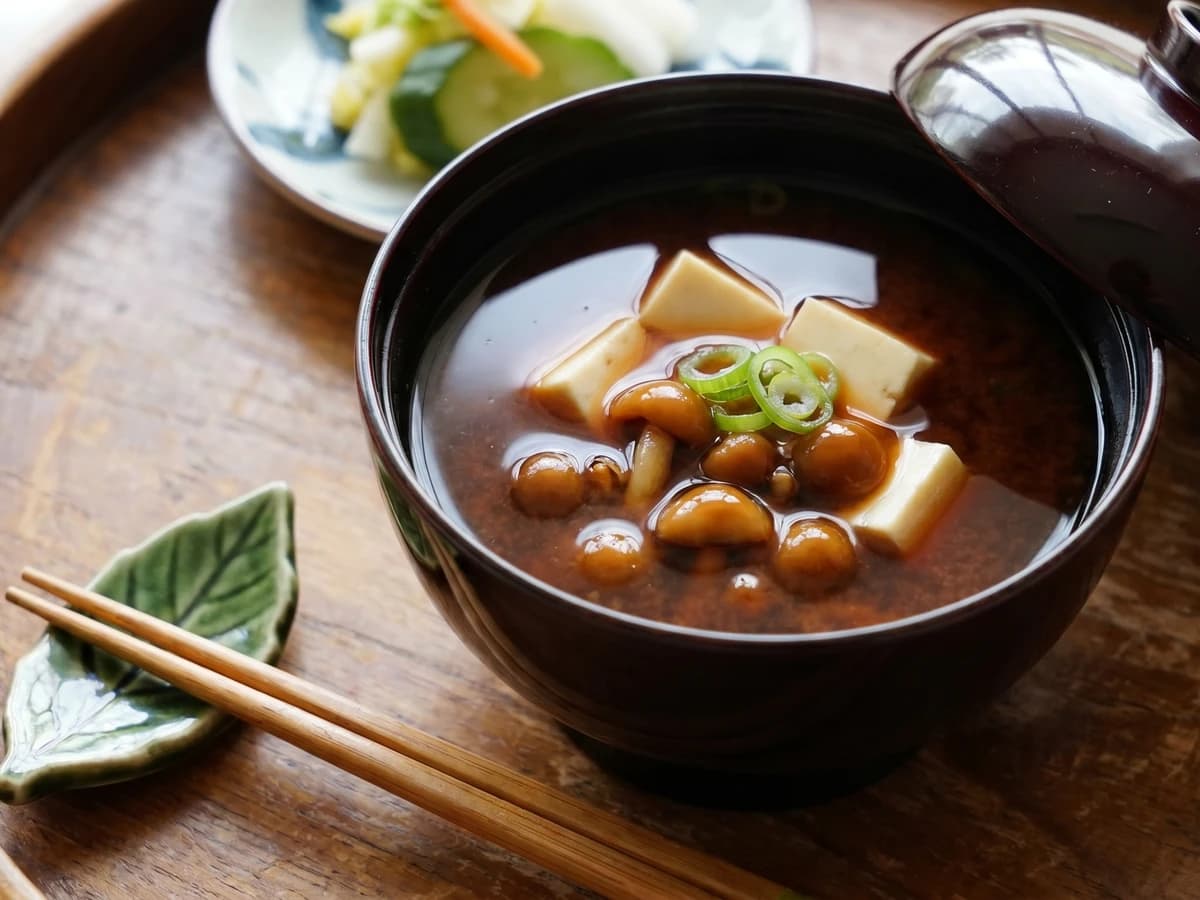
Akadashi asks you to trust the dark miso. Build a clear dashi, loosen the Hatchō mame-miso gently, and the soup turns coffee-dark, savory, and clean.

Chef Takumi
Toast the rice until its skin is firm, then let it meet chicken broth, burdock, maitake, and seri. The pot looks grand, but the work is rice, broth, and patience.
Chef Takumi
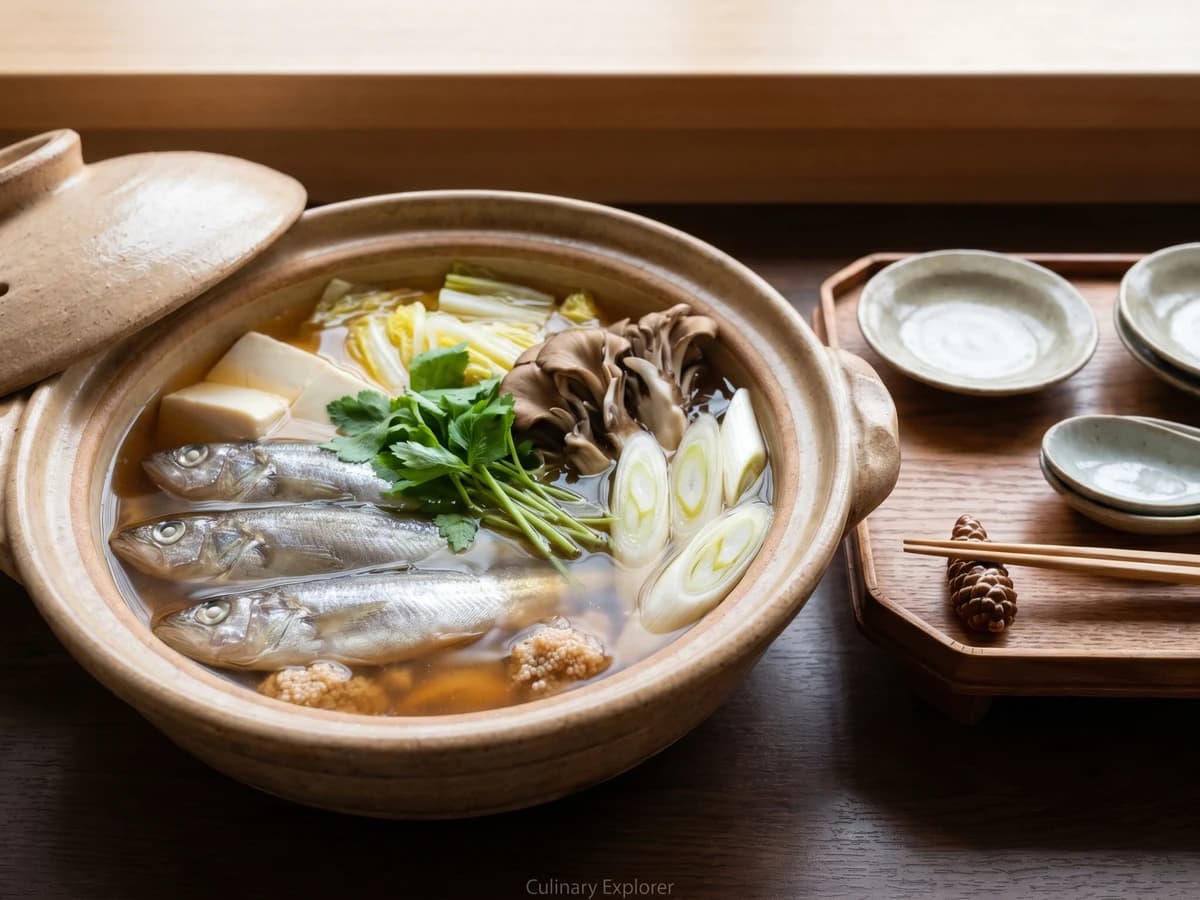
Shottsuru nabe is Akita winter in one pot: clean dashi, hatahata at shun, tofu and napa cabbage carrying a salt-deep broth without anything heavy enough to hide the fish.