Chef Thomas
All-Butter Shortbread Fingers
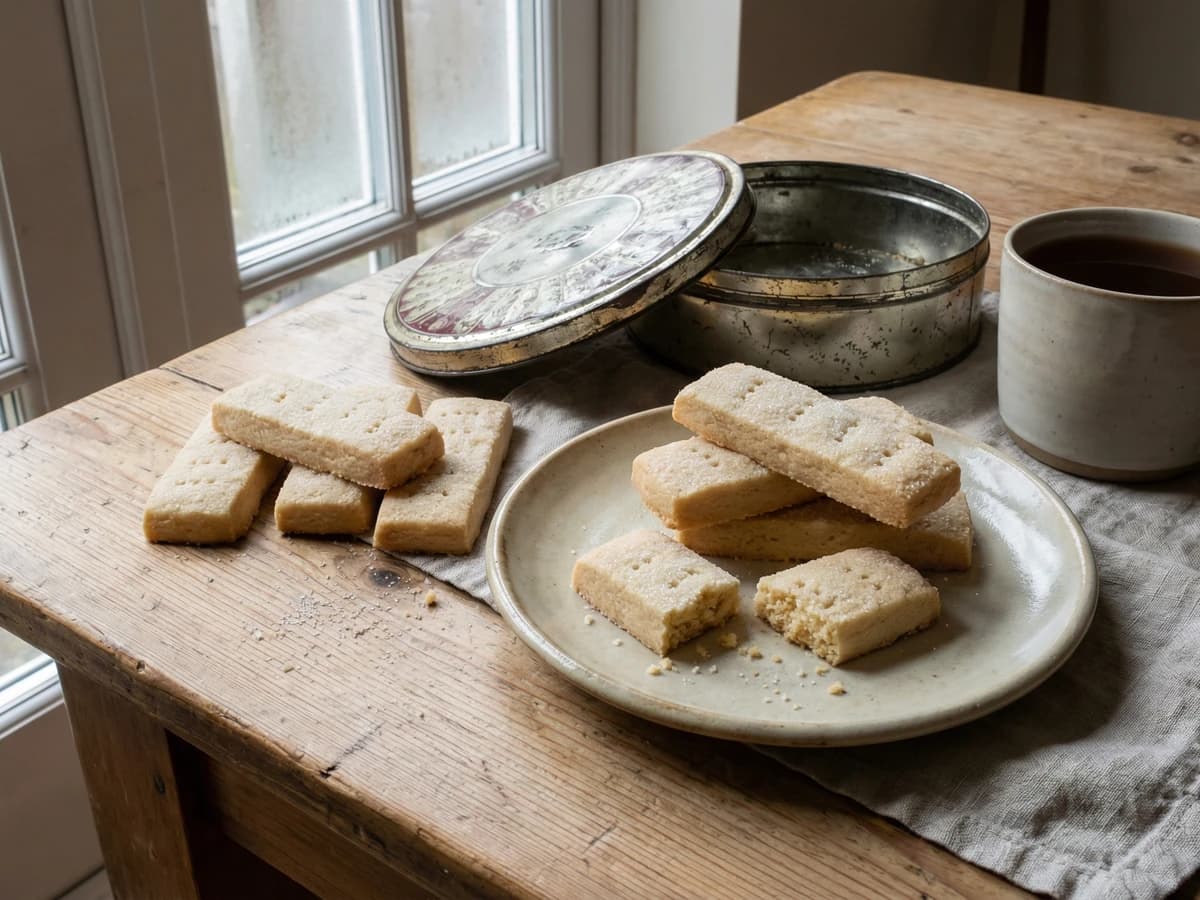
The plainest biscuit in the tin and the hardest one to stop eating, three ingredients and a slow oven turning good butter into something quietly perfect with a cup of tea.
A cooking platform built around craft, culture, and the stories behind what we eat.
Created by Chef Thomas
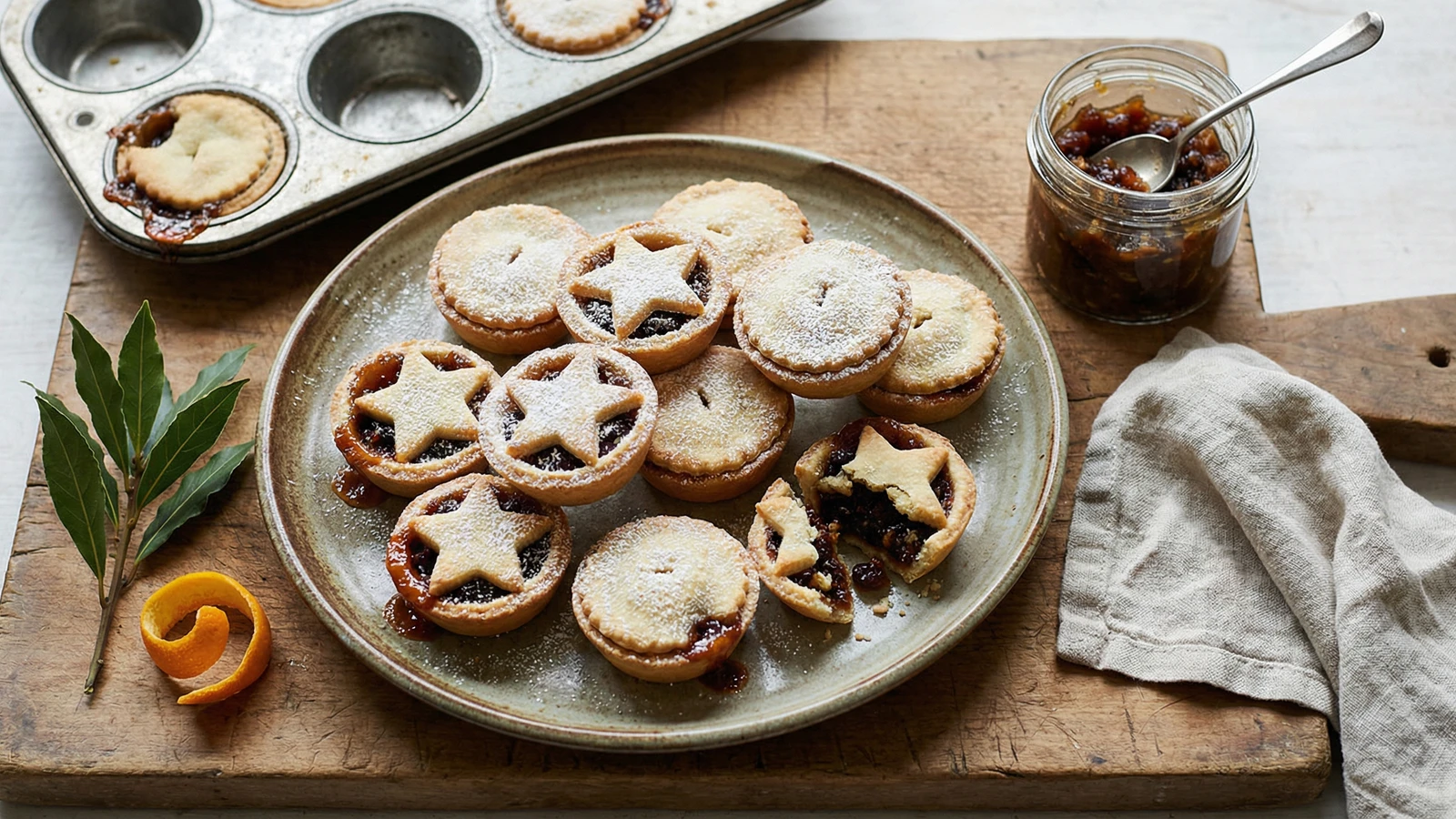
Buttery shortcrust pies filled with brandy-soaked dried fruit and orange zest, baked until the kitchen smells like the week before Christmas and someone is bound to wander in asking when they'll be ready.
It's December. The kitchen window has gone dark by four o'clock and the radio is on quietly in the background. There's a jar of mincemeat on the counter that's been waiting since October, and the butter has come out of the fridge to soften, and the whole house is about to start smelling like the week before Christmas. This is the cooking I look forward to most.
A mince pie is a small thing. Pastry, fruit, spice, brandy. But it carries more weight than its size suggests. Every December I make a batch on the first properly cold evening, and the smell that fills the kitchen is the smell of every December I can remember. Orange peel and warm butter and a faint whiff of brandy. A childhood smell, in the best sense.
Good mincemeat matters more than fussy pastry. If you've made your own and let it mature, you already know. If you're using a jar, buy the best one you can find and wake it up with some fresh orange zest and a splash of brandy. Nobody will ask. Everyone will notice.
I wrote a note in the notebook one year that just said: "First mince pie. Wished for nothing in particular. Ate it standing up." That's the way. The first one is yours, warm from the tin, eaten in the kitchen before anyone knows they're ready. Tradition says you make a wish on it. We're only making dinner, but some dinners come with rituals attached, and this is one of them.
Quantity
250g
plus extra for dusting
Quantity
50g
plus extra for dusting
Quantity
pinch
Quantity
150g
cubed
Quantity
1
Quantity
2-3 tablespoons
Quantity
400g
homemade or a decent jar
Quantity
1 tablespoon
for loosening the mincemeat
Quantity
zest of 1
Quantity
1
beaten, for glazing
Quantity
for sprinkling
| Ingredient | Quantity |
|---|---|
| plain flourplus extra for dusting | 250g |
| icing sugarplus extra for dusting | 50g |
| fine sea salt | pinch |
| cold unsalted buttercubed | 150g |
| large egg yolk | 1 |
| very cold water | 2-3 tablespoons |
| good mincemeathomemade or a decent jar | 400g |
| brandy (optional)for loosening the mincemeat | 1 tablespoon |
| unwaxed orange | zest of 1 |
| large eggbeaten, for glazing | 1 |
| caster sugar | for sprinkling |
Tip the flour, icing sugar and salt into a bowl. Add the cold butter and rub it through the flour with cold fingertips until the mixture looks like coarse breadcrumbs with a few flatter flecks of butter still visible. Don't overdo it. Those bits of butter are what make the pastry shatter properly under the teeth. Stir in the egg yolk and just enough cold water to bring the dough together. It should hold when you press it, not feel sticky. Flatten it into a disc, wrap, and rest in the fridge for at least thirty minutes.
While the pastry rests, tip the mincemeat into a bowl. Stir in the orange zest and the splash of brandy if you're using it. Even a good jar benefits from this. The zest brightens the dried fruit and the brandy loosens it just enough to spoon. Taste it. If it tastes flat, more brandy. If it tastes sleepy, more zest.
Set the oven to 200C/180C fan. Lightly butter a 12-hole bun tin. Roll the pastry out on a floured surface to about 3mm thick, no thinner. Cut twelve circles slightly larger than the holes in the tin, about 8cm across, and press one into each hole. Re-roll the scraps and cut twelve smaller lids, around 6cm, or stars if you're feeling festive. Stars are easier than they sound and they let the steam escape without you having to remember to prick anything.
Spoon a heaped teaspoon of mincemeat into each case. Be generous but not greedy. Overfilled mince pies leak and weld themselves to the tin, and there are few sadder things in a December kitchen. Brush the rim of each case with a little beaten egg, then press the lids on top. If you're using full circles, give them a small slit in the centre with the tip of a knife. Stars don't need it.
Brush the tops with the rest of the beaten egg and scatter with a little caster sugar. Slide the tin into the oven and bake for eighteen to twenty minutes, until the pastry is a deep, even gold and the kitchen smells of Christmas: orange peel, butter, brandy, warm spice. That smell is the timer. Trust your nose. It knows before you do.
Let the pies sit in the tin for five minutes before lifting them out with a palette knife. They need that time to settle, otherwise the bottoms can tear. Cool on a wire rack and dust with icing sugar. Eat the first one warm, before anyone else gets to the kitchen. Make a wish on it. That's the rule. I didn't make it up but I follow it every year.
1 serving (about 75g)
Culinary guides, cultural storytelling, and the editorial depth that makes cooking meaningful.
Discover Culinary ExplorerChef Thomas
The plainest biscuit in the tin and the hardest one to stop eating, three ingredients and a slow oven turning good butter into something quietly perfect with a cup of tea.
Chef Thomas
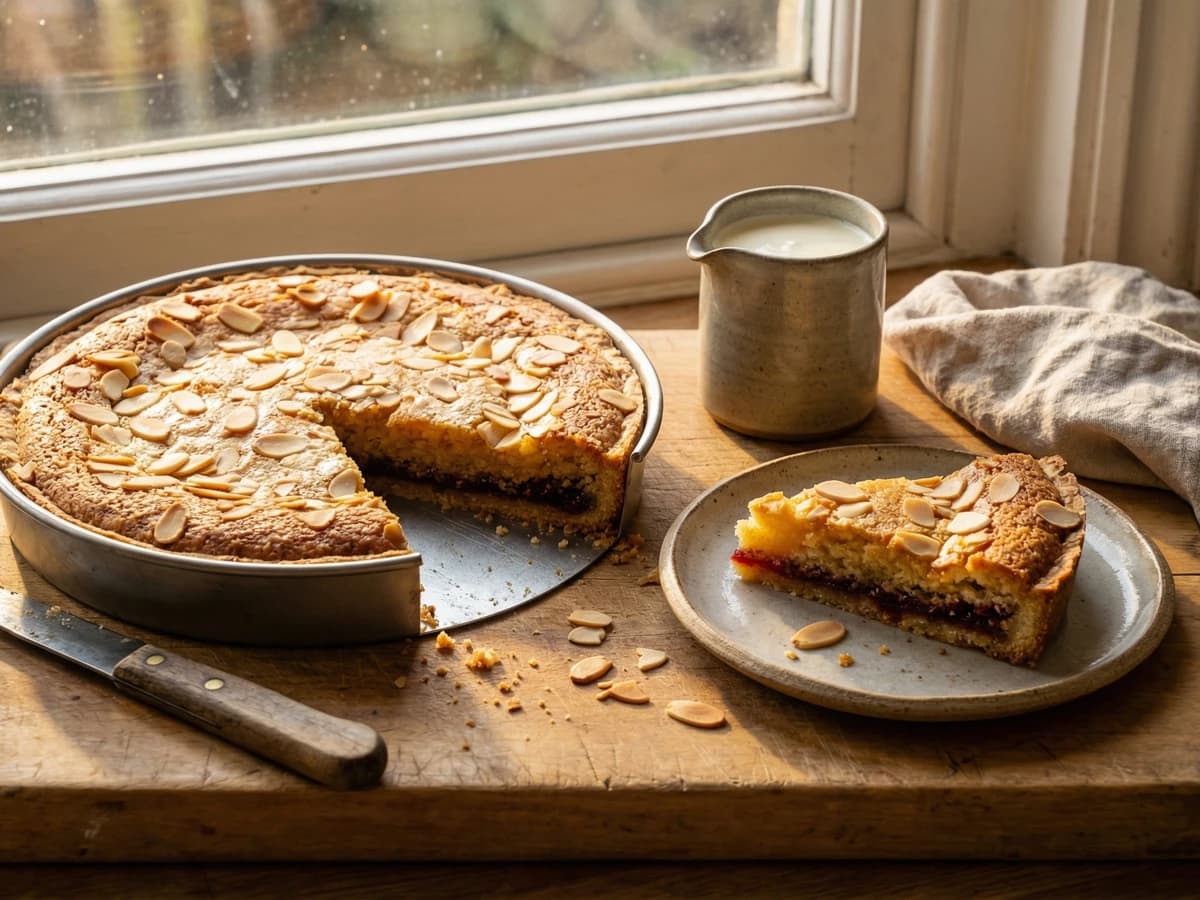
A proper Bakewell tart with buttery shortcrust, a thick layer of raspberry jam, and almond frangipane baked golden under a scattering of flaked almonds. No icing. No nonsense.
Chef Thomas
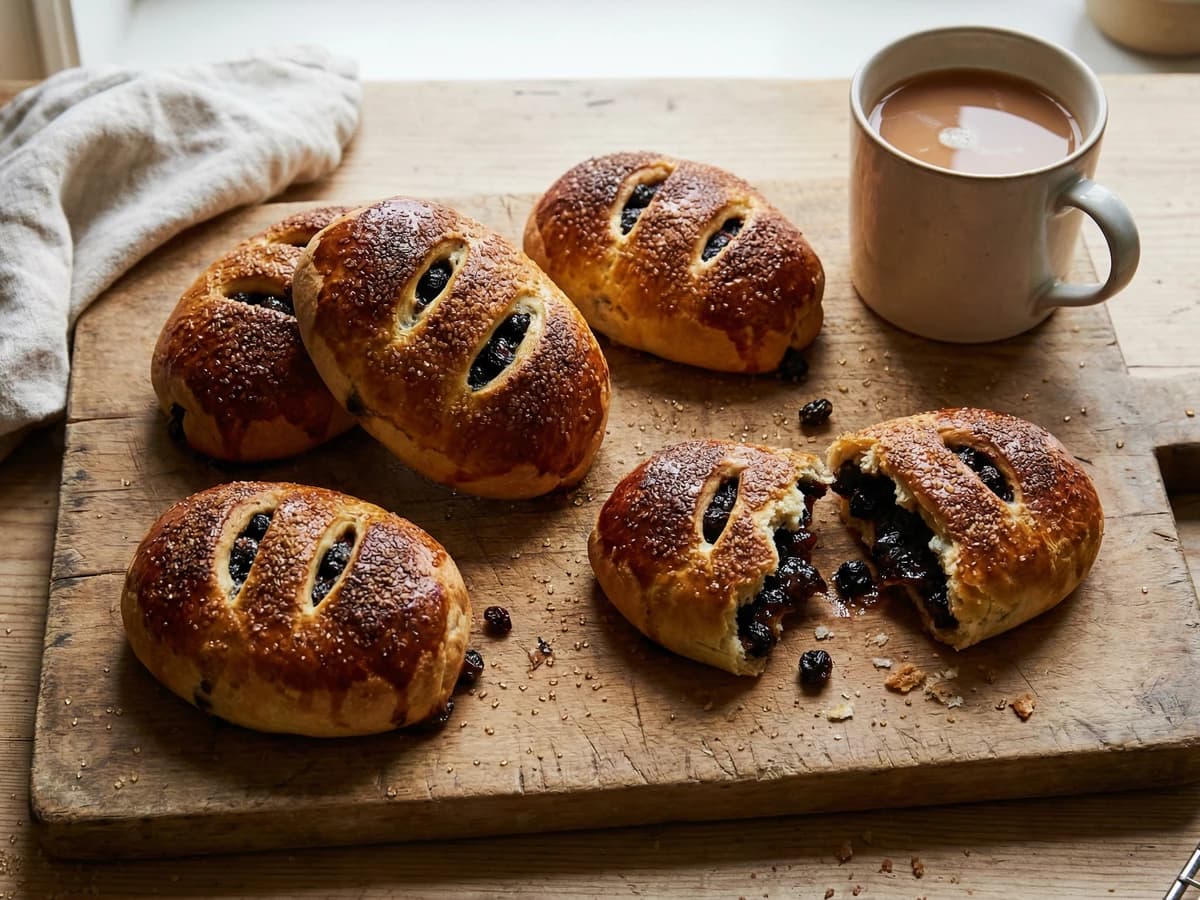
Oval pastries filled with rum-soaked currants and spice, baked until the tops crackle with sugar. The kind of thing to make on a wet Sunday afternoon when you want the kitchen to smell of something.
Chef Thomas
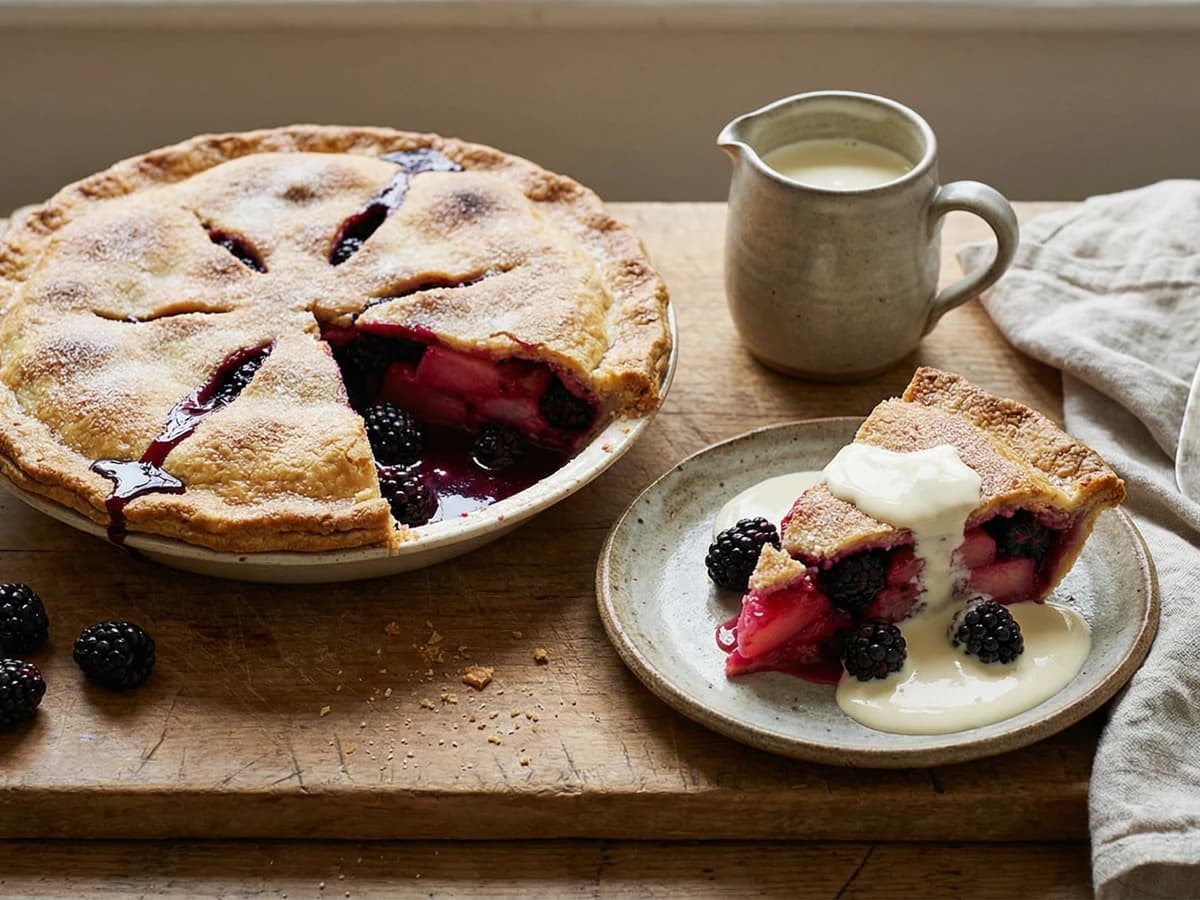
A proper hedgerow pie of Bramley apples and blackberries under a sugar-crusted pastry lid, the kind of pudding that turns a Sunday in September into something you'll remember.