
Chef Dean
Bacon Egg and Cheese on a Roll
The iconic New York bodega breakfast: shattering-crisp bacon, a golden-yolked fried egg, and molten American cheese tucked into a soft kaiser roll. This is the sandwich that built a city.
A cooking platform built around craft, culture, and the stories behind what we eat.
Created by
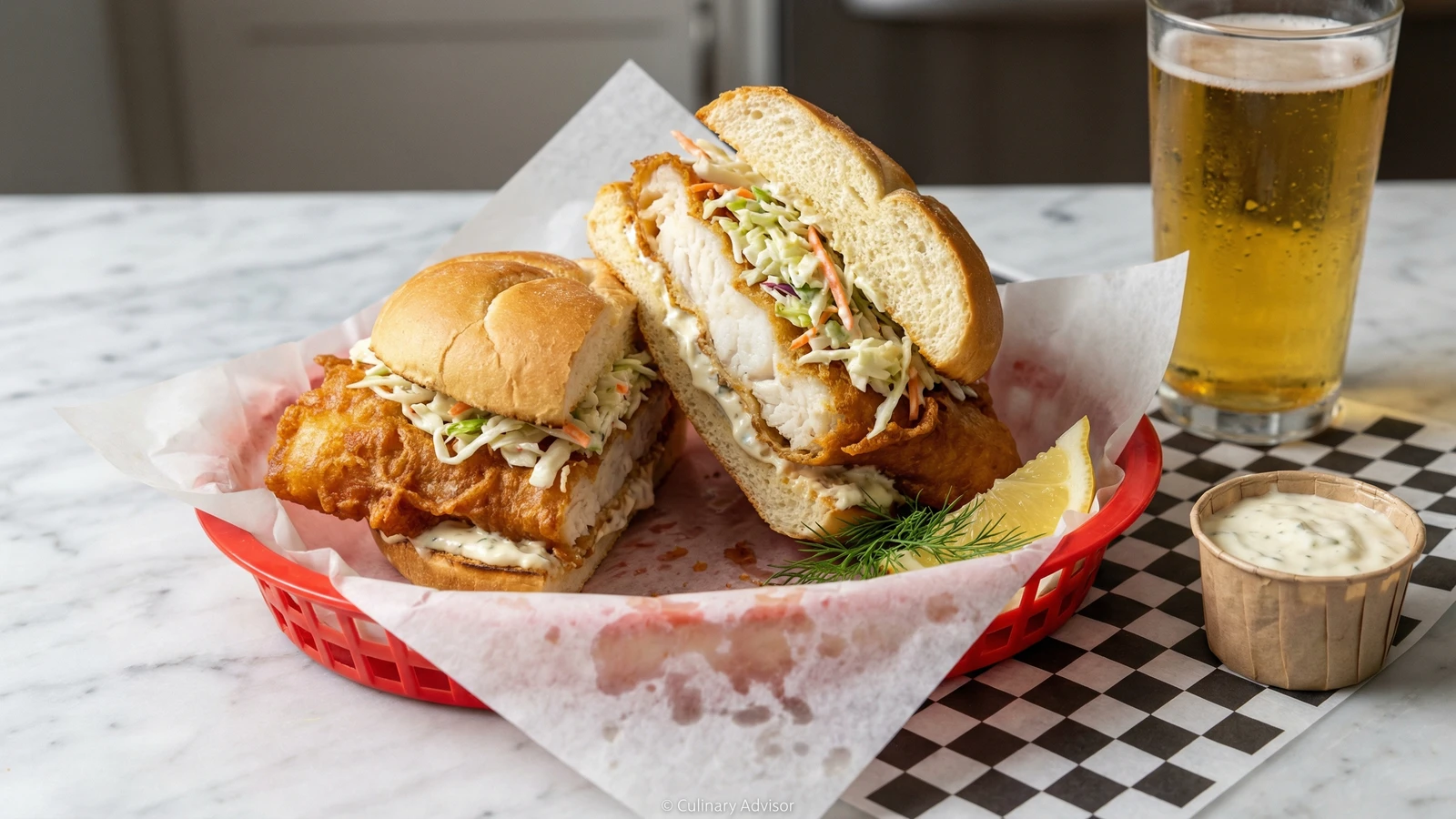
Wisconsin's sacred Friday tradition transformed into the perfect handheld: shatteringly crisp beer-battered cod nestled in a soft kaiser roll with homemade tartar sauce and tangy coleslaw, bringing supper club glory to your kitchen.
Every Friday in Wisconsin, something close to religious observance occurs. Families pile into supper clubs and church halls, VFW posts and corner taverns, united by one shared purpose: the fish fry. This tradition runs so deep in Milwaukee that restaurants post wait times like airports post flight delays. What began as Catholic obligation became cultural identity.
The fish fry sandwich captures everything glorious about this tradition in portable form. A plank of fresh cod encased in crackling beer batter, tucked into a soft roll that yields to the crunch without fighting it. Tartar sauce, made properly with real mayonnaise and actual pickles, not that sweet relish nonsense. Coleslaw that provides cool, creamy contrast to all that hot, golden fish. This is Friday night between two pieces of bread.
I've eaten fish fries from Superior to Kenosha, and the best ones share common virtues: fresh fish, cold batter, hot oil, and cooks who understand that timing is everything. The batter must be mixed moments before frying. The oil must hold its temperature. The fish must move from fryer to plate to mouth with purpose. Hesitation is the enemy of crunch.
Quantity
1 1/2 pounds
cut into 4 portions
Quantity
1 1/2 cups, divided
Quantity
1/2 cup
Quantity
1 teaspoon
Quantity
1 teaspoon
Quantity
1/2 teaspoon
freshly ground
Quantity
1/4 teaspoon
Quantity
1 cup
Quantity
1
beaten
Quantity
about 2 quarts
for frying
Quantity
4
Quantity
2 tablespoons
softened
Quantity
1 cup
Quantity
3 tablespoons
finely minced
Quantity
1 tablespoon
drained and chopped
Quantity
2 teaspoons
Quantity
1 teaspoon
Quantity
1 tablespoon
minced
Quantity
1/4 teaspoon
Quantity
4 cups
finely shredded
Quantity
1/2 cup
Quantity
2 tablespoons
Quantity
1 tablespoon
Quantity
1/2 teaspoon
Quantity
1/4 teaspoon
Quantity
to taste
Quantity
for serving
| Ingredient | Quantity |
|---|---|
| fresh cod filletscut into 4 portions | 1 1/2 pounds |
| all-purpose flour | 1 1/2 cups, divided |
| cornstarch | 1/2 cup |
| baking powder | 1 teaspoon |
| kosher salt (for batter) | 1 teaspoon |
| black pepperfreshly ground | 1/2 teaspoon |
| cayenne pepper | 1/4 teaspoon |
| cold lager beer | 1 cup |
| large eggbeaten | 1 |
| vegetable or peanut oilfor frying | about 2 quarts |
| soft kaiser rolls or potato buns | 4 |
| unsalted buttersoftened | 2 tablespoons |
| mayonnaise (for tartar sauce) | 1 cup |
| dill picklesfinely minced | 3 tablespoons |
| capersdrained and chopped | 1 tablespoon |
| fresh lemon juice | 2 teaspoons |
| Dijon mustard | 1 teaspoon |
| fresh dillminced | 1 tablespoon |
| kosher salt (for tartar sauce) | 1/4 teaspoon |
| green cabbagefinely shredded | 4 cups |
| mayonnaise (for coleslaw) | 1/2 cup |
| apple cider vinegar | 2 tablespoons |
| granulated sugar | 1 tablespoon |
| celery seed | 1/2 teaspoon |
| kosher salt (for coleslaw) | 1/4 teaspoon |
| black pepper (for coleslaw) | to taste |
| lemon wedges (optional) | for serving |
Combine the mayonnaise, minced pickles, capers, lemon juice, Dijon mustard, fresh dill, and salt in a bowl. Stir until uniform. The sauce should taste bright and briny with distinct pickle pieces, not smooth like something from a squeeze bottle. Refrigerate for at least thirty minutes to let the flavors marry. This patience rewards you.
Whisk together the mayonnaise, cider vinegar, sugar, celery seed, salt, and pepper in a large bowl. Add the shredded cabbage and toss thoroughly until every strand wears a light coat of dressing. The slaw should be creamy but not drowned. Refrigerate while you prepare everything else. Cold slaw against hot fish is the whole point.
Pat your cod portions completely dry with paper towels. Moisture is the mortal enemy of crisp batter. The surface should feel like dry paper, not damp flesh. Season lightly with salt and pepper on both sides. Let them rest at room temperature while you prepare the batter, no more than fifteen minutes.
Pour oil into a large Dutch oven or heavy pot to a depth of three inches. Attach your thermometer to the side and heat over medium-high until it reaches 375 degrees Fahrenheit. This takes longer than you expect, perhaps ten to twelve minutes. Do not rush this step. Properly heated oil is the difference between crisp and greasy.
Place one cup of flour, the cornstarch, baking powder, salt, black pepper, and cayenne in a large bowl. Whisk to combine. Pour in the cold beer and beaten egg, stirring just until the batter comes together. Some lumps are fine. Overmixing develops gluten and produces a tough, chewy coating instead of a crisp, lacy one. The batter should be the consistency of heavy cream, coating a spoon but dripping off slowly.
Place the remaining half cup of flour in a shallow dish. Working with one piece at a time, dredge the cod in flour, shaking off excess. This base coat gives the wet batter something to grip. Immediately dip the floured fish into the batter, turning to coat completely, and let the excess drip off for three seconds.
Carefully lower the battered fish into the hot oil, laying it away from you to prevent splashing. Fry two pieces at a time to avoid crowding and dropping the oil temperature. Cook for four to five minutes, flipping once halfway through, until the crust turns deep golden brown and sounds hollow when you tap it with your tongs. The internal temperature should read 145 degrees. Transfer to a wire rack set over a sheet pan. Never drain fried food on paper towels; it steams the bottom and kills your crust.
While the fish rests briefly, split your kaiser rolls and butter the cut sides. Toast them in a dry skillet over medium heat until golden, about one minute per side. A toasted bun provides structural integrity against the tartar sauce and coleslaw. A soft, untoasted bun becomes a soggy disappointment within seconds.
Spread a generous tablespoon of tartar sauce on the bottom bun. Place the hot fried fish directly on top. The fish should overhang the edges slightly; this is not the time for restraint. Top with a mound of cold coleslaw, pressing it gently to adhere. Add another slick of tartar sauce to the top bun and close the sandwich. Serve immediately with lemon wedges on the side. A fish fry sandwich waits for no one.
1 serving (about 575g)
Culinary guides, cultural storytelling, and the editorial depth that makes cooking meaningful.
Discover Culinary ExplorerChef Dean
The iconic New York bodega breakfast: shattering-crisp bacon, a golden-yolked fried egg, and molten American cheese tucked into a soft kaiser roll. This is the sandwich that built a city.

Chef Dean
Buffalo's proudest sandwich: silky rare roast beef mounded on a crusty roll showered with caraway and coarse salt, the top dipped in warm jus, the whole thing demanding horseradish and a cold beer.

Chef Dean
Shatteringly crisp beer-battered halibut piled on a buttery bun with tangy homemade tartar sauce and crunchy coleslaw. This is the Pacific Northwest on a plate, the kind of sandwich worth driving to the coast for.
Chef Dean
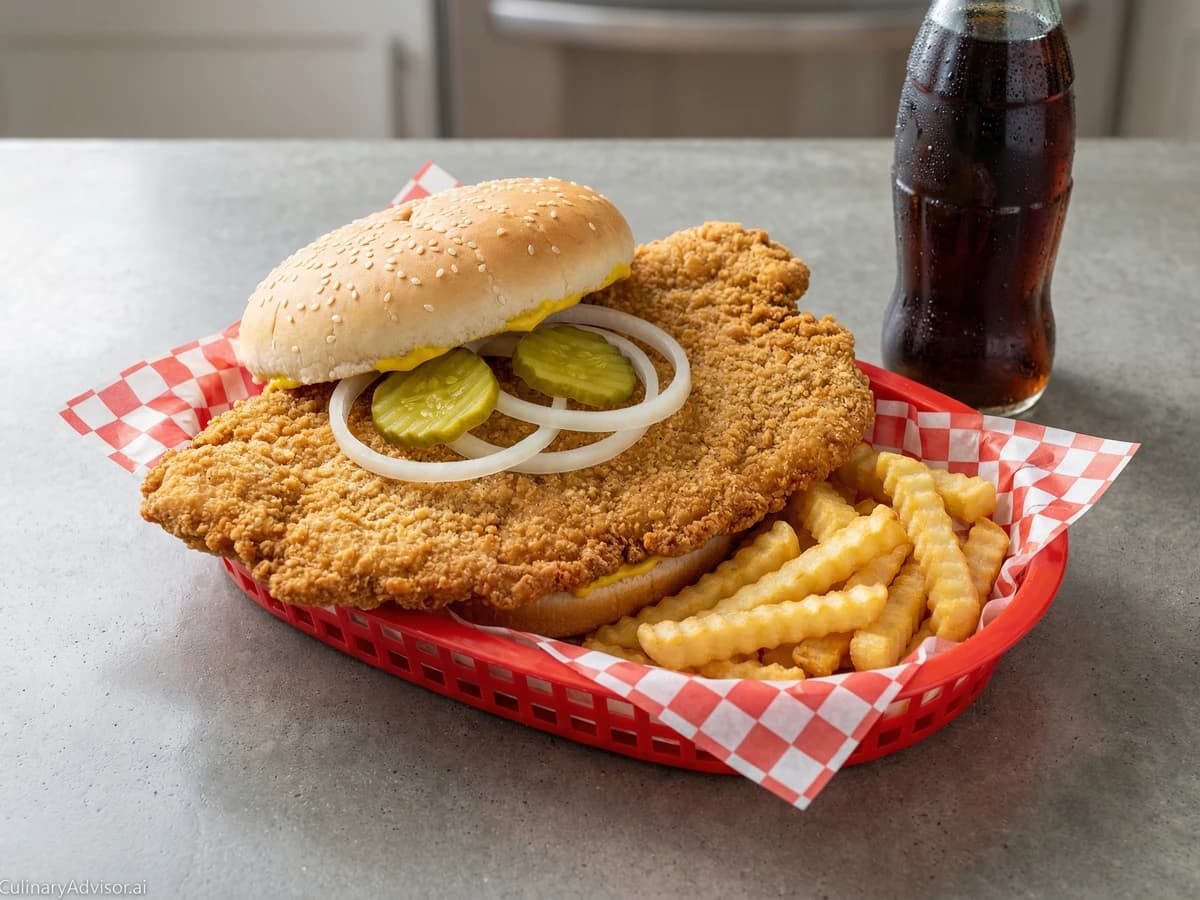
A pork cutlet pounded thin as a playing card, coated in seasoned cracker crumbs, and fried until it sprawls gloriously past the edges of its bun. This is Indiana on a plate.