Chef Dean
Classic Mexican Rice
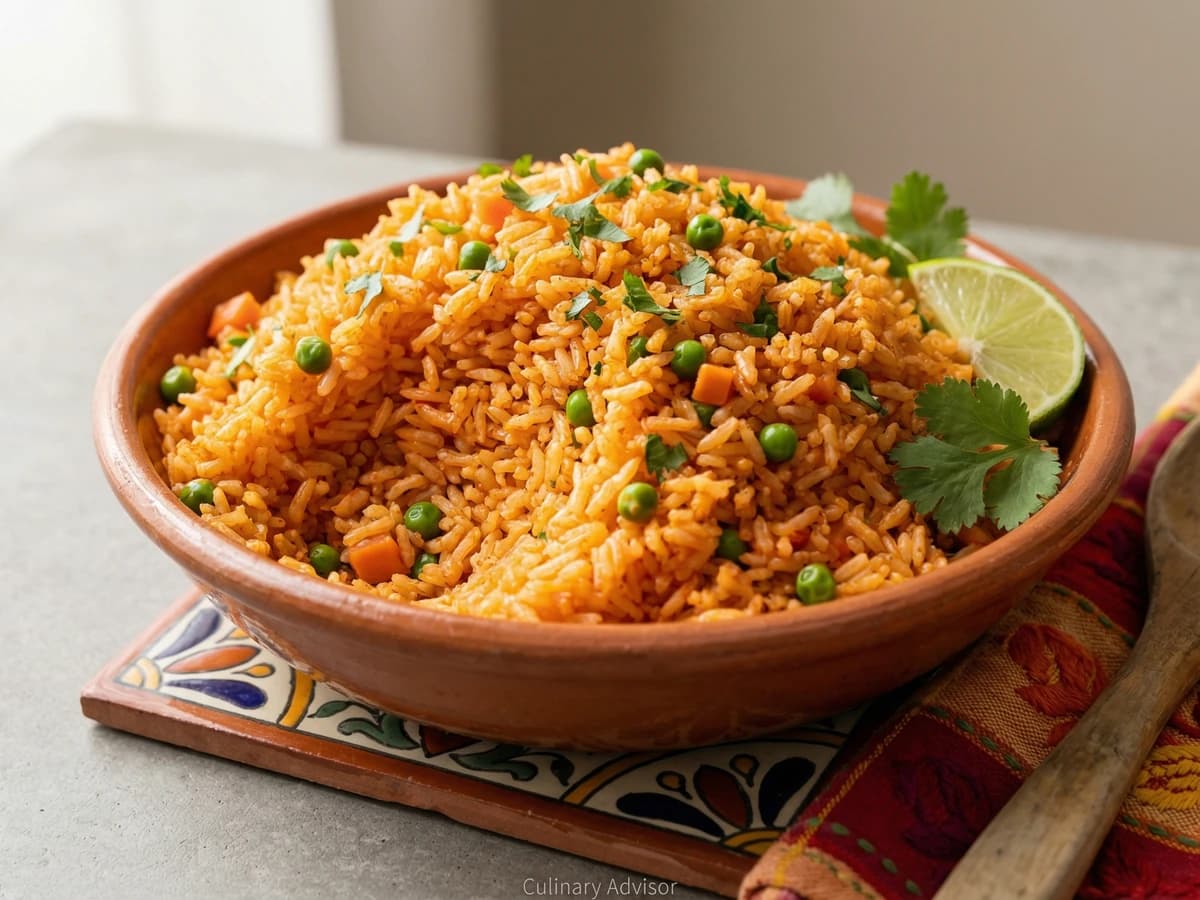
Golden-toasted rice simmered in a seasoned tomato broth until each grain is separate, tender, and infused with the warmth of onion, garlic, and cumin. The side dish that turns a simple meal into a proper Mexican feast.
A cooking platform built around craft, culture, and the stories behind what we eat.

Created by
Fire-kissed corn slathered with tangy lime crema, showered in salty cotija cheese, and dusted with smoky chili. The street vendors of Mexico City perfected this, and now you'll bring their magic to your backyard.
Walk the streets of any Mexican city at dusk and you'll find the elotero. He pushes a cart fitted with a charcoal brazier, corn roasting over open flame, calling out to passersby. For a few pesos, he'll hand you an ear still smoking from the fire, painted with crema, rolled in crumbled cheese, hit with lime and chili. You eat it standing on the sidewalk, juice running down your chin, wondering why you ever bothered with butter and salt.
This is food with history stretching back thousands of years. Corn is sacred in Mexico. The Maya believed humans were literally made from maize. When Spanish colonizers arrived, they found dozens of corn varieties and countless preparations. Elote predates the conquest. The street vendors simply added cream and cheese after cattle arrived from Europe.
I've eaten elote from Oaxaca to Tijuana, and the formula never changes: char, fat, salt, acid, heat. The corn must kiss real flame until kernels blister and caramelize. The crema must cling. The cotija must crumble like dry feta. The lime must cut through the richness. The chili must remind you this is Mexican food, not county fair fare.
You can make this on a gas grill, a charcoal kettle, or even a screaming-hot cast iron pan. The technique matters less than the commitment. Don't be timid with the toppings. An elotero would never hand you an ear with a polite smear of crema. He buries it. So should you.
Quantity
6 ears
husks and silk removed
Quantity
1/2 cup
Quantity
1/4 cup
Quantity
1 clove
finely minced
Quantity
1
zested
Quantity
2 tablespoons (about 1 lime)
Quantity
1 cup
finely crumbled
Quantity
1 teaspoon
Quantity
1/2 teaspoon
Quantity
1/4 teaspoon
Quantity
1/4 cup
roughly chopped
Quantity
for serving
Quantity
to taste
| Ingredient | Quantity |
|---|---|
| fresh cornhusks and silk removed | 6 ears |
| Mexican crema or sour cream | 1/2 cup |
| mayonnaise | 1/4 cup |
| garlicfinely minced | 1 clove |
| limezested | 1 |
| fresh lime juice | 2 tablespoons (about 1 lime) |
| cotija cheesefinely crumbled | 1 cup |
| ancho chili powder or Tajín seasoning | 1 teaspoon |
| smoked paprika | 1/2 teaspoon |
| cayenne pepper (optional) | 1/4 teaspoon |
| fresh cilantroroughly chopped | 1/4 cup |
| lime wedges | for serving |
| kosher salt | to taste |
Whisk together the Mexican crema, mayonnaise, minced garlic, lime zest, and one tablespoon of the lime juice in a medium bowl. The mixture should be smooth and spreadable, thick enough to cling but loose enough to paint. Taste it. The garlic should whisper, not shout. The lime should brighten without puckering. Season with a pinch of salt. Set aside at room temperature while you grill.
Spread the crumbled cotija on a rimmed plate or shallow dish wide enough to roll an ear of corn. Mix the ancho chili powder, smoked paprika, and cayenne (if using) in a small bowl. You'll dust this over the finished corn, so keep it within reach of your grilling station.
Fire up your grill to medium-high heat, around 400 to 450 degrees. If using charcoal, wait until coals glow orange and are covered with white ash. Clean the grates with a wire brush and oil them lightly with a paper towel dipped in vegetable oil. The corn should sizzle the moment it touches the grates.
Place corn directly on the hot grates. Let it sit without moving for two to three minutes until you see char marks forming and hear the kernels crackling. Rotate a quarter turn and repeat. Continue until the corn is charred in spots all around, ten to fifteen minutes total. Some kernels will blacken and blister. This is exactly what you want. That char is flavor.
Working quickly while the corn is still hot, use a pastry brush or the back of a spoon to coat each ear generously with the crema mixture. Don't be shy. The crema should cover every kernel, pooling slightly in the crevices. The heat from the corn will loosen the crema just enough to help it cling.
Immediately roll each crema-coated ear through the plate of cotija, pressing gently to adhere. The cheese should stick to the crema in a generous, shaggy coating. If bare spots remain, sprinkle additional cheese over them by hand. There is no such thing as too much cotija on elote.
Arrange the corn on a platter. Dust each ear with the chili powder mixture, going heavier if you like heat, lighter for tender palates. Scatter chopped cilantro over the top. Squeeze the remaining tablespoon of lime juice over everything. Serve immediately with extra lime wedges for guests who want more acid. Provide plenty of napkins. This is not polite food.
1 serving (about 260g)
Culinary guides, cultural storytelling, and the editorial depth that makes cooking meaningful.
Discover Culinary ExplorerChef Dean
Golden-toasted rice simmered in a seasoned tomato broth until each grain is separate, tender, and infused with the warmth of onion, garlic, and cumin. The side dish that turns a simple meal into a proper Mexican feast.

Chef Dean
Dried pinto beans simmered until tender, then mashed and fried in honest fat until they turn glossy, creamy, and deeply satisfying. This is the foundation of every great Tex-Mex spread.
Chef Juliette
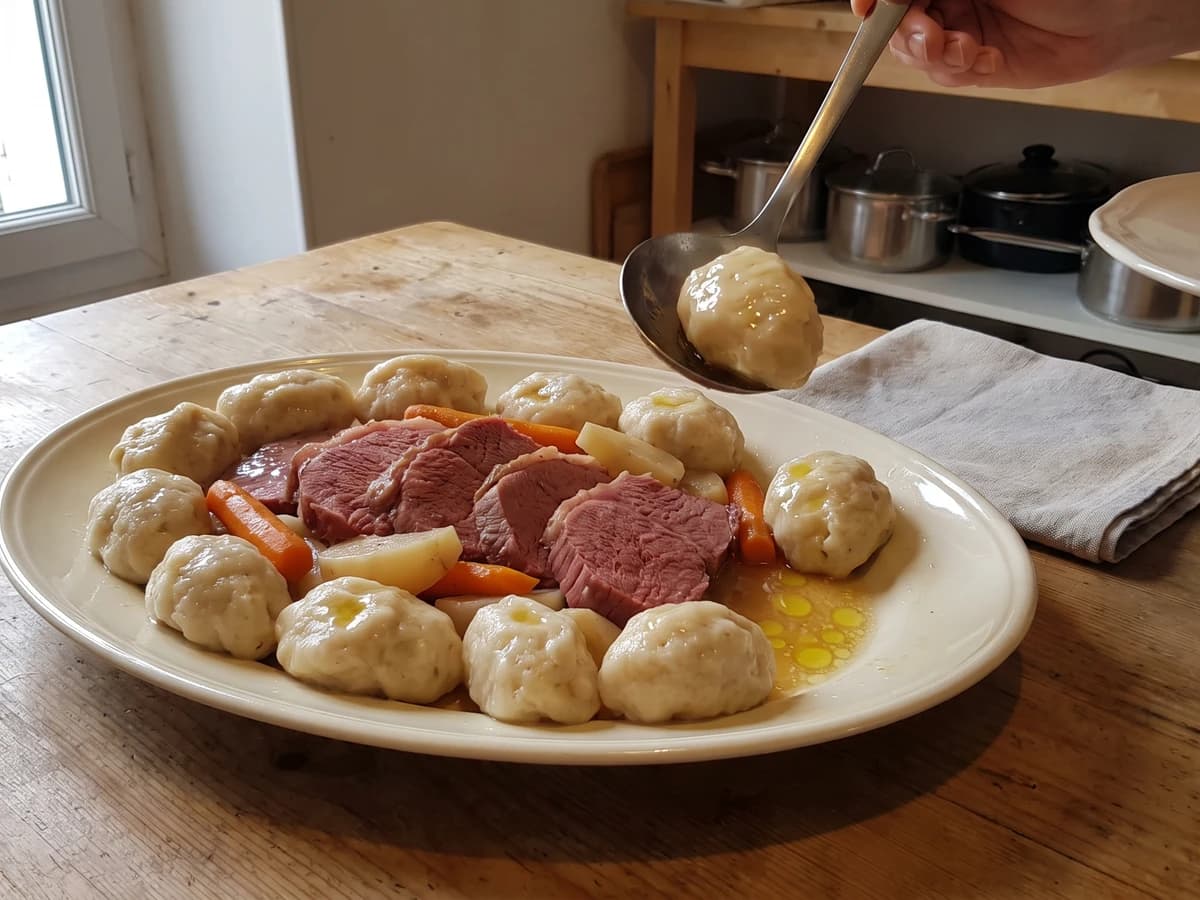
Boulettes au suif, poached beside salt beef, turn equal weights of flour and finely chopped suet into tender, rich dumplings. Keep the beef liquor at a bare tremble and the old garnish works beautifully at home.

Chef Juliette
Bread, flour, frangipane, and rice become four cool, supple panades for binding forcemeats, each changing body and flavor while preserving tenderness. The finest Mousselines need none, and knowing that distinction is the lesson.