Chef Juliette
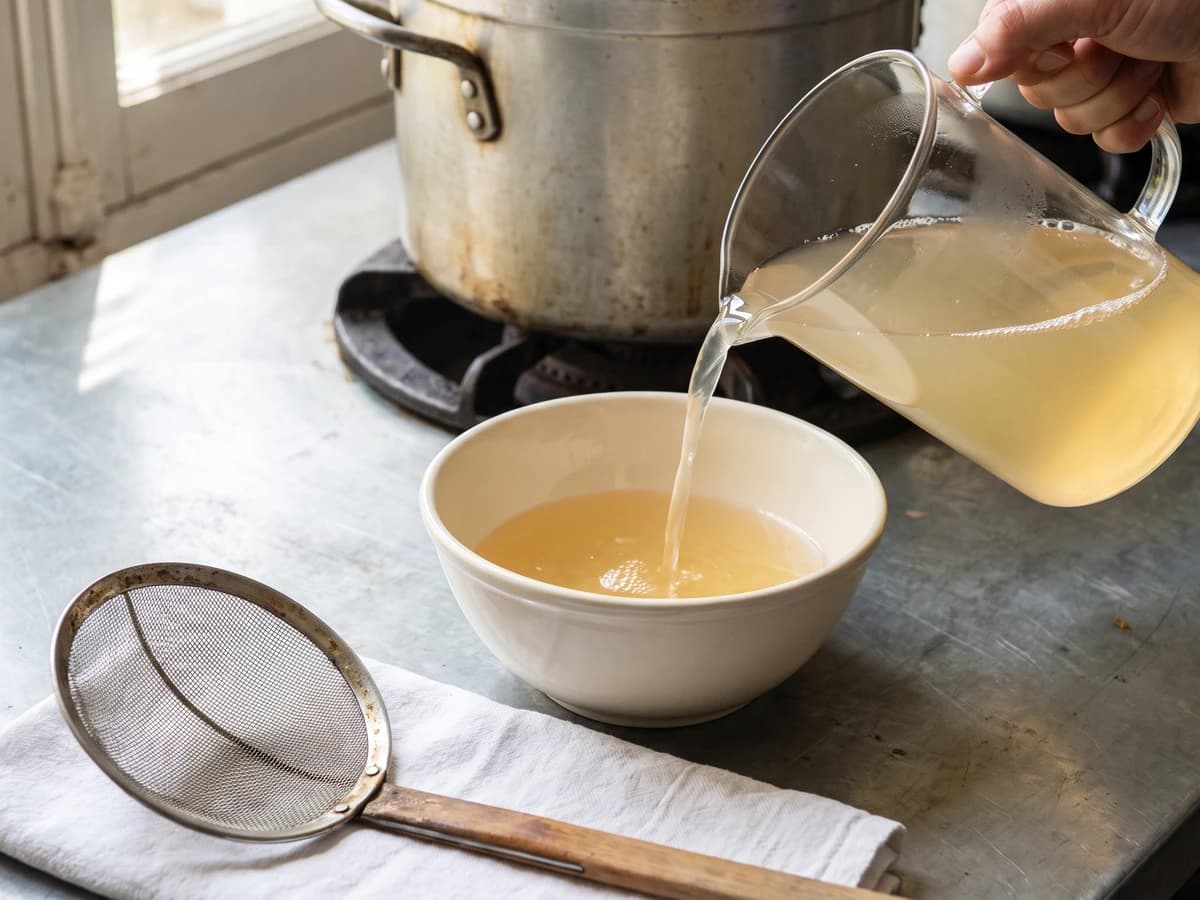
Ordinary or White Consommé
Beef shin, lean beef, and fowl begin in cold water and rise slowly toward a tremble. Skim before the boil, and you learn the quiet discipline that gives every clear French broth its backbone.
A cooking platform built around craft, culture, and the stories behind what we eat.

Created by
A Caribbean collision of sweet, ripe mango and scorching habanero, tempered with lime, cilantro, and just enough honey to keep the peace. This salsa belongs on grilled fish, beside jerk chicken, or eaten recklessly with chips.
The Caribbean knows something about balance that mainland cooks often forget. Heat without sweetness is just pain. Sweetness without heat is dessert. The islands learned centuries ago to marry tropical fruit with fiery peppers, creating salsas and condiments that dance on your tongue rather than assault it.
This mango habanero salsa follows that tradition honestly. The mango provides body and natural sugar. The habanero brings searing, fruity heat with notes of apricot and citrus hiding beneath the fire. Lime juice brightens everything while honey smooths the rough edges. What you get is a condiment that transforms grilled fish into a destination, makes chicken thighs memorable, and disappears from the table at parties faster than you'd believe possible.
The technique is simple but the details matter. Your mangos must be ripe. Underripe fruit gives you crunchy, flavorless cubes that won't release their juices. Your habaneros must be handled with respect and distributed evenly. One bite shouldn't be mild and the next volcanic. And the resting time is not optional. Raw salsa needs time to become itself.
Quantity
3 (about 2 pounds)
peeled and diced into 1/4-inch pieces
Quantity
1/2 medium
finely diced
Quantity
1 to 2
stemmed, seeded, and minced
Quantity
1/4 cup
roughly chopped
Quantity
3 tablespoons (about 2 limes)
Quantity
1 tablespoon
Quantity
1/2 teaspoon, plus more to taste
Quantity
1/4 teaspoon
Quantity
pinch
| Ingredient | Quantity |
|---|---|
| ripe mangospeeled and diced into 1/4-inch pieces | 3 (about 2 pounds) |
| red onionfinely diced | 1/2 medium |
| habanero peppersstemmed, seeded, and minced | 1 to 2 |
| fresh cilantro leavesroughly chopped | 1/4 cup |
| fresh lime juice | 3 tablespoons (about 2 limes) |
| honey or agave nectar | 1 tablespoon |
| fine sea salt | 1/2 teaspoon, plus more to taste |
| ground cumin | 1/4 teaspoon |
| cayenne pepper (optional) | pinch |
Choose mangos that yield slightly to pressure and smell fragrant at the stem end. That perfume tells you everything. Cut along each side of the flat pit, score the flesh in a crosshatch pattern without piercing the skin, then invert and slice the cubes away. You want pieces small enough to balance on a chip but substantial enough to taste.
Wear gloves or coat your hands with a thin layer of vegetable oil before touching habaneros. Slice each pepper in half lengthwise. The pale membrane and seeds hold most of the fire. Scrape them out completely for a salsa with warmth but not warfare, or leave a few seeds for serious heat. Mince the flesh as finely as your knife allows. Invisible pieces distribute the heat evenly.
Place diced red onion in a fine-mesh strainer and rinse under cold running water for thirty seconds. This washes away the sulfurous compounds that make raw onion harsh. Shake dry and blot with paper towels. The onion will taste clean and sweet, providing crunch without overpowering the fruit.
Combine diced mango, rinsed onion, and minced habanero in a large mixing bowl. Add cilantro, lime juice, honey, salt, and cumin. Fold everything together with a rubber spatula, taking care not to crush the mango pieces. The mixture should look like stained glass: golden, red, green, and glistening.
Cover the bowl and refrigerate for at least thirty minutes. This resting period allows the salt to draw moisture from the fruit, creating a light syrup that mingles the flavors. Taste after resting. The heat will have bloomed, the lime will have mellowed, and you can decide if it needs more salt, more acid, or a pinch of cayenne for depth.
Remove from refrigerator fifteen minutes before serving. Straight from the cold, the mango tastes muted and the habanero lurks in the background. At cool room temperature, every element sings. Give the salsa a final stir, taste once more, and transfer to your serving bowl.
1 serving (about 120g)
Culinary guides, cultural storytelling, and the editorial depth that makes cooking meaningful.
Discover Culinary ExplorerChef Juliette
Beef shin, lean beef, and fowl begin in cold water and rise slowly toward a tremble. Skim before the boil, and you learn the quiet discipline that gives every clear French broth its backbone.
Chef Juliette
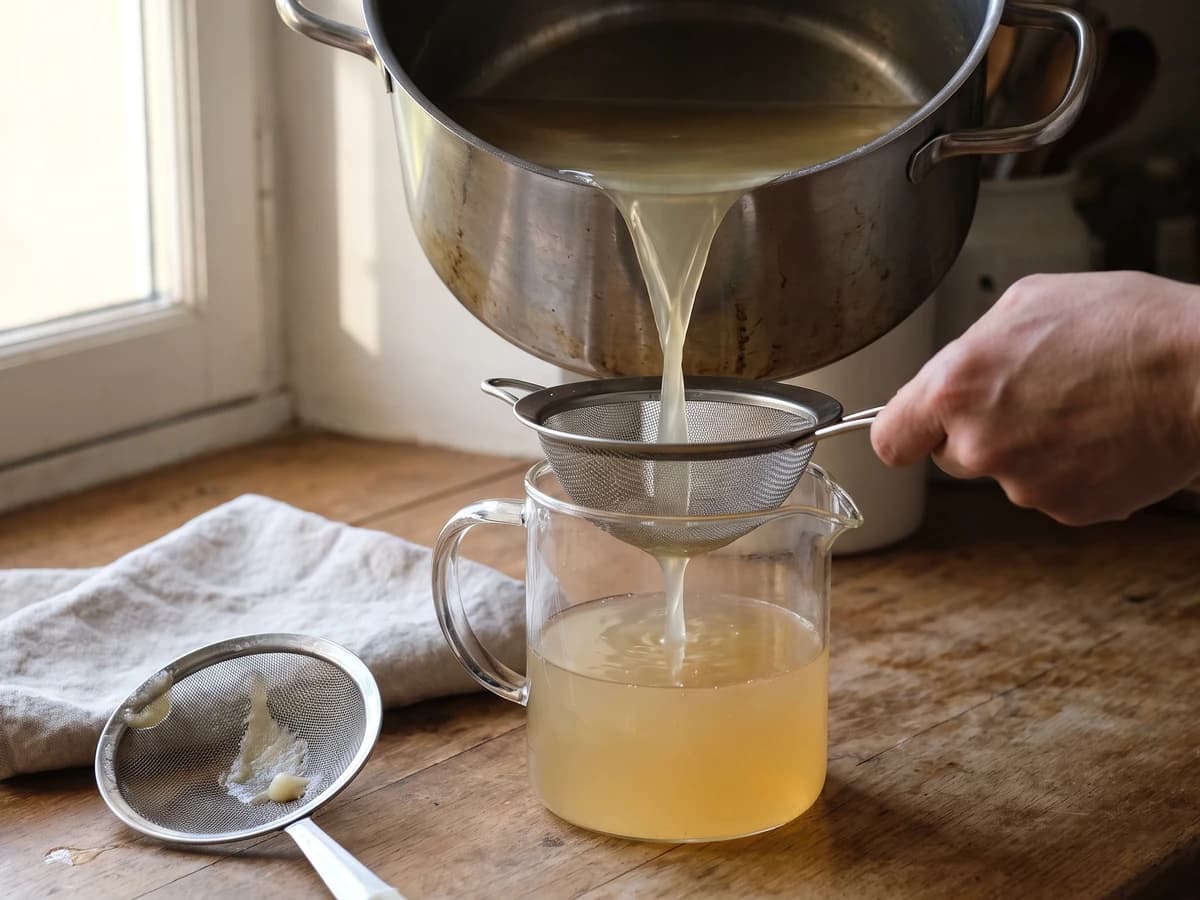
Break the veal bones small, then give them eight hours at a bare tremble. This pale, gelatinous fond becomes the quiet foundation beneath velouté, blanquette, and every sauce that must stay light.
Chef Juliette
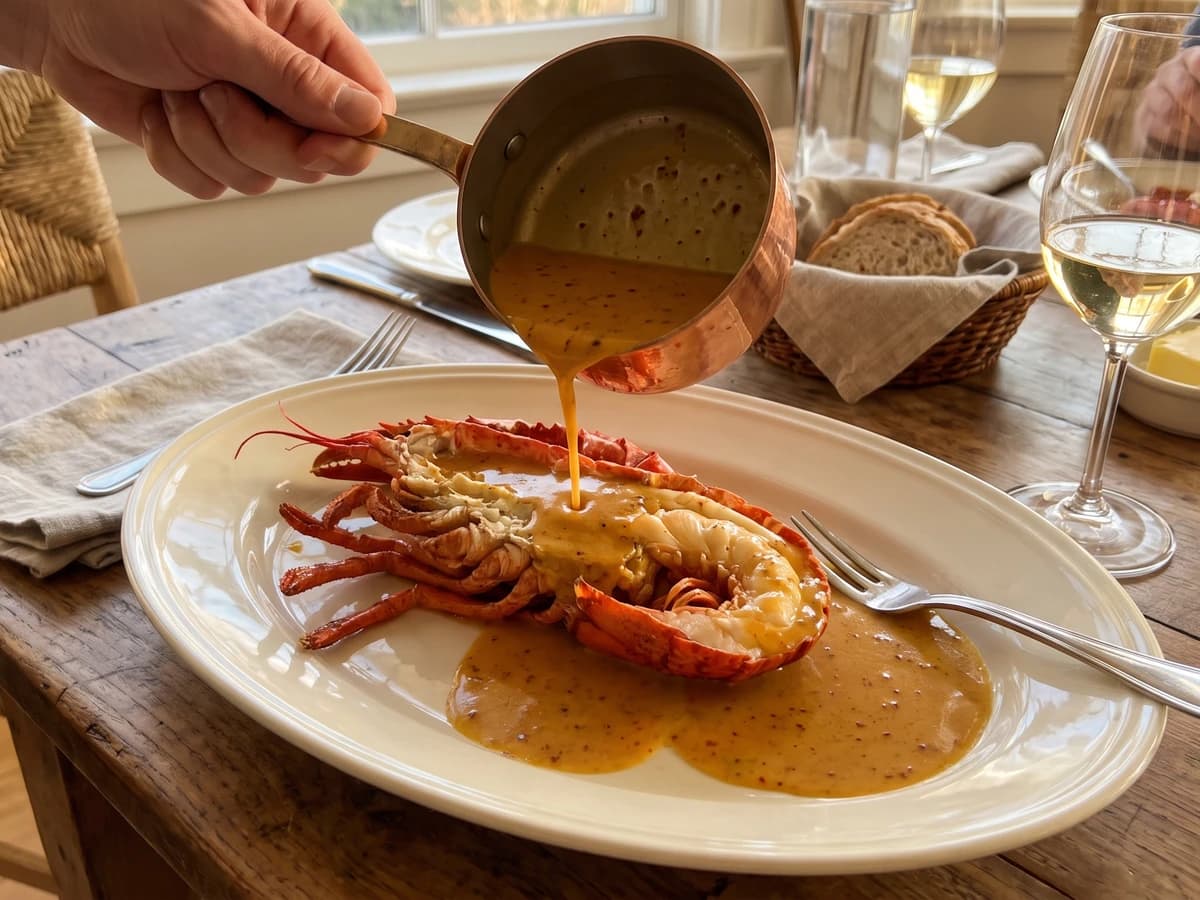
Sauce Orientale concentrates lobster-rich American Sauce with curry, then folds in cream away from the fire: a glossy, gently spiced derivative made for lobster, crayfish, and firm fish.
Chef Juliette
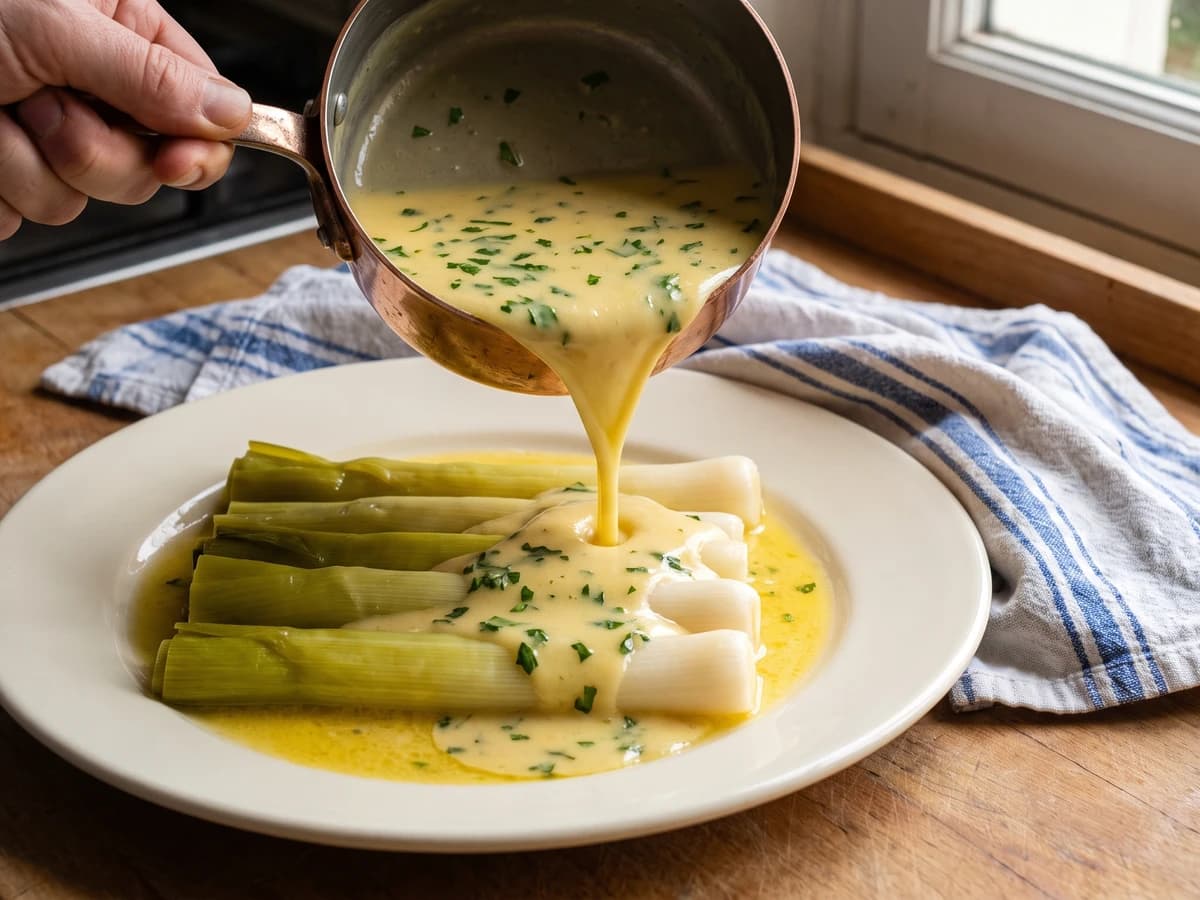
An old lesson in sauce families: Sauce Allemande takes mushroom liquor, then butter, lemon, and parsley, becoming a glossy Poulette for sheep's trotters, leeks, cauliflower, and anything needing gentle richness with a bright edge.