
Chef Dimitra
Chios Nerantzi Glyko Koutaliou (Νεράντζι Γλυκό Κουταλιού)
Chios bitter orange peel rolled into tight coils, blanched through clean waters, then preserved in a clear fragrant syrup for the spoon-sweet tray.
A cooking platform built around craft, culture, and the stories behind what we eat.
Created by
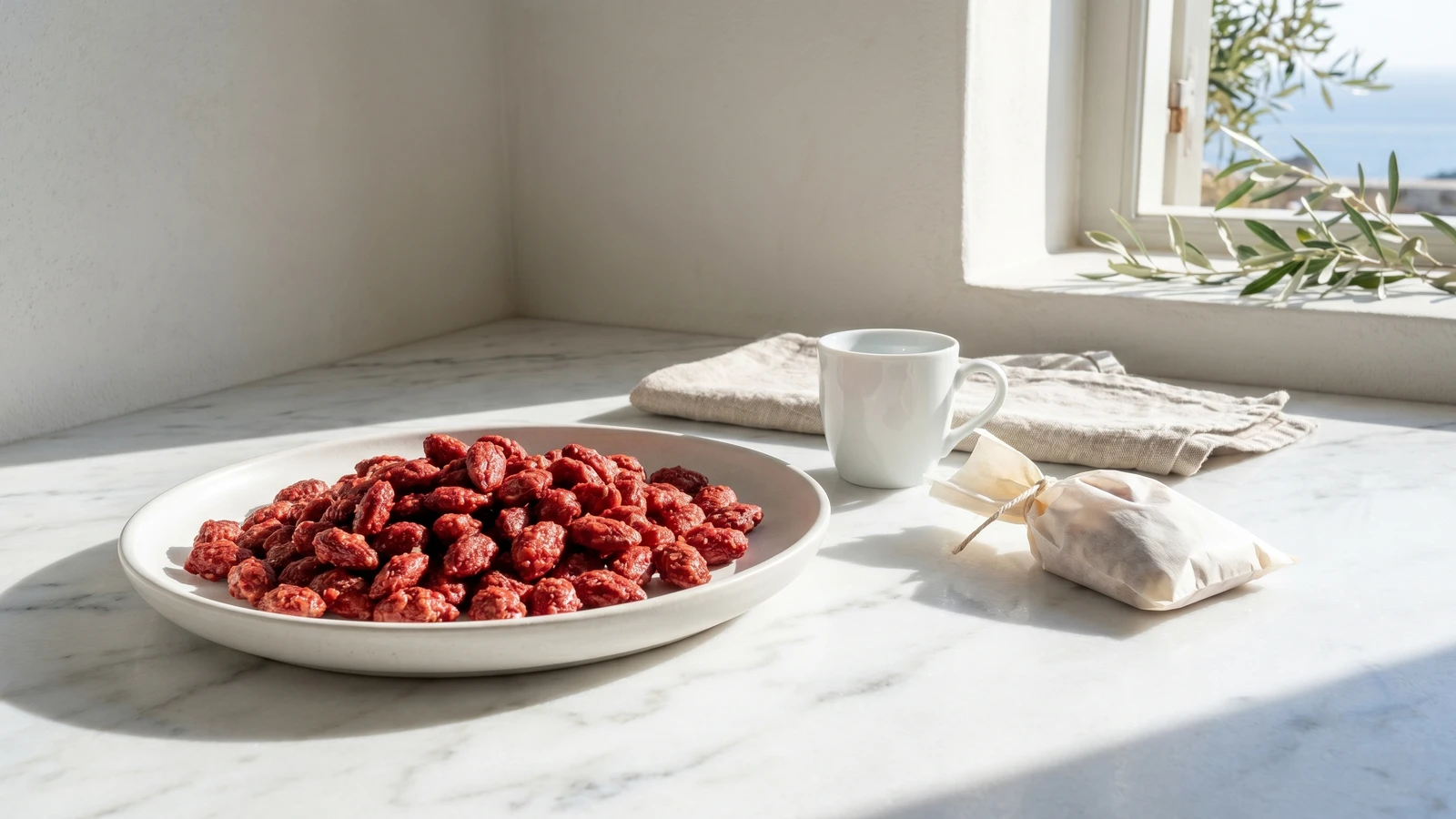
Kefalonia's mandoles are whole roasted almonds in a red caramelised sugar shell, made by stirring off heat until the coating clings cleanly to each almond.
Mandoles Kefalonias are Kefalonia's red almonds, glossy little sweets made from whole roasted almonds and sugar stained the color of old Ionian shop windows. They are not sugared almonds for a wedding tray, and they are not brittle. They should rattle in a tin, catch the light, and crack crisp before the almond gives underneath.
The whole dish rests on the off-heat stir. Once the syrup tightens around the almonds, you pull the pan away and keep tumbling them so the sugar coats each nut instead of collapsing into one hard sheet. Do that calmly and the mandoles stay separate. Rush it, and you'll have a red lump with almonds trapped inside, which may be edible but has lost its Kefalonian manners.
I keep the color because it belongs to the island version. Leave it out if you must, but then say plainly that you've made caramel almonds, not Mandoles Kefalonias. The region is the dish's surname. A recipe written down is a recipe saved, even when it is only almonds, sugar, and the patience to stir.
Mandoles belong to Kefalonia and the Ionian Islands, where centuries of Venetian rule left Italian food words in the local kitchen; the name is tied to mandorle, the Italian word for almonds. The Ionian Islands remained under Venetian control until 1797, and their sweets kept a different accent from much of the mainland, with almond confections, sugar work, and Italianate names living beside Greek feast days. The red sugar shell became the Kefalonian marker, separating these mandoles from ordinary caramelised almonds.
Quantity
300g
skins on
Quantity
300g
Quantity
120ml
Quantity
1 teaspoon
Quantity
8 to 10 drops liquid, or 1/4 teaspoon gel
suitable for hot sugar
| Ingredient | Quantity |
|---|---|
| whole raw almondsskins on | 300g |
| granulated sugar | 300g |
| water | 120ml |
| lemon juice | 1 teaspoon |
| red confectionery coloringsuitable for hot sugar | 8 to 10 drops liquid, or 1/4 teaspoon gel |
Heat the oven to 170C. Spread the almonds on a baking tray and roast for 10 to 12 minutes, shaking once, until they smell warm and nutty but have not darkened hard. Let them sit near the stove so they go into the syrup warm, not cold.
Line a large baking tray with baking parchment and set it close to the stove. Hot sugar waits for no one. Use a wooden spoon and keep your hands clear of the syrup.
Put the sugar, water, lemon juice, and red coloring into a heavy wide pan. Stir over medium heat only until the sugar dissolves, then let it boil without stirring for 5 to 7 minutes, until the bubbles grow thick and the syrup falls from the spoon in a heavy thread.
Tip in the warm almonds and stir constantly. First the pan will look glossy and loose. Then the syrup will tighten, turn cloudy, and begin to cling to the almonds in red grains. Keep going.
Take the pan off the heat and keep stirring firmly for 2 to 3 minutes, lifting and tumbling the almonds until the sugar coats them instead of gathering in one lump. This is the step that decides mandoles. The sugar must grab each almond before it turns into a hard praline slab.
Return the pan to very low heat and stir for 3 to 5 minutes more. The rough red sugar will melt in patches and turn shiny, but don't melt it all the way smooth. Mandoles should be craggy, glossy, and separate, with roasted almond showing under a crisp red shell.
Scrape the mandoles onto the lined tray and spread them out quickly with the spoon. When they are just cool enough to touch, separate any joined almonds. Let them cool completely, then store in an airtight tin in a dry cupboard.
1 serving (about 60g)
Culinary guides, cultural storytelling, and the editorial depth that makes cooking meaningful.
Discover Culinary ExplorerChef Dimitra
Chios bitter orange peel rolled into tight coils, blanched through clean waters, then preserved in a clear fragrant syrup for the spoon-sweet tray.

Chef Dimitra
Chios gives vanilla submarine its mastic breath: a pearly spoon sweet stirred stiff, served cold in water, and offered as the simplest kerasma.
Chef Dimitra
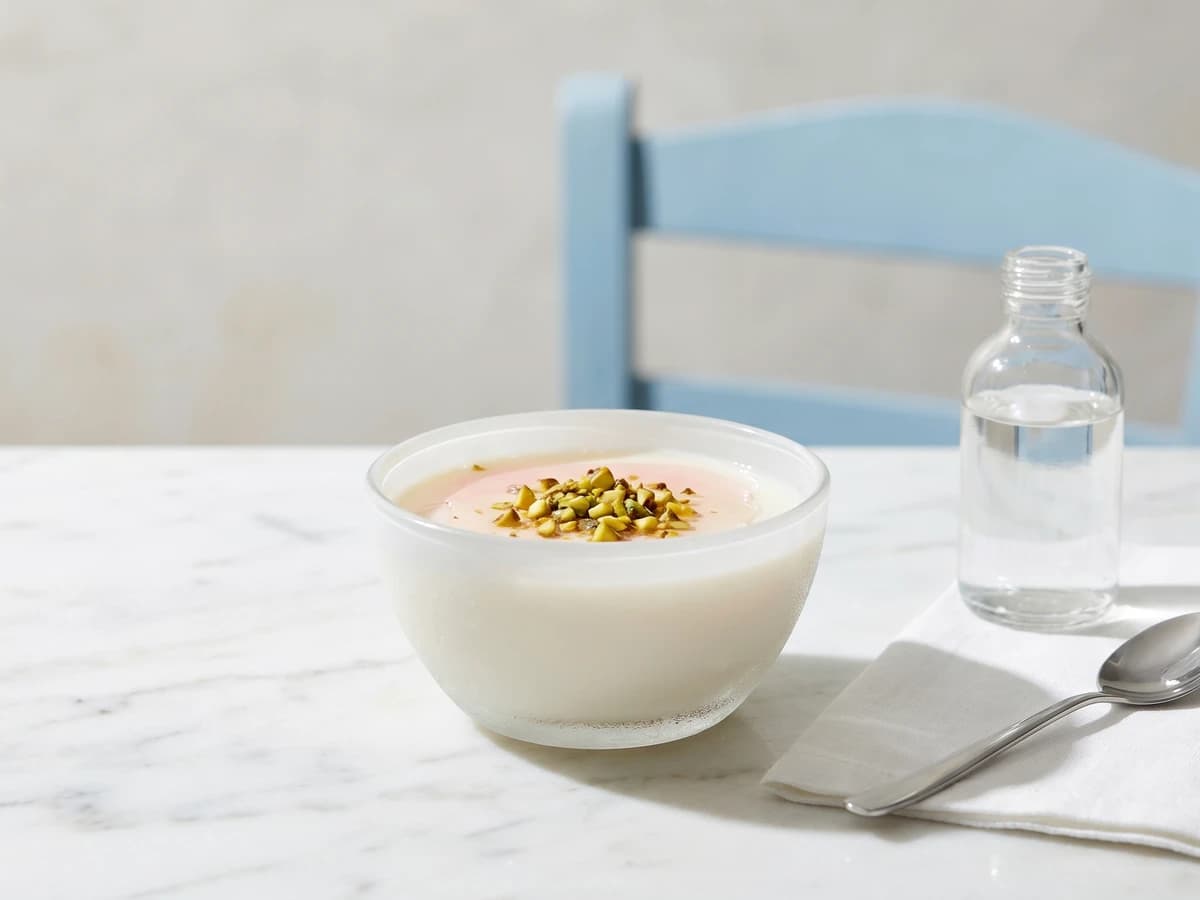
Mahalepi is the cooling milk pudding of Cyprus and the Politiki table: pale, trembling, and loosened at the spoon with cold rosewater syrup.
Chef Dimitra
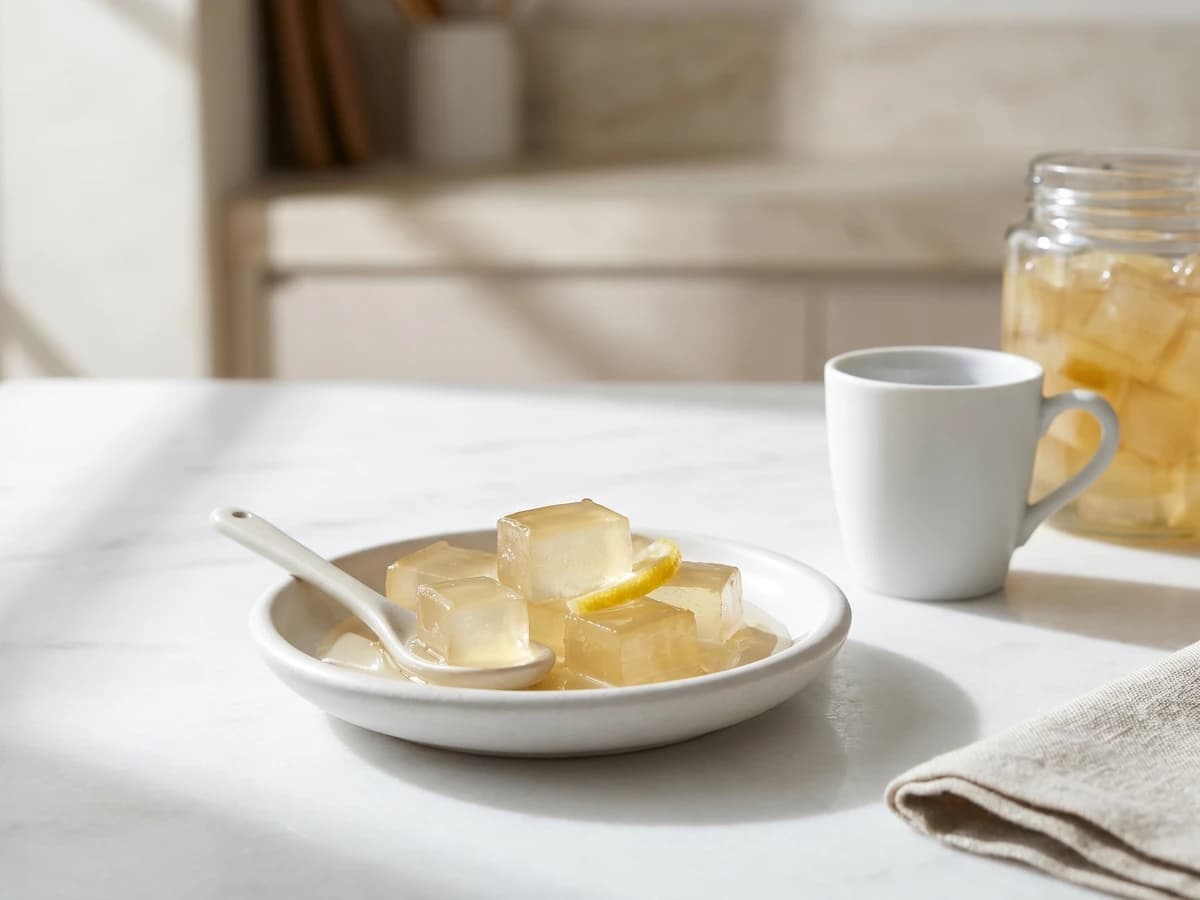
Cyprus keeps the watermelon after the red flesh is gone: firm white rind, lime-soaked for snap, simmered slowly in lemon syrup until each piece shines on the spoon.