Chef Thomas
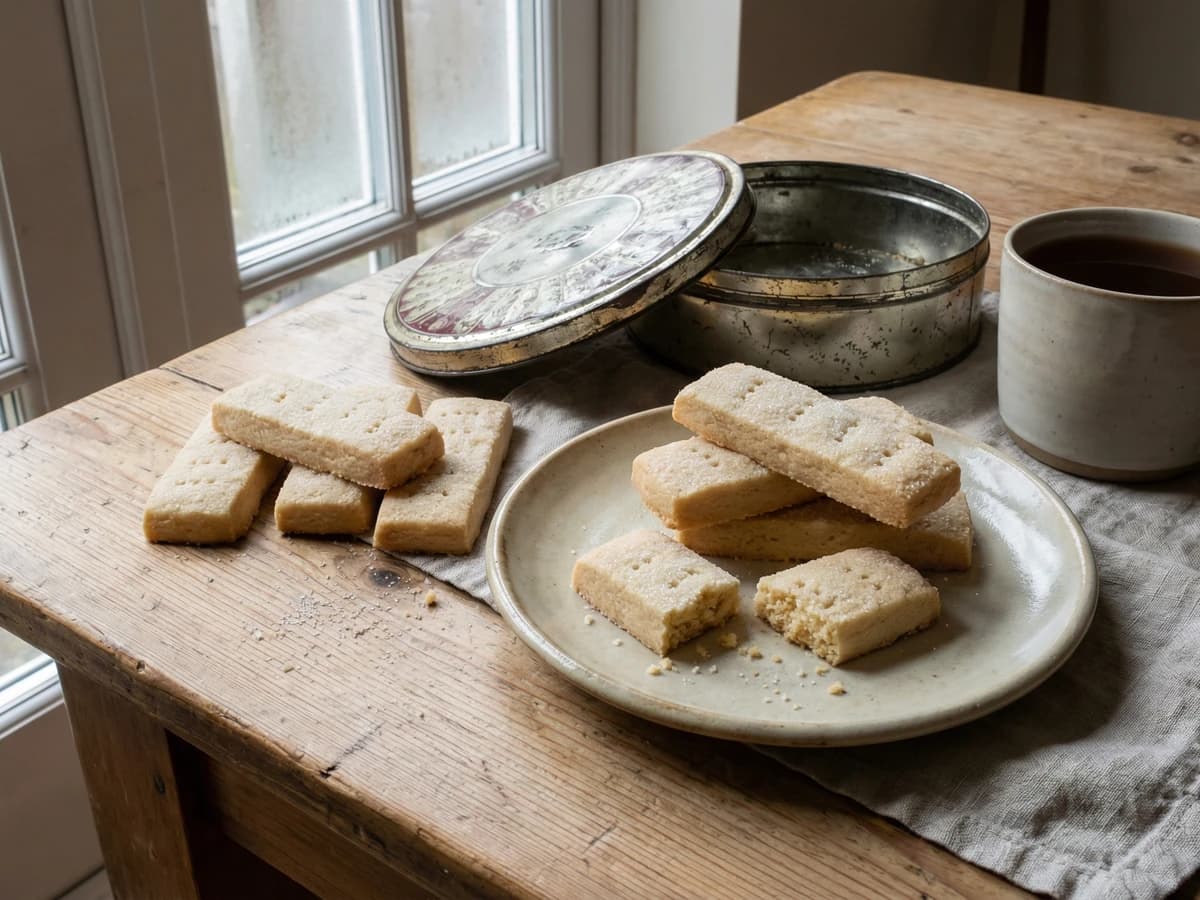
All-Butter Shortbread Fingers
The plainest biscuit in the tin and the hardest one to stop eating, three ingredients and a slow oven turning good butter into something quietly perfect with a cup of tea.
A cooking platform built around craft, culture, and the stories behind what we eat.
Created by Chef Thomas
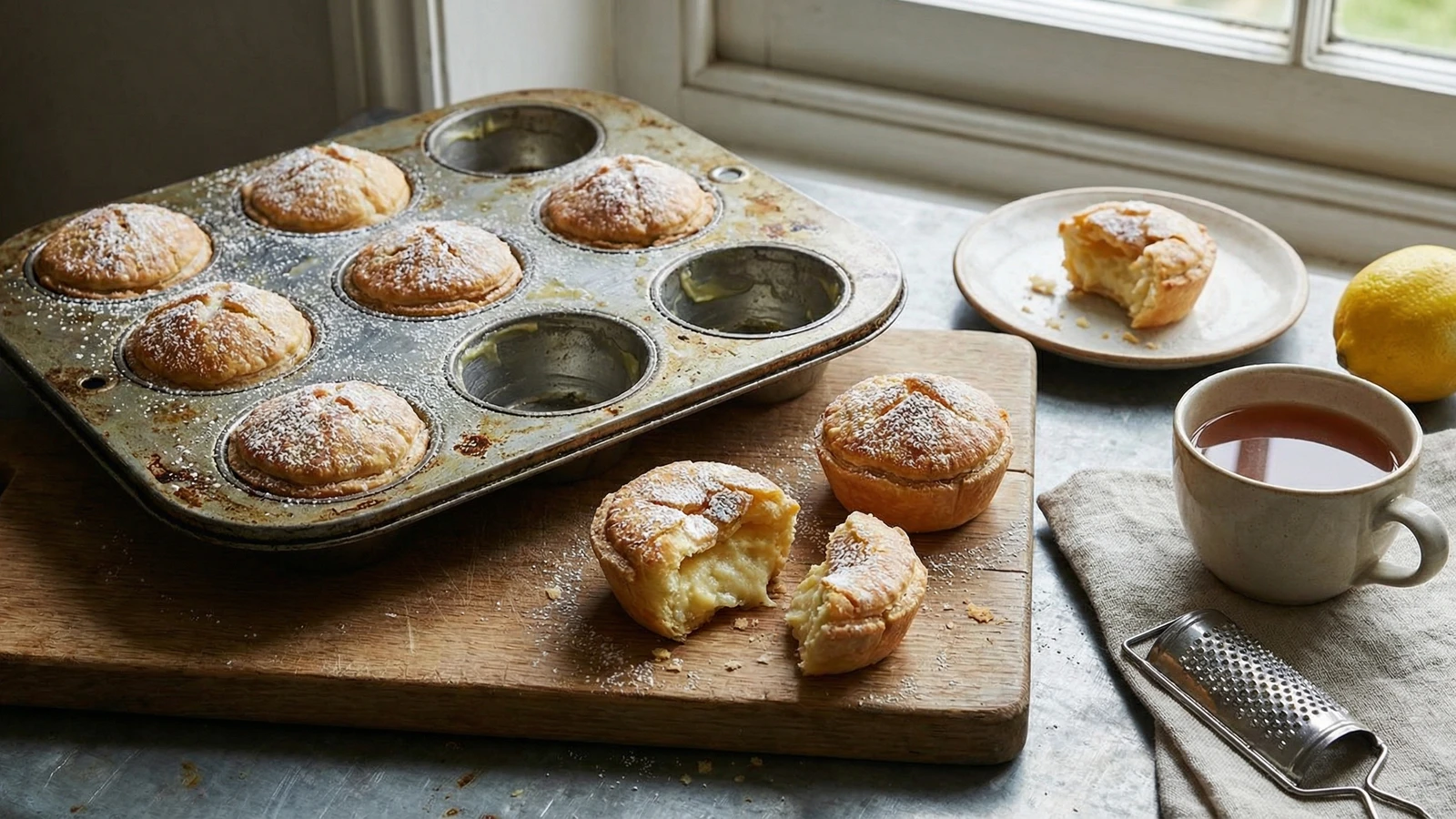
Tudor tarts of puff pastry, curd cheese, almonds and lemon, baked until the tops puff and crack and turn golden. The kind of small ceremony a winter afternoon asks for.
There's an hour late in the afternoon when the kettle goes on whether anyone has asked for it or not. Mid-winter, especially. The light has thinned and gone amber, and the day needs a small ceremony to mark its turning. Maids of honour are for that hour.
I won't pretend to know exactly why they're called what they're called. Something about Henry VIII and his court, the story goes, and a corridor at Hampton Court, and Anne Boleyn's ladies eating them out of sight. You can still buy them in a small shop in Kew that's been making them by the same recipe for two centuries. I went once. They were very good. But you can make them at home and they will also be very good, which is the point of cooking anything.
A puff pastry case, filled with curd cheese softened with ground almonds and lemon and a grating of nutmeg, baked until the tops dome and crack and go golden. They smell like a cross between a cheesecake and a pastry shop. The filling stays soft, almost custardy, against the crisp pastry beneath. Eat them warm with strong tea. The afternoon becomes deliberate.
Quantity
375g
block, chilled
Quantity
250g
well drained
Quantity
60g
Quantity
50g
Quantity
2
Quantity
1
zest only
Quantity
1 tablespoon
Quantity
1/4 teaspoon
Quantity
pinch
Quantity
for dusting
Quantity
for the tin
| Ingredient | Quantity |
|---|---|
| all-butter puff pastryblock, chilled | 375g |
| curd cheese or ricottawell drained | 250g |
| caster sugar | 60g |
| ground almonds | 50g |
| large egg yolks | 2 |
| unwaxed lemonzest only | 1 |
| brandy (optional) | 1 tablespoon |
| freshly grated nutmeg | 1/4 teaspoon |
| fine sea salt | pinch |
| icing sugar (optional) | for dusting |
| soft butter | for the tin |
Heat the oven to 200C/180C fan. Butter the holes of a 12-hole bun tin or shallow tartlet tin generously, getting into the corners. Puff pastry releases more easily from a well-buttered tin, and you will thank yourself later when the tarts come out clean.
On a lightly floured surface, roll the puff pastry to about 3mm thick. Not paper thin, but thin enough to puff and crisp rather than turn doughy. Cut twelve circles with a 7 to 8cm round cutter and press each one gently into a hole in the tin, settling it in without stretching. Stretched pastry shrinks back as it bakes, and you'll lose the cup. Slide the lined tin into the fridge while you make the filling. Cold pastry puffs better than warm.
In a bowl, beat together the curd cheese, sugar, ground almonds, egg yolks, lemon zest, brandy if you're using it, nutmeg and a pinch of salt. The mixture should be soft, fragrant, pale gold. Taste it. It should be sweet, but with the lemon and almond clearly there. If the curd cheese was a bit bland, give it more zest. A recipe is a conversation, not a contract.
Take the tin from the fridge and spoon a generous teaspoon of filling into each pastry case. Three-quarters full, no more. The mixture rises and domes as it bakes, and you don't want it spilling over the edges. Bake for eighteen to twenty-two minutes, until the pastry edges have gone golden and the tops are puffed, domed and lightly cracked. The kitchen will smell of warm almonds and lemon. Trust your nose. It knows before the timer does.
Take the tin out and leave the tarts to settle for ten minutes. The filling is too soft to move straightaway, but it firms as it cools into something almost custardy. Lift each tart out gently with the tip of a knife. Dust with icing sugar if you like, though they don't really need it. Eat warm, with strong tea.
1 serving (about 65g)
Culinary guides, cultural storytelling, and the editorial depth that makes cooking meaningful.
Discover Culinary ExplorerChef Thomas
The plainest biscuit in the tin and the hardest one to stop eating, three ingredients and a slow oven turning good butter into something quietly perfect with a cup of tea.
Chef Thomas
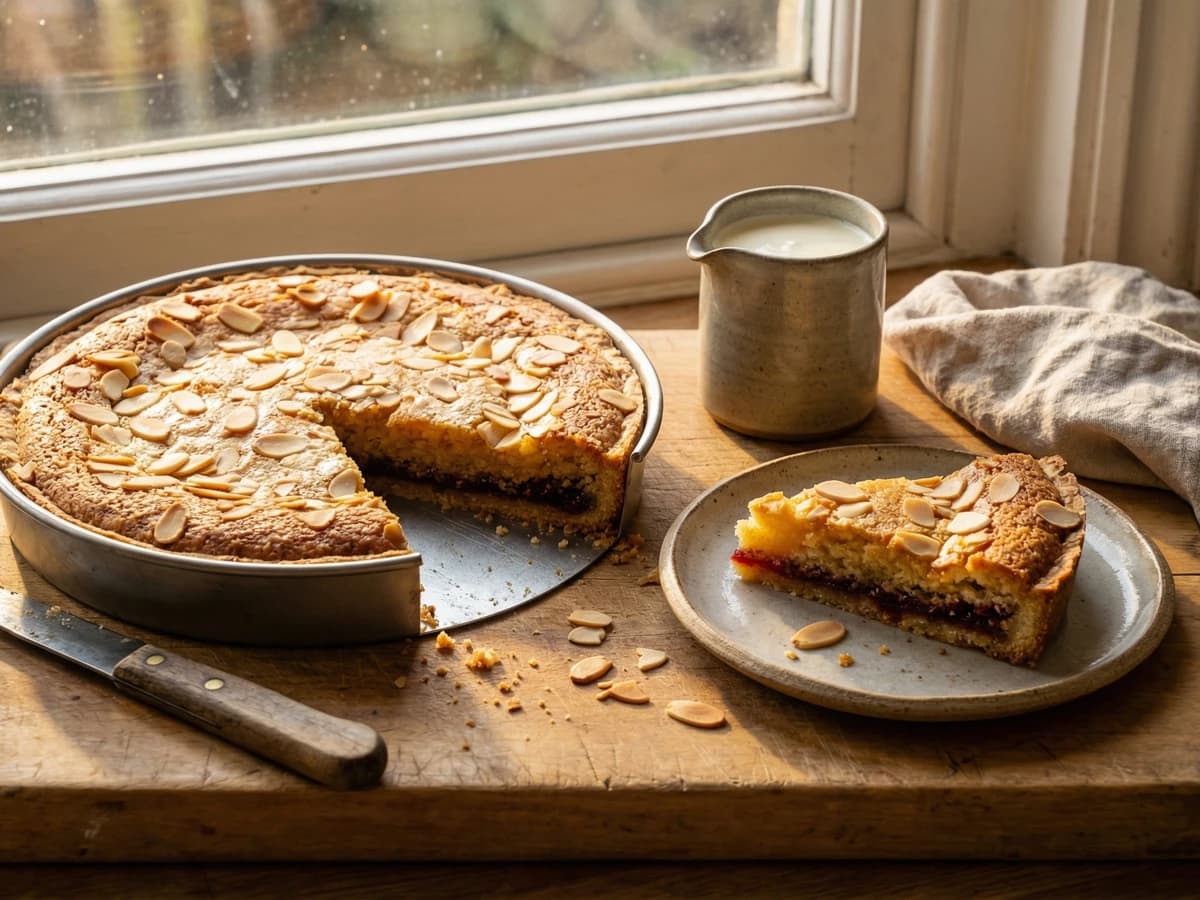
A proper Bakewell tart with buttery shortcrust, a thick layer of raspberry jam, and almond frangipane baked golden under a scattering of flaked almonds. No icing. No nonsense.
Chef Thomas
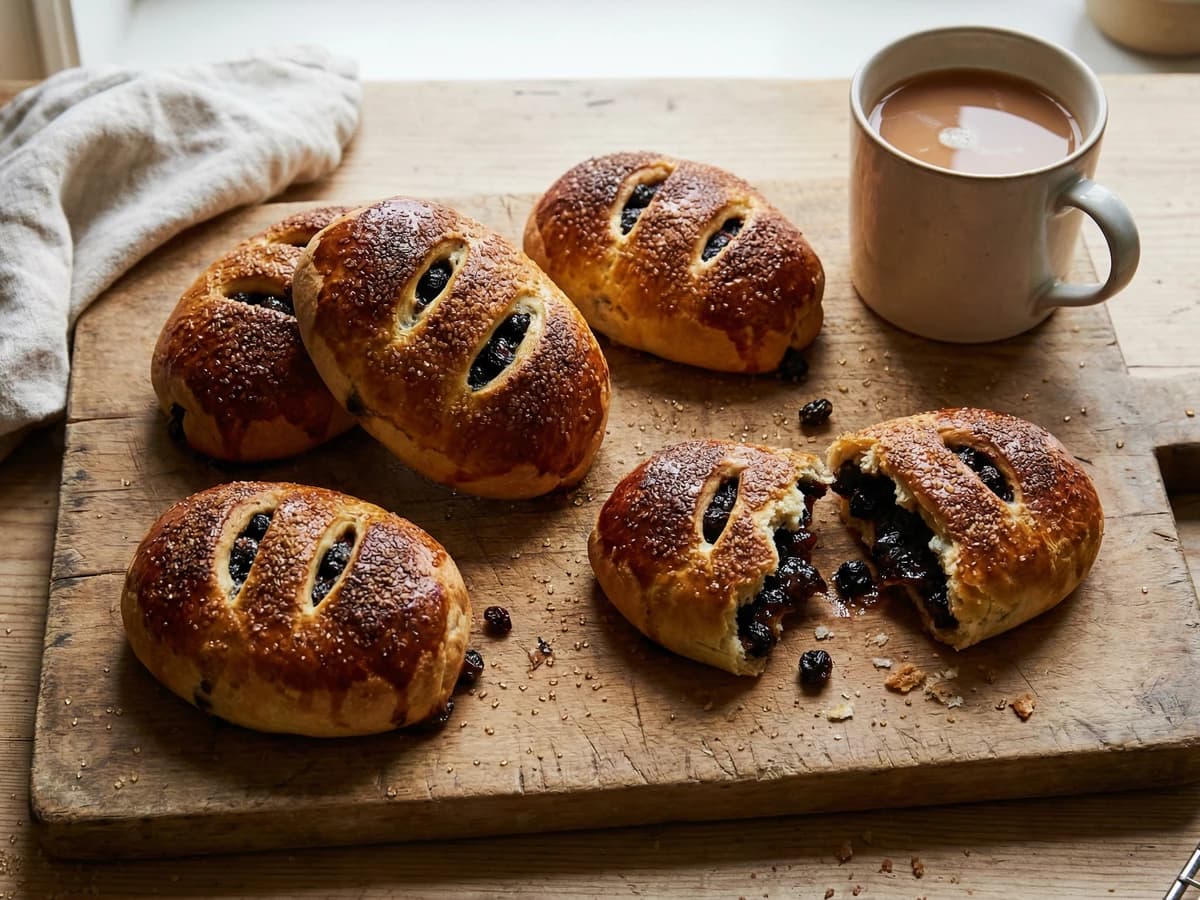
Oval pastries filled with rum-soaked currants and spice, baked until the tops crackle with sugar. The kind of thing to make on a wet Sunday afternoon when you want the kitchen to smell of something.
Chef Thomas
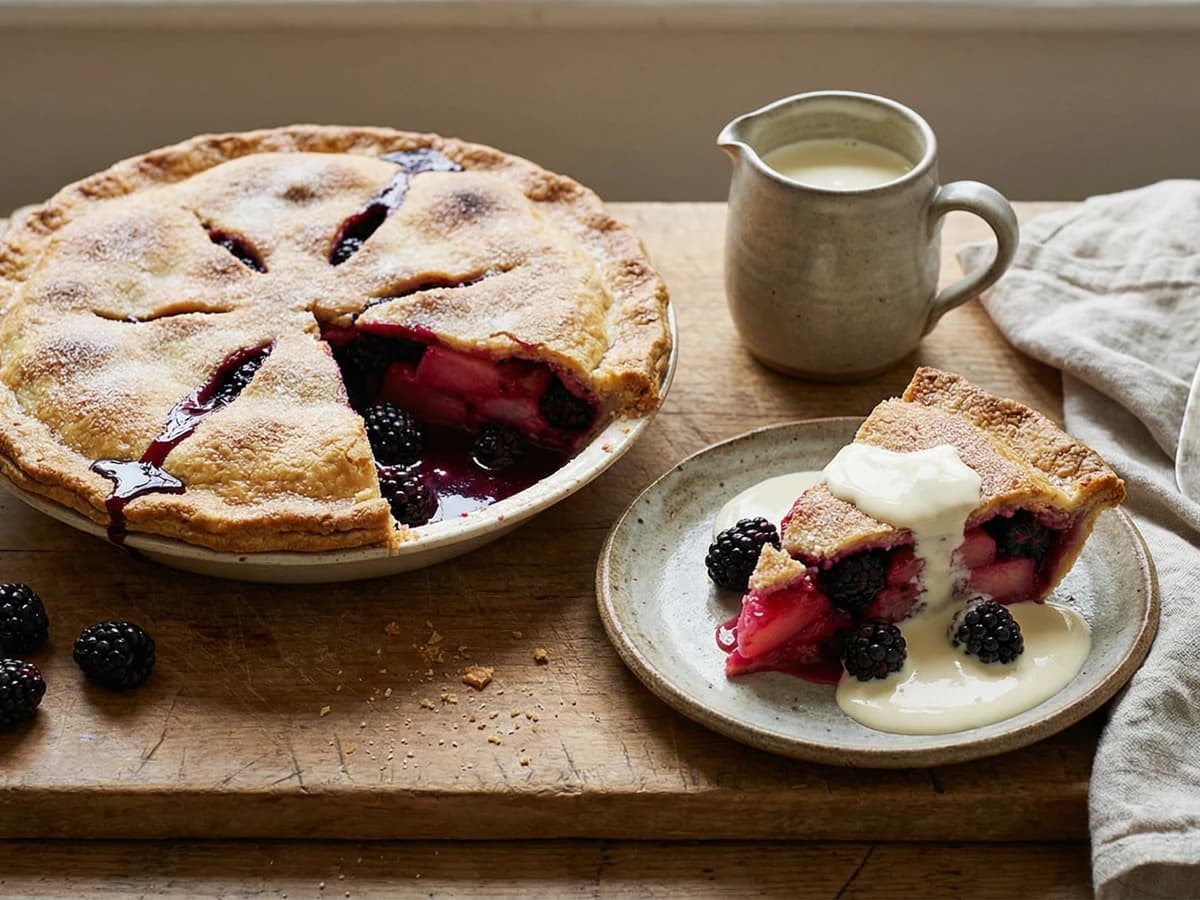
A proper hedgerow pie of Bramley apples and blackberries under a sugar-crusted pastry lid, the kind of pudding that turns a Sunday in September into something you'll remember.