Chef Isabel
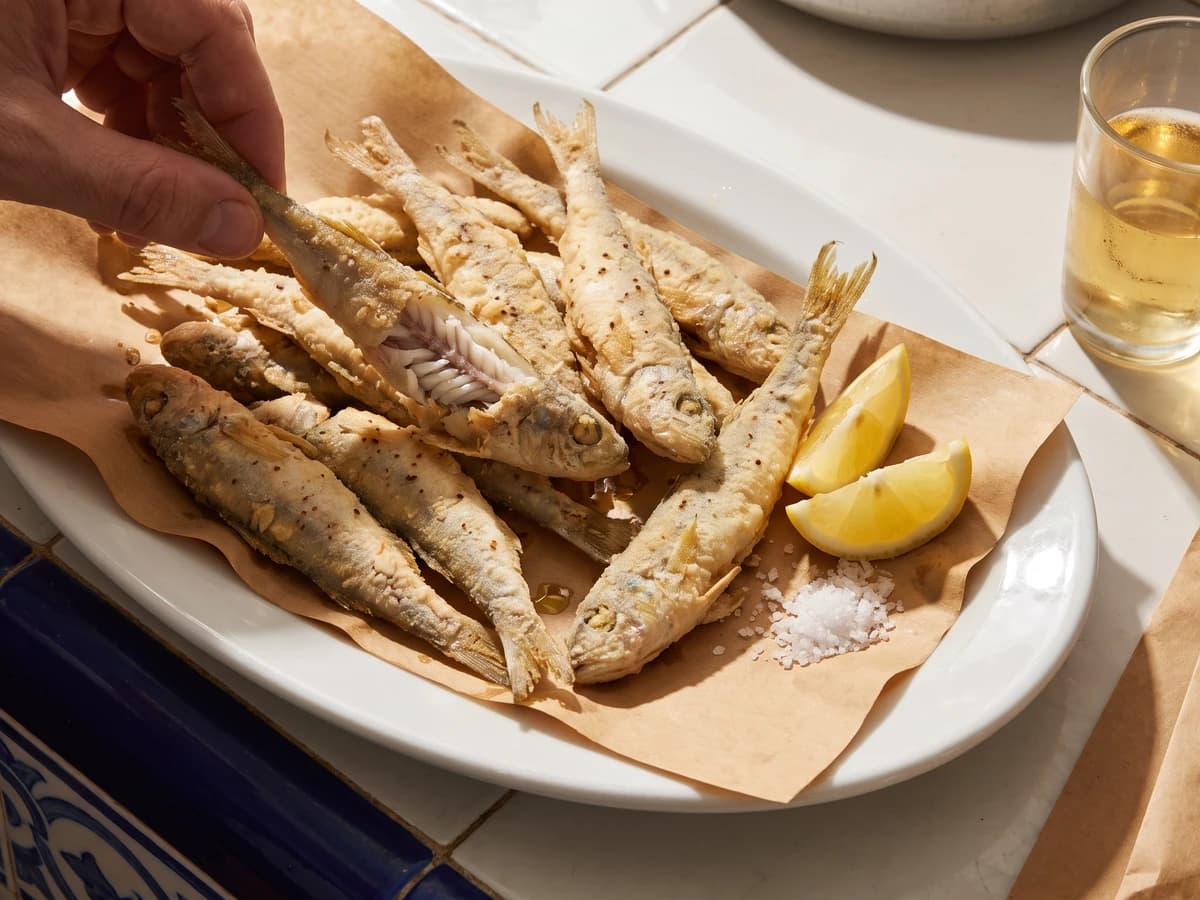
Acedías Fritas de Cádiz
Acedías fritas belong to Cádiz: tiny wedge sole, salted, dusted in frying flour, and dropped into very hot olive oil so the rims crisp while the fish stays tender.
A cooking platform built around craft, culture, and the stories behind what we eat.

Created by
Castilla's leanest embutido is whole pork loin in pimentón, garlic, and salt, cased and cured slowly until it slices thin, firm, and ruby-edged for a board that needs no fuss.
Lomo embuchado castellano is Castilla's leanest embutido: a whole pork loin, not minced meat, rubbed with pimentón, garlic, salt, and a little oregano, then tucked into casing and left to cure until it firms. This is not chorizo without fat. The loin stays whole, so every slice shows a clean rose center and a red pimentón edge.
The method that decides it is the drying, not the rubbing. Pésalo, no lo adivines: weigh it, don't guess. Salt and curing salt must be exact, and after casing the loin hangs cold, humid, and moving just enough: 10 to 13°C, 70 to 80 percent humidity, until it loses 35 to 40 percent of its weight. Too warm and you're gambling. Too dry outside and the center stays soft.
Far from Castilla, use good fresh pork loin that has not been injected with brine. Ibérico is beautiful, but not required. Pimentón de la Vera gives the right smoke and deep red; if you can't find it, use the best sweet smoked paprika you can buy and know the flavor will be a little flatter. A collagen sheet can stand in for natural casing. It looks tidier, less rustic, but it cures.
Siempre sale, si lo sigues, but with cured meat, follow it means the scale, the thermometer, the hygrometer, and the target weight. In the Margin beside cured meats I write only this: don't argue with the room. The room wins every time.
Lomo embuchado belongs to the inland Castilian cured larder, especially Castilla y León, where the household matanza, the winter pig slaughter, turned one animal into food for the year. Unlike chorizo or salchichón, it keeps the loin whole, adobado with pimentón, garlic, and herbs before being embuchado, stuffed into casing, and hung in cold dry air. The lean loin was one of the prized cuts, saved for slicing thin at a table rather than stretching through a stew.
Quantity
1kg
center-cut, trimmed of silver skin
Quantity
27g
Quantity
2.5g
standard Cure #2, measured accurately
Quantity
15g
Quantity
2g
Quantity
8g
grated to a paste
Quantity
2g
Quantity
1g
Quantity
20ml
Quantity
1
soaked and rinsed as needed
| Ingredient | Quantity |
|---|---|
| fresh boneless pork loincenter-cut, trimmed of silver skin | 1kg |
| fine sea salt | 27g |
| curing salt no. 2standard Cure #2, measured accurately | 2.5g |
| sweet smoked pimentón de la Vera | 15g |
| hot pimentón de la Vera (optional) | 2g |
| fresh garlicgrated to a paste | 8g |
| dried oregano | 2g |
| freshly ground black pepper | 1g |
| dry white wine | 20ml |
| large natural beef casing or collagen sheetsoaked and rinsed as needed | 1 |
Work clean and cold. Trim the pork loin of loose fat and silver skin, then weigh it after trimming. The amounts here are for exactly 1kg meat. If your loin is a different weight, scale the salt to 27g per kilo, Cure #2 to 2.5g per kilo, and pimentón to 15g per kilo. Write down the weight; cured meat starts with a pencil, not a guess.
Mix the sea salt, Cure #2, sweet pimentón, hot pimentón if using, garlic, oregano, pepper, and white wine into a red paste. Rub it over every surface of the loin. Seal the loin in a vacuum bag or a tight zip bag and refrigerate at 2 to 4°C for 7 to 10 days, turning it every day so the cure moves evenly through the meat. Do not substitute Cure #1; this is a long cure, and it asks for Cure #2.
Take the loin from the bag and scrape away any loose garlic clumps, leaving the red pimentón coating. Pat it very dry. Set it on a rack in the refrigerator, uncovered, for 12 to 24 hours, until the surface feels tacky rather than wet. That tacky skin helps the casing hold close and keeps the outside from turning slimy.
Wrap the loin tightly in the soaked natural casing or collagen sheet, smoothing out folds as you go. Tie it firmly with butcher's twine every 4 to 5cm, then prick any trapped air pockets with a sterilized needle. Weigh the cased loin and write that number down. Your finished target is 60 to 65 percent of this cased weight, which means 35 to 40 percent weight loss.
Hang the lomo in a curing chamber at 10 to 13°C with 75 to 80 percent humidity for the first week, then 70 to 75 percent humidity after that, with gentle airflow and no direct light. Cure for about 35 to 45 days, but finish by weight, not by the calendar. White powdery mold is harmless and can be wiped with a little vinegar if you don't want it. Green, black, fuzzy, slimy, or foul-smelling mold means the meat is not for eating.
When the lomo has lost 35 to 40 percent of its cased weight and feels firm through the center, take it down. Wrap it in parchment or vacuum-seal it and refrigerate for 5 to 7 days so the moisture evens out from edge to center. Peel away the casing if you like, then slice paper-thin across the grain. Let the slices sit 10 minutes before serving; the pimentón opens and the lean pork softens just enough.
1 serving (about 35g)
Culinary guides, cultural storytelling, and the editorial depth that makes cooking meaningful.
Discover Culinary ExplorerChef Isabel
Acedías fritas belong to Cádiz: tiny wedge sole, salted, dusted in frying flour, and dropped into very hot olive oil so the rims crisp while the fish stays tender.
Chef Isabel
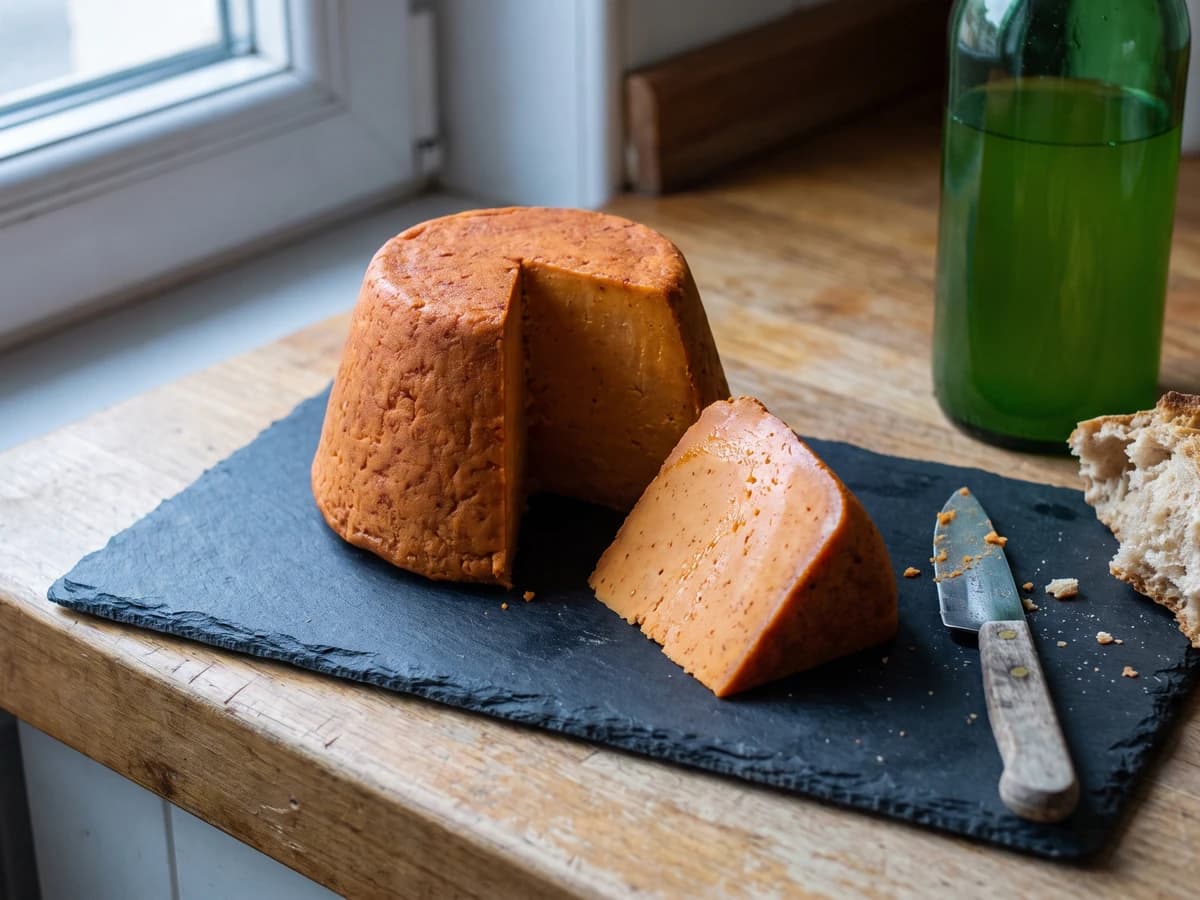
Afuega'l Pitu Roxu is Asturias in a small cheese: cow's milk set slowly to a dense curd, drained without squeezing, then kneaded with pimentón until it turns orange and grips the throat.
Chef Isabel
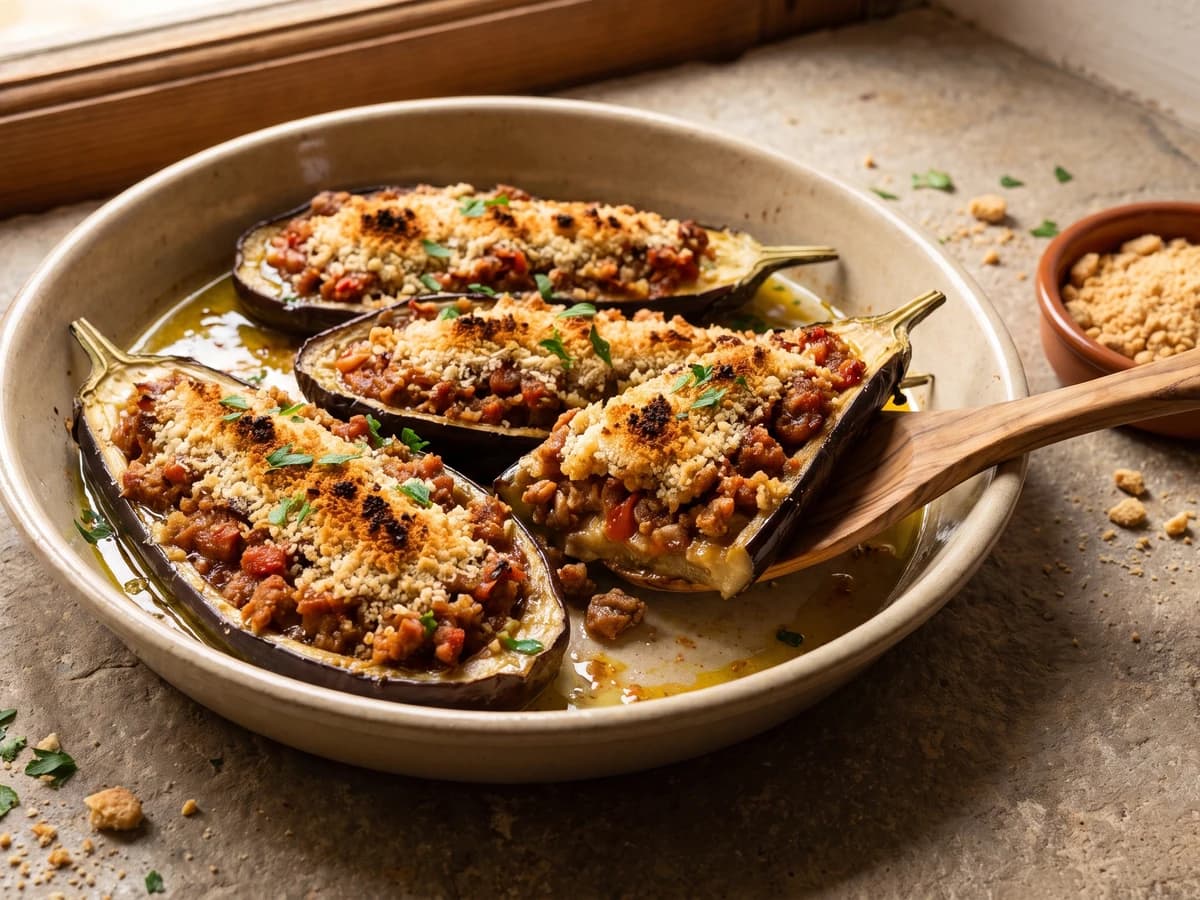
Albergínies farcides are Mallorca's summer stuffed aubergines: tender boiled shells, a slow pork sofrito with moraduix, and a plain breadcrumb cap baked until the top turns crisp and golden.

Chef Isabel
Carxofes farcides are Catalan stuffed artichokes: tender hearts filled with jamón, slow sweet onion, and breadcrumbs, then baked in a light creamy sauce until the tops turn golden.