Chef Isabel
Acedías Fritas de Cádiz
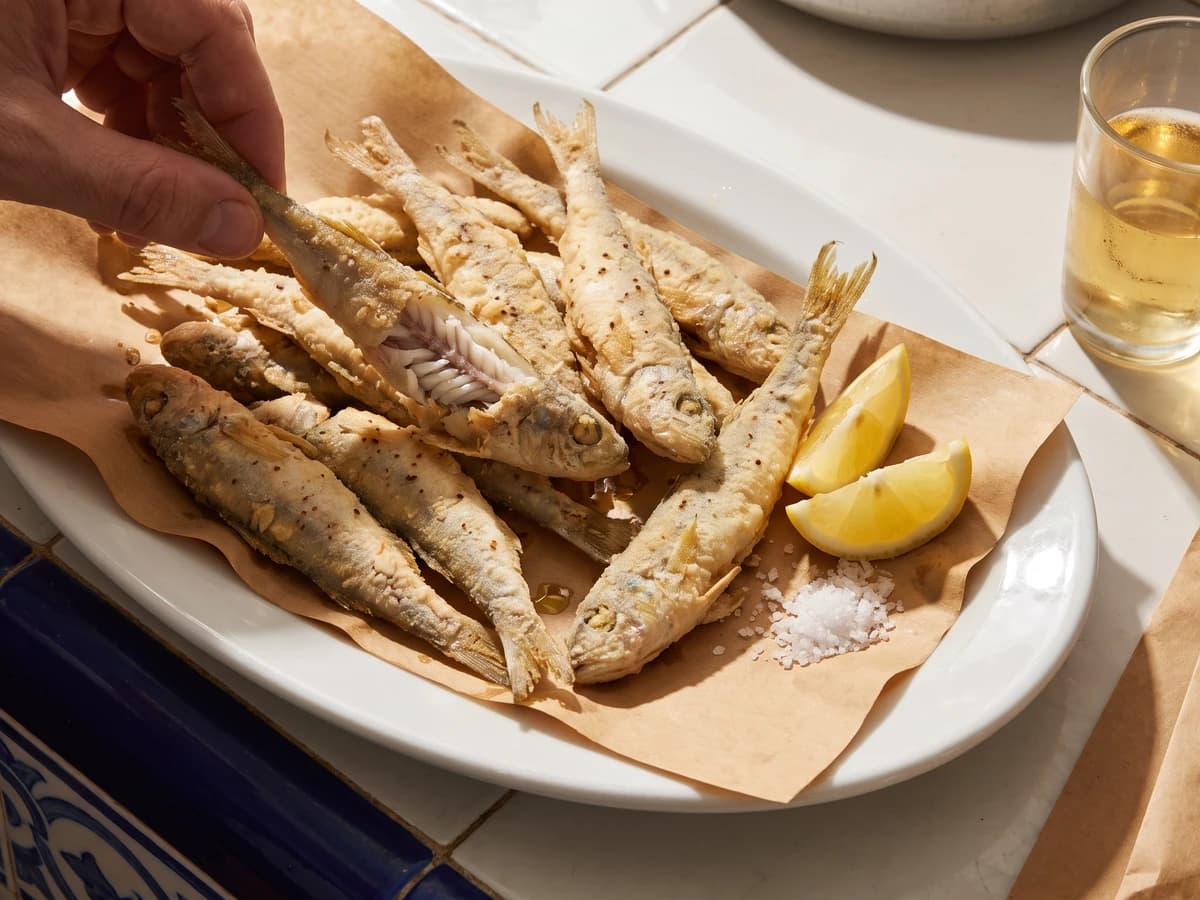
Acedías fritas belong to Cádiz: tiny wedge sole, salted, dusted in frying flour, and dropped into very hot olive oil so the rims crisp while the fish stays tender.
A cooking platform built around craft, culture, and the stories behind what we eat.
Created by
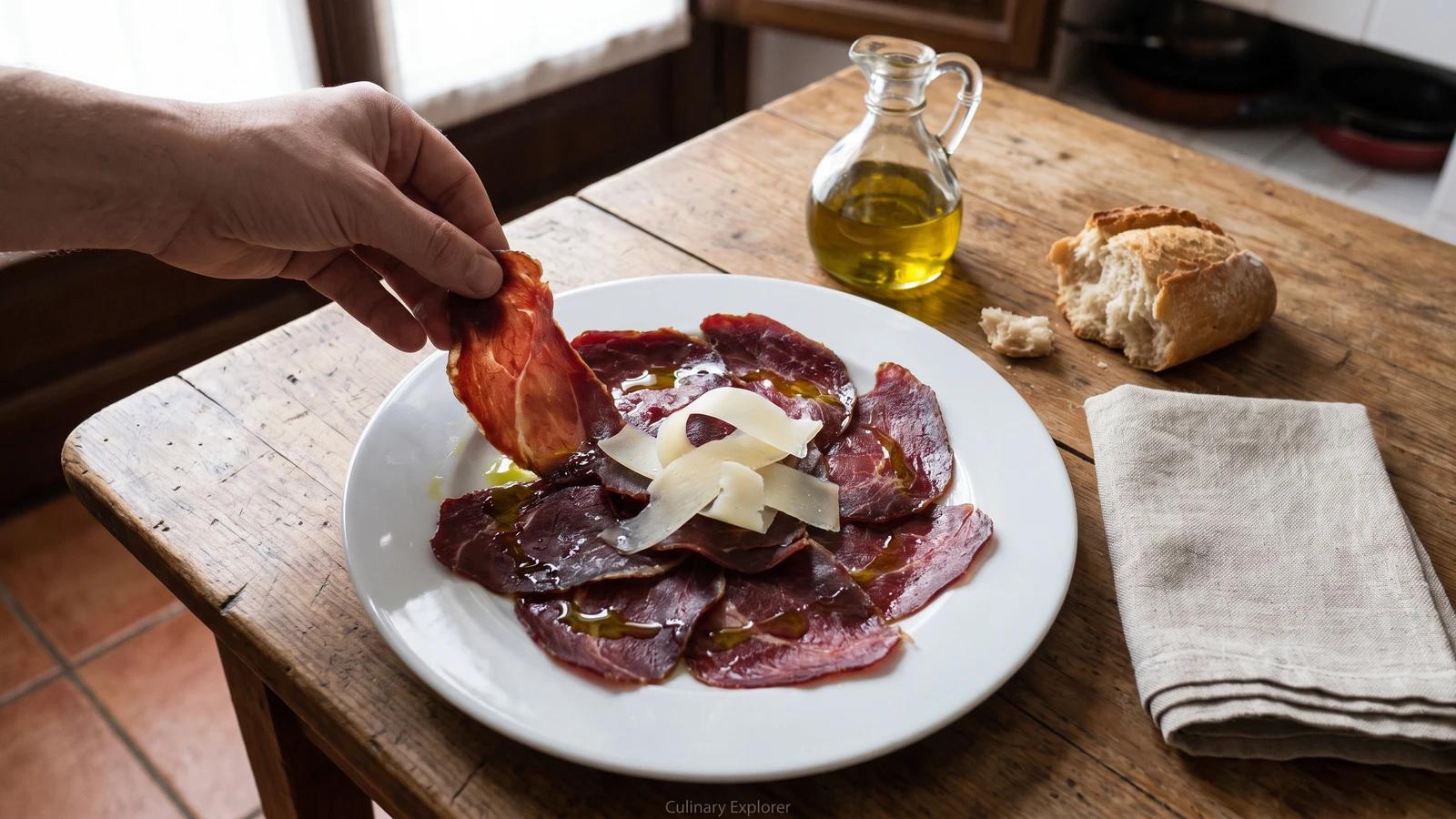
Cecina de León is cured smoked beef from León, sliced thin enough to bend, rested until its fat softens, and finished with a thread of good olive oil.
Cecina de León belongs to León, and it is beef cured the way other places cure pork: salted, settled, lightly smoked over oak or holm oak, then dried until the meat turns dark ruby and firm. What makes it Leonese is that quiet smoke and the deep cured beef flavor, not a heap of things on the plate. This is not a recipe to bury under decoration.
The method that decides it at home is the slicing and the resting. Cut the cecina as thin as you can, almost translucent, and lay it out in a single loose layer. Then leave it at room temperature for 20 to 30 minutes before serving. Cold cecina is tight and mute; warmed slightly, the fat softens, the smoke comes forward, and the meat eats tender instead of leathery.
If you are far from León, look first for Cecina de León IGP, then for a good Spanish cecina de vaca curada. If you cannot find either, bresaola is the closest cured beef in texture, but it will be sweeter, leaner, and without the oak smoke. Say that plainly and serve it well anyway. No hace falta haber pisado España, but you do need a sharp knife, good oil, and the sense not to overdo it. Siempre sale, si lo sigues.
Cecina de León comes from the cold, dry lands of León, where curing meat with salt, air, and smoke answered the old need to preserve beef through the year. The traditional cuts come from the hindquarter, especially tapa, contra, babilla, and cadera, salted and slowly dried until the meat darkens and concentrates. Its gentle smoke, commonly from oak or holm oak, marks it apart from unsmoked cured beefs and gives León its own place at the cured larder.
Quantity
160g
very thinly sliced
Quantity
2 tablespoons
Quantity
20g
shaved
Quantity
to serve
| Ingredient | Quantity |
|---|---|
| Cecina de León IGPvery thinly sliced | 160g |
| extra virgin olive oil | 2 tablespoons |
| aged sheep's milk cheese (optional)shaved | 20g |
| rustic bread (optional) | to serve |
If the cecina is not already sliced, cut it across the grain as thinly as possible, almost translucent. Pésalo, no lo adivines: about 40g per person is right for an appetizer. Thick slices make cured beef chew like a strap, and that is not the fault of León.
Arrange the slices on a flat plate in a single loose layer, with a little overlap but no tight folds. The meat should be able to relax on the plate. Leave it at room temperature for 20 to 30 minutes, until the surface looks supple and lightly glossy.
Just before serving, thread the olive oil over the cecina, no more than 2 tablespoons for the whole plate. The oil should shine the meat, not drown it. If using the cheese, scatter a few thin shavings over the top.
Serve with plain rustic bread and nothing sweet, sticky, or clever. The pleasure is the cured beef, the light smoke, and the olive oil catching on the surface. Tal como se hace allí, keep it plain and let the cecina speak.
1 serving (about 90g)
Culinary guides, cultural storytelling, and the editorial depth that makes cooking meaningful.
Discover Culinary ExplorerChef Isabel
Acedías fritas belong to Cádiz: tiny wedge sole, salted, dusted in frying flour, and dropped into very hot olive oil so the rims crisp while the fish stays tender.
Chef Isabel
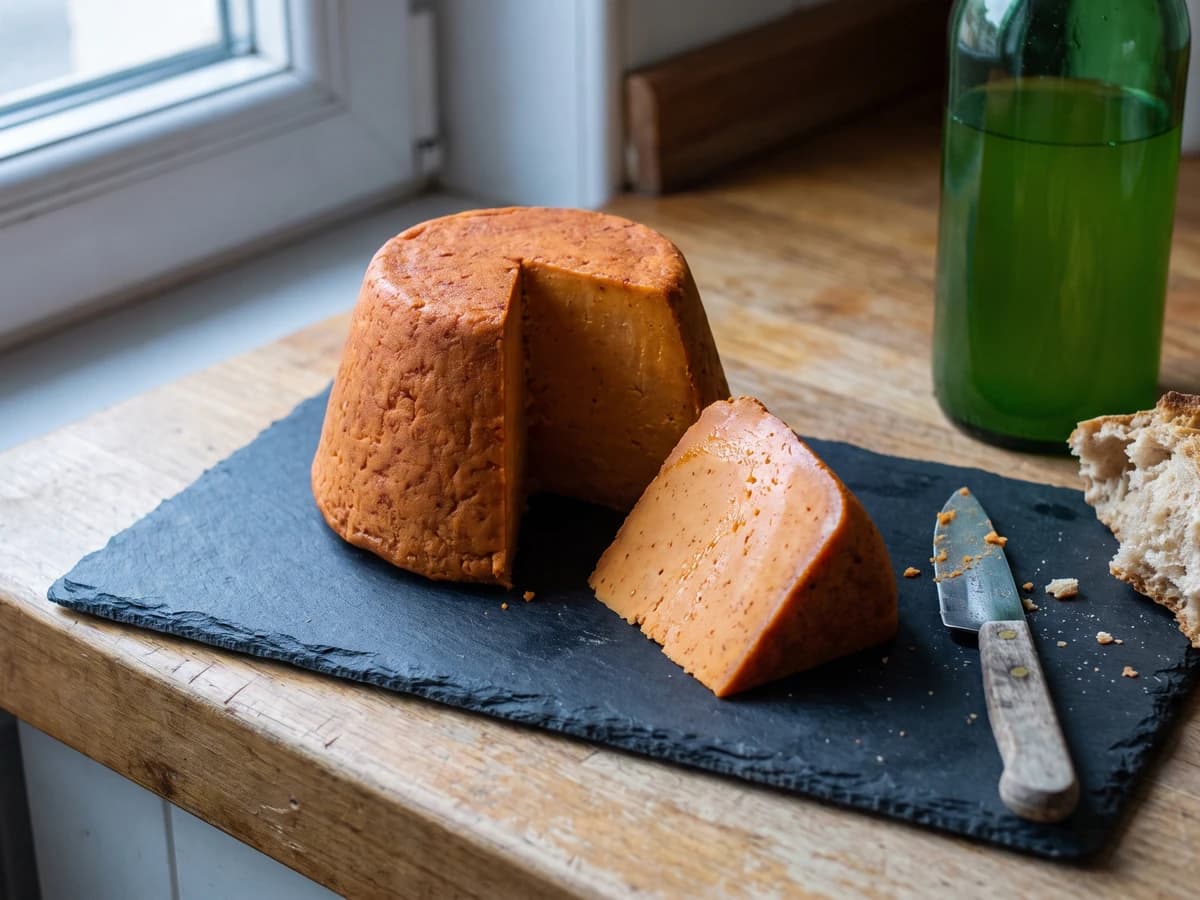
Afuega'l Pitu Roxu is Asturias in a small cheese: cow's milk set slowly to a dense curd, drained without squeezing, then kneaded with pimentón until it turns orange and grips the throat.
Chef Isabel
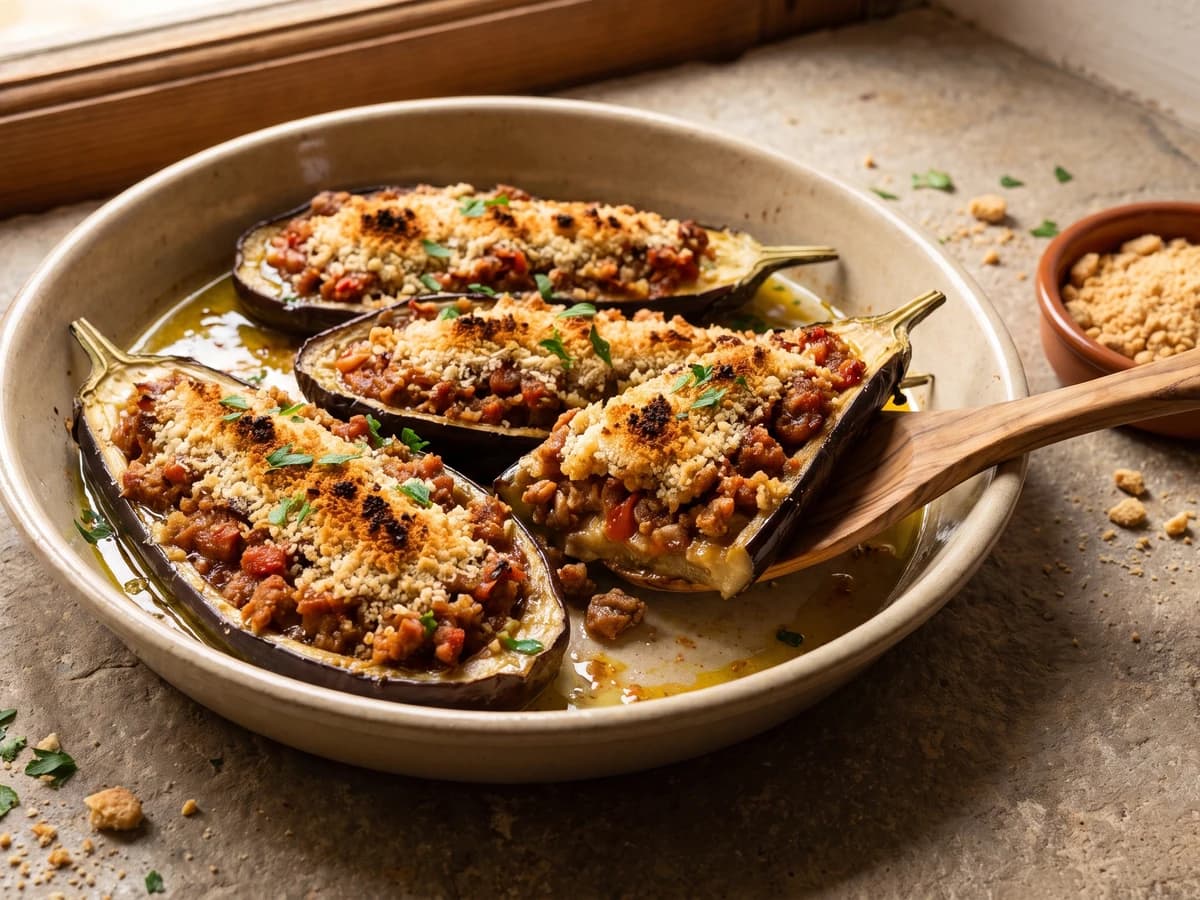
Albergínies farcides are Mallorca's summer stuffed aubergines: tender boiled shells, a slow pork sofrito with moraduix, and a plain breadcrumb cap baked until the top turns crisp and golden.

Chef Isabel
Carxofes farcides are Catalan stuffed artichokes: tender hearts filled with jamón, slow sweet onion, and breadcrumbs, then baked in a light creamy sauce until the tops turn golden.