Chef Thomas
All-Butter Shortbread Fingers
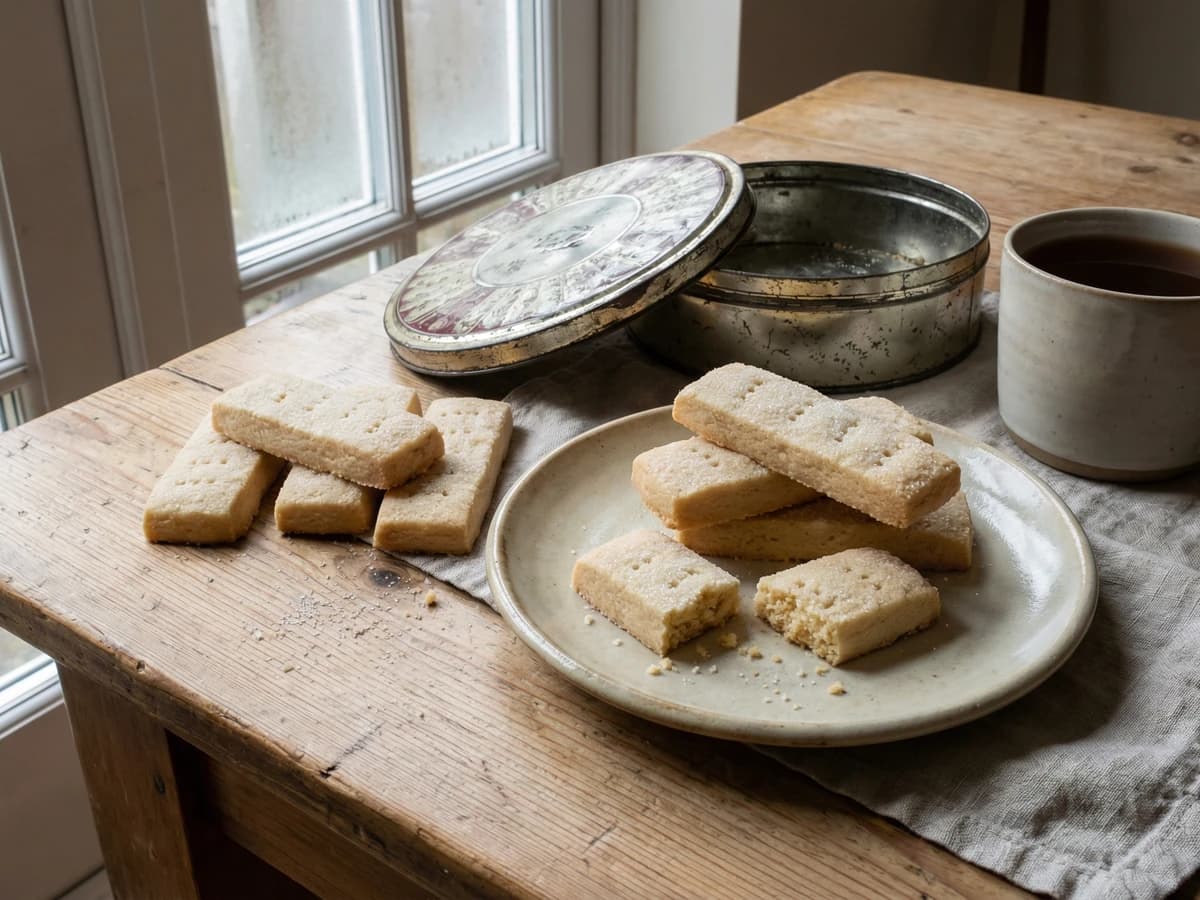
The plainest biscuit in the tin and the hardest one to stop eating, three ingredients and a slow oven turning good butter into something quietly perfect with a cup of tea.
A cooking platform built around craft, culture, and the stories behind what we eat.
Created by Chef Thomas
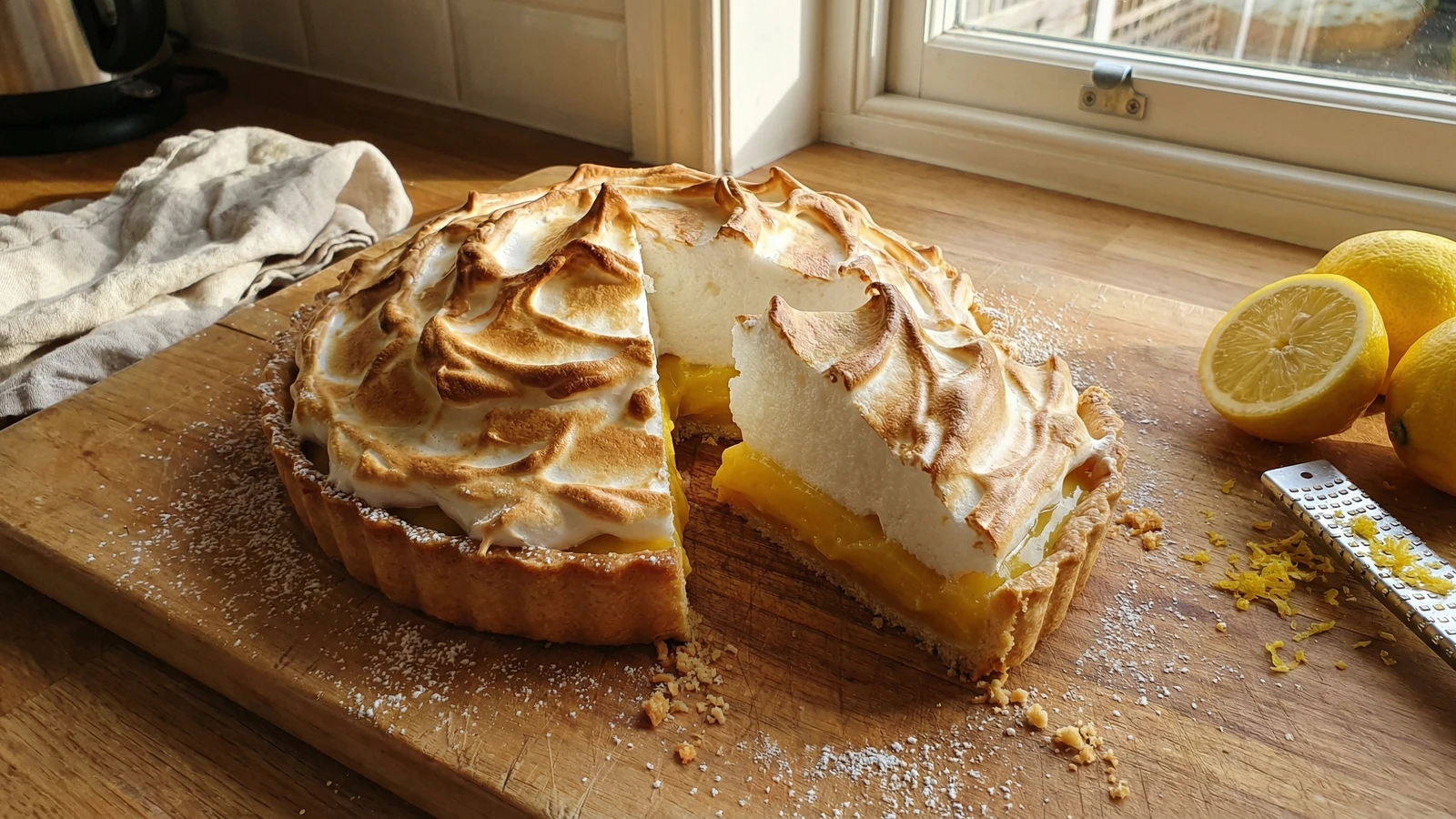
A proper lemon meringue pie with sharp, glossy curd in a buttery case under billowing meringue baked to gold. A British pudding that knows exactly what it is.
February is the right time for this pie. The lemons coming into the market now are the best of the year, heavy in the hand, fragrant when you scratch the skin with a thumbnail, full of the kind of sharp juice that makes your jaw ache in the best way. Winter sun, winter pudding. The two go together.
This was once called Chester Pudding. Somewhere along the way it picked up a fancier name and a place at dinner parties, but the bones of it haven't changed: shortcrust, lemon curd, meringue. Three things that each demand a little care and reward you tenfold when you give it. The pastry must be cold and patient. The curd must be cooked until it suddenly turns glossy, and not a moment longer. The meringue must be glossy too, and silky between your fingers, never gritty.
I wrote it down in the notebook the first time I made one that came out properly. "Lemon. February. Sun through the window. Worth it." That's still all I need to remember. A recipe is a conversation, not a contract. Make it once and you'll know how it wants to be made the second time.
Serve it cool, not cold. Cut thick wedges and don't apologise for the curd that runs slightly into the meringue at the edges. There are few better feelings than putting a wedge of this in front of someone on a Sunday afternoon and watching them reach for a second piece without being asked.
Quantity
200g
Quantity
100g
cubed
Quantity
30g
Quantity
1
Quantity
2-3 tablespoons
Quantity
pinch
Quantity
4 large
zest and juice
Quantity
200g
Quantity
40g
Quantity
300ml
Quantity
60g
Quantity
4
Quantity
4
at room temperature
Quantity
200g
Quantity
1 teaspoon
Quantity
1/2 teaspoon
| Ingredient | Quantity |
|---|---|
| plain flour | 200g |
| cold unsalted buttercubed | 100g |
| icing sugar | 30g |
| large egg yolk | 1 |
| cold water | 2-3 tablespoons |
| fine sea salt | pinch |
| unwaxed lemonszest and juice | 4 large |
| caster sugar (for curd) | 200g |
| cornflour (for curd) | 40g |
| cold water (for curd) | 300ml |
| unsalted butter (for curd) | 60g |
| large egg yolks (for curd) | 4 |
| large egg whitesat room temperature | 4 |
| caster sugar (for meringue) | 200g |
| cornflour (for meringue) | 1 teaspoon |
| white wine vinegar | 1/2 teaspoon |
Tip the flour, icing sugar, and salt into a bowl. Add the cubed butter and rub it in with cold fingertips until the mixture looks like coarse breadcrumbs with a few larger flecks of butter still showing. Those flecks are friends. Add the egg yolk and a tablespoon of water, mix with a knife, and add a touch more water only if you need it. The dough should just come together, no more. Press into a flat disc, wrap, and chill for at least thirty minutes.
Set the oven to 180C/160C fan. Roll the chilled pastry on a lightly floured surface to about the thickness of a pound coin. Lift it gently into a 23cm loose-bottomed tart tin, easing it into the corners without stretching. Trim the edges, leaving a slight overhang for shrinkage. Prick the base, line with parchment, and fill with baking beans. Bake for fifteen minutes, then lift out the beans and parchment and bake for another ten until the base looks dry and pale gold. Trim the overhang with a sharp knife while it is still warm.
Zest the lemons first, then juice them. You want around 150ml of juice. In a heavy saucepan, whisk together the sugar and cornflour off the heat. Pour in the cold water slowly, whisking, then the lemon juice and zest. Set over a medium heat and stir constantly with a wooden spoon. It will look thin and cloudy for a while, then suddenly thicken and turn glossy. That's the moment. Cook for one more minute, no longer.
Take the pan off the heat. Beat in the butter, then the egg yolks one at a time, whisking each in fully before the next. The curd should turn deeper yellow and even glossier. Pour it straight into the warm pastry case and smooth the top. Let it sit while you make the meringue. It needs to be warm when the meringue goes on, so the two cook together as one.
Whisk the egg whites in a spotlessly clean bowl until they hold soft peaks. Start adding the sugar a tablespoon at a time, whisking well between each addition. Keep going until all the sugar is in and the meringue is thick, glossy, and stands up in stiff peaks. Rub a little between your fingers. If you can feel grains of sugar, keep whisking. It should be smooth and silky. Whisk in the cornflour and vinegar at the very end.
Spoon the meringue over the warm lemon curd, starting at the edges and working in. The meringue must touch the pastry all the way around or it will shrink and weep. Use the back of a spoon to pull up peaks and swirls across the top. Bake for fifteen to twenty minutes until the peaks have turned deep gold and the meringue feels set when you touch it lightly. Let the pie cool to room temperature before slicing. A warm pie weeps. A cooled pie cuts clean.
1 serving (about 200g)
Culinary guides, cultural storytelling, and the editorial depth that makes cooking meaningful.
Discover Culinary ExplorerChef Thomas
The plainest biscuit in the tin and the hardest one to stop eating, three ingredients and a slow oven turning good butter into something quietly perfect with a cup of tea.
Chef Thomas
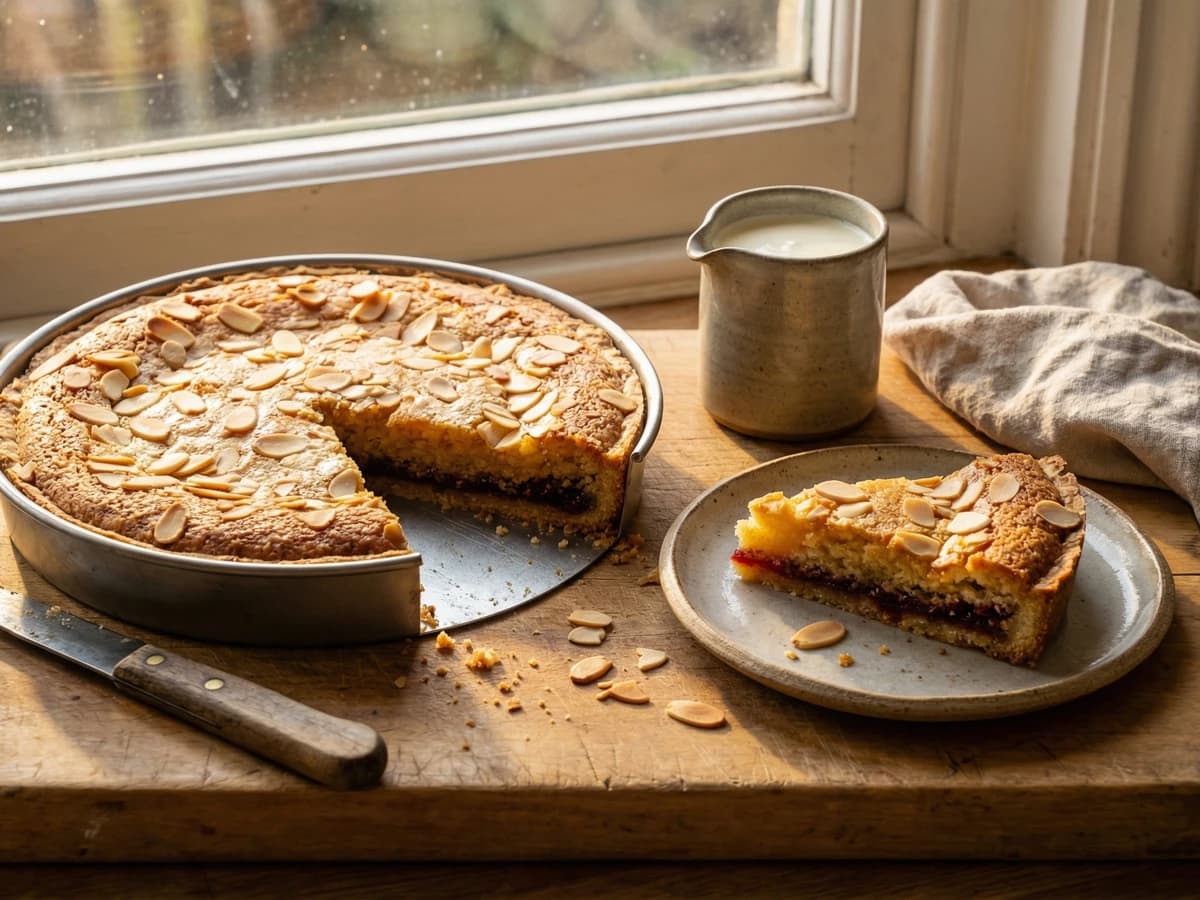
A proper Bakewell tart with buttery shortcrust, a thick layer of raspberry jam, and almond frangipane baked golden under a scattering of flaked almonds. No icing. No nonsense.
Chef Thomas
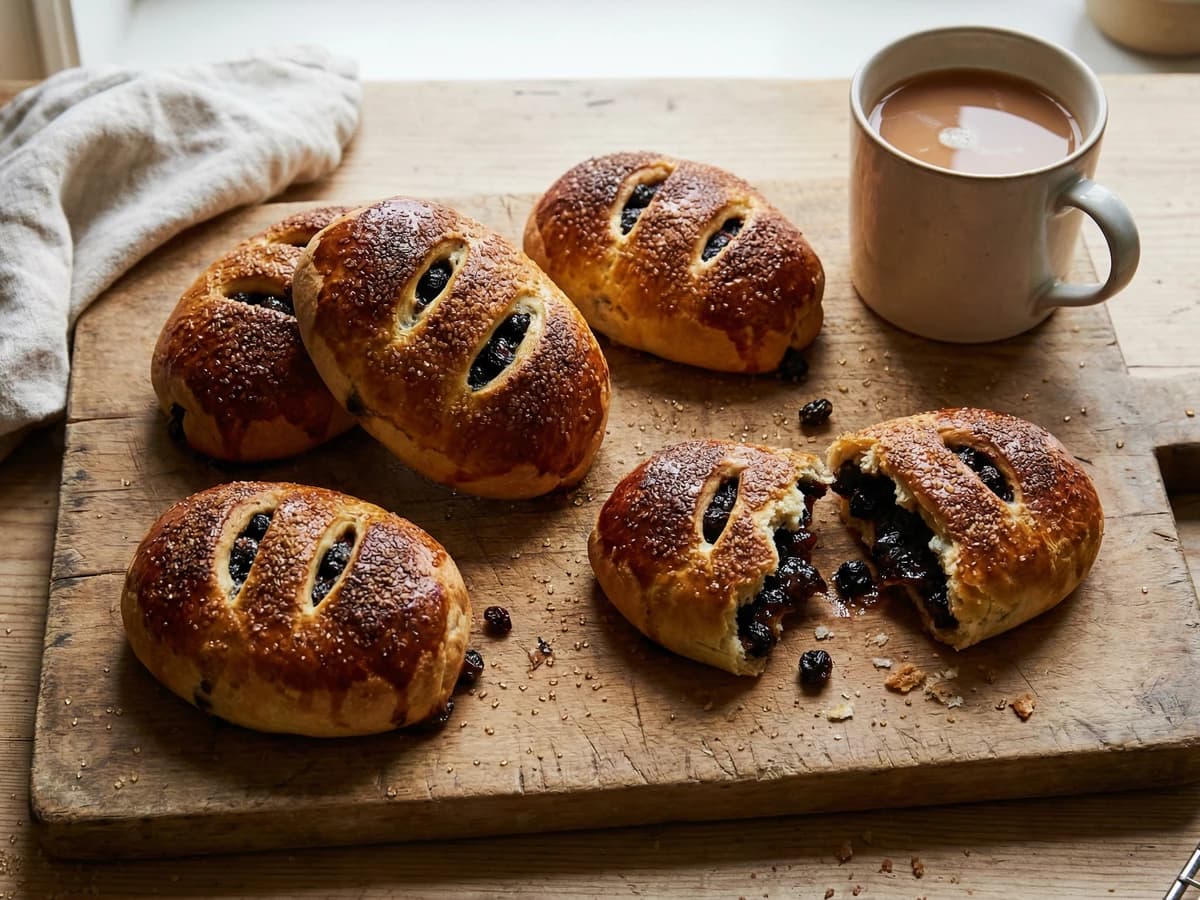
Oval pastries filled with rum-soaked currants and spice, baked until the tops crackle with sugar. The kind of thing to make on a wet Sunday afternoon when you want the kitchen to smell of something.
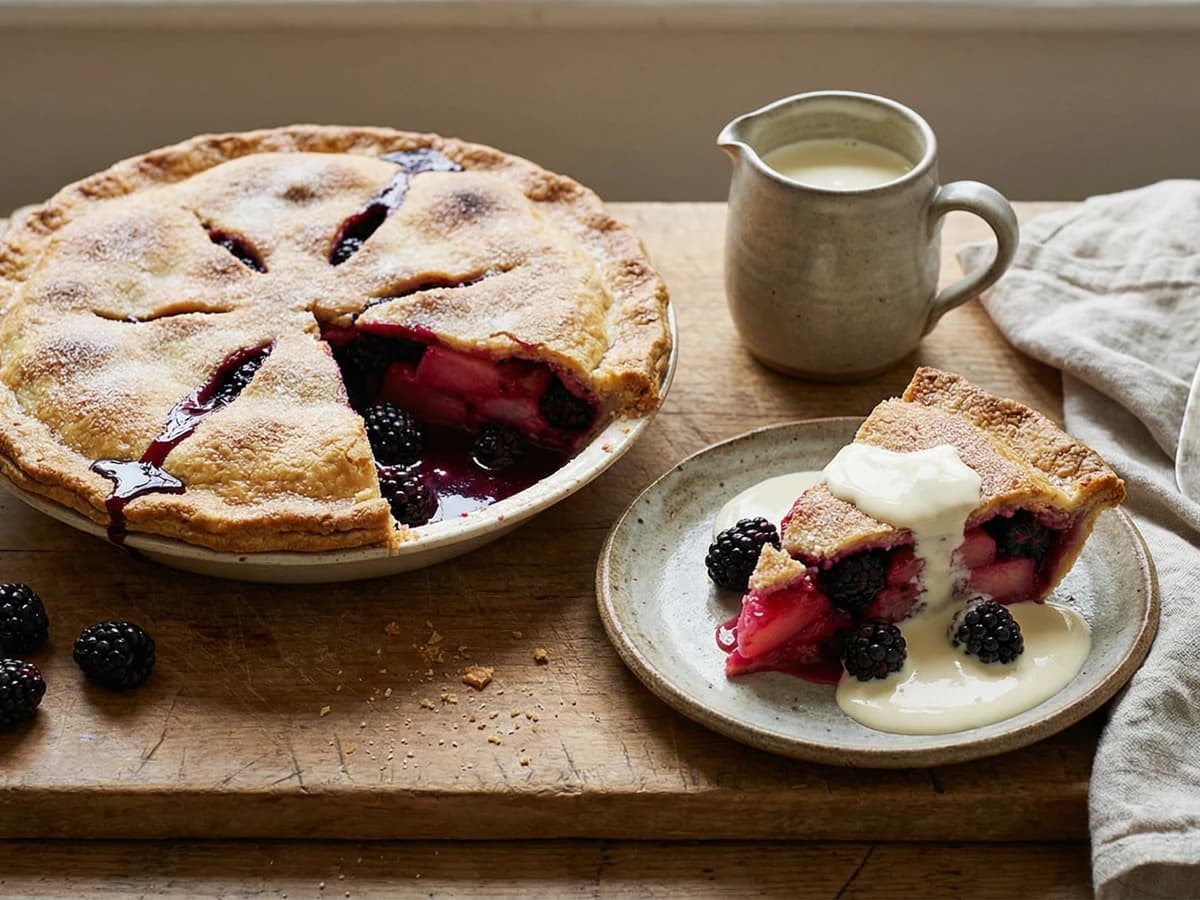
Chef Thomas
A proper hedgerow pie of Bramley apples and blackberries under a sugar-crusted pastry lid, the kind of pudding that turns a Sunday in September into something you'll remember.