Chef Ally
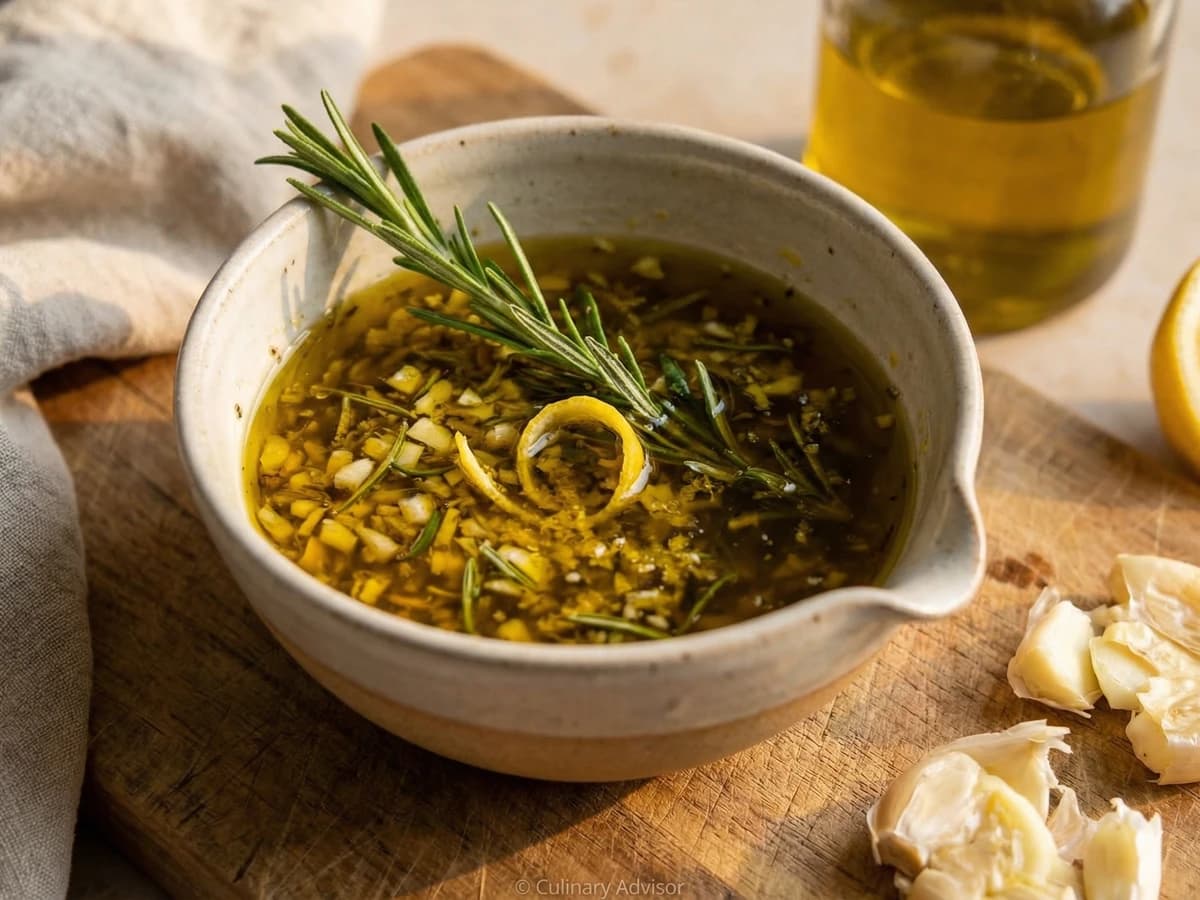
Garlic and Rosemary Marinade
Olive oil, garlic, and rosemary in honest proportion. This is what happens when you trust your ingredients and get out of the way.
A cooking platform built around craft, culture, and the stories behind what we eat.
Created by
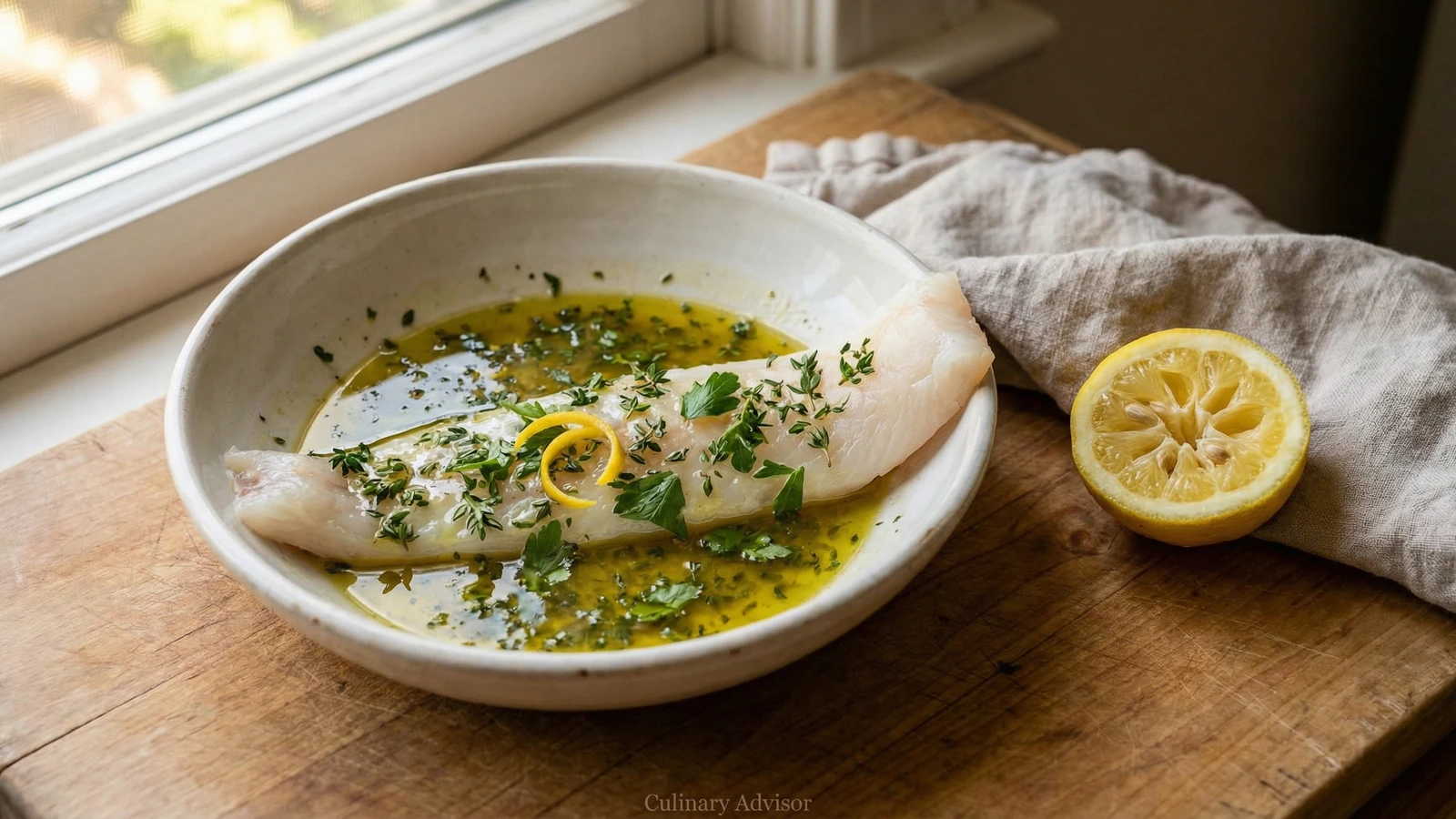
Bright citrus and soft herbs suspended in good olive oil, designed not to overpower but to wake up the clean, sweet flavor of fish that was swimming this morning.
Good fish needs almost nothing. This is not modesty. It is confidence in the ingredient. When you find a piece of wild-caught halibut or line-caught sea bass with that oceanic freshness, the last thing you want is a marinade that talks over it.
This is a marinade that listens. Lemon juice opens the flesh gently, olive oil carries the herbs across every surface, and the garlic whispers rather than shouts. You are not transforming the fish. You are giving it a light coat before it meets the heat.
Start with the lemon. Squeeze it yourself, and do it just before you need it. Bottled juice tastes tired because it is tired. Fresh lemon has an aliveness that fades within the hour. The same goes for your herbs. If they are limp in the bag, they have nothing left to give. Look for parsley and thyme that stand upright, that perfume your hands when you tear them.
Quantity
1/4 cup
Quantity
3 tablespoons
about 1 large lemon
Quantity
1 teaspoon
Quantity
2 cloves
minced
Quantity
2 tablespoons
finely chopped
Quantity
1 tablespoon
Quantity
1/2 teaspoon
Quantity
1/4 teaspoon
freshly cracked
Quantity
pinch
| Ingredient | Quantity |
|---|---|
| extra-virgin olive oil | 1/4 cup |
| fresh lemon juiceabout 1 large lemon | 3 tablespoons |
| lemon zest | 1 teaspoon |
| garlicminced | 2 cloves |
| fresh flat-leaf parsleyfinely chopped | 2 tablespoons |
| fresh thyme leaves | 1 tablespoon |
| fine sea salt | 1/2 teaspoon |
| black pepperfreshly cracked | 1/4 teaspoon |
| red pepper flakes (optional) | pinch |
Wash your lemon under cool water and dry it. Using a microplane or the finest holes of a box grater, remove the zest in light strokes, turning the fruit as you go. Stop when you see white pith. That bitterness has no place here. You want only the fragrant yellow skin, where the oils live.
Cut the lemon in half and squeeze the juice through your fingers or a small strainer to catch the seeds. Press firmly to release every drop. Room temperature lemons give more juice than cold ones. If yours just came from the refrigerator, roll it firmly on the counter for thirty seconds to warm and loosen the flesh.
In a small bowl, whisk together the olive oil, lemon juice, and zest. Add the minced garlic, parsley, and thyme. Season with salt, pepper, and red pepper flakes if you want a gentle heat. Whisk again until everything is suspended in the oil. The mixture will not emulsify completely, and that is fine.
Dip a small piece of bread or your finger into the marinade. It should taste bright, herbaceous, and balanced. If the lemon seems too sharp, add another splash of oil. If it tastes flat, a pinch more salt will wake it up. Trust your palate. You are the one eating this.
Place your fish in a shallow dish and pour the marinade over it, turning once to coat both sides. Let it rest at room temperature for fifteen to thirty minutes, no longer. The acid in the lemon juice begins to cure the flesh. Too long and your fish becomes mushy and pale. This is not ceviche. You are preparing the fish for heat, not replacing it.
1 serving (about 30g)
Culinary guides, cultural storytelling, and the editorial depth that makes cooking meaningful.
Discover Culinary ExplorerChef Ally
Olive oil, garlic, and rosemary in honest proportion. This is what happens when you trust your ingredients and get out of the way.
Chef Ally
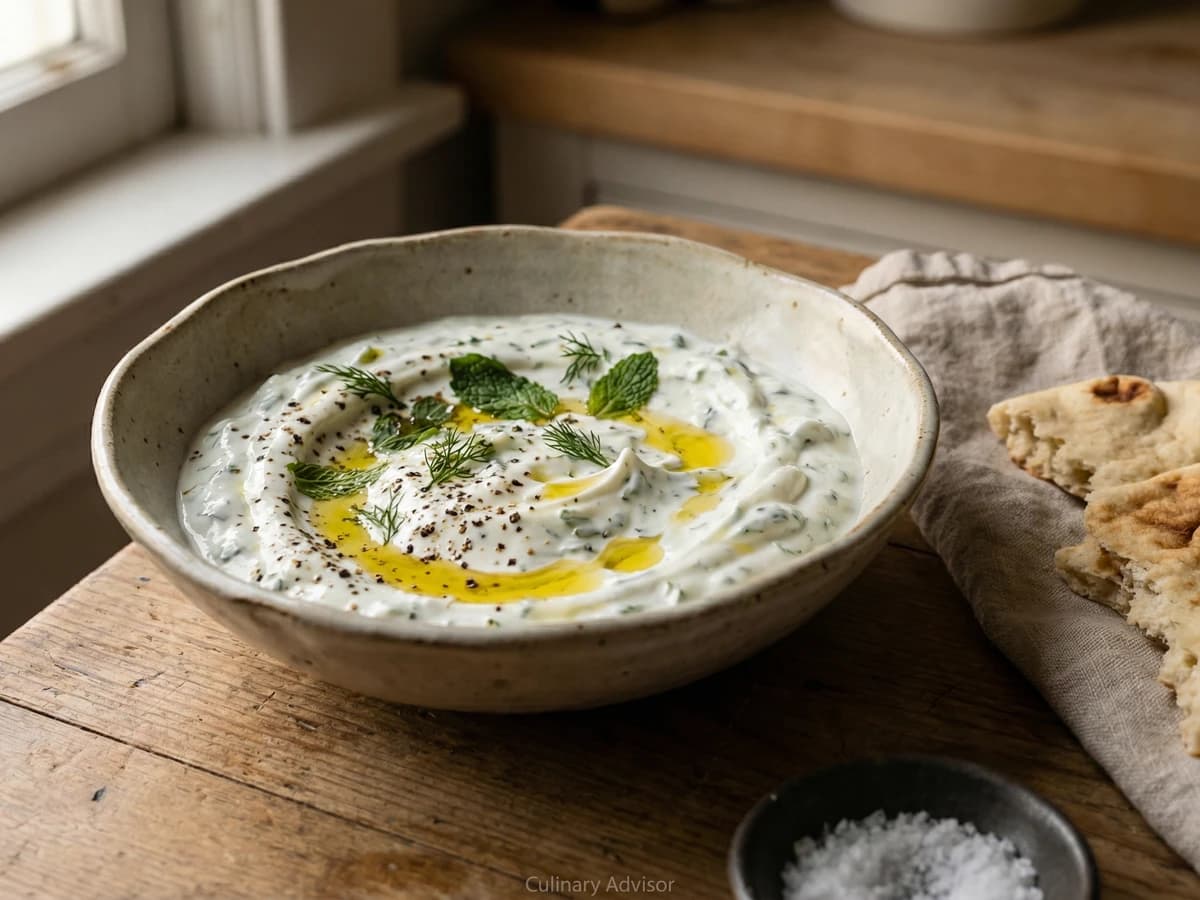
A cool, tangy sauce that celebrates whatever fresh herbs you bring home from the market, stirred into thick yogurt with lemon and good olive oil. Let the herbs do the work.
Chef Ally
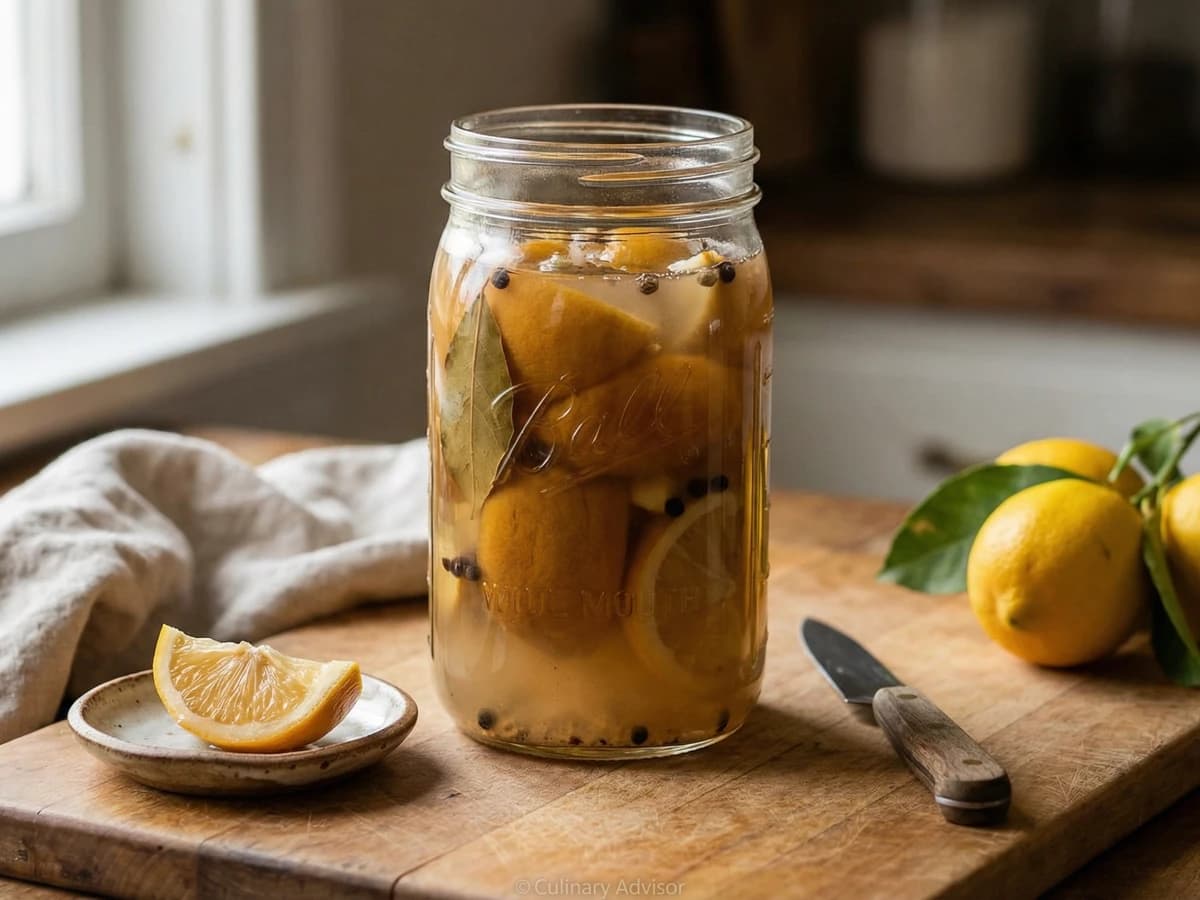
Winter's most fragrant citrus, transformed by salt and patience into something silky, complex, and indispensable. Once you have a jar in your refrigerator, you will wonder how you ever cooked without it.
Chef Juliette
Beef shin, lean beef, and fowl begin in cold water and rise slowly toward a tremble. Skim before the boil, and you learn the quiet discipline that gives every clear French broth its backbone.