Chef Thomas
Anchovy Sauce
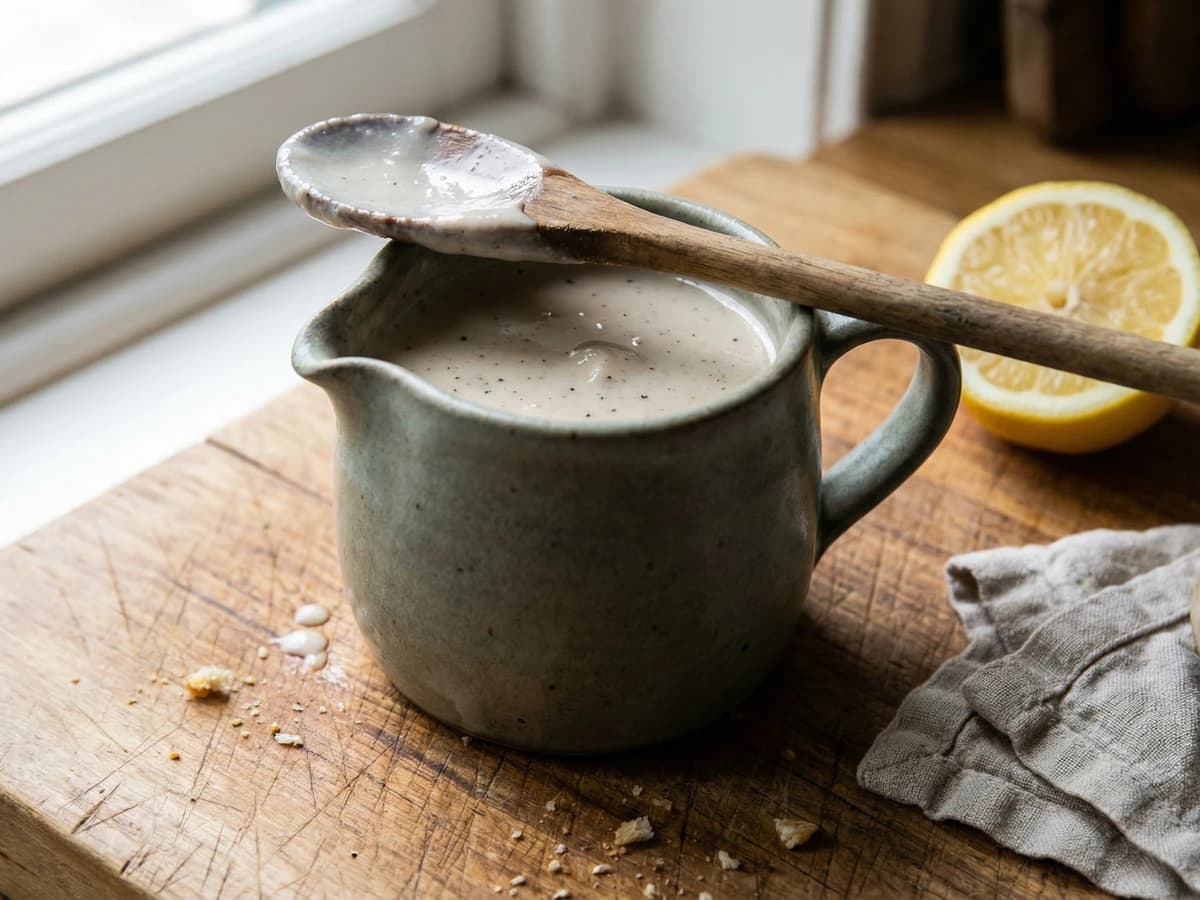
A proper white sauce sharpened with pounded anchovy, the old Georgian trick for waking up a piece of poached fish or a slice of roast lamb on a Sunday in spring.
A cooking platform built around craft, culture, and the stories behind what we eat.
Created by Chef Thomas
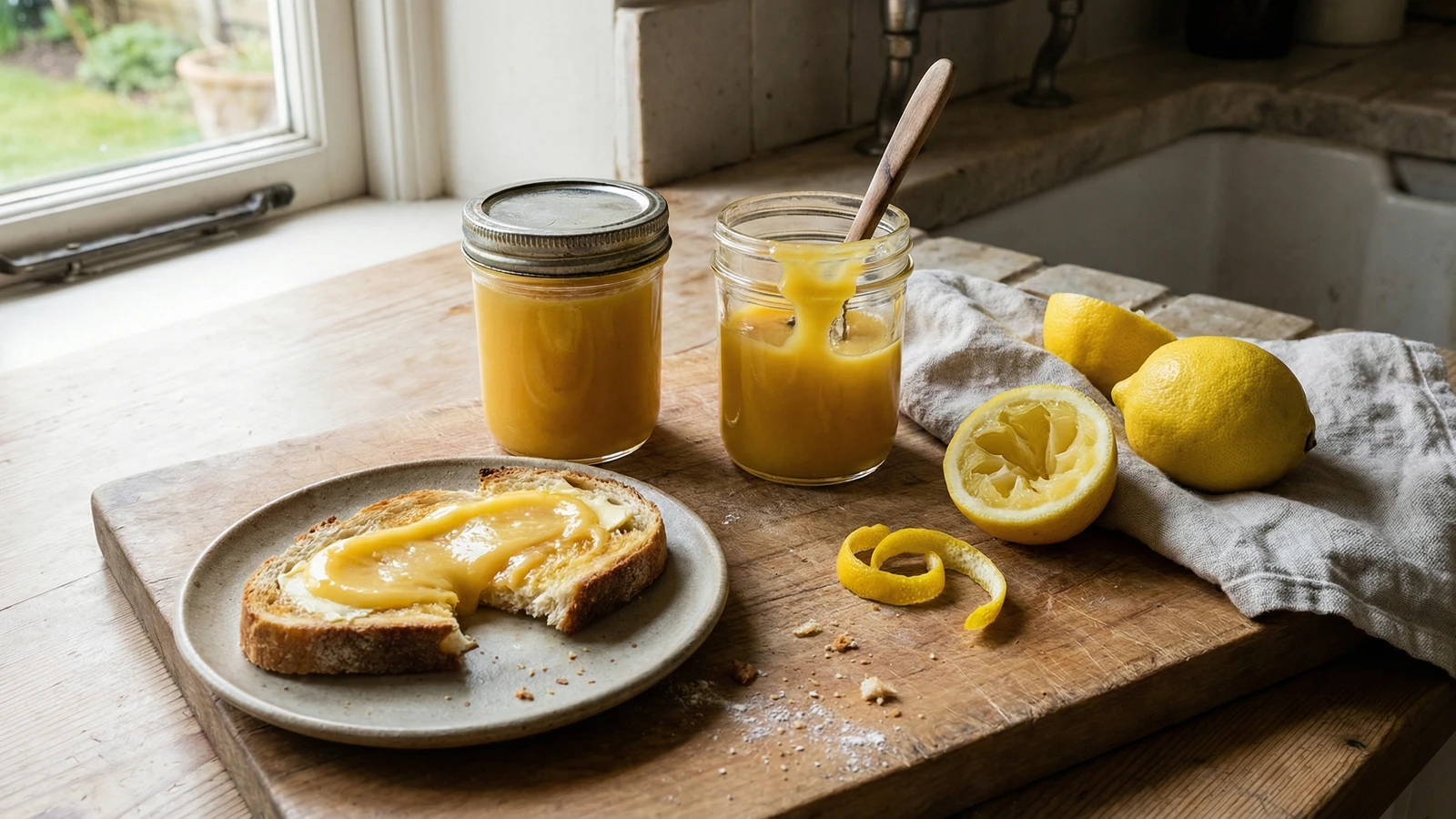
A small jar of lemon curd made the slow way, butter and sugar and eggs and lemons stirred patiently in a pan until it goes glossy and golden and tastes like a window opened in February.
There comes a point in late winter when the kitchen feels grey and you want something the colour of a daffodil. Citrus is at its best now, oddly, just when nothing else is. Crates of lemons turn up at the market looking heavy and bright, and a jar of curd is the easiest way I know to put a bit of sun on the table.
Lemon curd has a reputation for being fiddly, which it isn't really. It's just unforgiving of impatience. You stir it slowly over a gentle heat until the eggs thicken into something glossy and rich, and if you walk away or rush it you'll end up with sweet scrambled eggs that taste of lemon. Stay with the pan. Listen to the radio. It only takes ten minutes of real attention.
A recipe is a conversation, not a contract. Some people make it sharper, some sweeter, some with all yolks for a deeper colour. This is the version I keep coming back to, balanced enough to spread on toast in the morning and rich enough to spoon into a tart shell when someone's coming for tea. I wrote it down in the notebook years ago: lemons, butter, sugar, eggs, patience. That was the whole entry.
It keeps for a fortnight in the fridge, though in this house it never lasts that long. Someone always finds the jar.
Quantity
4
zested and juiced
Quantity
200g
Quantity
100g
cubed
Quantity
3
Quantity
1
Quantity
pinch
| Ingredient | Quantity |
|---|---|
| unwaxed lemonszested and juiced | 4 |
| golden caster sugar | 200g |
| unsalted buttercubed | 100g |
| large eggs | 3 |
| large egg yolk | 1 |
| fine sea salt | pinch |
Wash the lemons in warm water and dry them. Zest all four straight into a heatproof bowl, taking only the yellow and none of the white pith underneath, which turns everything bitter. Then halve them and squeeze the juice through a sieve into the same bowl. You want around 150ml of juice. If you're a little short, squeeze another. The kitchen should already smell like the south of somewhere.
Add the sugar, butter, and salt to the bowl with the zest and juice. Set the bowl over a pan of barely simmering water, making sure the base of the bowl doesn't touch the water below. Stir slowly with a wooden spoon as the butter melts and the sugar dissolves into the lemon. After a few minutes you'll have a clear, pale yellow liquid that smells of summer windows being thrown open.
Beat the eggs and the extra yolk together in a small bowl, then pour them through a sieve straight into the lemon mixture. The sieve catches any stringy bits and gives you a smoother curd in the end. Stir steadily. Don't stop. Don't wander off to check your phone. This is the part where curd lives or dies.
Keep stirring over the gentle heat. After eight or ten minutes the mixture will start to thicken, going from a thin yellow liquid to something glossy and pourable, the colour of butter in spring. You'll know it's ready when it coats the back of the spoon and a finger drawn through the coating leaves a clean line that holds. It will thicken further as it cools, so don't push it too far. Trust your eyes. Trust your spoon.
Take the bowl off the pan. Give the curd one last stir, then ladle it into clean, warm jars while it's still loose. Press a small disc of baking parchment onto the surface if you want to be tidy about it, then seal the jars and let them cool on the counter before moving them to the fridge. The first spoonful, eaten warm from the spoon while you're washing up, is one of the small private rewards of cooking.
1 serving (about 22g)
Culinary guides, cultural storytelling, and the editorial depth that makes cooking meaningful.
Discover Culinary ExplorerChef Thomas
A proper white sauce sharpened with pounded anchovy, the old Georgian trick for waking up a piece of poached fish or a slice of roast lamb on a Sunday in spring.

Chef Thomas
A spiced autumn chutney made from a glut of apples and a quiet afternoon, simmered down until the kitchen smells of October and the jars line up on the counter like a small, useful insurance policy.
Chef Thomas
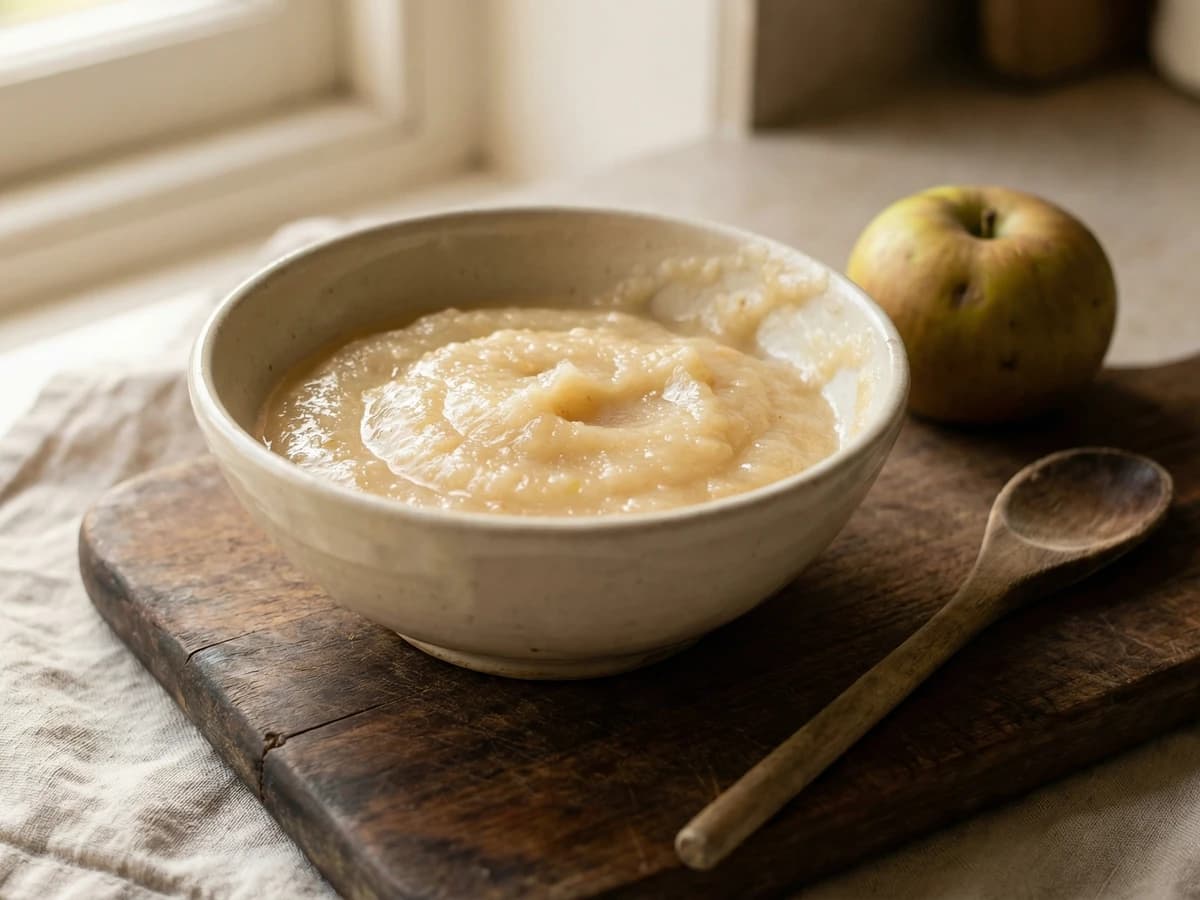
A bowl of sharp, fluffy Bramley apple sauce, made in the time it takes to carve the pork, the kind of small condiment that quietly makes the whole meal make sense.
Chef Thomas
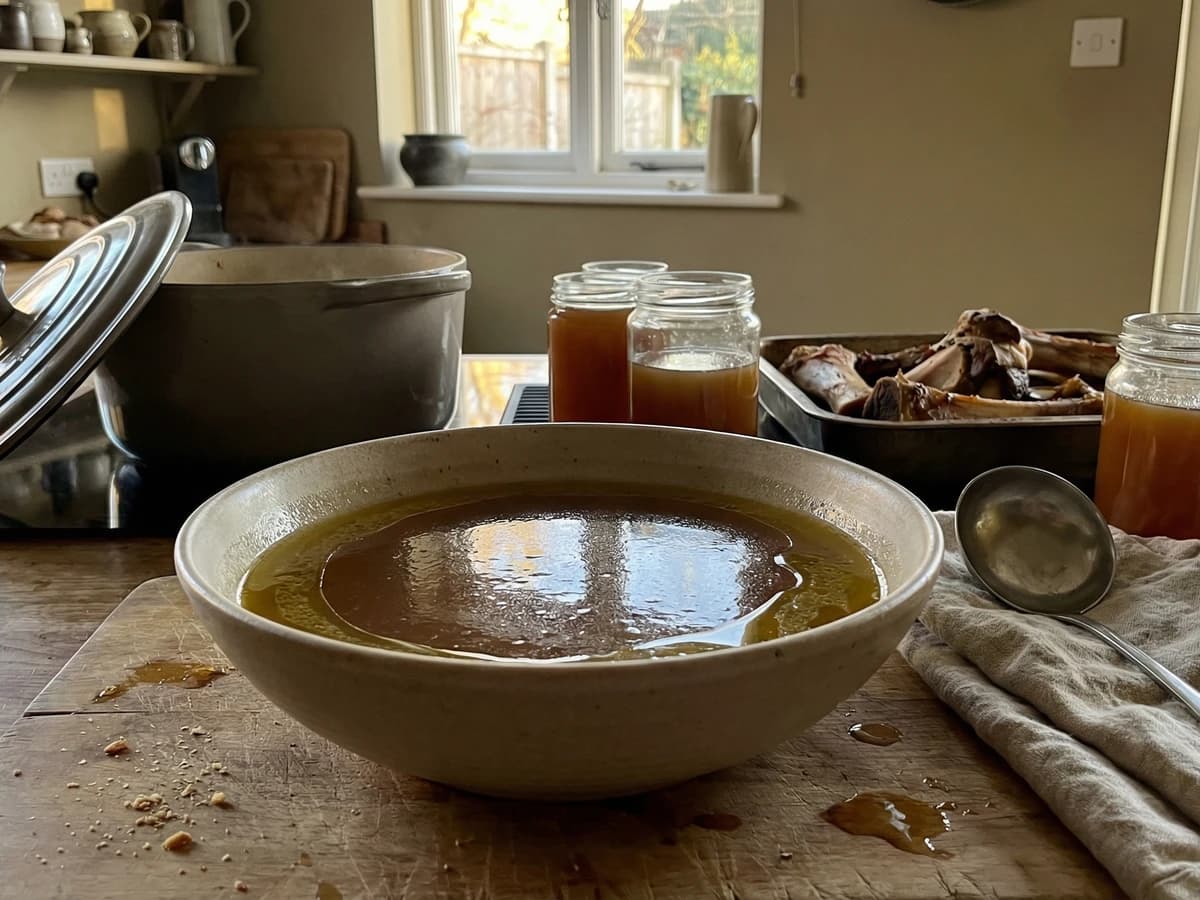
Beef bones roasted until dark, then coaxed for a long afternoon into a deep amber stock, the foundation of every good gravy, every braise, every bowl of winter soup worth the trouble.