Culinary Explorer

A cooking platform built around craft, culture, and the stories behind what we eat.
Discover Culinary Explorer
Leek and Potato Soup

Leek and Potato Soup

Created by Chef Thomas

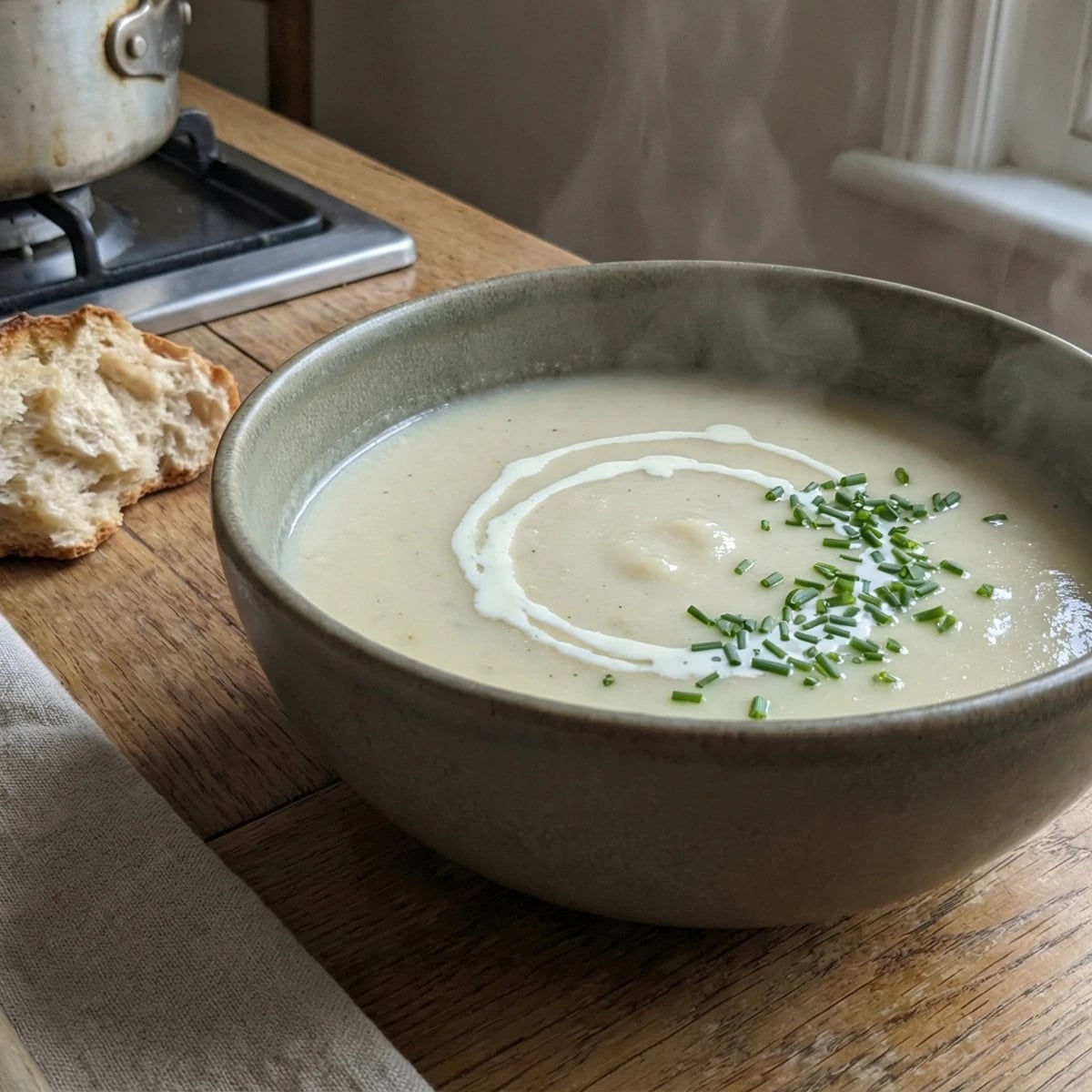
Leeks sweated slowly in butter, potatoes simmered until they give way, the whole thing blended to velvet and finished with cream. A bowl of soup for the kind of evening when comfort is the only thing on the menu.

Soups & Stews
British
Weeknight
Comfort Food
15 min
Active Time
45 min cook1 hr total
Yield4 servings

The kitchen window has fogged over. That's how you know the soup is doing what it should. There's a pan on the hob, leeks collapsed into butter, potatoes softening in stock, and the room smells of something so quietly good that it barely announces itself. This is not a soup that shouts. It arrives gently, like a hand on your shoulder.

Leeks and potatoes. I can't think of a more honest combination. The leeks bring sweetness, the potatoes give body, and the butter holds it all together. There's nothing to hide behind. No spice rack to raid, no clever technique to master. You soften, you simmer, you blend. A recipe is a conversation, not a contract, and this one barely needs a recipe at all. Once you've made it twice, you'll do it from memory.

I come back to this soup every autumn, usually the first week the evenings draw in properly and the kitchen feels like the warmest room in the house. I wrote it down in the notebook years ago, just a few words: leeks, butter, stock, Tuesday. The rain was heavy that evening. The soup was right. Sometimes that's all you need to record.

It's worth saying that this soup is equally good cold, thinned with a little extra stock and served in smaller bowls on a warm evening with chives snipped over the top. The French call it vichyssoise and serve it as though they invented something. We've been making it in this country for longer than anyone remembers. We just didn't give it a name.

The technique, the tradition, and the story behind every dish.

Discover Culinary Explorer

Ingredients

leeks

Quantity

4 large

white and pale green parts only, halved lengthways and sliced

unsalted butter

Quantity

40g

olive oil

Quantity

1 tablespoon

floury potatoes (Maris Piper or King Edward)

Quantity

3 medium

peeled and roughly chopped

chicken or vegetable stock

Quantity

1 litre

double cream

Quantity

100ml

fine sea salt

Quantity

to taste

white pepper

Quantity

to taste

chives

Quantity

small bunch

finely snipped

extra cream or good olive oil (optional)

Quantity

for finishing

Equipment Needed

  • Heavy-bottomed saucepan or stockpot
  • Stick blender or countertop blender
  • Ladle
  • Sharp knife for leek preparation

Instructions

  1. 1

    Sweat the leeks slowly

    Melt the butter with the olive oil in a heavy-bottomed pan over a low heat. The oil stops the butter burning, which matters because you're going to leave the leeks alone for a while. Add the sliced leeks and a good pinch of salt. Stir them through the fat until they're coated and glistening, then cover with a lid. Let them sweat gently for a full fifteen minutes, stirring once or twice. You're not cooking them. You're coaxing them. They should go soft and silky, almost collapsed, sweet as anything. No colour. If you see even a hint of brown at the edges, your heat is too high. Turn it down and be patient.

    Leeks hide grit between their layers like a secret they don't want you to find. Split them lengthways first, then hold them under cold running water, fanning the layers apart. Dry them loosely in a tea towel. Wet leeks in hot butter spit.
  2. 2

    Add potatoes and stock

    When the leeks are soft and yielding, add the chopped potatoes and stir them through. Pour in the stock. It should cover everything comfortably, with a centimetre or so to spare. If it doesn't, add a splash of water. Bring to a gentle simmer, not a boil, and cook with the lid slightly ajar for twenty to twenty-five minutes. The potatoes are ready when they offer no resistance to the point of a knife. They should be almost falling apart. That's what you want. They're going to become the body of the soup.

  3. 3

    Blend until velvet

    Take the pan off the heat. Blend the soup until it is completely, silkily smooth. A stick blender in the pan is the easiest way, and the one that creates the least washing up, which counts. Work it longer than you think you need to. The texture you're after is velvet: no graininess, no lumps, nothing that catches on the tongue. If it feels too thick, add a splash more stock and blend again. If it seems thin, don't worry. The cream will give it weight.

    If you have a countertop blender and want a particularly fine texture, pass the soup through a sieve after blending. It makes the soup almost impossibly smooth. Not essential, but worth it if you're in the mood.
  4. 4

    Finish and season carefully

    Return the pan to a low heat. Stir in the cream. Warm the soup through gently without letting it boil, which would dull the colour and flatten the taste. Now season. Salt first, more than you expect. White pepper, just enough. Taste it. A good leek and potato soup should taste clean and sweet, of leeks and butter and the quiet background hum of stock. If it tastes of nothing much, it needs more salt. Taste it again. When it's right, you'll know. Ladle into warm bowls, finish each one with a swirl of cream or a thread of good olive oil, and scatter the chives over the top. Serve with bread that deserves to be torn.

Chef Tips

  • The stock carries this soup. With so few ingredients, there is nothing to compensate for a poor stock. If you have homemade, use it. If you don't, find the best you can buy. A good stock and a tin of mediocre stock are not the same ingredient, and your soup will know the difference even if you pretend it doesn't.
  • White pepper rather than black. It dissolves into the pale soup without leaving dark specks. A small vanity, perhaps, but this is a soup where appearance and taste are quietly the same thing.
  • Floury potatoes, not waxy. Maris Piper or King Edward break down as they cook, which is exactly what you need. A waxy potato holds its shape, and that's a virtue in a salad but a problem in a soup you want smooth.
  • If you want to make it a touch more interesting, slice the dark green leek tops you trimmed earlier into thin rings, fry them in butter until they crisp and curl, and scatter them over the finished bowl. A contrast of texture that earns its place without trying too hard.

Advance Preparation

  • The soup can be made two days ahead and refrigerated before adding the cream. Reheat gently over a low flame and stir in the cream just before serving. It thickens as it sits, so you may need a splash of stock to bring it back.
  • Freezes well for up to three months without the cream. Defrost overnight in the fridge and finish with cream when reheating. The texture will be slightly less silky than fresh, but it will still be good. Good enough, made with care, is better than perfect, made with anxiety.
  • To serve cold as a summer soup, thin with extra stock after blending, chill thoroughly, and finish with chives and a thread of good olive oil instead of cream.

Frequently Asked Questions

Nutrition Information

1 serving (about 480g)

Calories
435 calories
Total Fat
26 g
Saturated Fat
14 g
Trans Fat
0 g
Unsaturated Fat
11 g
Cholesterol
60 mg
Sodium
920 mg
Total Carbohydrates
46 g
Dietary Fiber
6 g
Sugars
8 g
Protein
8 g

Note: Chef personas and recipes are created with AI assistance. Cook with care: follow safe food-handling practices, check doneness with a thermometer when needed, and adapt for allergies and your kitchen.

Where cooking meets culture.

Culinary guides, cultural storytelling, and the editorial depth that makes cooking meaningful.

Discover Culinary Explorer

More from British Soups

Browse the full collection