Chef Graziella
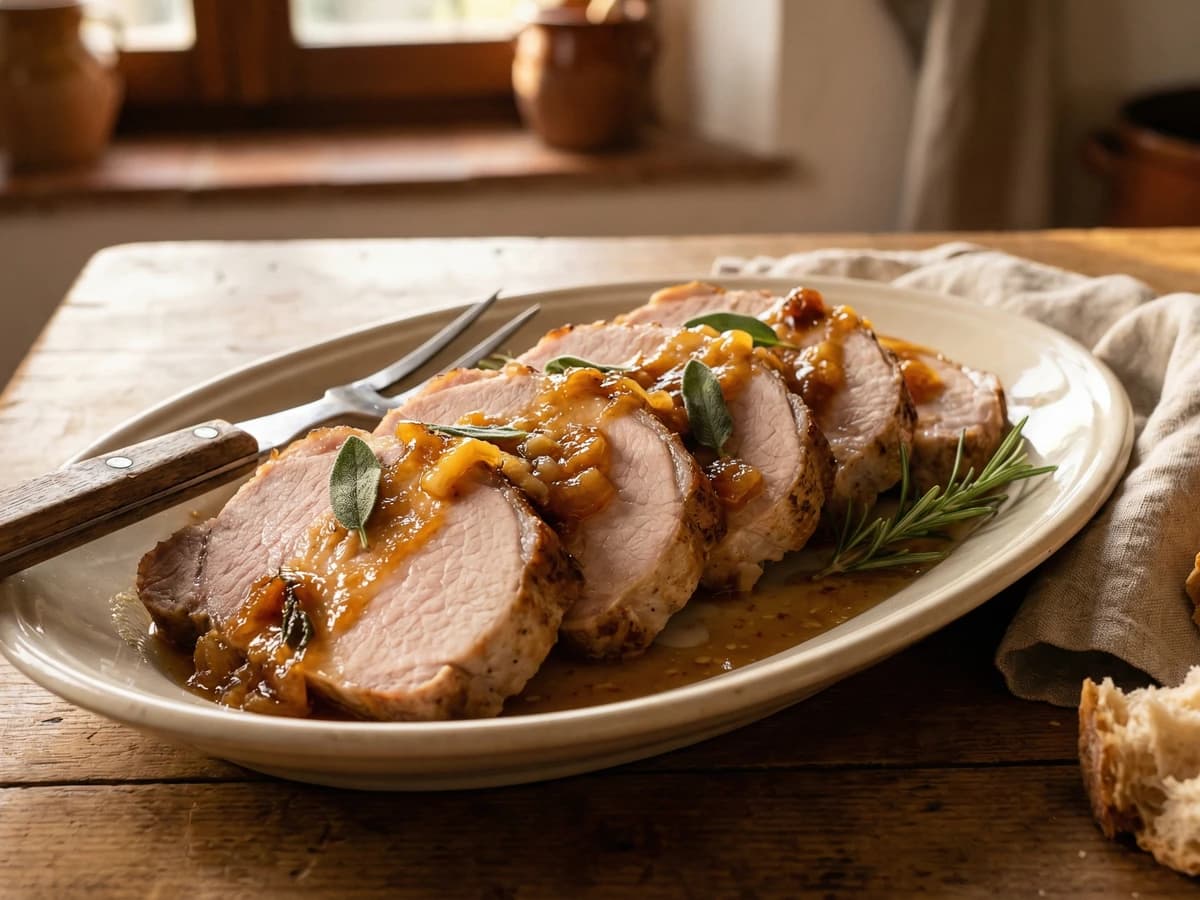
Arrosto di Maiale al Latte
Pork loin braised in milk until the liquid transforms into nutty, golden curds that cling to impossibly tender meat. The technique looks like failure and tastes like triumph.
A cooking platform built around craft, culture, and the stories behind what we eat.

Created by
Fresh egg pasta rolled thin enough to see through, cut to fit your pan. In Emilia, we layer with ragù and béchamel. In Naples, with meatballs and ricotta. The technique serves both.
The sfogline of Bologna could roll pasta sheets as large as bedsheets, so thin you could read a newspaper through them. They trained for years to achieve this. You do not need years. You need a pasta machine, three hours of your afternoon, and the willingness to learn.
Proper lasagna sheets should be thin. Not delicate-for-show thin, but thin enough that each layer cooks through completely and melds with the sauce above and below it. Thick pasta in lasagna creates gummy, doughy layers that separate from the filling. This is why dried lasagna noodles, no matter how convenient, never produce results comparable to fresh.
The dough is simple: flour and eggs in the traditional Emilian ratio of 100 grams flour to one egg. No olive oil. No water. The eggs provide all the moisture and richness the dough needs. Your job is to knead it properly, rest it sufficiently, and roll it thin. Simple does not mean easy.
Layered pasta dishes appear in medieval Italian manuscripts, though the modern lasagna al forno emerged in Emilia-Romagna during the Renaissance. The sfogline, women who specialized in hand-rolling pasta, were essential figures in Bolognese households and restaurants until the mid-20th century. Their technique, rolling with a yard-long mattarello, produced sheets of legendary thinness.
Quantity
300g (about 2 1/3 cups)
plus more for dusting
Quantity
3
at room temperature
Quantity
pinch
Quantity
for dusting sheets
| Ingredient | Quantity |
|---|---|
| tipo 00 flourplus more for dusting | 300g (about 2 1/3 cups) |
| large eggsat room temperature | 3 |
| fine sea salt | pinch |
| semolina flour | for dusting sheets |
Mound the flour on a large wooden board or clean work surface. Create a well in the center, wide enough to hold the eggs without them escaping. The walls of your well should be substantial. Think of it as a volcano crater, not a shallow bowl. Crack the eggs into the center and add the salt.
Using a fork, beat the eggs gently as you would for scrambled eggs. Begin pulling flour from the inner walls of the well into the eggs, a little at a time. Work in a circular motion, always drawing from the inside. When the mixture becomes too thick to work with a fork, set it aside and begin using your hands.
Using a bench scraper or your hands, fold the remaining flour over the egg mixture. Press and push until you have a shaggy mass. Not all the flour will incorporate immediately. This is correct. Scrape away any dried bits that will not absorb moisture and discard them.
Begin kneading with the heel of your hand. Push the dough away from you, fold it back over itself, rotate a quarter turn, and repeat. The dough will feel rough and reluctant at first. After 8 to 10 minutes of steady kneading, it will become smooth, supple, and spring back when pressed. The surface should feel like your earlobe. If it remains sticky, add flour sparingly. If it cracks and refuses to come together, wet your hands slightly.
Wrap the dough tightly in plastic wrap. Let it rest at room temperature for at least 30 minutes, and up to one hour. This relaxes the gluten you have worked so hard to develop, making the dough extensible enough to roll thin. Do not skip this step. Attempting to roll unrested dough is an exercise in frustration.
Unwrap the rested dough and cut it into four equal pieces. Work with one piece at a time, keeping the others covered. Flatten the first piece with your hands into a rough rectangle, about half an inch thick. Dust lightly with flour.
Set your pasta machine to its widest setting. Feed the dough through. Fold it in thirds like a letter, rotate 90 degrees, and feed it through again on the same setting. Repeat this folding process three or four times. This further develops the gluten and creates even sheets. The dough should become noticeably smoother and more pliable.
Now begin rolling the sheet thinner, advancing one setting at a time. Do not skip settings. Each pass should stretch the dough slightly without tearing it. Support the sheet with your free hand as it emerges from the rollers. Dust with flour only if it begins to stick. For lasagna, roll to the second-thinnest setting on most machines. The sheet should be thin enough that you can see the shadow of your hand through it, but sturdy enough to handle.
Lay the finished sheet on a lightly floured surface. Measure your baking pan and cut sheets to fit, allowing for slight shrinkage during cooking. A 9x13-inch pan requires sheets approximately 12 inches long. Cut with a sharp knife or pizza wheel. You will need 4 to 5 layers of pasta for a proper lasagna.
Dust each cut sheet generously with semolina flour and stack them, separated by the semolina, on a sheet pan. Cover with a clean kitchen towel. The sheets can rest at room temperature for up to two hours, or refrigerate for up to one day. Bring to room temperature before using.
For Emilian-style lasagna, the sheets are used without pre-cooking if they are thin enough and the ragù and béchamel are sufficiently moist. For Neapolitan-style or if your sheets are on the thicker side, blanch briefly in abundant salted boiling water for 30 seconds, then transfer to a bowl of ice water. Lay the blanched sheets on clean kitchen towels and blot dry before layering.
1 serving (about 65g)
Culinary guides, cultural storytelling, and the editorial depth that makes cooking meaningful.
Discover Culinary ExplorerChef Graziella
Pork loin braised in milk until the liquid transforms into nutty, golden curds that cling to impossibly tender meat. The technique looks like failure and tastes like triumph.

Chef Graziella
Thick pork chops rubbed with salamoia bolognese and grilled over live fire. This is how we eat in summer in Emilia-Romagna: simply, outdoors, with family.
Chef Graziella
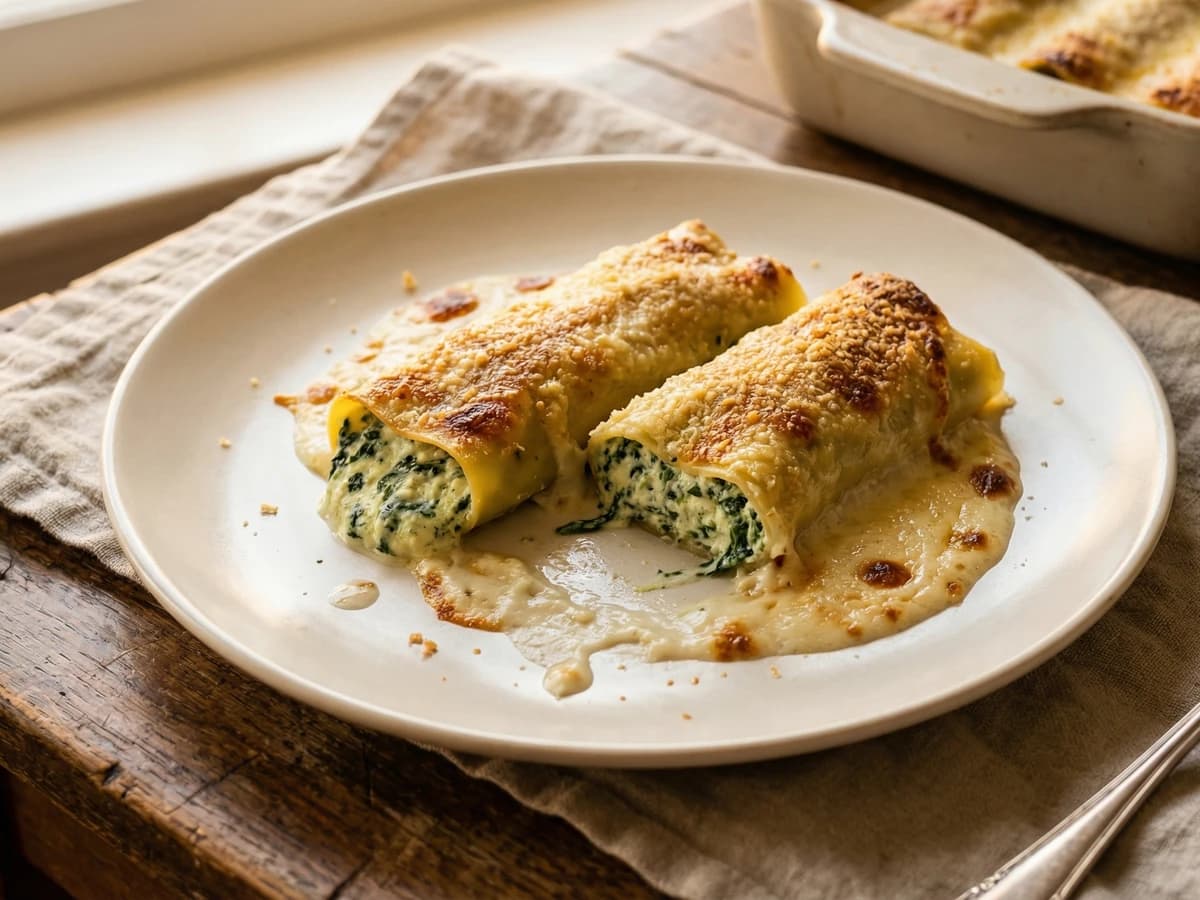
Hand-rolled pasta sheets wrapped around a filling of ricotta and spinach, covered in besciamella and baked until golden. This is the Sunday cooking of Emilia-Romagna, made without shortcuts.
Chef Graziella
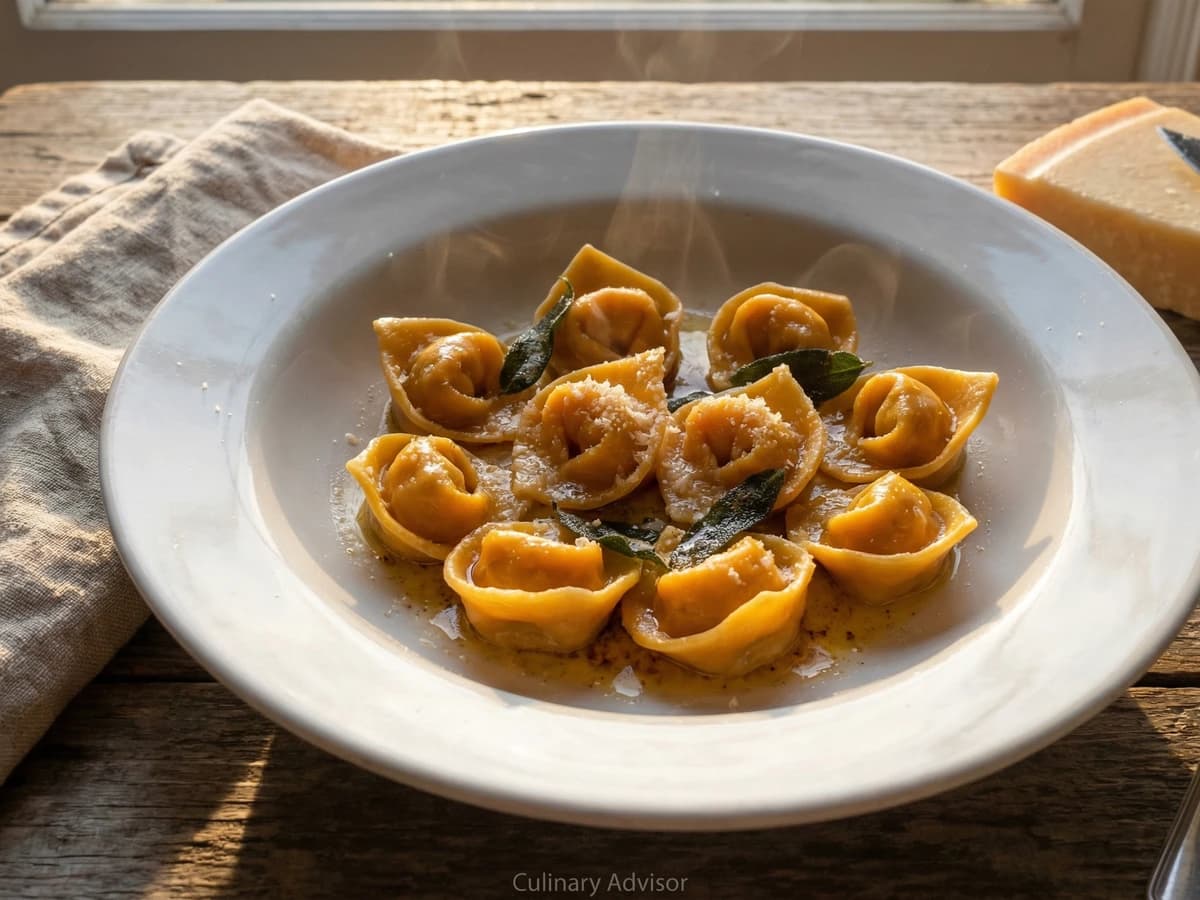
The pasta of the Este dukes, where sweet roasted pumpkin meets fresh egg pasta in shapes like little peasant hats. Dressed only with butter and sage, as Ferrara has done since the Renaissance.