Chef Joost
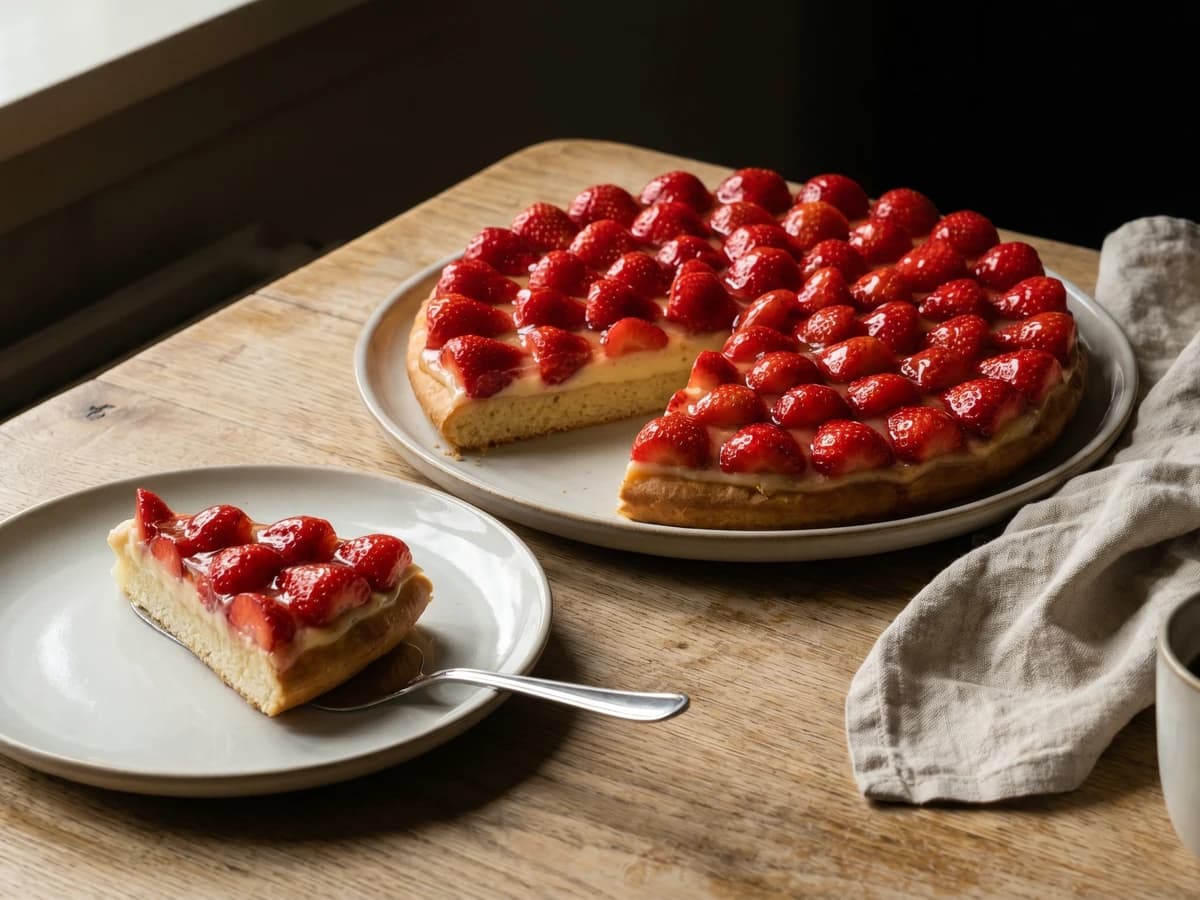
Aardbeienvlaai (Limburg Strawberry Vlaai)
The summer vlaai that politely breaks Limburg's baked-fruit rule: soft gistdeeg, cool pastry cream, and strawberries left fresh because June knows better than the oven.
A cooking platform built around craft, culture, and the stories behind what we eat.
Created by
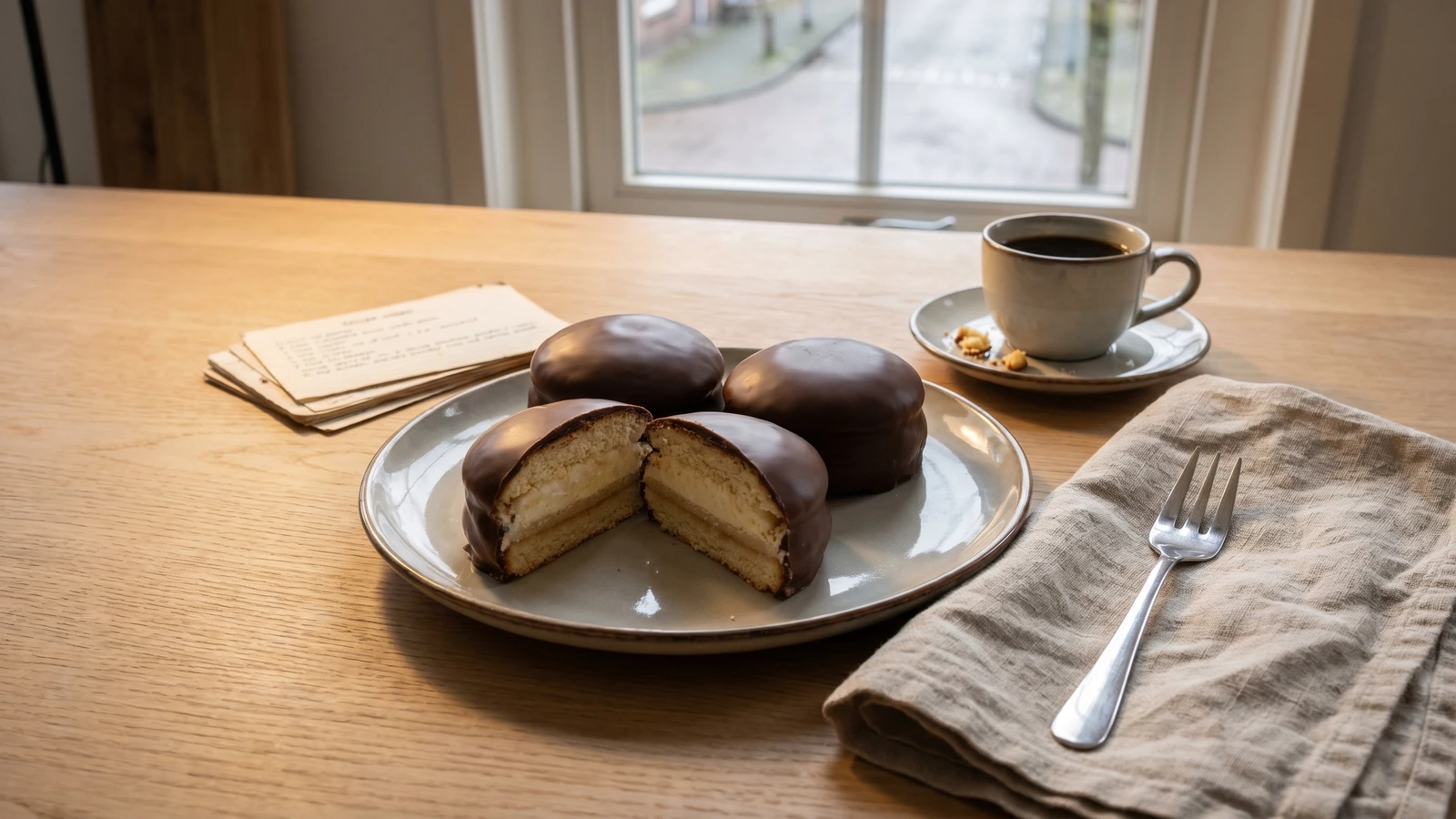
The kozak is Overijssel's quiet answer to the mergpijp: soft cake, cream, marzipan, and chocolate, with no jam smuggled in under another name.
The name kozak sounds as if it rode into the Dutch pastry case on horseback, and in a way it did. A kozak is a Cossack, one of those eastern cavalrymen who became part of Dutch memory after the fall of Napoleon. Whether this little round pastry was named for the soldier, the fur hat, or simply the pleasure bakers take in giving sweets martial names, the honest answer is: we don't know with certainty. A forced etymology is worse than none. The name already tells you enough to be careful.
But let me tell you a secret. The kozak is easy to confuse with the mergpijp, that more famous marzipan-covered cousin with jam inside. In Twente, in Overijssel, the kozak keeps its own counsel: soft biscuit, cream, marzipan, chocolate, and no red stripe of jam announcing itself like a brass band. This is regional pastry in the Dutch way, modest until you cut it open.
What matters here is softness against snap. The sponge must stay tender, the cream must be firm enough to hold its round shape, the marzipan rolled thin enough to embrace rather than bully, and the chocolate should set with a clean bite. Hou het altijd simpel, always keep it simple. Make the parts neatly, chill when the pastry asks for patience, and don't decorate what already has the good manners to be itself.
The kozak is associated especially with Twente in Overijssel, where regional bakeries distinguish it from the mergpijp by its round shape and its filling of cream without jam. Its name means Cossack in Dutch, a word that entered popular European imagination strongly after Cossack troops helped drive French forces from the Netherlands in 1813, though the pastry's exact naming history is not securely documented. The useful table fact is the distinction: a kozak is round, cream-filled, marzipan-wrapped, and chocolate-coated; add jam and you have wandered toward the mergpijp.
Quantity
4
Quantity
120g
Quantity
1 teaspoon or 1/2 teaspoon
Quantity
100g
Quantity
25g
Quantity
1 pinch
Quantity
250ml
Quantity
60g
for pastry cream
Quantity
2
Quantity
25g
for pastry cream
Quantity
25g
Quantity
200ml
Quantity
1 tablespoon
Quantity
350g
Quantity
as needed
for rolling
Quantity
250g
chopped
Quantity
1 tablespoon
| Ingredient | Quantity |
|---|---|
| large eggs | 4 |
| caster sugar | 120g |
| vanilla sugar or vanilla extract | 1 teaspoon or 1/2 teaspoon |
| plain flour | 100g |
| cornstarch | 25g |
| fine salt | 1 pinch |
| whole milk | 250ml |
| caster sugarfor pastry cream | 60g |
| egg yolks | 2 |
| cornstarchfor pastry cream | 25g |
| butter | 25g |
| cold whipping cream | 200ml |
| icing sugar | 1 tablespoon |
| almond marzipan | 350g |
| icing sugarfor rolling | as needed |
| dark chocolatechopped | 250g |
| neutral oil or cocoa butter | 1 tablespoon |
Heat the oven to 190C. Beat the eggs, 120g caster sugar, vanilla, and salt for 6 to 8 minutes, until thick, pale, and ribboning from the whisk. Sift over the flour and 25g cornstarch, then fold gently so you keep the air you just worked for. Spread in a lined 30 by 40cm baking tray and bake for 10 to 12 minutes, until springy and lightly golden.
Warm the milk in a small pan. In a bowl, whisk the yolks, 60g sugar, and 25g cornstarch until smooth, then whisk in the hot milk. Return everything to the pan and cook, stirring constantly, until thick and glossy. Beat in the butter, cover the surface directly, and chill completely. When cold, whip the cream with the icing sugar to soft firm peaks and fold it through the pastry cream.
Cut 16 rounds from the sponge, about 6cm wide. Pipe or spoon a generous mound of cream onto 8 rounds, then cap each with a second round and press lightly so the filling reaches the edge without spilling. Chill for 30 minutes. This rest is not fussiness; a soft pastry behaves better when cold.
Dust the counter lightly with icing sugar and roll the marzipan to about 2mm thick. Cut strips wide enough to cover the side of each pastry and wrap them neatly around the rounds, sealing the join with a little pressure. Trim the top and bottom cleanly. The marzipan should be a coat, not armour.
Melt the chocolate gently with the oil or cocoa butter, then let it cool until fluid but no longer hot. Dip the top and sides of each chilled kozak, leaving the base clean if you like the bakery look, or coating it fully if you like a firmer shell. Set on baking paper until the chocolate has a satin finish and a clean touch.
Refrigerate the kozakken for at least 1 hour before serving. Cut with a thin sharp knife so the chocolate gives way cleanly and the cream stays in place. Serve small plates, coffee, and no apology for the richness. Twente has done the arguing for you.
1 serving (about 200g)
Culinary guides, cultural storytelling, and the editorial depth that makes cooking meaningful.
Discover Culinary ExplorerChef Joost
The summer vlaai that politely breaks Limburg's baked-fruit rule: soft gistdeeg, cool pastry cream, and strawberries left fresh because June knows better than the oven.

Chef Joost
A Limburg vlaai is not a pie trying to be grand. It is a thin yeast-dough round, fruit-bright and generous, made for birthdays, coffee, and second slices.

Chef Joost
The December bakery counter made small: cold leafed pastry wrapped around lemon-scented amandelspijs, brushed gold, and scattered with almonds so one person gets the whole holiday in both hands.
Chef Joost
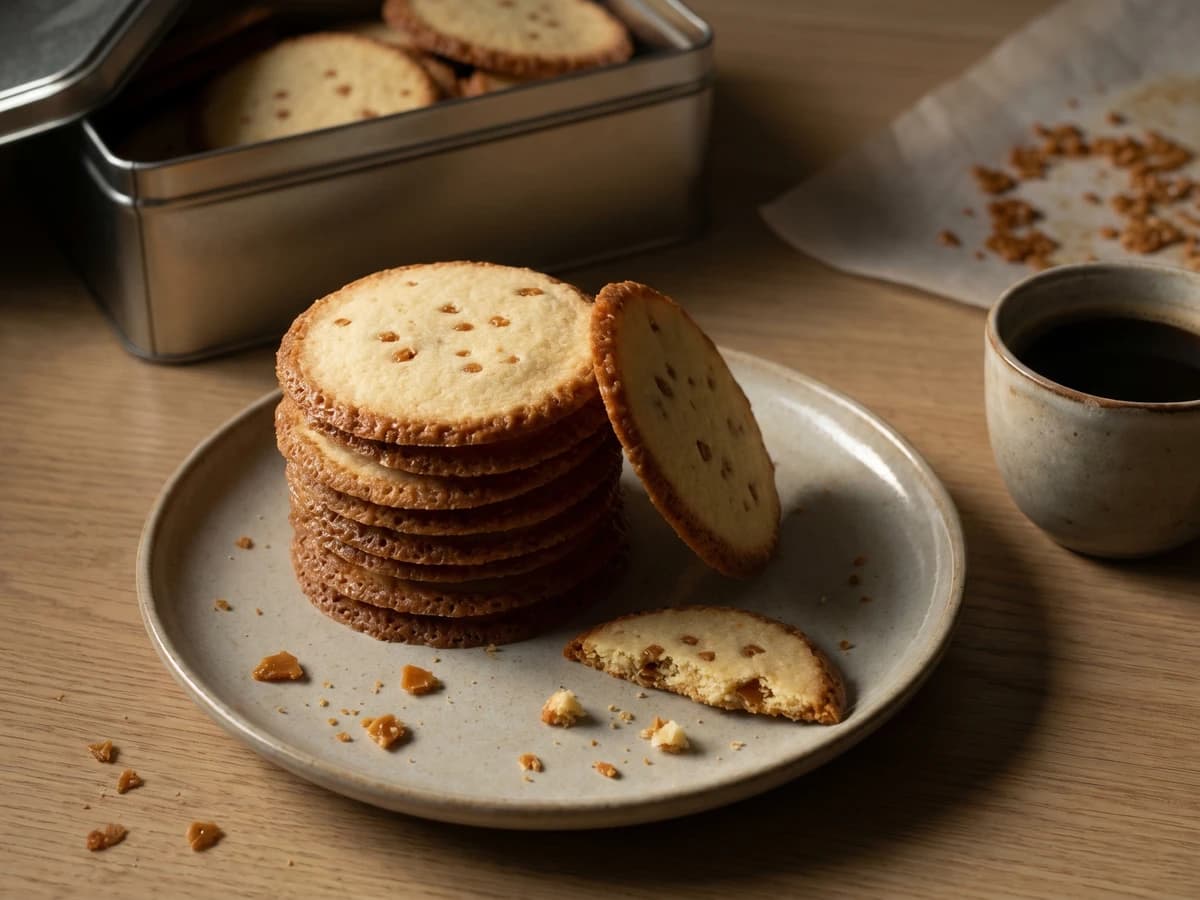
A thin Amsterdam cookie carrying a cog ship in its name: caramelized butter dough, almond nougatine, and a 1934 contest that turned municipal pride into something for coffee.