Chef Joost
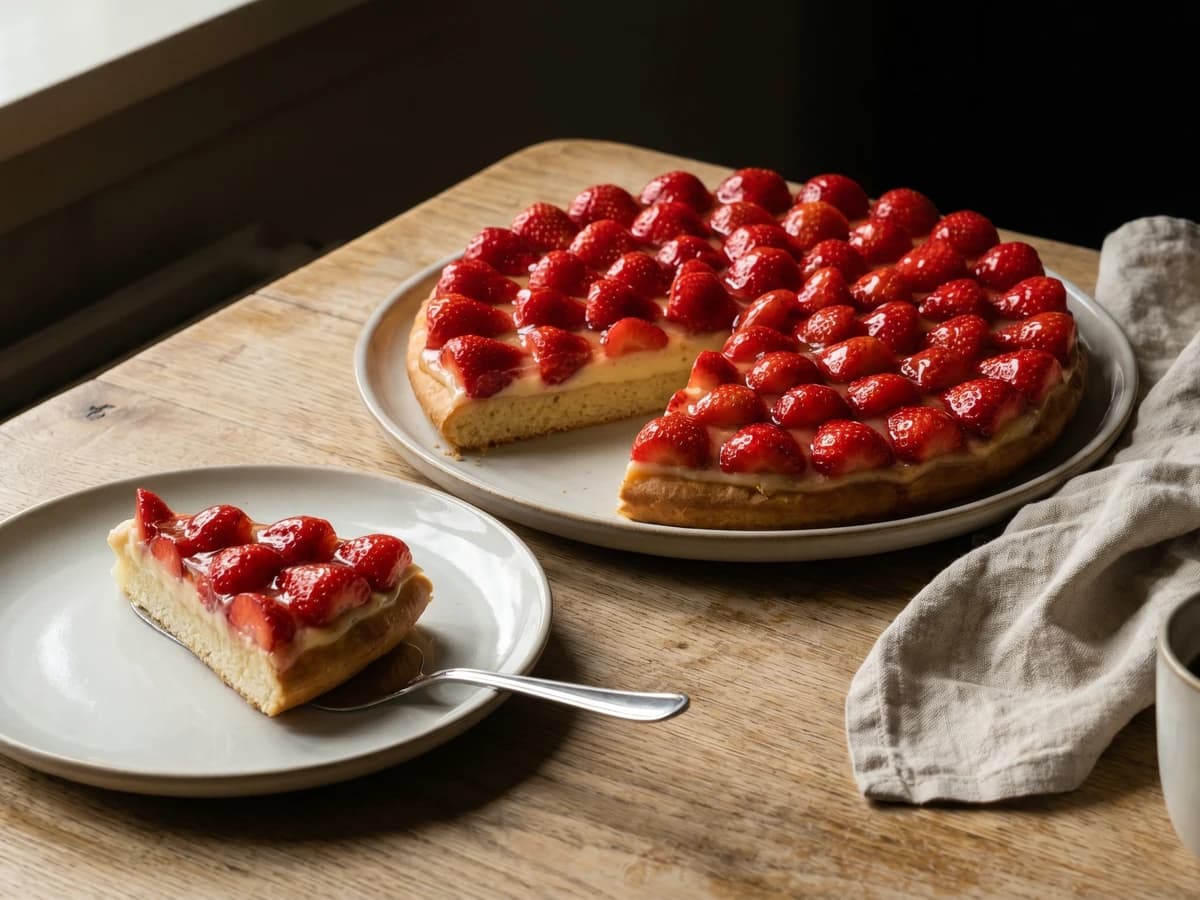
Aardbeienvlaai (Limburg Strawberry Vlaai)
The summer vlaai that politely breaks Limburg's baked-fruit rule: soft gistdeeg, cool pastry cream, and strawberries left fresh because June knows better than the oven.
A cooking platform built around craft, culture, and the stories behind what we eat.

Created by
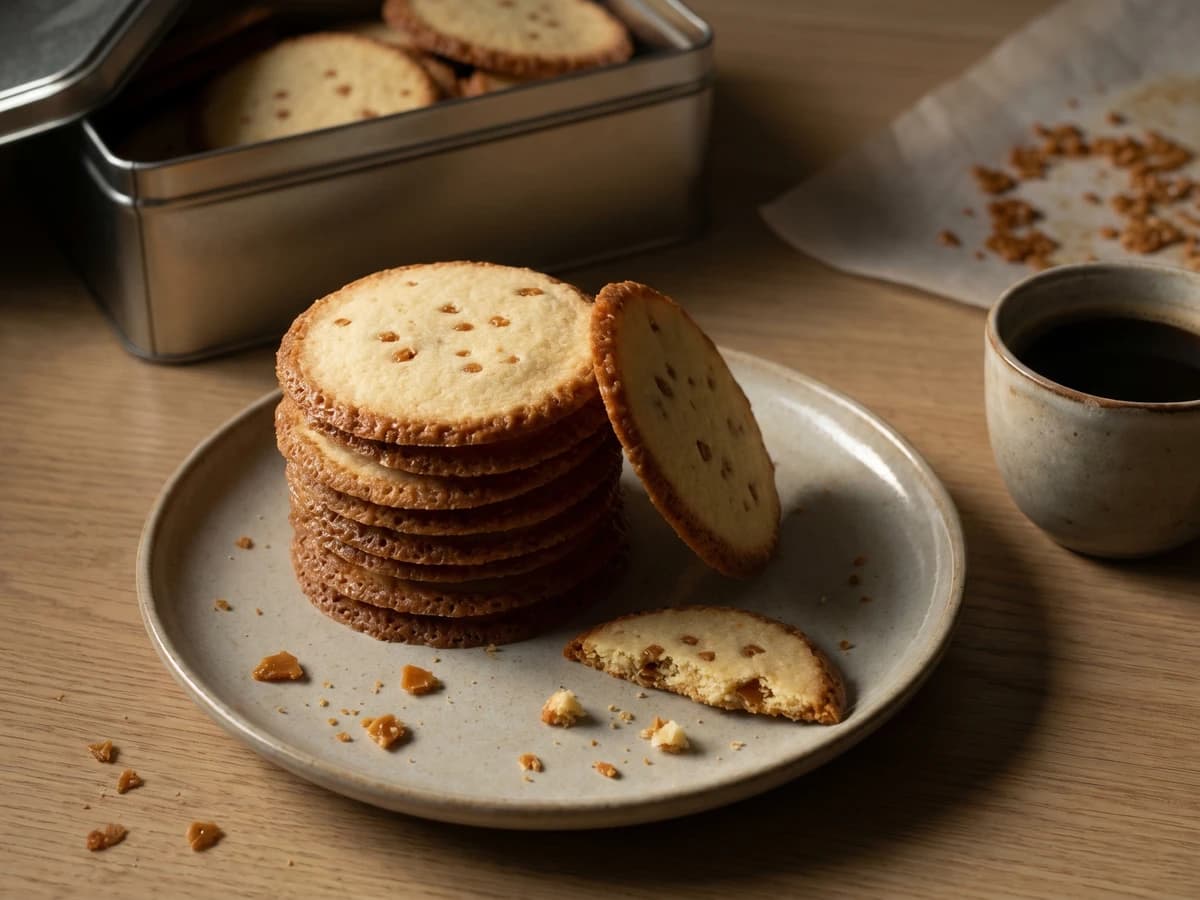
Arnhem's sugar-thin oval biscuits look modest in the tin, but one bite gives you Hagdorn's 1829 bakery, a Gelderland coffee table, and the Dutch talent for making frugality sparkle.
The first time I met an Arnhem girl she was in a biscuit tin, not a ballroom. In Gelderland, where the Rhine bends and Arnhem keeps one foot in city brick and one in river country, these little ovals arrive with coffee looking too plain to cause trouble. Then your teeth find the sugared edge. It cracks like thin caramel glass, butter underneath, yeast behind it, and suddenly the plain little cookie has the whole table listening. Politely, of course.
The name already tells you what it can honestly tell: Arnhemse Meisjes, girls from Arnhem. No Latin trapdoor, no sea-route romance, no story invented because a writer got bored; for obvious reasons, the city itself is enough. Hagdorn's bakery put them into Arnhem's memory in 1829, and they have stayed there because they suit the Dutch coffee table so well. No saint's day owns them. Their season is bezoek, a visit, when the tin opens and one more cup is poured.
But let me tell you a secret. These are not made by sweetening the dough; they are made by letting the sugar become the surface. Roll in flour and you get a biscuit. Roll in coarse sugar, thin enough that you almost doubt yourself, and you get Arnhem. Hou het altijd simpel, always keep it simple: cold butter, short rest, firm rolling, bake a shade darker than caution suggests, then let them cool until the caramel firms. A dish without its story is half a meal; this one is a whole city in an oval.
In 1829, Arnhem baker Hagdorn first sold Arnhemse Meisjes, thin oval biscuits made from yeast dough pressed into coarse sugar before baking. The name simply means 'girls from Arnhem'; it fixes the pastry to a Gelderland city rather than hiding a deeper word-origin, and that local claim is the point. Roald Dahl later helped carry the biscuit into English-language food writing after praising a version in his family cookbook, but in the Netherlands it remains first of all an Arnhem specialty for coffee tins and visitors.
Quantity
250g
plus a little for initial rolling
Quantity
125g
cut into small cubes
Quantity
7g
Quantity
75ml, plus 1 to 2 teaspoons if needed
Quantity
1 tablespoon
Quantity
1/2 teaspoon
Quantity
200g
for rolling
| Ingredient | Quantity |
|---|---|
| plain flourplus a little for initial rolling | 250g |
| cold unsalted buttercut into small cubes | 125g |
| instant yeast | 7g |
| lukewarm whole milk | 75ml, plus 1 to 2 teaspoons if needed |
| fresh lemon juice | 1 tablespoon |
| fine sea salt | 1/2 teaspoon |
| coarse white sugar (kristalsuiker)for rolling | 200g |
Stir the instant yeast into the lukewarm milk and leave it for five minutes while you weigh the rest. Instant yeast does not need much ceremony, but the pause proves your milk is warm rather than hot; if it feels hot to your finger, it is too hot for the yeast.
Mix the flour and salt in a large bowl. Add the cold butter cubes and rub them in with your fingertips until you have small flakes and pea-sized pieces, not a smooth paste. Those little butter pockets help the biscuits lift and flake in the oven.
Add the yeast milk and lemon juice, then stir with a fork until the dough begins to clump. Bring it together by hand and knead only for a minute, just until no dry flour remains. The dough should feel cool, slightly rough, and obedient. If it refuses to gather, add a teaspoon or two of milk, no more.
Shape the dough into a flat disc, cover it, and refrigerate for one hour. It will puff only a little; this is not bread trying to impress anyone. The rest lets the flour hydrate and the butter firm, so the dough stretches under the sugar later instead of tearing.
Heat the oven to 200C, or 180C fan, and line two baking trays with parchment. Roll the rested dough on a lightly floured surface to about 5mm thick, then cut ovals about 7cm by 4cm. Gather scraps once only and reroll them gently; after that, the dough gets tough and the biscuit loses its manners.
Pour the coarse sugar into a shallow tray. Lay each oval in the sugar, turn it over, then roll it firmly through the sugar, not flour, until it is thin, oval, and about 10 to 12cm long. The surface should look heavily sugared, with crystals pressed into the dough rather than sprinkled on top. Transfer to the trays with space between them.
Bake for 12 to 15 minutes, rotating the trays halfway, until the rims are deep golden and the sugar has formed glassy amber patches. Pale biscuits stay leathery, but burnt sugar turns bitter, so watch the final minutes like a baker, not like a philosopher.
Slide the parchment onto a cooling rack and leave the biscuits alone for ten minutes before lifting them. They firm as the sugar cools. Once completely cold, store them in an airtight tin, which is where Arnhemse Meisjes have always looked most at home.
1 serving (about 23g)
Culinary guides, cultural storytelling, and the editorial depth that makes cooking meaningful.
Discover Culinary ExplorerChef Joost
The summer vlaai that politely breaks Limburg's baked-fruit rule: soft gistdeeg, cool pastry cream, and strawberries left fresh because June knows better than the oven.

Chef Joost
A Limburg vlaai is not a pie trying to be grand. It is a thin yeast-dough round, fruit-bright and generous, made for birthdays, coffee, and second slices.

Chef Joost
The December bakery counter made small: cold leafed pastry wrapped around lemon-scented amandelspijs, brushed gold, and scattered with almonds so one person gets the whole holiday in both hands.
Chef Joost
A thin Amsterdam cookie carrying a cog ship in its name: caramelized butter dough, almond nougatine, and a 1934 contest that turned municipal pride into something for coffee.