
Chef Takumi
Abura Soba (油そば, brothless ramen)
Abura soba is ramen without the hiding place of soup: hot noodles, strong shōyu tare, fragrant oil, and the discipline to mix while every strand is still hot.
A cooking platform built around craft, culture, and the stories behind what we eat.

Created by
Thin winter boar blooms in the pot like peony petals, then settles into miso dashi with burdock and mushrooms. Keep the slices fatty and the simmer steady, and the meat stays tender.
Wild boar sounds like the animal that will argue with you from the pot. In winter, it is much better behaved than its reputation. When the meat is properly dressed, thinly sliced, and carrying clean white fat, the work is already half done. Hyōgo's mountain cooks know this: don't hide the boar, give it miso dashi, burdock, and time.
Botan nabe turns on one detail: the fat must melt before the lean tightens. That means slices two to three millimeters thick with fat attached, not lean cubes, and a broth held at a steady simmer. The miso is not there to bury gaminess. It rounds the wild sweetness and catches the fat as it loosens into the stock. Burdock goes in early because its earthy perfume meets the meat halfway. A partnership, not a disguise.
The peony arrangement looks ceremonial, and yes, it makes a handsome entrance. It is also practical: slices laid in petals separate easily, cook evenly, and remind the cook to keep the portion restrained. This is winter nabemono, a pot set in the center with rice, small tori-zara plates, and people leaning in quietly. The dish is honmono when the boar is good, the dashi clear, and the simmer unhurried.
Botan nabe is most closely associated with Tamba-Sasayama in Hyōgo Prefecture, a mountain area where winter boar hunting supplied meat when the animals had laid on fat. The name botan, peony, refers both to the flower-like arrangement of the thin red slices and to an old euphemistic naming custom for game at a time when eating four-legged animals sat uneasily beside Buddhist practice. The region still treats the dish as winter fare, especially in inns and restaurants that serve boar from the surrounding mountains.
Quantity
1 piece (about 10g)
Quantity
6 cups
Quantity
30g
Quantity
1/4 cup
Quantity
2 tablespoons
Quantity
1/2 cup (about 120g)
Quantity
3 tablespoons (about 55g)
Quantity
1 tablespoon
Quantity
1 teaspoon
Quantity
600g
very thinly sliced, 2 to 3mm thick, with fat attached
Quantity
1 large root
scrubbed and shaved into sasagaki
Quantity
300g
cut into 2-inch pieces
Quantity
1 large stalk
sliced on the diagonal
Quantity
8
stems trimmed
Quantity
1 pack
trimmed and separated
Quantity
1 block
drained and cut into 8 pieces
Quantity
1 package
rinsed, parboiled, and cut into shorter lengths
Quantity
1 small bunch
trimmed
Quantity
a few thin strips
Quantity
for serving
Quantity
for finishing the pot
| Ingredient | Quantity |
|---|---|
| konbu (dried kelp) | 1 piece (about 10g) |
| cold water | 6 cups |
| katsuobushi (bonito flakes) | 30g |
| sake | 1/4 cup |
| mirin | 2 tablespoons |
| aka miso (red miso) | 1/2 cup (about 120g) |
| shiro miso (white miso) | 3 tablespoons (about 55g) |
| soy sauce | 1 tablespoon |
| sugar (optional) | 1 teaspoon |
| wild boarvery thinly sliced, 2 to 3mm thick, with fat attached | 600g |
| gobō (burdock root)scrubbed and shaved into sasagaki | 1 large root |
| hakusai (napa cabbage)cut into 2-inch pieces | 300g |
| naganegi (Japanese long onion)sliced on the diagonal | 1 large stalk |
| fresh shiitake mushroomsstems trimmed | 8 |
| shimeji mushroomstrimmed and separated | 1 pack |
| yaki-dōfu or firm tofudrained and cut into 8 pieces | 1 block |
| shirataki or ito konnyakurinsed, parboiled, and cut into shorter lengths | 1 package |
| shungiku or mizunatrimmed | 1 small bunch |
| yuzu peel (optional) | a few thin strips |
| powdered sanshō (optional) | for serving |
| cooked udon noodles (optional) | for finishing the pot |
Wipe the konbu with a damp cloth, but don't wash it. That pale powder on the surface is flavor, not dirt. Put the konbu in the cold water in a wide pot and bring it up slowly over low heat, about ten minutes. Pull it out just before the water boils, when small bubbles climb the sides. Boil the kelp and the stock turns faintly bitter and slick, which is a poor trade for impatience.
Bring the water to a gentle boil, add the katsuobushi all at once, then take the pot off the heat. Leave the flakes alone for two or three minutes, until they sink. Strain through a cloth-lined sieve and let the dashi drip naturally. Don't squeeze. Squeezing presses out strong, oily flavors, and this pot wants depth, not murk.
Keep the boar chilled until you need it. If you are slicing it yourself, firm it in the freezer for twenty minutes, then slice across the grain two to three millimeters thick with the white fat left attached. Lay the slices on a plate in overlapping petals. The old peony shape is not only for beauty: it keeps the slices separate so they slide cleanly into the pot and cook evenly.
Scrub the gobō rather than peeling it bare, because much of its woodland scent sits near the skin. Shave it into thin sasagaki slivers, like sharpening a pencil with a knife, and soak them in cold water for five minutes only. Drain well. A short soak softens harsh tannin; a long soak washes away the very flavor you wanted. Parboil the shirataki for two minutes and drain, which removes its alkaline smell before it joins the broth.
Pour about five and a half cups of dashi into a donabe or wide heavy pot. Add the sake and mirin and simmer for two minutes so the alcohol edge rounds off. Lower the heat. In a small bowl, loosen both misos with a ladle of hot dashi, then stir the smooth paste back into the pot with the soy sauce and sugar, if using. Taste it now. It should be stronger than soup, because boar, tofu, and vegetables will soften it as they cook.
Add the gobō, shirataki, shiitake, shimeji, the thick white parts of the hakusai, the naganegi, and the tofu. Simmer eight to ten minutes, until the burdock bends easily and the mushrooms look glossy. These ingredients need the head start. They also season the broth before the boar goes in, which is the way the pot begins to taste like itself.
Slide the boar slices into the simmering broth in small batches, separating them with chopsticks. Cook until the meat is no longer pink and the fat turns translucent, usually five to eight minutes depending on the slice. Wild boar must be cooked through, to 71°C if you use a thermometer. This is not beef shabu-shabu. Give it enough time for the fat to loosen into the miso dashi, but don't let the pot boil violently or the lean meat will tighten.
Add the tender green parts of the hakusai and the shungiku or mizuna at the end. Let them wilt for a minute, no more. Their slight bitterness keeps the rich broth honest, but overcooking turns that bitterness dull. Finish with a few strips of yuzu peel and serve powdered sanshō at the table.
Set the donabe at the center and ladle portions into small tori-zara plates. Keep the broth at a quiet simmer as people eat, adding more boar or greens in small rounds rather than crowding the pot. At the end, add cooked udon to the remaining broth if you like. That last bowl is the reward for patience: dashi, miso, burdock, mushroom, and boar fat gathered into one honest finish.
1 serving (about 850g)
Culinary guides, cultural storytelling, and the editorial depth that makes cooking meaningful.
Discover Culinary ExplorerChef Takumi
Abura soba is ramen without the hiding place of soup: hot noodles, strong shōyu tare, fragrant oil, and the discipline to mix while every strand is still hot.
Chef Takumi
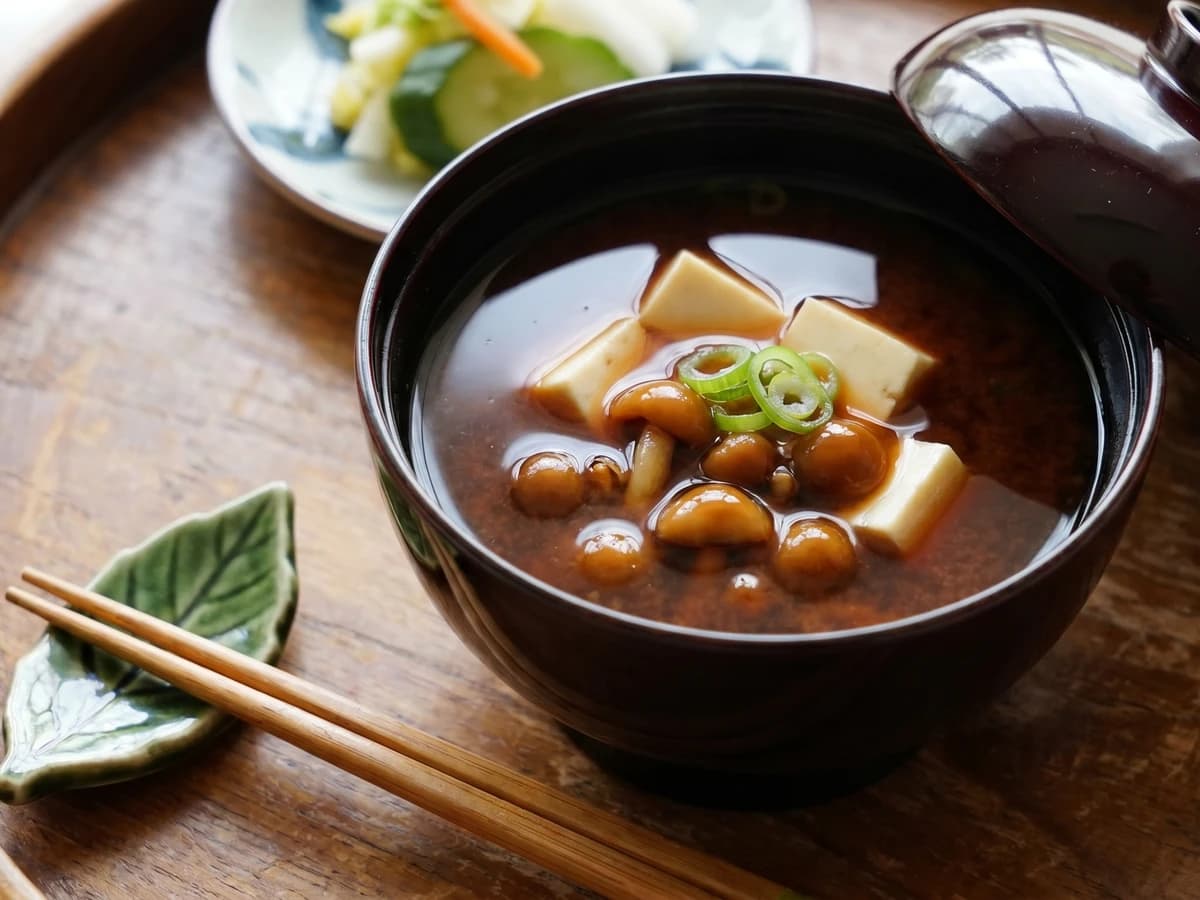
Akadashi asks you to trust the dark miso. Build a clear dashi, loosen the Hatchō mame-miso gently, and the soup turns coffee-dark, savory, and clean.

Chef Takumi
Toast the rice until its skin is firm, then let it meet chicken broth, burdock, maitake, and seri. The pot looks grand, but the work is rice, broth, and patience.
Chef Takumi
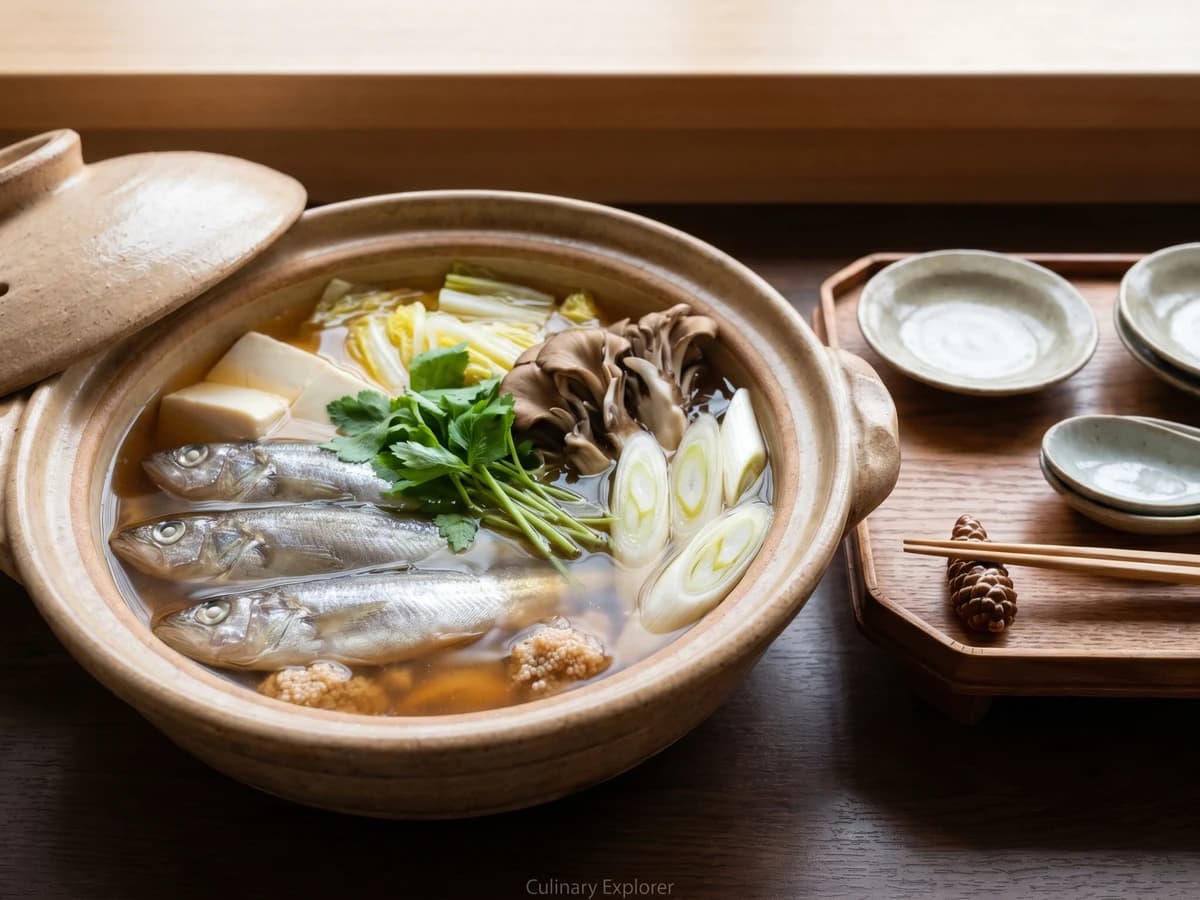
Shottsuru nabe is Akita winter in one pot: clean dashi, hatahata at shun, tofu and napa cabbage carrying a salt-deep broth without anything heavy enough to hide the fish.