
Chef Takumi
Awamori Mizuwari (泡盛水割り, awamori with water)
Awamori mizuwari is not a trick of the bar. It is three parts awamori, seven parts cold water, and enough patience to let the black-kōji aroma open.
A cooking platform built around craft, culture, and the stories behind what we eat.
Created by
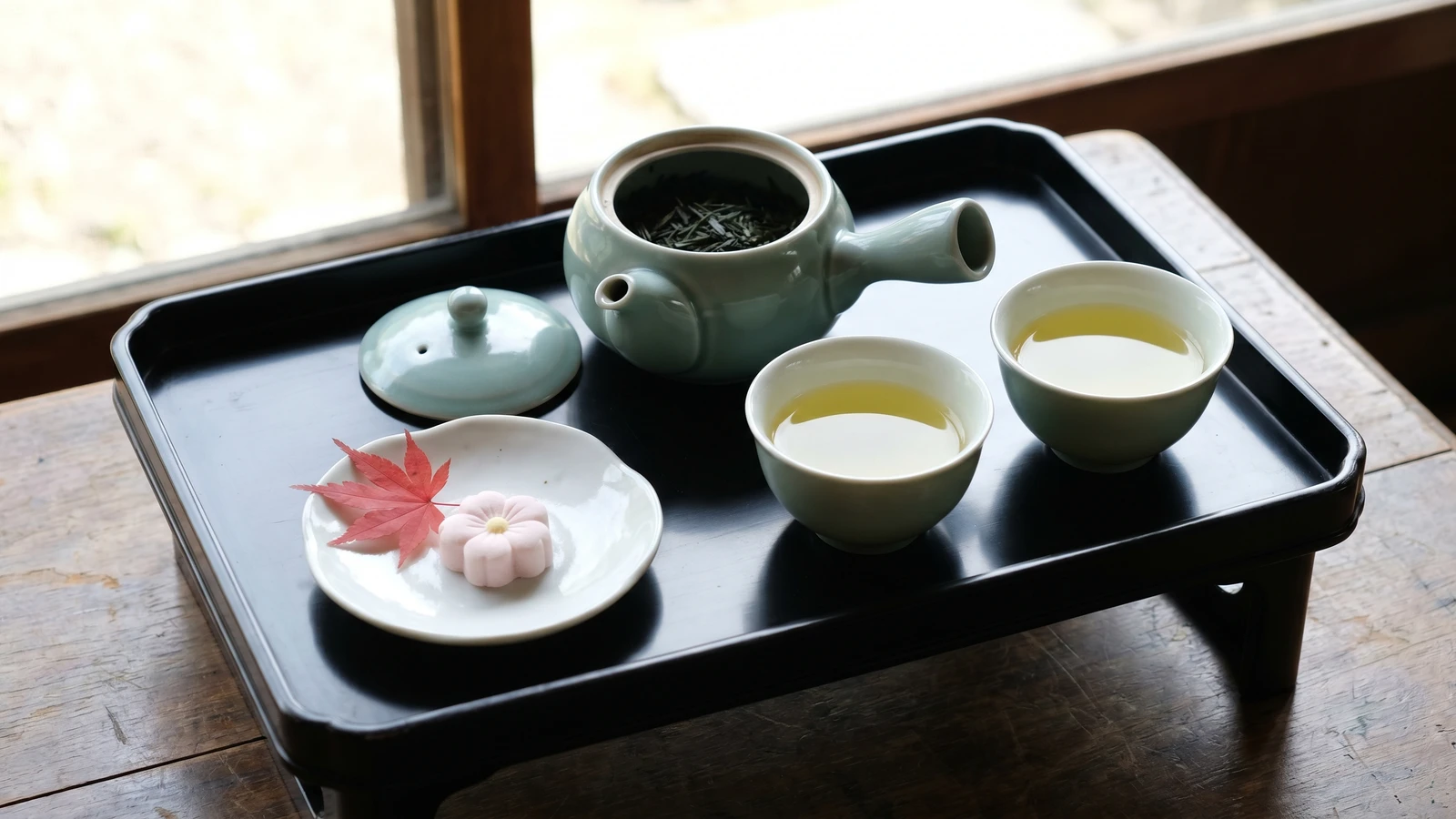
Gyokuro asks for less heat, not more skill. Keep the water at fifty to sixty Celsius and the shaded leaves give you a small cup, deep and sweet as broth.
Gyokuro looks severe because it gives so little liquid. A few tablespoons in the cup, almost too small to call a drink. Then you taste it, and the whole idea changes: thick, green, sweet, and deeply savory, a quiet cup that makes ordinary tea seem noisy.
The first secret is water temperature. These leaves were shaded before harvest, so they carry sweetness and amino acids close to the surface. Boiling water grabs bitterness first and flattens the cup. Water at fifty to sixty Celsius draws out the sweetness slowly, which is why we wait. Not difficult, only unfamiliar.
The second secret is dose and time. Use more leaf than feels reasonable, less water than feels polite, and let it sit. Gyokuro is not brewed like everyday sencha. It belongs to a slower table, often with a small sweet before the first sip, because the tea is concentrated enough to stand on its own. Leave it room. A half cup teaches more than a full one.
Gyokuro developed in the nineteenth century after tea makers around Uji and later Yame refined the practice of shading tea bushes before harvest. The name, meaning "jade dew," is associated with Yamamotoyama in Edo, where the style was commercialized in the 1830s. Its character comes from covering the plants for about twenty days, a method that preserves theanine and deepens the leaf color before the first spring picking.
Quantity
10g
Quantity
120ml
cooled to 50-60 C
Quantity
as needed
for warming the kyusu and cups
Quantity
2 pieces
| Ingredient | Quantity |
|---|---|
| high-quality gyokuro leaves | 10g |
| soft watercooled to 50-60 C | 120ml |
| hot waterfor warming the kyusu and cups | as needed |
| small wagashi (optional) | 2 pieces |
Pour hot water into the kyusu and the two small cups, then discard it. Warming the clay and cups keeps the brew from losing heat too quickly, which matters because gyokuro begins at a low temperature already. If you don't have a kyusu, use a small heatproof pitcher and a fine-mesh strainer.
Boil fresh soft water, then let it cool to 50-60 C. A thermometer is honest here. If you're working by hand, pour the water between cups two or three times until it feels hot but not sharp to the fingers on the outside of the cup. Too hot, and the leaf gives bitterness before sweetness.
Put 10g gyokuro leaves into the kyusu and spread them loosely across the bottom. This looks like too much leaf for 120ml water. That's correct. Gyokuro is brewed concentrated, so the small cup has body instead of thinness.
Pour the 50-60 C water over the leaves, cover the kyusu, and wait 2 minutes. Don't stir. The quiet steep lets sweetness and savor come forward while holding back harsh tannin. The liquor should turn pale yellow-green, not dark and muddy.
Pour a little into each cup, then go back and forth until both cups are even. Finish with the last drops, because they carry the richest taste. Don't leave liquid sitting with the leaves, or the next cup will turn coarse.
For a second infusion, use water around 65-70 C and steep for 30-45 seconds. The leaves are already awake, so they need less time and can take a little more warmth. The second cup is brighter and less thick, still very much worth your attention.
1 serving (about 60g)
Culinary guides, cultural storytelling, and the editorial depth that makes cooking meaningful.
Discover Culinary ExplorerChef Takumi
Awamori mizuwari is not a trick of the bar. It is three parts awamori, seven parts cold water, and enough patience to let the black-kōji aroma open.

Chef Takumi
Hot awamori asks for one small discipline: pour the hot water first, then the spirit. Do that, and the glass turns round, fragrant, and calmer than its strength suggests.

Chef Takumi
Bancha is the honest daily cup: late-season leaves, hot water, a short steep, and a clean amber-green liquor that asks for no ceremony to be good.

Chef Takumi
Whole black soybeans, roasted until their skins split, make a clear amber tea with a roasted sweetness and no caffeine. Drink it plain, then eat the softened beans while they still hold their warmth.