
Chef Dean
Easy Napa Cabbage Kimchi
Vibrant, fiery, and alive with beneficial bacteria, this Korean staple transforms humble cabbage into something extraordinary through nothing more than salt, spice, and patience.
A cooking platform built around craft, culture, and the stories behind what we eat.

Created by
A glossy, brick-red sauce that bridges Korean fermentation traditions with the American love of sweet heat, ready in fifteen minutes and willing to improve nearly anything you put on a plate.
Gochujang has conquered American kitchens for good reason. This fermented Korean chili paste carries a complexity that bottled hot sauces cannot match: deep, fruity heat layered with sweetness and that funky, savory depth that only fermentation provides. Combine it with honey and you have something remarkable. A sauce that clings. That caramelizes. That makes Tuesday's leftover chicken taste like you planned it all along.
I first encountered gochujang in a Korean grocery in Los Angeles thirty years ago, long before it appeared in every supermarket. The woman running the shop saw my confusion and pressed a small container into my hands. 'Mix with honey,' she said. 'Put on everything.' She was right.
This sauce takes fifteen minutes and rewards you for weeks. It lives happily in your refrigerator, ready to rescue bland rice bowls, transform roasted vegetables, or become the glaze that makes your grilled wings famous. The balance is everything: enough heat to wake up your palate, enough sweetness to keep you coming back, enough sesame and garlic to anchor it all in something deeply satisfying.
Quantity
1/3 cup
Quantity
3 tablespoons
Quantity
2 tablespoons
Quantity
2 tablespoons
Quantity
1 tablespoon
Quantity
3 cloves
finely minced
Quantity
1 teaspoon
freshly grated
Quantity
1 tablespoon
toasted
Quantity
1 teaspoon
fresh
| Ingredient | Quantity |
|---|---|
| gochujang (Korean fermented chili paste) | 1/3 cup |
| honey | 3 tablespoons |
| toasted sesame oil | 2 tablespoons |
| rice vinegar | 2 tablespoons |
| soy sauce | 1 tablespoon |
| garlicfinely minced | 3 cloves |
| fresh gingerfreshly grated | 1 teaspoon |
| sesame seedstoasted | 1 tablespoon |
| lime juice (optional)fresh | 1 teaspoon |
Place sesame seeds in a small dry skillet over medium heat. Shake the pan frequently, watching closely. Within two to three minutes they'll turn golden and begin to smell nutty, almost like popcorn. The moment they start to pop, transfer them immediately to a small bowl. Toasted sesame seeds go from perfect to burnt in seconds. This step builds flavor that raw seeds simply cannot provide.
In the same skillet, heat the sesame oil over medium-low heat. Add the minced garlic and grated ginger, stirring constantly for sixty to ninety seconds until fragrant but not browned. You want the oil to carry their flavor throughout the sauce. The garlic should soften and turn translucent, never golden. Remove from heat immediately.
Scrape the bloomed garlic and ginger into a medium bowl along with all the fragrant oil. Add the gochujang and honey. The gochujang will be thick and stubborn. Don't fight it. Whisk firmly to combine, breaking up any lumps until you have a smooth, brick-red paste.
Add the rice vinegar and soy sauce. Whisk until completely incorporated. The sauce should be glossy and pourable, thick enough to coat a spoon but thin enough to drizzle. Taste it now. The vinegar brightens, the soy deepens. If you want more brightness, add the lime juice. If you want more heat, add another teaspoon of gochujang. Trust your palate.
Fold in half the toasted sesame seeds, reserving the rest for garnishing when you serve. Transfer the sauce to a clean glass jar with a tight-fitting lid. Let it cool completely before refrigerating. The flavors will marry and mellow over the next twenty-four hours, though it's perfectly usable immediately.
1 serving (about 30g)
Culinary guides, cultural storytelling, and the editorial depth that makes cooking meaningful.
Discover Culinary ExplorerChef Dean
Vibrant, fiery, and alive with beneficial bacteria, this Korean staple transforms humble cabbage into something extraordinary through nothing more than salt, spice, and patience.

Chef Dean
A deeply savory Korean marinade that transforms ordinary beef into something extraordinary, with Asian pear enzymes that tenderize while soy, garlic, and toasted sesame build layers of caramelized sweetness.
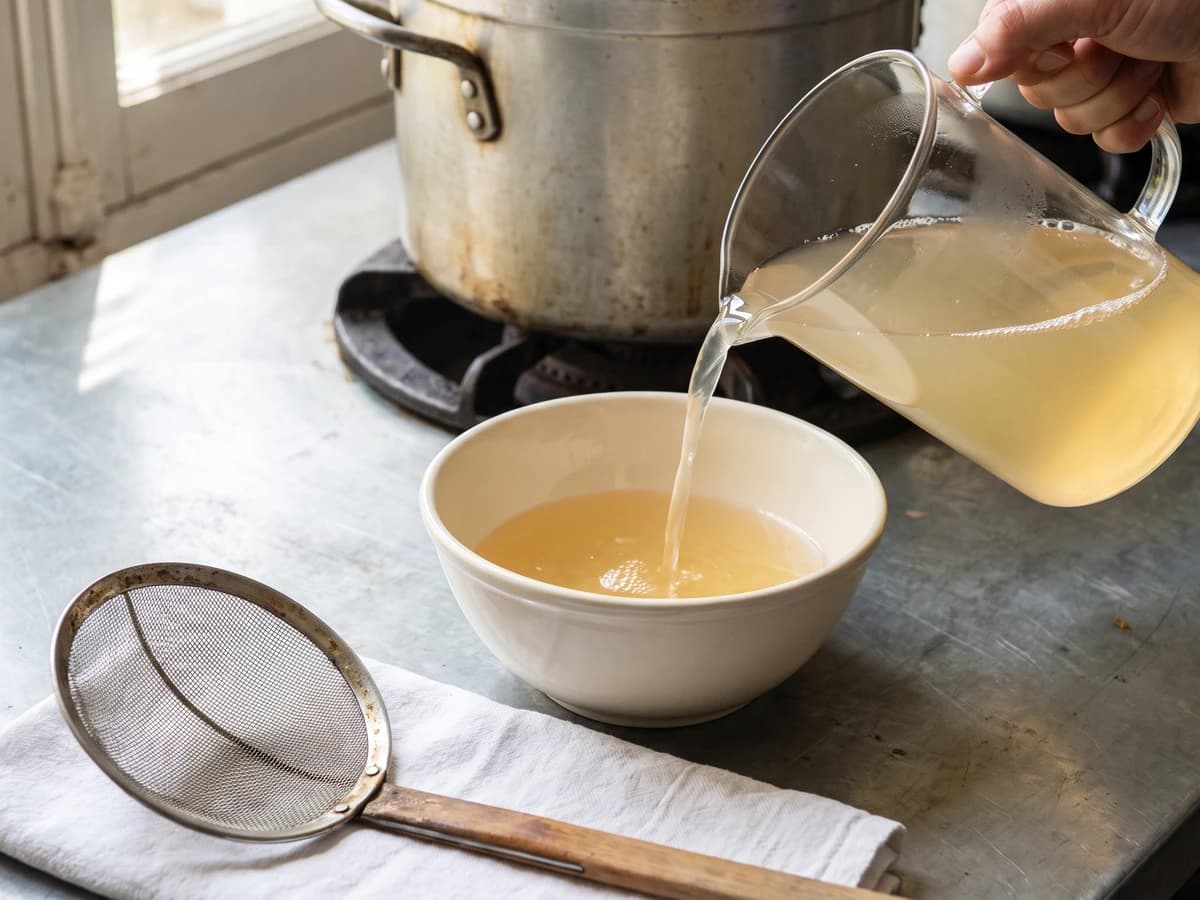
Chef Juliette
Beef shin, lean beef, and fowl begin in cold water and rise slowly toward a tremble. Skim before the boil, and you learn the quiet discipline that gives every clear French broth its backbone.
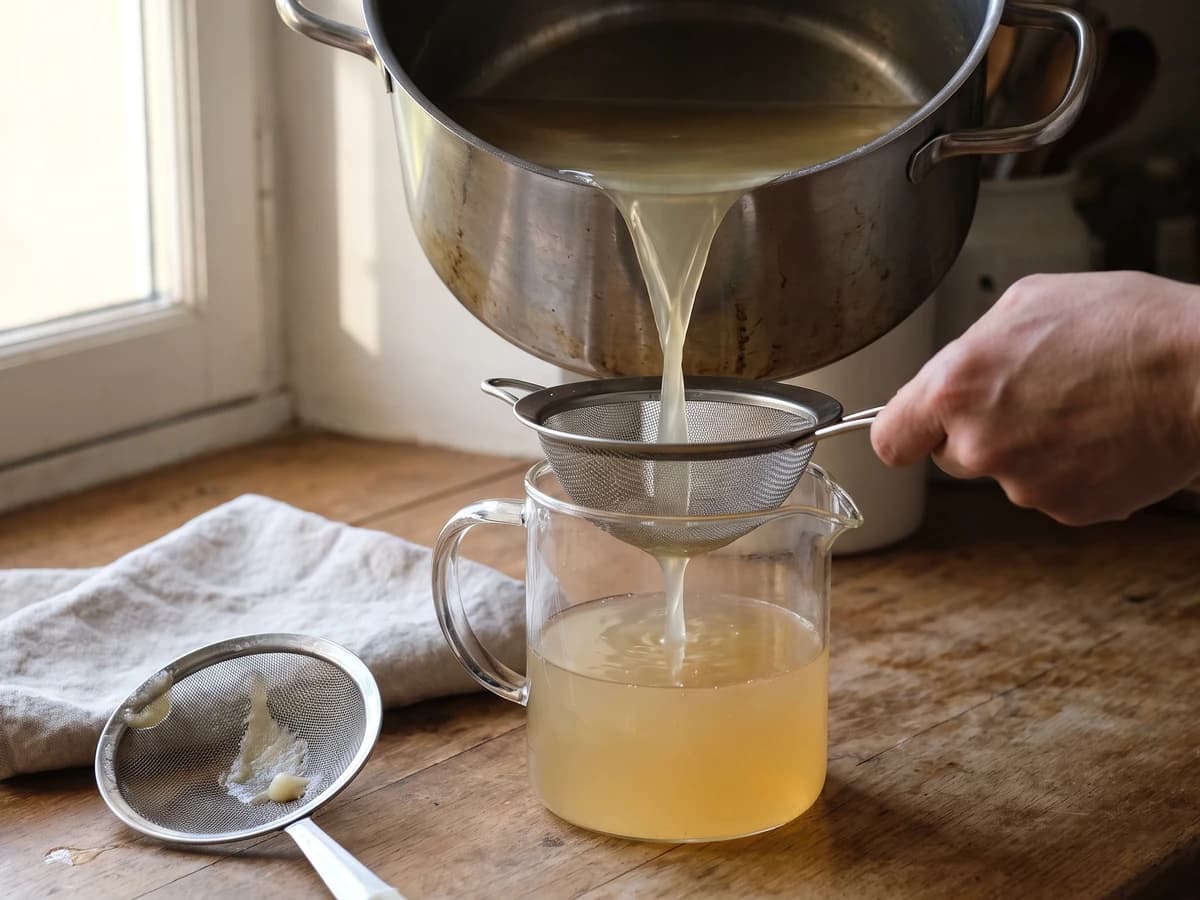
Chef Juliette
Break the veal bones small, then give them eight hours at a bare tremble. This pale, gelatinous fond becomes the quiet foundation beneath velouté, blanquette, and every sauce that must stay light.