Culinary Explorer

A cooking platform built around craft, culture, and the stories behind what we eat.
Discover Culinary Explorer
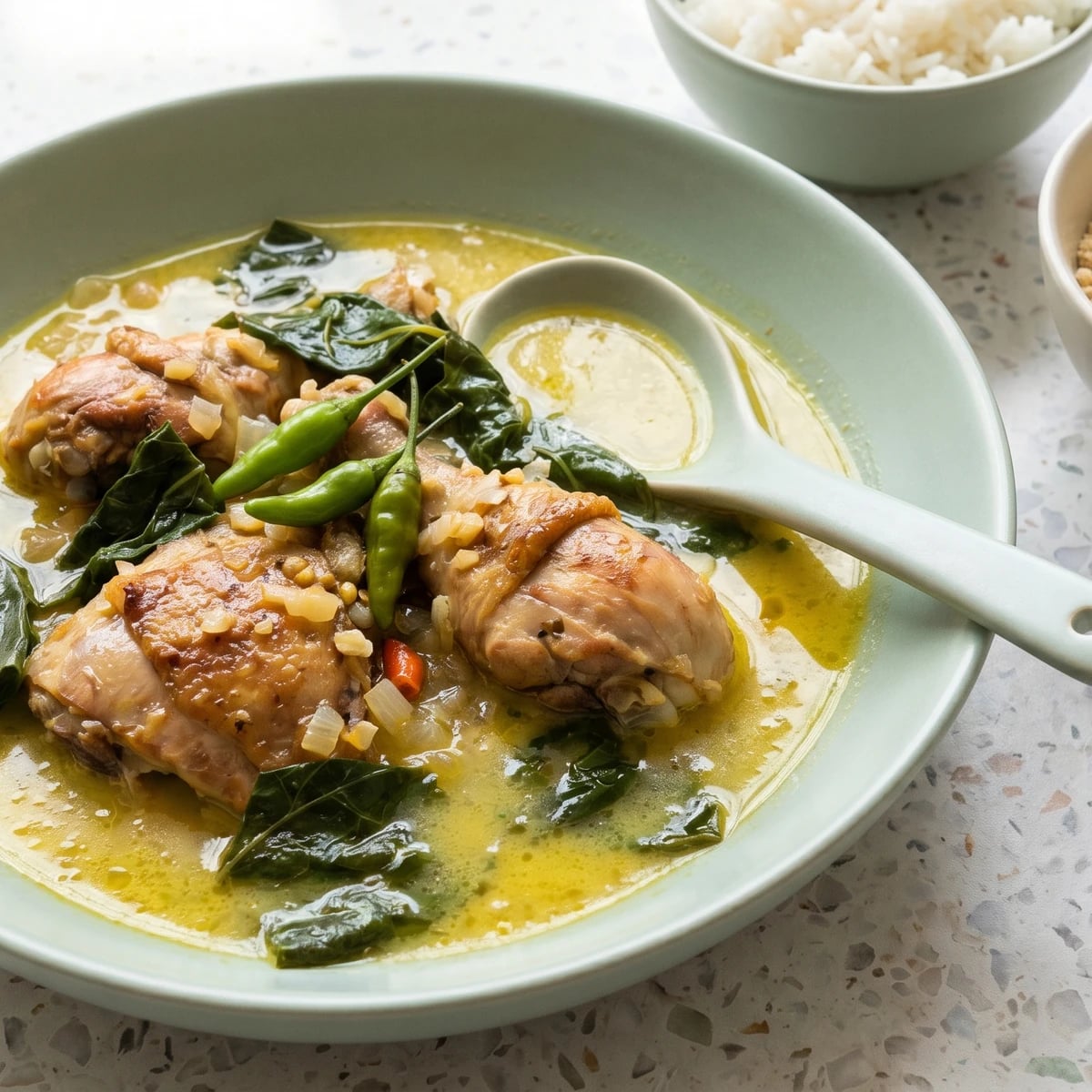
Galinha no Tucupi

Galinha no Tucupi

Created by

You don't need duck money to put tucupi on the table. Chicken, real tucupi, jambu, and a patient simmer give you the Círio feeling at home.

Main Dishes
Brazilian
Special Occasion
Holiday
Comfort Food
25 min
Active Time
1 hr 25 min cook1 hr 50 min total
Yield6 servings

You may look at tucupi and jambu and think, quietly, isso não é pra mim. I know that voice. It shows up whenever food has a place, a history, a name we didn't grow up cooking. But cooking isn't a gift, it's something you learn. Anota aí: this one is not hard. It asks for attention, not fear.

Pato no tucupi is the Círio bird, yes. But galinha is what a home cook actually buys most Sundays, and there's dignity in that. A chicken browned properly, simmered in real tucupi, finished with jambu that still tingles on the tongue, sits beautifully beside rice, beans if you want them, and something green. That's pê-efe thinking dressed for a feast.

The method is plain. Brown the chicken so the skin and meat bring flavor. Build the refogado with onion, garlic, and pimenta-de-cheiro until the kitchen smells awake. Add tucupi that is already boiled and safe, then let the chicken cook gently until it gives up its flavor to the broth and takes some back. Jambu goes in at the end because its little paralisia is alive and delicate, and boiling it to death is kitchen vandalism.

This is festive food, not a Tuesday rescue. The Almoço do Círio is the Pará Christmas, a long table, many pots, leftovers that taste better on day three. I teach the slow technique and the frame with respect, but Belém belongs to the cooks who carry it every year. A gente learns, cooks, and eats with humility.

The Círio de Nazaré, held in Belém since the late eighteenth century and centered on the October procession honoring Our Lady of Nazaré, made pato no tucupi one of Pará's great celebration dishes. Tucupi comes from the pressed juice of bitter manioc, and Indigenous knowledge made it edible through fermentation and boiling, because raw manioc juice can carry cyanogenic compounds. Maniçoba, another Círio table dish, uses maniva leaves boiled for about seven days for the same reason: the long simmer is chemistry that breaks down toxins, not decoration or ritual.

The technique, the tradition, and the story behind every dish.

Discover Culinary Explorer

Ingredients

whole chicken

Quantity

1, about 1.8 kg (4 lb)

cut into 8 pieces

salt

Quantity

1 1/2 teaspoons, plus more to taste

black pepper

Quantity

1/2 teaspoon

lime juice

Quantity

2 tablespoons

neutral oil or chicken fat

Quantity

3 tablespoons

onion

Quantity

1 large

finely chopped

garlic

Quantity

5 cloves

minced

pimenta-de-cheiro peppers

Quantity

3

pierced for gentle heat or finely chopped for stronger heat

ready-to-use boiled tucupi

Quantity

6 cups

bay leaves

Quantity

2

cilantro or chicory-of-Pará

Quantity

1 small bunch

tied or chopped

jambu

Quantity

2 bunches

thick stems removed, leaves and tender stems kept

cooked white rice

Quantity

2 cups

for serving

farinha d'água or plain farinha de mandioca (optional)

Quantity

to taste

for serving

Equipment Needed

  • Heavy 5-liter pot or Dutch oven
  • Tongs
  • Medium pot for blanching jambu
  • Fine colander

Instructions

  1. 1

    Season the chicken

    Pat the chicken dry, then season it with the salt, black pepper, and lime juice. Let it sit for 20 minutes while you chop the onion and garlic. Dry chicken browns; wet chicken steams in its own water and then everyone pretends pale meat is destiny. It isn't.

  2. 2

    Brown the pieces

    Warm the oil in a heavy pot over medium-high heat. Add the chicken in batches, skin side down first, and brown until the pieces are deeply golden in spots, about 4 to 5 minutes per side. Don't crowd the pot. Brown bits on the bottom are flavor waiting to be invited into the broth.

  3. 3

    Build the refogado

    Lower the heat to medium. Add the onion to the same pot and cook until it goes soft and see-through, scraping the bottom as it releases the brown bits, about 5 minutes. Add the garlic and pimenta-de-cheiro and cook for 1 minute, just until fragrant. Garlic burns fast, and bitter garlic will sit in your tucupi like an unpaid debt.

    Pierce the pimenta-de-cheiro if you want perfume more than heat. Chop it if you want it louder. Either way, it belongs in the refogado, not tossed in like an afterthought.
  4. 4

    Add the tucupi

    Pour in the ready-to-use boiled tucupi and scrape the pot again so nothing tasty stays stuck to the bottom. Add the bay leaves and cilantro or chicory-of-Pará. Bring it to a lively boil for 5 minutes, then lower to a steady simmer. Tucupi must be properly boiled before eating because it comes from bitter manioc juice; buy it from a trusted source already prepared, and never treat raw manioc juice as a shortcut.

  5. 5

    Simmer until tender

    Return the browned chicken and any juices to the pot. Simmer partly covered until the meat is tender and the broth tastes rounded, about 45 to 55 minutes. Turn the pieces once or twice, gently. You're not stirring a pot of cement. The chicken should stay in pieces, and the tucupi should taste sharp, savory, and chicken-rich.

  6. 6

    Prepare the jambu

    While the chicken simmers, rinse the jambu well and strip off any tough stems. Bring a separate pot of water to a boil, add the jambu, and cook just until it wilts and turns deep green, about 2 to 3 minutes. Drain it. This quick blanch cleans up the texture without killing the tingle, which is the whole joy of jambu.

  7. 7

    Finish the pot

    Add the drained jambu to the chicken and simmer for 5 minutes, no more. Taste the broth and adjust the salt. The jambu should look alive and green, the chicken should be tender, and the tucupi should coat a spoon lightly with a glossy yellow finish. If the broth tastes too sharp, simmer 5 minutes longer. If it tastes flat, it needs salt, not a powder packet pretending to help.

  8. 8

    Serve the plate

    Serve the galinha with white rice and farinha d'água or plain farinha de mandioca at the table. Spoon plenty of tucupi over the rice so every grain carries the broth. That's also why arroz de pato cooks rice in the bird's own tucupi-rich caldo: the rice isn't a side decoration, it's how the plate remembers everything in the pot.

Chef Tips

  • Buy real tucupi that is labeled boiled or ready to use, preferably refrigerated or from a trusted Brazilian or Amazonian market. Raw tucupi or raw manioc juice is not home-cook bravado; handled badly, it is dangerous.
  • Jambu is best when the leaves look bright and perky, with tender stems. If it has traveled tired and blackened, cook without it or wait until you can get better. I won't make you blame yourself for a sad vegetable.
  • The honest shortcut is chicken instead of duck. It costs less, cooks faster, and still teaches the tucupi lesson. The dishonest shortcut is powdered seasoning or fake tucupi flavor. No. That's not saving time, that's being sold a lie.
  • For maniçoba, half-cooked maniva is not a recipe, it is a hospital visit. The leaves are cyanogenic raw, and the long seven-day boil is what makes them safe. Leave that pot to people who know it, or buy from someone serious.
  • Paraense vatapá thickens with wheat flour and a broth made from dried shrimp, not the bread and peanut logic you may know from Bahia. Same word, different kitchen. Respect the place before you start correcting it.
  • A real caldeirada is built in layers and cooked gently, because fish and vegetables have structure. Stir it like you're angry and you'll get mush. The same rule lives here: move the chicken enough to cook evenly, not enough to destroy the pot.
  • Leftovers are excellent. The tucupi settles, the chicken absorbs more flavor, and day-three lunch may be better than day one. Some pots know how to keep talking.

Advance Preparation

  • You can season the chicken up to 12 hours ahead and keep it covered in the fridge. Pat it dry again before browning.
  • The tucupi broth with chicken can be cooked 1 day ahead. Reheat gently and add the blanched jambu in the last 5 minutes so the tingle stays alive.
  • Cooked galinha no tucupi keeps 3 days in the fridge. Reheat slowly, covered, and add a splash of water if the broth has reduced too much.

Frequently Asked Questions

Nutrition Information

1 serving (about 520g)

Calories
610 calories
Total Fat
30 g
Saturated Fat
8 g
Trans Fat
0 g
Unsaturated Fat
19 g
Cholesterol
150 mg
Sodium
920 mg
Total Carbohydrates
47 g
Dietary Fiber
5 g
Sugars
6 g
Protein
42 g

Note: Chef personas and recipes are created with AI assistance. Cook with care: follow safe food-handling practices, check doneness with a thermometer when needed, and adapt for allergies and your kitchen.

Where cooking meets culture.

Culinary guides, cultural storytelling, and the editorial depth that makes cooking meaningful.

Discover Culinary Explorer

More from Maniçoba, Vatapá Paraense & Amazonian Festive Stews

Browse the full collection