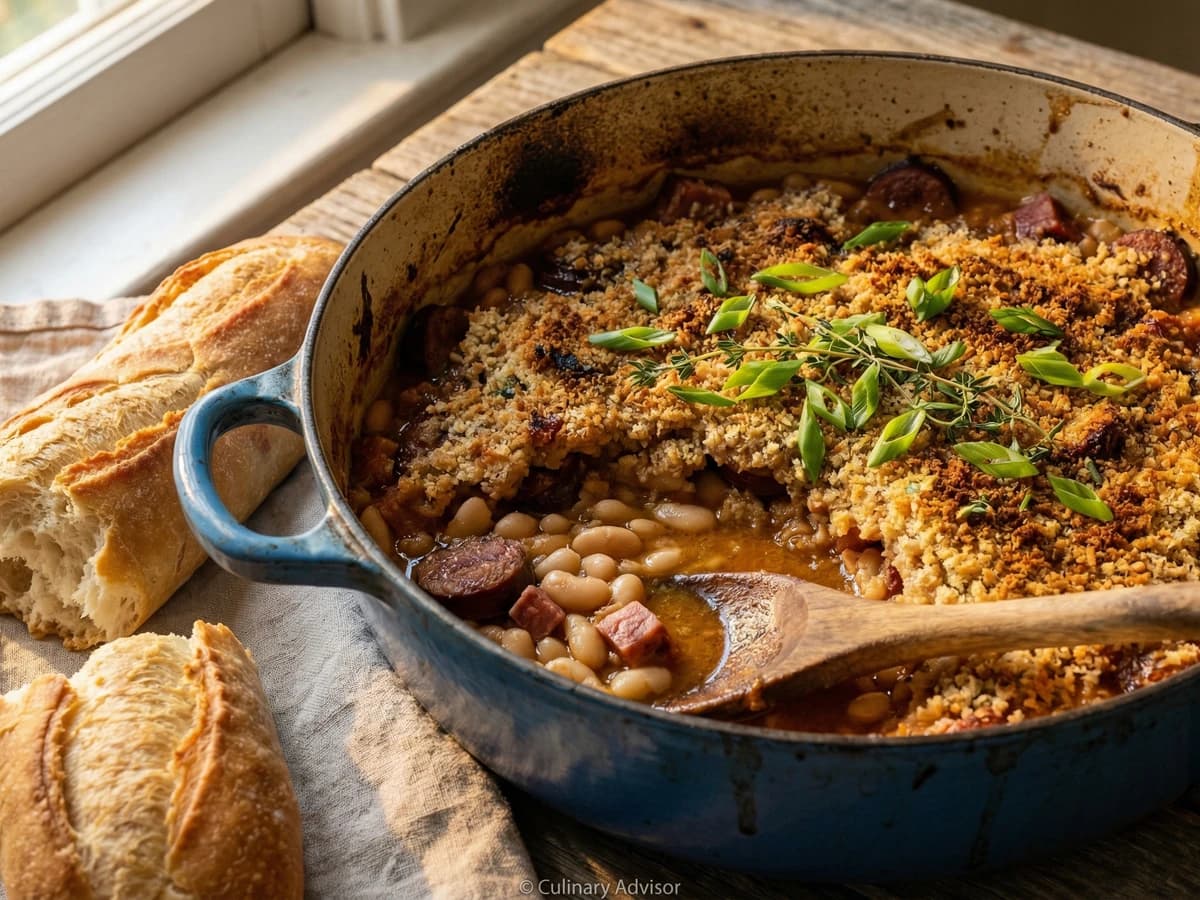
Crispy golden frog legs soaked tender in buttermilk, dredged in bold Cajun spices, and fried in cast iron until they shatter at the first bite, finished with a drizzle of garlic butter that pools on the plate and begs for crusty bread.
Main Dishes
Cajun
Dinner Party
Special Occasion
30 min
Active Time
20 min cook•50 min total
Yield4 servings
Frog legs are bayou food, plain and simple. My grandmother Evangeline used to send us kids out with flashlights and gig poles to catch bullfrogs in the swamp behind her house. We'd come back muddy and triumphant, and she'd have the cast iron heating before we reached the porch. That was supper.
The meat tastes like a cross between chicken and the sweetest, most delicate fish you've ever had. Folks who've never tried them always say it tastes like chicken, and they're not wrong, but they're missing the point. It's lighter, more tender, with a sweetness that chicken just doesn't have. The texture is what gets people: silky and succulent when cooked right, rubbery and sad when overcooked.
The technique here is pure Louisiana: buttermilk soak for tenderness, seasoned flour for flavor and crunch, hot oil for that golden crust. At Lagniappe, we serve these as an appetizer with garlic butter for dipping, and I've watched grown men fight over the last leg on the platter. Season in layers, fry in batches, and don't let them sit too long before serving. The crust is the whole point, and it doesn't stay crispy forever.
The technique, the tradition, and the story behind every dish.
Place the frog legs in a large bowl and pour the buttermilk over them. Add the hot sauce and stir to combine. The buttermilk does two things: it tenderizes the meat with its acidity, and it creates a sticky surface for the flour to grab onto. Cover and refrigerate for at least two hours, or overnight if you have the time. Longer is better here.
If you can't find fresh frog legs, frozen work just fine. Thaw them completely in the refrigerator before soaking. Never thaw at room temperature.
2
Build the seasoned flour
In a wide, shallow bowl, whisk together the flour, Cajun seasoning, garlic powder, onion powder, smoked paprika, cayenne, salt, and black pepper. Taste a tiny pinch of this flour. It should make your mouth wake up. If it tastes bland now, it'll taste bland on the frog legs. Adjust the seasoning until it sings. That's the bayou way.
I make my own Cajun seasoning at Lagniappe, but a good store-bought blend works fine for home cooking. Tony Chachere's or Slap Ya Mama are both honest choices.
3
Heat the oil
Pour the oil into a 12-inch cast iron skillet or Dutch oven to a depth of about one inch. Heat over medium-high until a deep-fry thermometer reads 350 to 360 degrees. If you don't have a thermometer, drop a pinch of flour into the oil. It should sizzle immediately and dance on the surface. Set a wire rack over a sheet pan nearby for draining.
4
Dredge the frog legs
Remove the frog legs from the buttermilk one at a time, letting the excess drip off for just a second. Don't shake them dry. You want that buttermilk clinging to create a thick, craggy crust. Drop each leg into the seasoned flour and turn to coat completely, pressing the flour into every crevice. The coating should look shaggy, not smooth. Set the dredged legs on a clean plate.
5
Fry until golden
Working in batches of four or five legs (never crowd the pan), carefully lower the dredged frog legs into the hot oil. They'll protest with a vigorous sizzle. That's good. Fry for three to four minutes per side, turning once with tongs, until the crust is deep golden brown and the meat is cooked through. The internal temperature should reach 145 degrees. Transfer to the wire rack and season with a light sprinkle of salt while still glistening.
Don't walk away from the fryer. Adjust your heat as needed to maintain that 350 to 360 degree range. Too hot and the outside burns before the inside cooks. Too cool and the legs absorb oil and turn greasy.
6
Make the garlic butter
While the last batch fries, melt the butter in a small saucepan over medium-low heat. Add the minced garlic and cook, stirring constantly, for one to two minutes until fragrant and just barely golden. You're not trying to brown it, just wake it up. Remove from heat immediately and stir in the parsley and lemon juice. The butter should smell like heaven.
7
Serve immediately
Pile the fried frog legs on a warm platter. Drizzle generously with the garlic butter or serve it alongside for dipping. Add lemon wedges and more fresh parsley if you like. These won't wait. The crust softens as they sit, so get everyone to the table and eat while they're still crackling.
Chef Tips
•Look for frog legs at Asian markets or specialty seafood shops. They should smell clean and fresh, like the water they came from. If they smell fishy, walk away.
•The buttermilk soak is not optional. It transforms the texture from chewy to tender. Two hours minimum, overnight is better.
•Peanut oil has the highest smoke point and adds a subtle sweetness that complements the delicate meat. Vegetable oil works, but peanut is better if you can use it.
•Frog legs are done when the meat pulls easily from the bone but isn't falling off. Overcooked frog legs turn rubbery, and there's no fixing that.
•Serve with cold beer and good company. This is the kind of food that demands conversation and second helpings.
Advance Preparation
•Frog legs can soak in buttermilk for up to 24 hours in the refrigerator. This actually improves the texture.
•The seasoned flour can be mixed up to a week ahead and stored in an airtight container.
•Do not fry ahead of time. The crust must be fresh and hot. There are no shortcuts here.
Frequently Asked Questions
Nutrition Information
1 serving (about 275g)
Calories
730 calories
Total Fat
49 g
Saturated Fat
15 g
Trans Fat
0 g
Unsaturated Fat
32 g
Cholesterol
160 mg
Sodium
875 mg
Total Carbohydrates
28 g
Dietary Fiber
1 g
Sugars
1 g
Protein
42 g
Where cooking meets culture.
Culinary guides, cultural storytelling, and the editorial depth that makes cooking meaningful.