
Chef Ally
Creamy Polenta
Stone-ground cornmeal cooked low and slow until it becomes silk, then finished with cold butter and aged Parmesan. The kind of simple dish that asks for your full attention and rewards every minute of stirring.
A cooking platform built around craft, culture, and the stories behind what we eat.
Created by
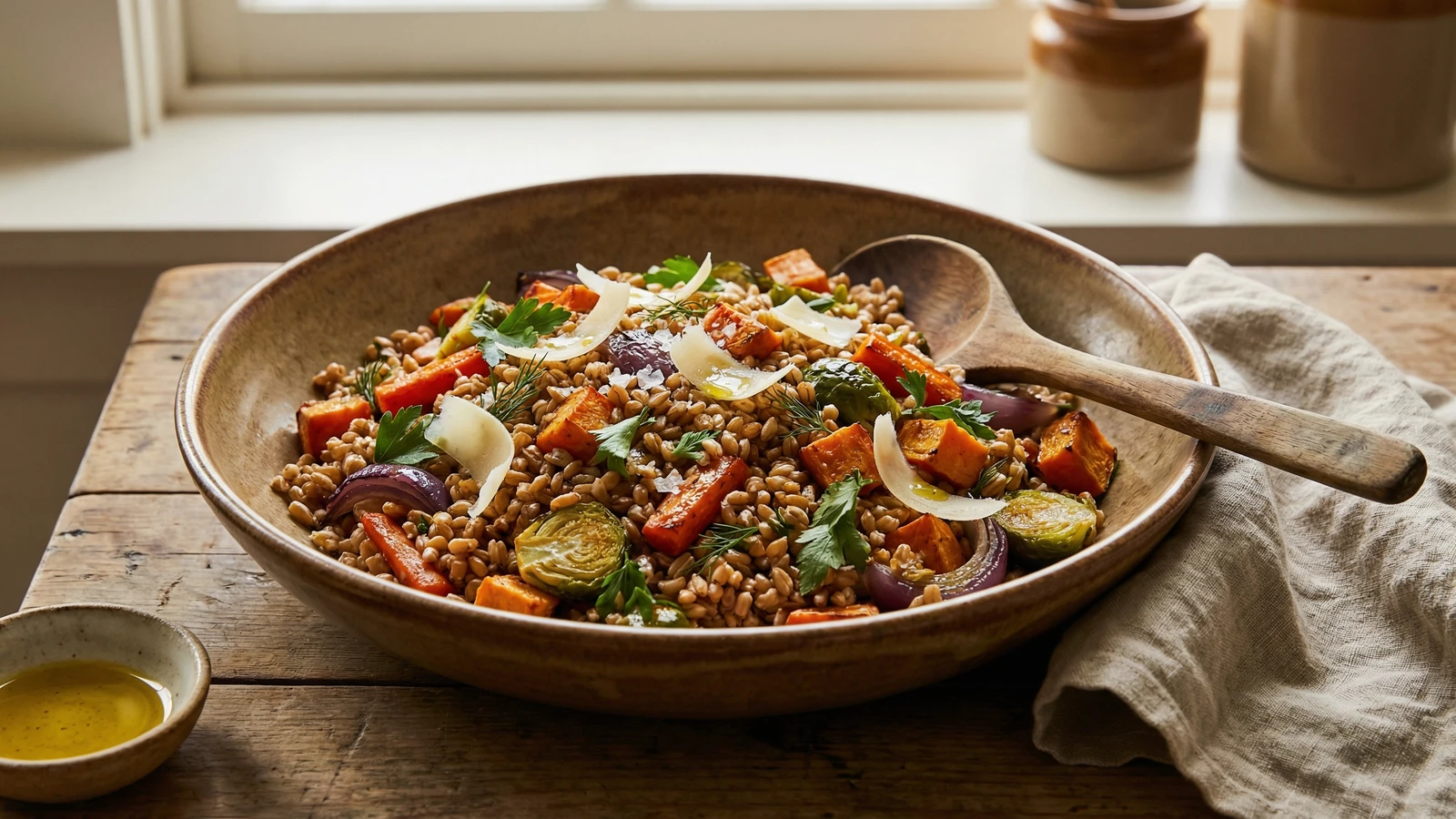
Chewy ancient grain tossed with whatever the market offers at its peak, dressed simply with good olive oil, bright acid, and herbs that still smell like the garden.
Start at the market. Walk past the first stall and find the farmer who grew the squash herself, the one who can tell you which field it came from and when it was harvested. That conversation matters. The squash you bring home will taste of that care.
Farro is one of the oldest cultivated grains in the world, grown in Italy for thousands of years before anyone thought to call it an ancient grain. It has a nutty depth and a chewy texture that rice cannot match. The grain holds its shape, absorbs dressing without turning to mush, and makes a sturdy foundation for whatever vegetables the season offers.
This is not a recipe so much as a framework. In autumn, roast butternut squash, delicata, or honeynut with red onion and sage. In spring, use asparagus and spring onions with mint. Summer calls for zucchini, peppers, and basil. Winter wants root vegetables and hardy rosemary. The technique stays the same. The market decides the rest.
Perfect ripeness is the whole point here. When your vegetables are right, roasting concentrates their sugars and deepens their flavors. You are not adding anything, just revealing what was already there.
Quantity
1 1/2 cups
whole or semi-pearled
Quantity
4 cups
Quantity
1 teaspoon, plus more to taste
Quantity
1
Quantity
2 pounds
cut into 1-inch pieces
Quantity
4 tablespoons
divided
Quantity
3
smashed
Quantity
1/2 teaspoon
Quantity
2 tablespoons
Quantity
1/4 cup
roughly chopped (parsley, basil, or mint)
Quantity
1/4 cup
shaved
Quantity
for finishing
| Ingredient | Quantity |
|---|---|
| farrowhole or semi-pearled | 1 1/2 cups |
| water or light vegetable stock | 4 cups |
| fine sea salt | 1 teaspoon, plus more to taste |
| bay leaf | 1 |
| seasonal vegetablescut into 1-inch pieces | 2 pounds |
| extra-virgin olive oildivided | 4 tablespoons |
| garlic clovessmashed | 3 |
| freshly cracked black pepper | 1/2 teaspoon |
| red wine vinegar or fresh lemon juice | 2 tablespoons |
| fresh herbsroughly chopped (parsley, basil, or mint) | 1/4 cup |
| Parmigiano-Reggiano (optional)shaved | 1/4 cup |
| flaky sea salt | for finishing |
Rinse the farro under cold water until the water runs clear. This washes away surface starch that can make the finished dish gummy. Toast the rinsed farro in a dry pot over medium heat for two to three minutes, stirring often, until you smell something like warm bread. This brings out the grain's nuttiness, the quality that makes farro worth seeking out.
Add the water or stock, one teaspoon of salt, and the bay leaf to the toasted farro. Bring to a boil, then reduce to a gentle simmer. Cook uncovered for 25 to 35 minutes, depending on whether your farro is whole or semi-pearled. The grains should be tender but still have pleasant resistance, not soft or blown out. Drain any excess liquid and discard the bay leaf. Spread the farro on a sheet pan to cool slightly while you roast the vegetables.
Heat your oven to 425 degrees. Toss the cut vegetables with two tablespoons of olive oil, the smashed garlic, and a generous pinch of salt and pepper. Spread them in a single layer on a large sheet pan, giving each piece room to breathe. Crowded vegetables steam instead of roasting. You want edges that caramelize, surfaces that concentrate flavor.
Roast for 25 to 35 minutes, turning once halfway through. The timing depends on what vegetables you have. Squash and root vegetables take the full time. Zucchini and peppers finish sooner. Look for golden edges and tender centers. The vegetables should smell sweet and concentrated, like themselves only more so.
While the vegetables roast, whisk together the remaining two tablespoons of olive oil with the red wine vinegar or lemon juice. Add a pinch of salt. Taste. The dressing should be bright enough to wake up the grain without overpowering the vegetables. Adjust as needed. This is where your palate matters more than any recipe.
Transfer the warm farro to a large serving bowl. Add the roasted vegetables and any oil and caramelized bits from the pan. Pour the dressing over everything and toss gently. Fold in the fresh herbs. Taste again and add more salt if the dish needs it. Most dishes need more salt than you think. Finish with shaved cheese if you like, and a pinch of flaky salt.
1 serving (about 240g)
Culinary guides, cultural storytelling, and the editorial depth that makes cooking meaningful.
Discover Culinary ExplorerChef Ally
Stone-ground cornmeal cooked low and slow until it becomes silk, then finished with cold butter and aged Parmesan. The kind of simple dish that asks for your full attention and rewards every minute of stirring.
Chef Ally
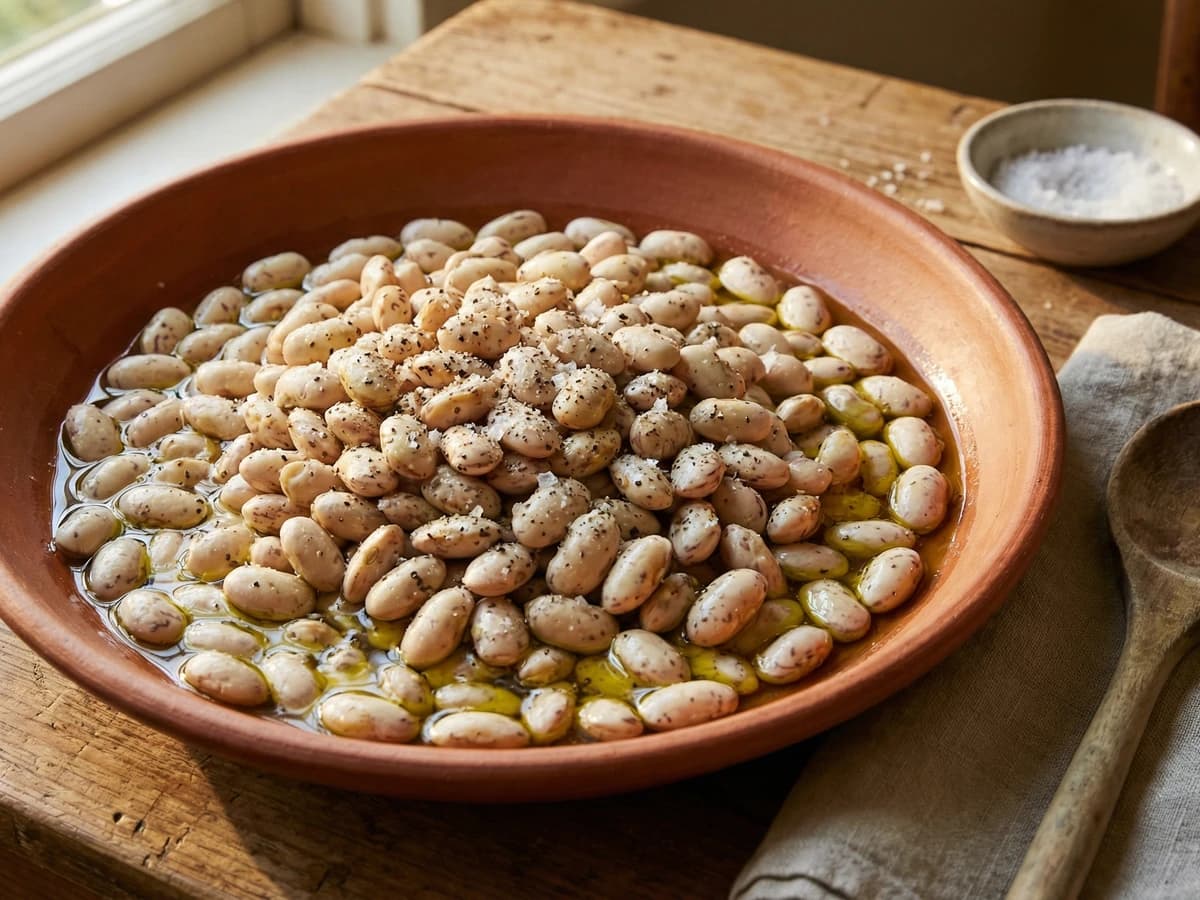
Late summer shell beans, shelled by hand and cooked gently until impossibly creamy, dressed with nothing but your finest olive oil and sea salt, a dish that proves the best cooking is often the least.

Chef Ally
A simple act of faith in whatever the market offers: sturdy greens wilted quickly in good olive oil with sliced garlic, finished with sea salt and a squeeze of lemon. Nothing more, nothing hidden.

Chef Ally
Stone-ground polenta, chilled and sliced, kissed by fire until the edges char and the center turns creamy. Fresh herbs from the garden pressed into the surface become fragrant and almost crisp.