
Chef Ally
Chickpeas with Lemon and Fresh Herbs
Tender chickpeas, still warm, tossed with bright lemon, your best olive oil, and handfuls of soft herbs picked that morning. The kind of simple dish that reminds you why cooking matters.
A cooking platform built around craft, culture, and the stories behind what we eat.
Created by
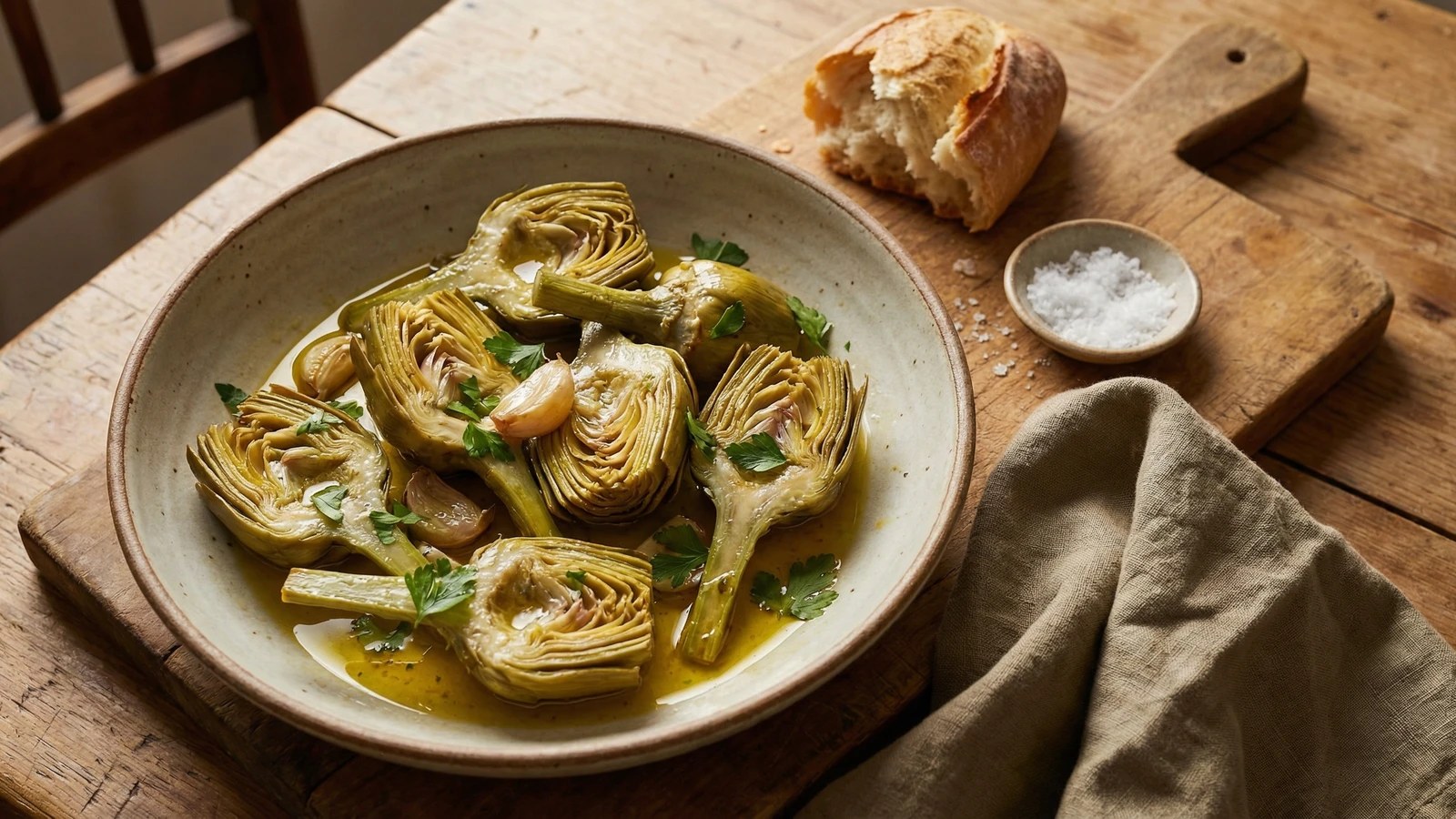
Tender baby artichokes surrendered to good olive oil, garlic, and lemon, cooked low and slow until the leaves soften and the hearts turn silky. A dish that asks you to slow down.
Start at the farmers' market, not the recipe. Look for baby artichokes that feel heavy for their size, with tight leaves and no browning at the tips. They should squeak when you rub them together. That sound means freshness. That sound means aliveness.
Baby artichokes have not yet developed the fuzzy choke that makes their larger siblings require so much work. Trim them properly and you can eat the whole thing, thorns softened to nothing by slow cooking in olive oil. This is not a dish about technique. It is about choosing the right moment in the season and then getting out of the way.
The braising happens in olive oil, not water. The oil becomes infused with garlic and lemon and artichoke essence. By the end, you have vegetables so tender they yield to a fork, and a fragrant oil you will want to soak up with bread. Every meal is a meaningful choice. This one chooses patience.
Quantity
2 pounds (about 16 small)
Quantity
2
divided
Quantity
1 cup, plus more for finishing
Quantity
6
smashed
Quantity
1/2 cup
Quantity
1 cup
Quantity
4 sprigs
Quantity
1
Quantity
1 teaspoon
Quantity
1/2 teaspoon
freshly cracked
Quantity
2 tablespoons
roughly chopped
| Ingredient | Quantity |
|---|---|
| baby artichokes | 2 pounds (about 16 small) |
| lemonsdivided | 2 |
| good olive oil | 1 cup, plus more for finishing |
| garlic clovessmashed | 6 |
| dry white wine | 1/2 cup |
| water | 1 cup |
| fresh thyme | 4 sprigs |
| bay leaf | 1 |
| fine sea salt | 1 teaspoon |
| black pepperfreshly cracked | 1/2 teaspoon |
| fresh flat-leaf parsleyroughly chopped | 2 tablespoons |
Fill a large bowl with cold water and squeeze in the juice of one lemon, dropping the spent halves into the bowl. This acidulated water prevents the artichokes from browning as you work. Artichokes oxidize the moment you cut them. Work quickly, but know the lemon water forgives you if you do not.
Working with one artichoke at a time, snap off the dark outer leaves until you reach the pale, tender yellow-green ones. Cut off the top third of each artichoke (the thorny tips will soften during cooking, but removing them now means less waste). Trim the stem, leaving about an inch attached, and use a vegetable peeler to remove the fibrous outer layer. Halve each artichoke lengthwise and drop immediately into the lemon water.
Pour the olive oil into a wide, heavy-bottomed pan or Dutch oven. The artichokes should fit in a single layer. Add the smashed garlic cloves and set over medium-low heat. Let the garlic warm gently in the oil for two to three minutes until fragrant but not colored. You are building flavor, not frying.
Drain the artichokes and shake off excess water. Arrange them cut-side down in the warm oil. They should sizzle gently. Add the wine, water, thyme sprigs, and bay leaf. Cut the remaining lemon in half, squeeze the juice over the artichokes, and tuck the squeezed halves into the pan. Season with salt and pepper.
Bring the liquid to a bare simmer. You want lazy bubbles, not a rolling boil. Cover the pan with a lid or a round of parchment paper pressed directly onto the artichokes. Cook for 35 to 45 minutes, turning the artichokes once halfway through. They are done when a knife slides through the thickest part of the heart with no resistance.
Remove the lid and let any remaining liquid reduce for a minute or two until the artichokes are glazed in the fragrant oil. Discard the bay leaf, thyme stems, and spent lemon halves. Transfer the artichokes to a warm serving dish, spooning the garlicky oil over them. Scatter with fresh parsley and finish with a drizzle of your best olive oil. Serve warm or at room temperature with crusty bread to soak up every drop.
1 serving (about 200g)
Culinary guides, cultural storytelling, and the editorial depth that makes cooking meaningful.
Discover Culinary ExplorerChef Ally
Tender chickpeas, still warm, tossed with bright lemon, your best olive oil, and handfuls of soft herbs picked that morning. The kind of simple dish that reminds you why cooking matters.

Chef Ally
Rough-cut potatoes roasted until golden and shattering, perfumed with woody rosemary and finished with flaky salt. The kind of honest side dish that disappears before the main course is served.

Chef Ally
Fennel bulbs transformed by patient heat into something silky and deeply caramelized, brightened with blood orange segments and a drizzle of fruity olive oil. A winter dish that proves vegetables need almost nothing when they are grown well and cooked simply.
Chef Juliette
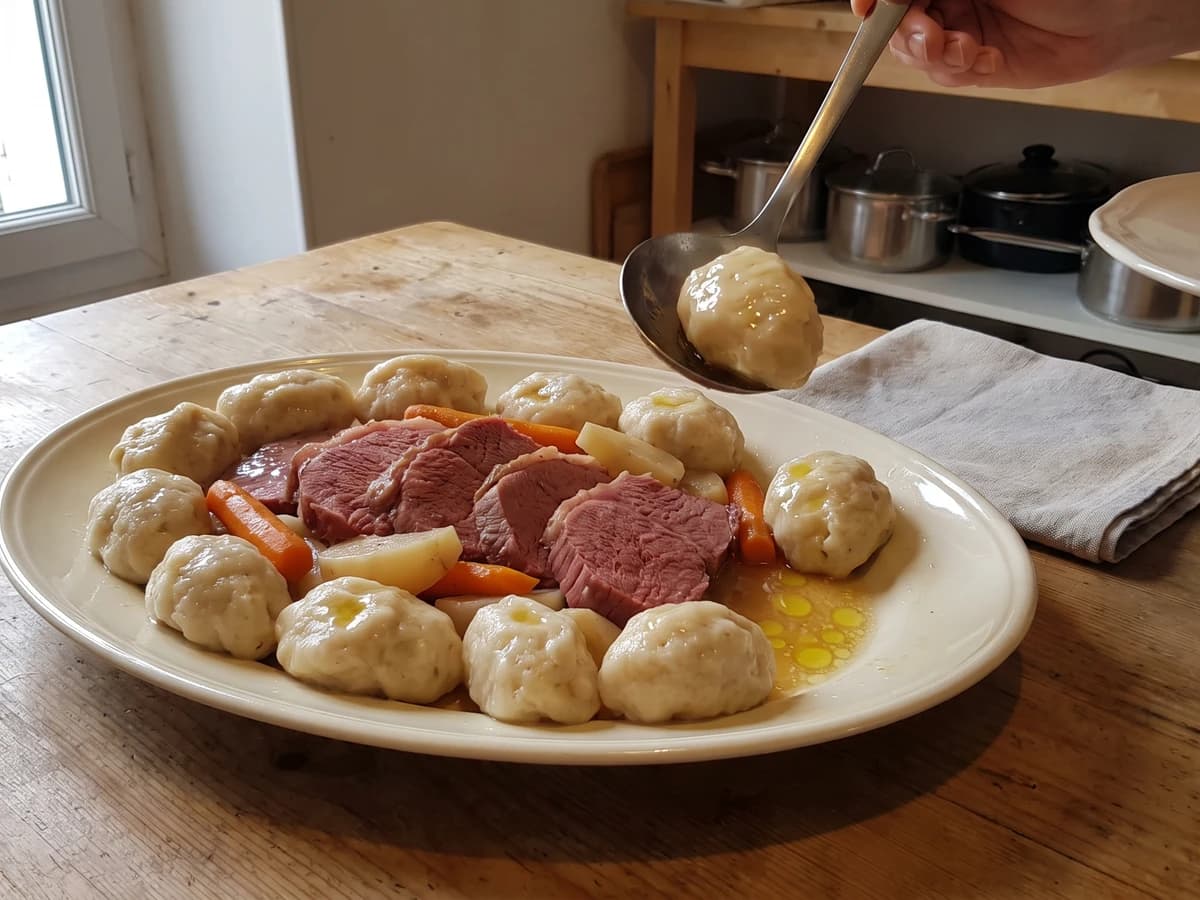
Boulettes au suif, poached beside salt beef, turn equal weights of flour and finely chopped suet into tender, rich dumplings. Keep the beef liquor at a bare tremble and the old garnish works beautifully at home.