Chef Thomas
All-Butter Shortbread Fingers
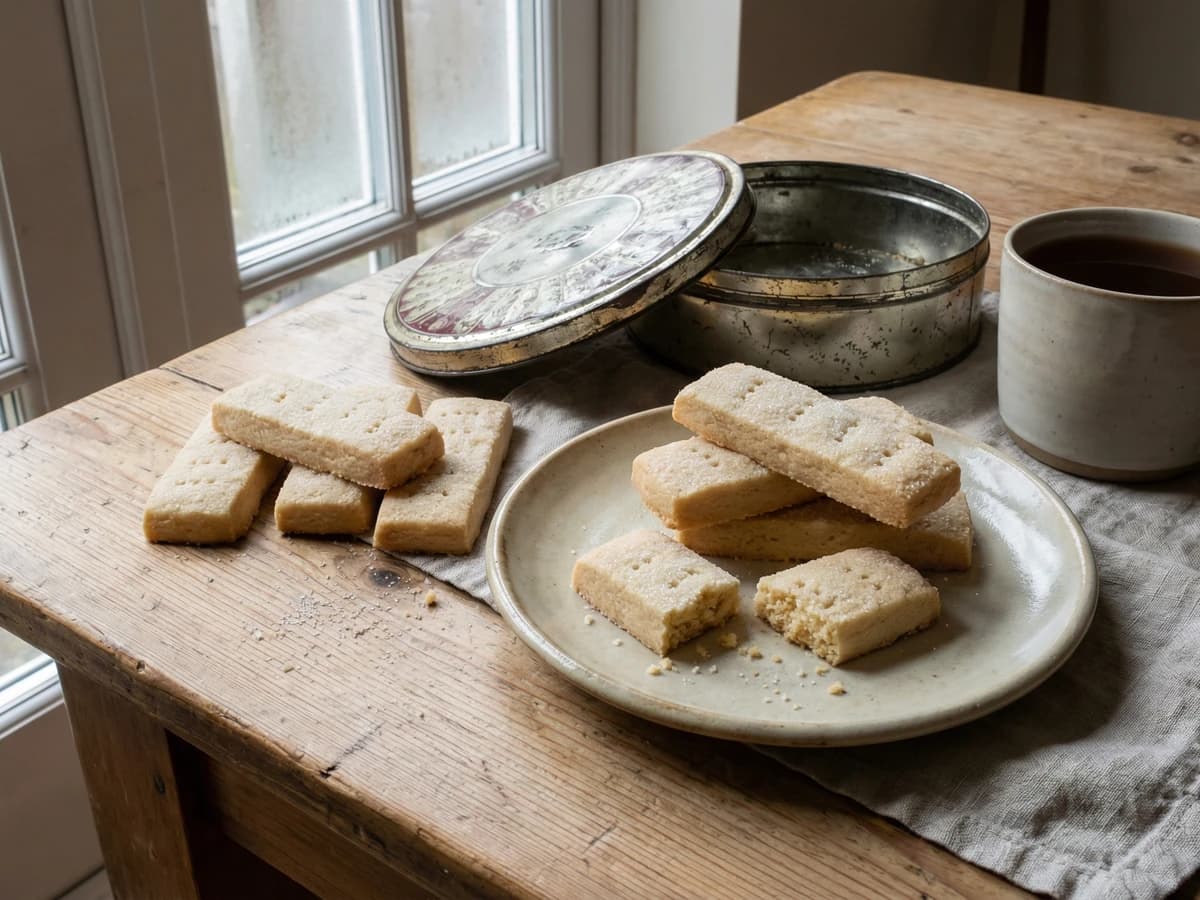
The plainest biscuit in the tin and the hardest one to stop eating, three ingredients and a slow oven turning good butter into something quietly perfect with a cup of tea.
A cooking platform built around craft, culture, and the stories behind what we eat.
Created by Chef Thomas
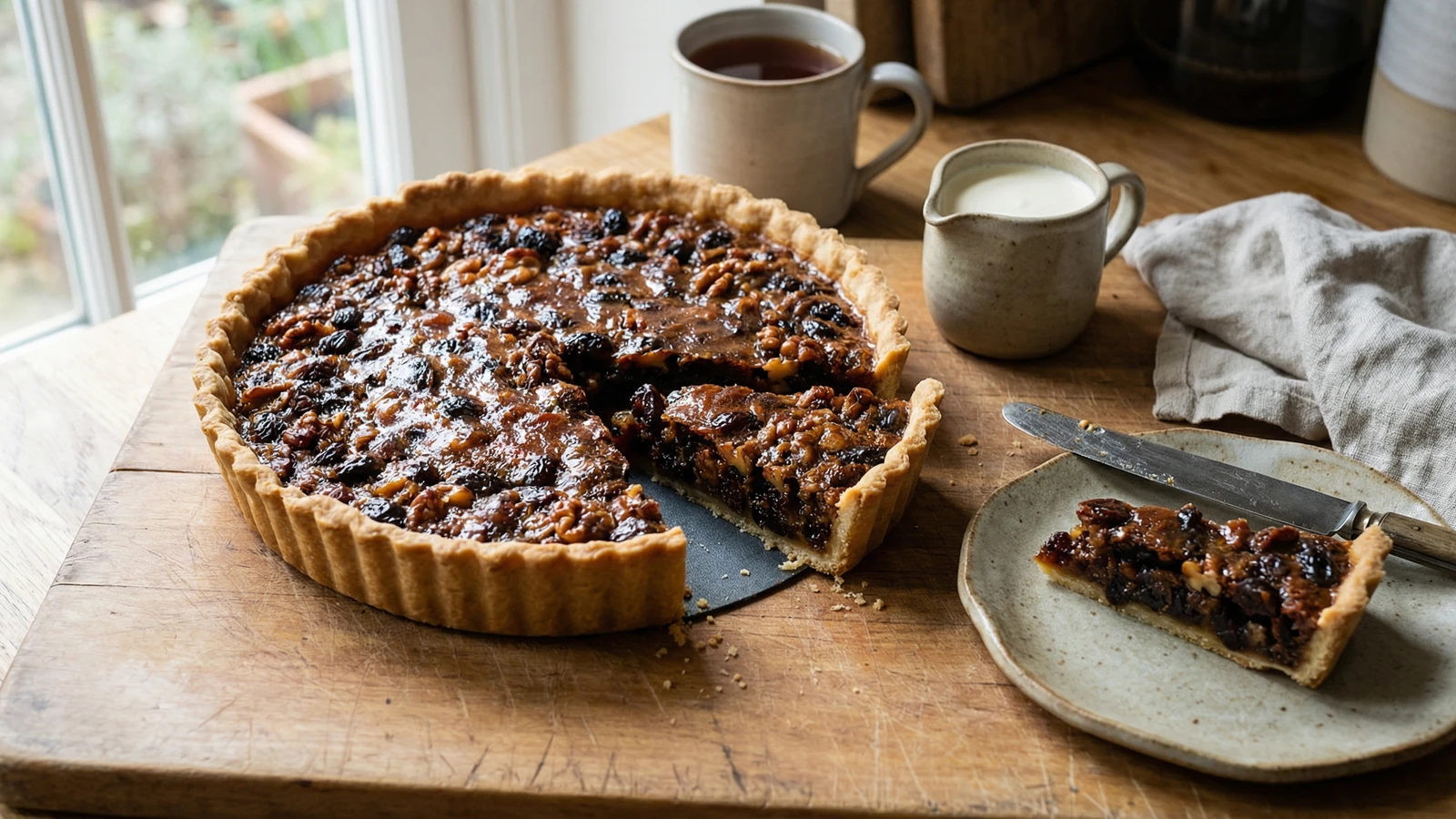
A dark, treacly Scottish tart of dried fruit and walnuts bound with brown sugar and butter, sharpened with a splash of vinegar that turns sweetness into something altogether more interesting.
This is a tart for the dark end of the year. November onwards, when the clocks have gone back and the kitchen window is black by five and you want something on the table that tastes of warmth and patience and other people's grandmothers.
Ecclefechan is a small town in the Scottish Borders, not far from Gretna Green, and the tart that bears its name is the kind of recipe you find written in the back of a parish cookbook in handwriting that has gone slightly brown at the edges. Dried fruit, walnuts, brown sugar, butter, eggs. So far, so familiar. The trick, the bit that makes it sit up and pay attention, is a tablespoon of vinegar stirred into the filling. It sounds wrong. It isn't. The vinegar cuts the sugar's sweetness and gives the whole thing a faint, savoury edge that stops it ever feeling cloying. You won't taste vinegar. You'll taste a tart that knows what it's doing.
I make this one in the run-up to Christmas, when there's already mincemeat on the go and the cupboard is full of dried fruit looking for a job. It keeps for days in a tin. It improves overnight. A small slice with a cup of strong tea on a wet afternoon is one of the more useful things I can think of doing with an hour. I wrote it down in the notebook the first time I made it: dark, sticky, vinegar, right.
Serve it with cold double cream. Nothing else. We're only making dinner.
Quantity
250g
Quantity
150g
cubed
Quantity
50g
Quantity
1
Quantity
2-3 tablespoons
Quantity
pinch
Quantity
100g
melted and cooled slightly
Quantity
200g
Quantity
2
lightly beaten
Quantity
1 tablespoon
Quantity
150g
currants, raisins, sultanas
Quantity
75g
roughly chopped
Quantity
1 lemon
Quantity
to serve
| Ingredient | Quantity |
|---|---|
| plain flour | 250g |
| cold unsalted buttercubed | 150g |
| icing sugar | 50g |
| large egg yolk | 1 |
| cold water | 2-3 tablespoons |
| fine sea salt | pinch |
| unsalted buttermelted and cooled slightly | 100g |
| soft dark brown sugar | 200g |
| large eggslightly beaten | 2 |
| malt vinegar | 1 tablespoon |
| mixed dried fruitcurrants, raisins, sultanas | 150g |
| walnut piecesroughly chopped | 75g |
| lemon zest | 1 lemon |
| double cream | to serve |
Tip the flour, icing sugar and salt into a bowl. Add the cold cubed butter and rub it in with your fingertips until the mixture looks like coarse sand with a few pea-sized lumps still in it. Don't fuss it into a fine powder. The lumps are what give you a tender crust. Add the yolk and a tablespoon of cold water, then bring it together with a knife, adding more water a teaspoon at a time only if it needs it. The dough should just hold when you press it. Flatten it into a disc, wrap it, and put it in the fridge for at least half an hour.
Roll the chilled pastry out on a lightly floured surface to about the thickness of a pound coin. Lift it into a 23cm fluted tart tin with a removable base, easing it into the corners without stretching. Trim the edges, leaving a small overhang to allow for shrinkage. Prick the base lightly with a fork and put the tin back in the fridge for fifteen minutes while the oven heats.
Heat the oven to 190C/170C fan. Line the chilled pastry with baking parchment and fill it with baking beans or dried pulses. Bake for fifteen minutes, then lift out the parchment and beans and give the base another five minutes until it looks dry and pale gold. This bit matters. A soggy base under a wet filling is one of life's small disappointments.
Turn the oven down to 170C/150C fan. In a roomy bowl, whisk the melted butter and brown sugar together until they look like wet sand. Add the beaten eggs and the vinegar and whisk again. The vinegar smells sharp and unlikely at this stage. Trust it. It cuts the sweetness of the sugar and brings the whole thing into balance. Stir in the dried fruit, the walnuts and the lemon zest until everything is coated in the dark, glossy mixture.
Pour the filling into the warm pastry case and spread it level. Slide the tin onto the middle shelf and bake for twenty-five to thirty minutes. You're looking for a top that has set and gone a deep, treacly brown, with the centre still holding a faint wobble when you nudge the tin. It firms as it cools. Take it out before the surface cracks.
Let the tart cool in the tin for at least half an hour. It needs this time to settle. Trim the pastry overhang with a small sharp knife while it's still warm, then ease the tart out of its tin. Serve in modest slices, warm or at room temperature, with a generous pour of cold double cream. A small slice goes a long way. This is a rich, dark, grown-up sort of pudding.
1 serving (about 140g)
Culinary guides, cultural storytelling, and the editorial depth that makes cooking meaningful.
Discover Culinary ExplorerChef Thomas
The plainest biscuit in the tin and the hardest one to stop eating, three ingredients and a slow oven turning good butter into something quietly perfect with a cup of tea.
Chef Thomas
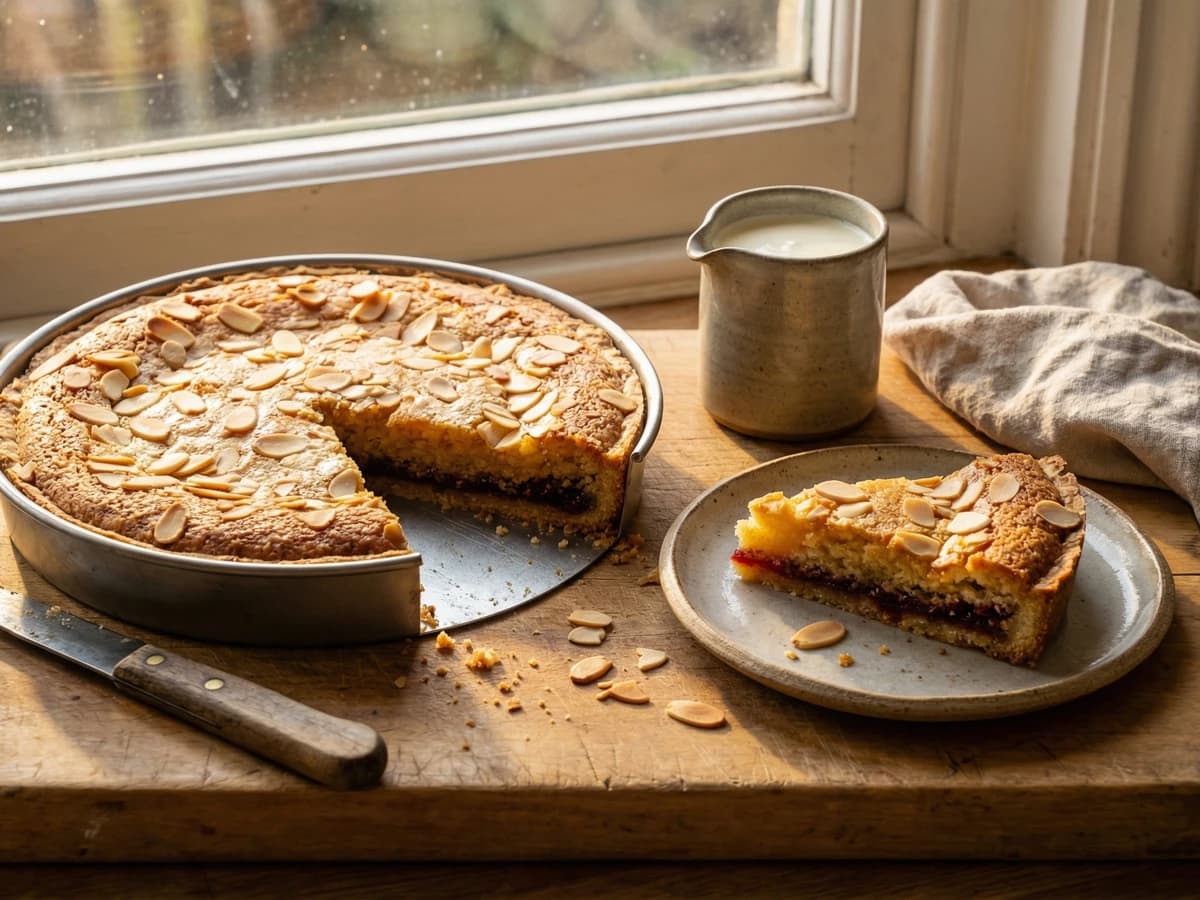
A proper Bakewell tart with buttery shortcrust, a thick layer of raspberry jam, and almond frangipane baked golden under a scattering of flaked almonds. No icing. No nonsense.
Chef Thomas
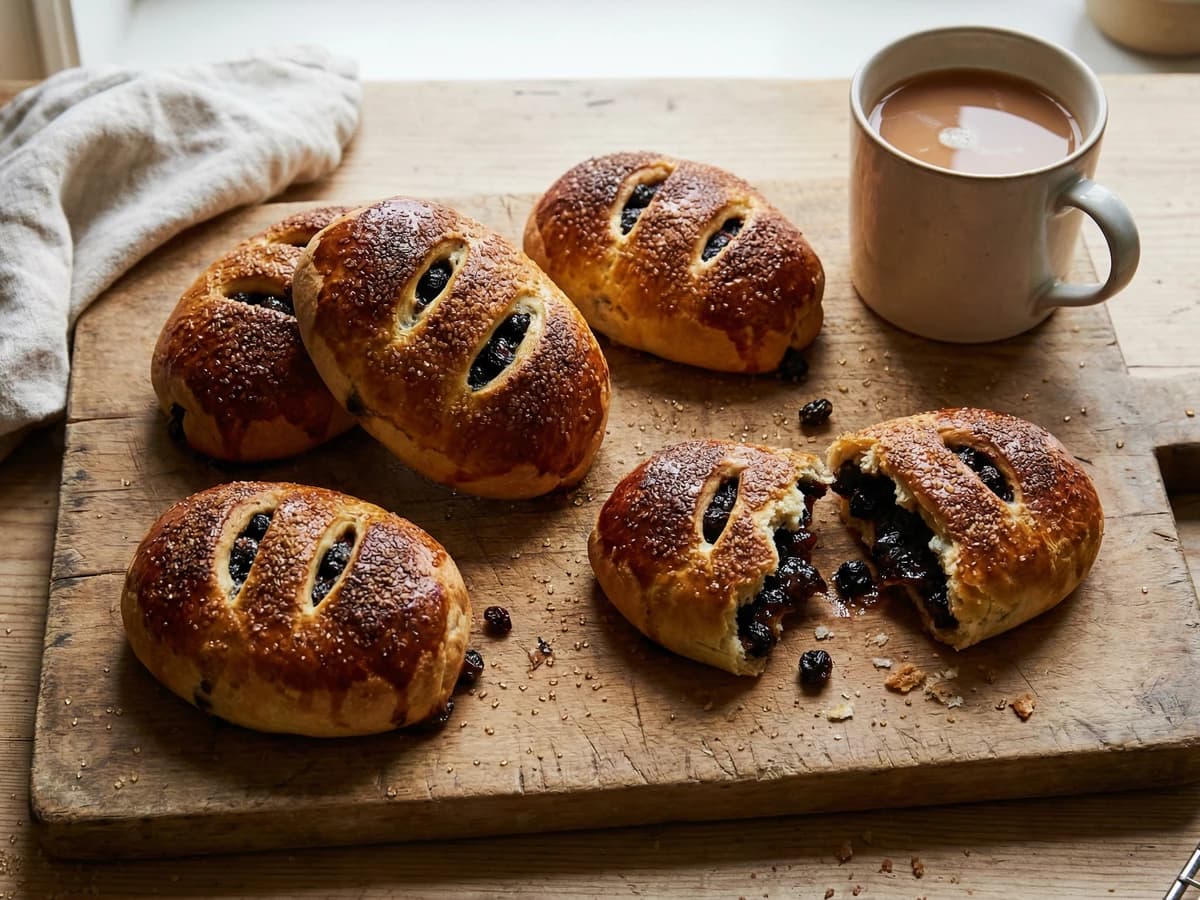
Oval pastries filled with rum-soaked currants and spice, baked until the tops crackle with sugar. The kind of thing to make on a wet Sunday afternoon when you want the kitchen to smell of something.
Chef Thomas
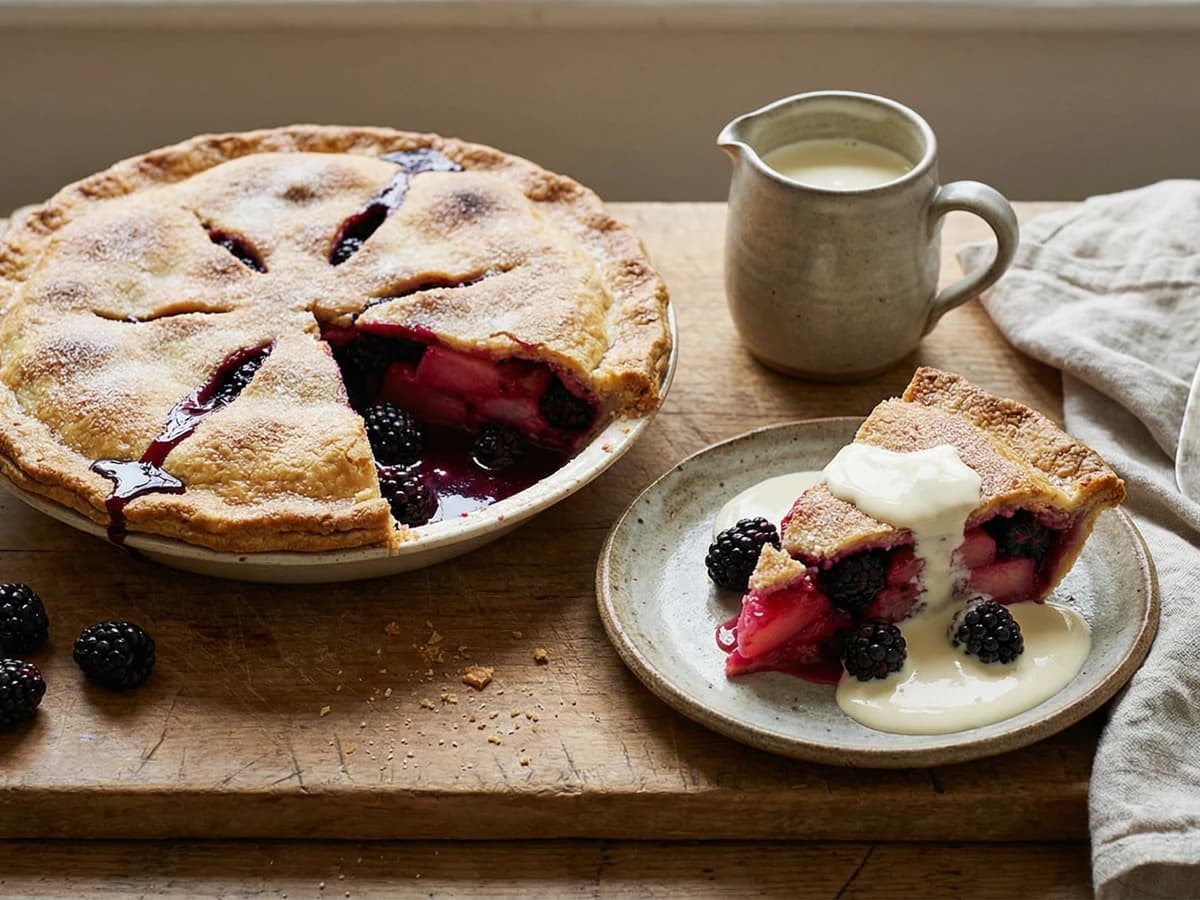
A proper hedgerow pie of Bramley apples and blackberries under a sugar-crusted pastry lid, the kind of pudding that turns a Sunday in September into something you'll remember.