
Chef Joost
Amsterdamse Koggetjes (Amsterdam Nougatine Cookies)
A thin Amsterdam cookie carrying a cog ship in its name: caramelized butter dough, almond nougatine, and a 1934 contest that turned municipal pride into something for coffee.
A cooking platform built around craft, culture, and the stories behind what we eat.
Created by
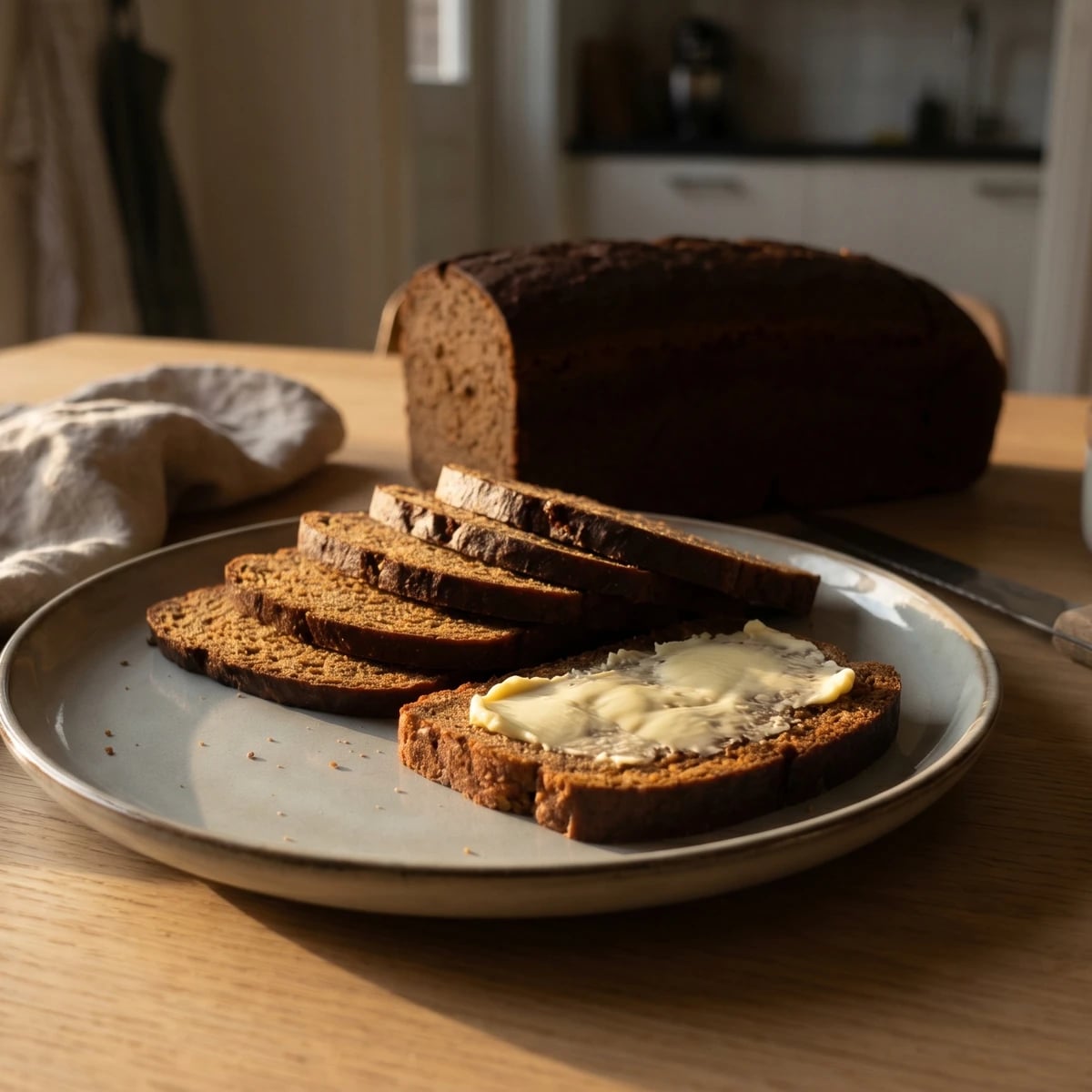
Deventer's honeyed rye koek carries the old IJssel trading city in every slice: spice cargo, thrifty flour, candied peel, and the patience to let tomorrow improve today's bake.
Some towns build their reputation in stone; Deventer baked hers in rye and honey. Walk through that old IJssel city and you learn the nickname before you learn the street map: Koekstad, cake town, not because the city lacked churches or scholars, but because a dark, stubbornly keeping koek traveled better than most citizens. For obvious reasons, I respect a food that can survive a journey and still improve overnight.
The name already tells you there is no Latin trap here. Deventer koek is simply koek from Deventer, and that simplicity is the trick. Behind it sits the whole Dutch habit of making stored food desirable: rye for frugality, honey and syrup for keeping, spice from the routes that made the Republic smell less Calvinist than it looked, and candied orange peel bright enough to wake the crumb. But let me tell you a secret. The famous bakery recipe is guarded, and any home cook claiming to copy it exactly is selling theater in a loaf tin.
So we cook honestly instead. This version gives you the public truth of the koek: rye, honey, warm spice, bitter-sweet peel, and patience. Don't eat it straight from the oven unless you enjoy disappointing yourself. Wrap it overnight, let the moisture settle through the rye, and slice it thin the next day with butter. Hou het altijd simpel, always keep it simple: good honey, enough spice, and the discipline to wait.
Deventer was one of the great IJssel Hanseatic trading towns, and by the sixteenth century its honey-spiced rye koek was known well enough to travel beyond the city at fairs and markets. The Bussink bakery, generally dated to 1593, turned Deventer koek into the city's edible calling card and helped fix the nickname Koekstad, cake town. Unlike soft cake, the koek was built to keep: rye flour, honey or syrup, and imported spices made a dense loaf that could be shipped, stored, and sliced thin long after baking.
Quantity
250g
Quantity
125g
Quantity
10g
Quantity
1/2 teaspoon
Quantity
1/2 teaspoon
Quantity
2 teaspoons
Quantity
1 teaspoon
Quantity
1/2 teaspoon
Quantity
1/4 teaspoon
Quantity
1/4 teaspoon
freshly grated
Quantity
pinch
Quantity
200g
Quantity
100g
Quantity
2 tablespoons
Quantity
250ml
Quantity
80g
finely chopped
Quantity
as needed
Quantity
as needed
| Ingredient | Quantity |
|---|---|
| fine rye flour (roggebloem) | 250g |
| all-purpose flour | 125g |
| baking powder | 10g |
| baking soda | 1/2 teaspoon |
| fine salt | 1/2 teaspoon |
| ground cinnamon | 2 teaspoons |
| ground ginger | 1 teaspoon |
| ground aniseed | 1/2 teaspoon |
| ground cloves | 1/4 teaspoon |
| nutmegfreshly grated | 1/4 teaspoon |
| white pepper | pinch |
| runny honey | 200g |
| dark brown basterdsuiker or dark brown sugar | 100g |
| keukenstroop or mild molasses | 2 tablespoons |
| buttermilk (karnemelk) | 250ml |
| candied orange peelfinely chopped | 80g |
| butter for greasing | as needed |
| salted butter for serving (optional) | as needed |
Heat the oven to 160C. Butter a 23 x 10 cm loaf tin and line it with parchment, leaving enough overhang to lift the koek out later. Honey darkens quickly, so this is a low, steady bake, not a race.
Put the honey, dark brown sugar, and keukenstroop into a small saucepan over low heat and stir just until loose and glossy. Take it off the heat, whisk in the buttermilk, and let it stand until warm rather than hot. If it feels hotter than bathwater, wait; hot syrup wakes the leavening too early and leaves you with a heavy loaf.
In a large bowl, whisk together the rye flour, all-purpose flour, baking powder, baking soda, salt, cinnamon, ginger, aniseed, cloves, nutmeg, and white pepper. Stir in the chopped candied orange peel so the pieces are coated with flour. The peel belongs throughout the koek, not sulking at the bottom in one sticky clump.
Pour the warm honey mixture into the dry ingredients and stir with a wooden spoon until no dry flour remains. The batter should be thick, dark, and slow to fall from the spoon. Let it sit for ten minutes before baking; rye drinks moisture slowly, and this small rest gives the crumb its proper close texture.
Scrape the batter into the lined tin and smooth the top with a damp spoon. Bake for 65 to 75 minutes, covering loosely with parchment for the last 15 minutes if the top is darkening too fast. It is done when a skewer comes out with damp crumbs but no wet paste, and the top is deep brown, slightly tacky, and fragrant with honey spice.
Let the koek cool in the tin for 20 minutes, then lift it out and cool completely on a rack. Wrap it tightly in parchment, then in foil or a covered box, and leave it at room temperature for at least 24 hours before slicing. This is not politeness. Fresh rye koek tastes flat; rested koek becomes sticky, dark, and properly itself.
1 serving (about 80g)
Culinary guides, cultural storytelling, and the editorial depth that makes cooking meaningful.
Discover Culinary Explorer
Chef Joost
A thin Amsterdam cookie carrying a cog ship in its name: caramelized butter dough, almond nougatine, and a 1934 contest that turned municipal pride into something for coffee.

Chef Joost
Arnhem's sugar-thin oval biscuits look modest in the tin, but one bite gives you Hagdorn's 1829 bakery, a Gelderland coffee table, and the Dutch talent for making frugality sparkle.

Chef Joost
The little Dutch almond cookie whose name tells the truth: bitter at the edge, sweet at the centre, and old enough to sit beside coffee without asking permission.

Chef Joost
Two almond meringue hooves, a seam of vanilla buttercream, dark chocolate at both ends: bokkenpoten are the Dutch bakery joke that became a birthday-table necessity.