
Chef Remy
Bourbon Chicken
Juicy chicken thighs lacquered in a sticky bourbon glaze with ginger, garlic, and just enough heat to keep things interesting. Mall food court nostalgia, elevated with real ingredients and proper technique.
A cooking platform built around craft, culture, and the stories behind what we eat.
Created by Chef Remy
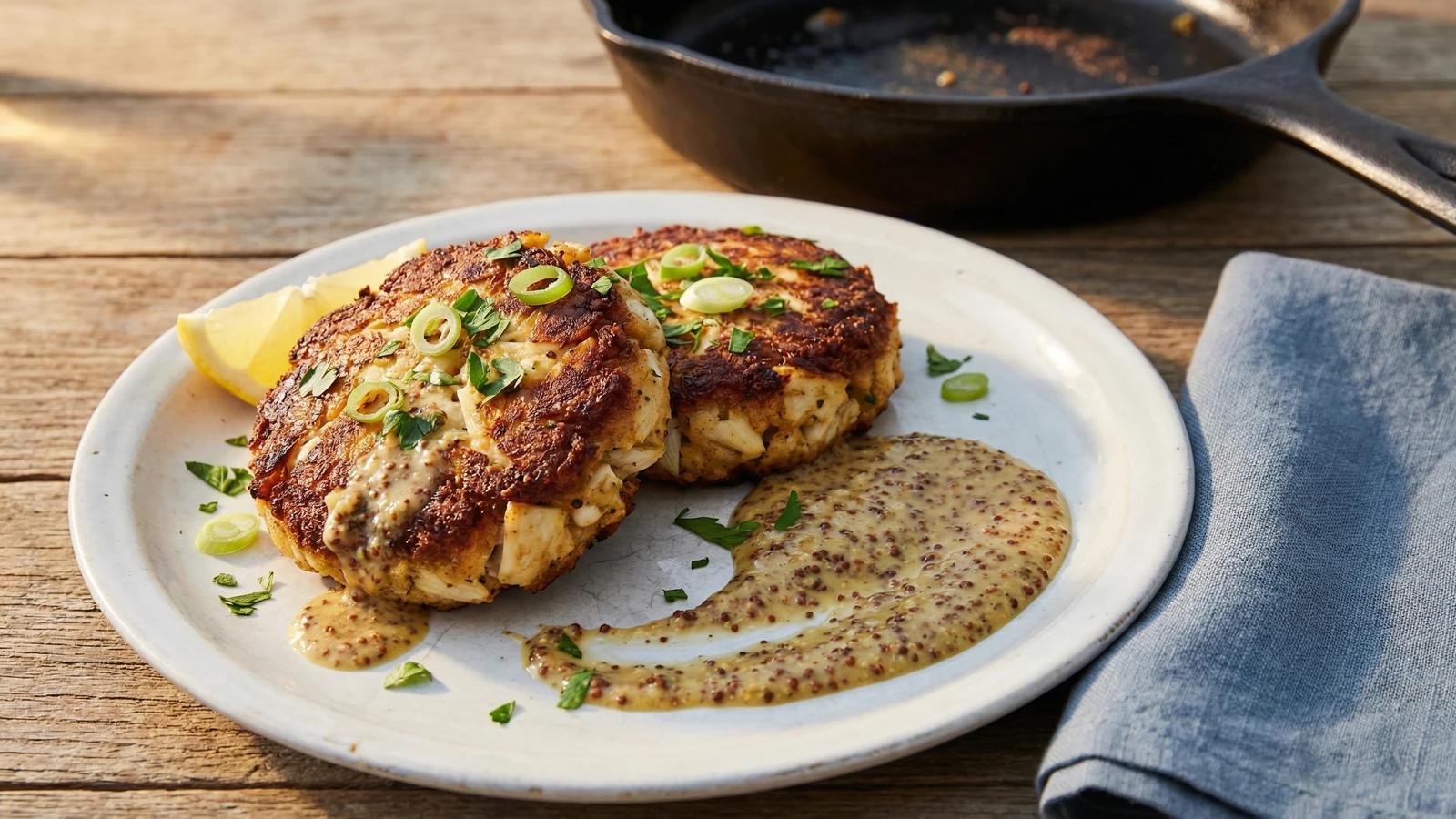
Sweet Gulf crabmeat, barely held together with just enough binding to keep its shape, pan-fried until golden and crisp, served with a punchy Creole mustard sauce that wakes up every bite without stealing the show.
The worst thing you can do to a crab cake is bury the crab. I've seen it a thousand times: restaurants stretching a few ounces of crabmeat with enough breadcrumbs and mayonnaise to fill a softball. That's not a crab cake. That's a bread cake with crab seasoning.
At Lagniappe, we do it different. The crab is the star, and everything else plays a supporting role. You want just enough binder to hold it together, just enough seasoning to make the sweetness of the crab sing. When you bite into a proper crab cake, you should taste the Gulf. You should taste that briny sweetness that makes Louisiana blue crab worth fighting over at the fish market.
My grandmother Evangeline used to make these on special occasions, back when you could pull crab traps from the bayou yourself. She taught me the two rules that matter: buy the best crab you can afford, and don't mess with it too much. Handle the meat gently. Season with a light hand. Let the ingredient speak for itself.
The Creole mustard sauce brings everything together. It's tangy, it's got a little heat, and it cuts through the richness of the fried cake. Make it ahead so the flavors marry while you're forming the cakes.
Quantity
1 pound
picked over for shells
Quantity
1/3 cup
Quantity
1
lightly beaten
Quantity
1 tablespoon
Quantity
1 tablespoon
Quantity
3
thinly sliced, white and green parts
Quantity
2 tablespoons
finely chopped
Quantity
1 teaspoon
Quantity
1/2 teaspoon
Quantity
1/4 teaspoon
Quantity
1/2 cup, plus more for coating
Quantity
3 tablespoons
Quantity
2 tablespoons
Quantity
1/2 cup
Quantity
1/4 cup
Quantity
1 tablespoon
Quantity
1 teaspoon
Quantity
1 small clove
minced
Quantity
for serving
| Ingredient | Quantity |
|---|---|
| jumbo lump crabmeatpicked over for shells | 1 pound |
| mayonnaise (for crab cakes) | 1/3 cup |
| large egglightly beaten | 1 |
| Dijon mustard | 1 tablespoon |
| Worcestershire sauce | 1 tablespoon |
| green onionsthinly sliced, white and green parts | 3 |
| fresh flat-leaf parsleyfinely chopped | 2 tablespoons |
| Cajun seasoning | 1 teaspoon |
| kosher salt | 1/2 teaspoon |
| cayenne pepper | 1/4 teaspoon |
| panko breadcrumbs | 1/2 cup, plus more for coating |
| unsalted butter | 3 tablespoons |
| vegetable oil | 2 tablespoons |
| Creole mustard | 1/2 cup |
| mayonnaise (for sauce) | 1/4 cup |
| fresh lemon juice | 1 tablespoon |
| hot sauce | 1 teaspoon |
| garlicminced | 1 small clove |
| lemon wedges (optional) | for serving |
Whisk together the Creole mustard, mayonnaise, lemon juice, hot sauce, and minced garlic in a small bowl. Taste it. The mustard should lead, with a tangy brightness from the lemon and just enough heat to make your lips tingle. Cover and refrigerate while you prepare the crab cakes. This gives the flavors time to get acquainted.
Spread the crabmeat on a rimmed baking sheet and go through it gently with your fingertips, feeling for any shell fragments. Be thorough but don't crush the lumps. Those beautiful chunks of crab are what you're paying for, and you want them intact in the finished cake. Remove any cartilage you find.
In a large bowl, whisk together the mayonnaise, beaten egg, Dijon mustard, Worcestershire, Cajun seasoning, salt, and cayenne. Add the green onions and parsley, stirring to combine. This is your binder. It should be loose enough to coat but thick enough to hold.
Add the crabmeat to the bowl and sprinkle the panko over the top. Now here's where discipline matters: fold gently with a rubber spatula, lifting from the bottom and turning. You want to coat the crab with the binder, not mash it into paste. Stop the moment everything looks combined. Five or six folds should do it.
Spread about a cup of panko on a plate for coating. Divide the crab mixture into eight equal portions. Using your hands, gently form each portion into a cake about three inches across and one inch thick. Don't pack them tight. You're shaping, not compressing. Press each cake lightly into the panko on both sides, just enough to give the exterior something to crisp.
Place the formed cakes on a parchment-lined baking sheet and refrigerate for at least twenty minutes. This firms them up and helps them hold together when they hit the hot pan. You can make them up to six hours ahead and keep them refrigerated until you're ready to cook.
Heat a large cast iron skillet or heavy-bottomed pan over medium heat. Add the butter and oil together. When the butter foams and the foam starts to subside, you're ready. The temperature should be hot enough to sizzle when the cake hits the pan, but not so hot that the butter browns immediately.
Carefully place the crab cakes in the pan, leaving space between them. Don't crowd the pan; work in batches if needed. Cook undisturbed for three to four minutes until the bottom is deeply golden and crisp. You'll see the edges turn golden before you flip. Using a thin spatula, turn each cake gently. Cook another three to four minutes until the second side matches the first.
Transfer the cakes to a wire rack or paper towel-lined plate to drain briefly. Serve two cakes per person with a generous spoonful of Creole mustard sauce alongside and a wedge of fresh lemon. At Lagniappe, we serve these on a bed of dressed greens, but they're just as good on their own with the sauce and a cold beer.
1 serving (about 185g)
Culinary guides, cultural storytelling, and the editorial depth that makes cooking meaningful.
Discover Culinary ExplorerChef Remy
Juicy chicken thighs lacquered in a sticky bourbon glaze with ginger, garlic, and just enough heat to keep things interesting. Mall food court nostalgia, elevated with real ingredients and proper technique.

Chef Remy
A shimmering Creole treasure of fork-tender spiced beef suspended in amber aspic, sliced thin and served cold, the kind of elegant make-ahead dish that graces the finest holiday tables in New Orleans.

Chef Remy
Briny Gulf oysters cloaked in seasoned cornmeal, fried until golden and impossibly crisp at the edges, served with a fiery Crystal hot sauce aioli that cuts through the richness and makes you reach for another
Chef Remy
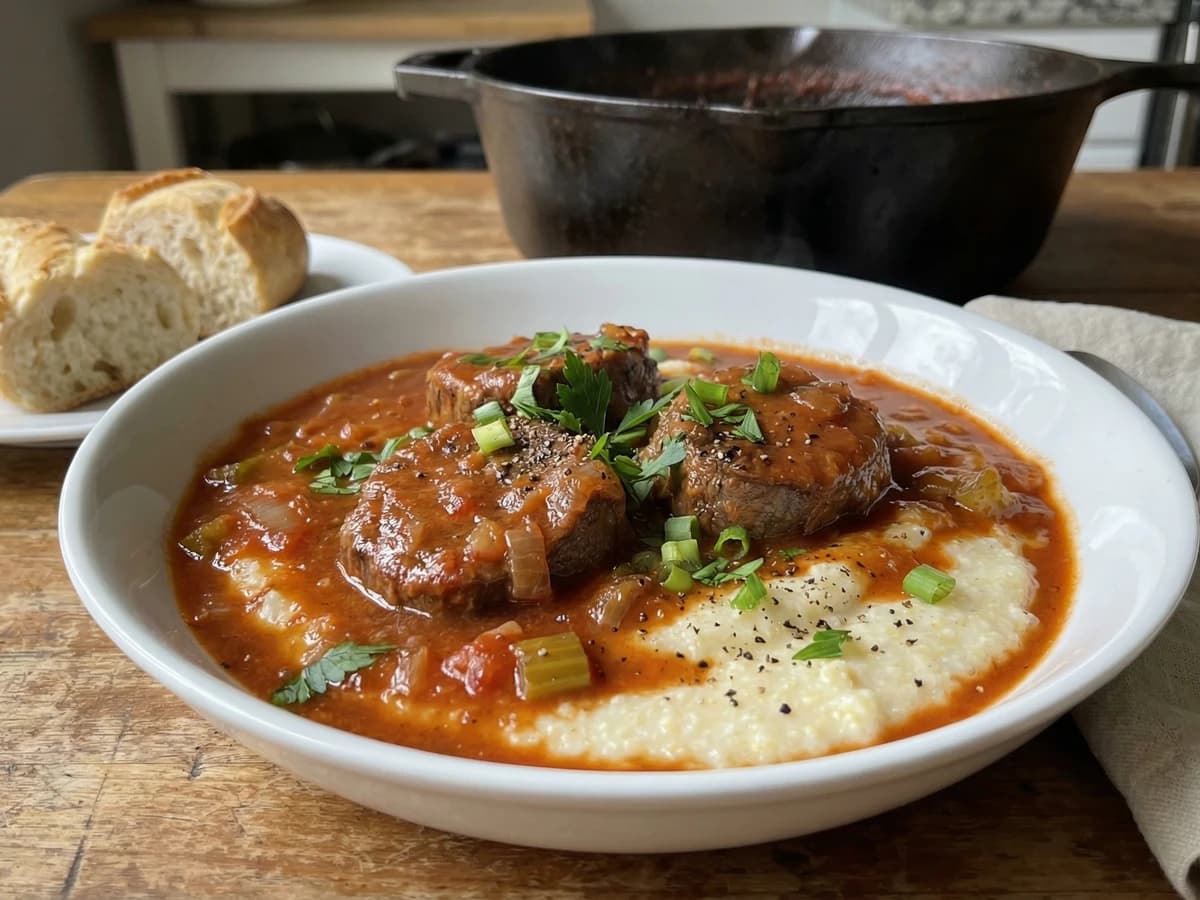
Fork-tender beef medallions swimming in a brick-red tomato gravy rich with the holy trinity, ladled over pillowy stone-ground grits, the kind of dish that made New Orleans Sunday brunch famous.