Chef Thomas
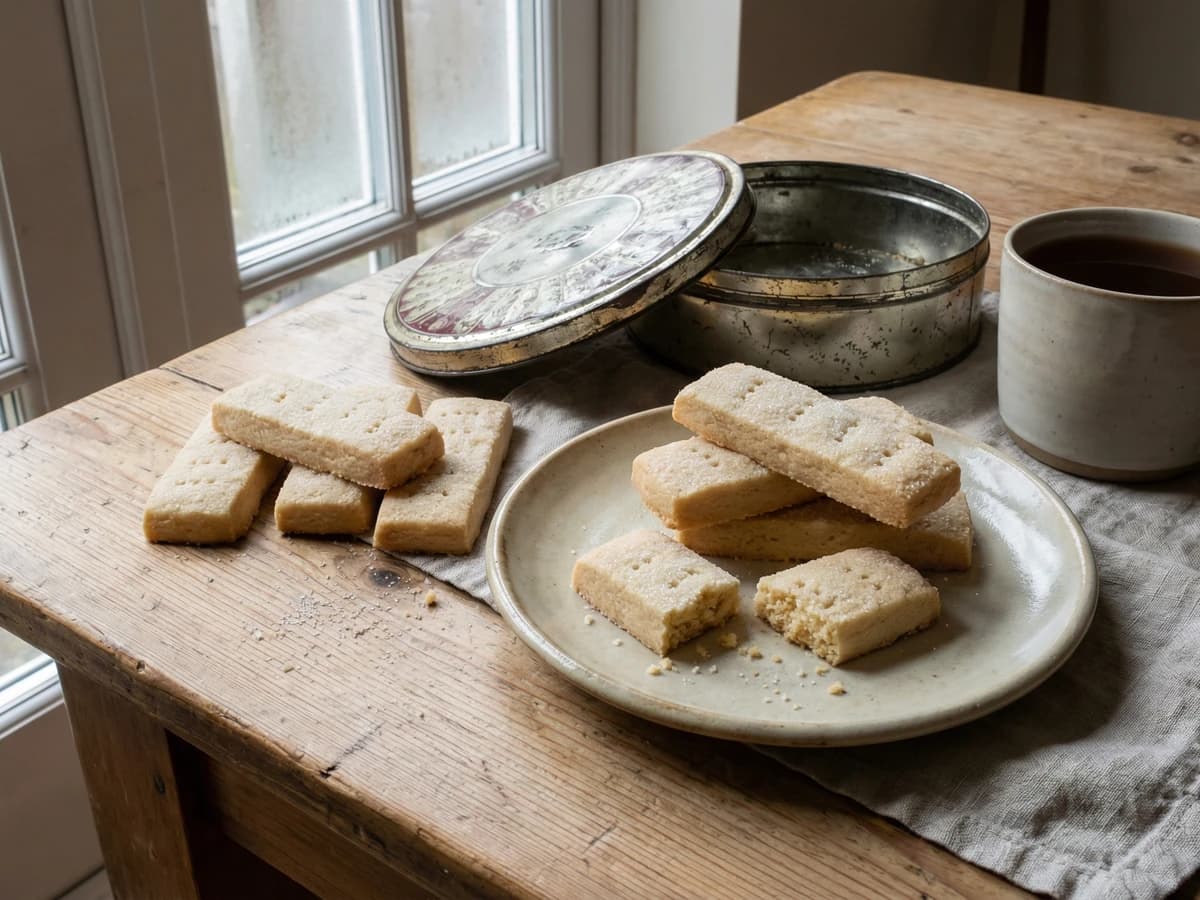
All-Butter Shortbread Fingers
The plainest biscuit in the tin and the hardest one to stop eating, three ingredients and a slow oven turning good butter into something quietly perfect with a cup of tea.
A cooking platform built around craft, culture, and the stories behind what we eat.

Created by Chef Thomas
Triangular puff pastry parcels filled with spiced mincemeat and slashed three times on top, the kind of small forgotten thing the Midlands used to give at New Year with a blessing tucked inside.
It's the first week of January. The tree is still up but starting to look guilty about it, the kitchen smells faintly of clementines, and there's half a jar of mincemeat in the cupboard that needs using before it becomes a problem. This is what godcakes are for.
They come from Coventry, or somewhere thereabouts in the Midlands, and they used to be given by godparents to godchildren at New Year. A small triangular pastry, a flick of sugar, three slashes on the top for the Trinity, and a blessing passed along with it. Almost nobody makes them anymore. I find that quietly sad, the way I find a lot of small lost traditions sad, and so I make a batch most years on the second or third of January when the house has gone quiet again and the day stretches out without much demand on it.
They're not difficult. Bought puff pastry is fine. Better than fine, actually, if it's the all-butter sort. The mincemeat does most of the work, and the rest is just folding and cutting and letting the oven do what it does. We're only making dinner, except this isn't dinner. It's something to put on a plate with a cup of tea in the late afternoon, when the light has gone and someone you care about has come round, and you want to give them something warm without making a fuss about it.
I wrote it down in the notebook the first year I made them: "Godcakes. January 3rd. Cold. Three cuts. Pass it on." That seemed to be most of what mattered.
Quantity
500g
chilled
Quantity
250g
Quantity
1 small
peeled and finely diced
Quantity
1 tablespoon
Quantity
for dusting
Quantity
1
beaten with a splash of milk
Quantity
2 tablespoons
for dusting
| Ingredient | Quantity |
|---|---|
| all-butter puff pastrychilled | 500g |
| good mincemeat | 250g |
| eating apple (optional)peeled and finely diced | 1 small |
| brandy or dark rum (optional) | 1 tablespoon |
| plain flour | for dusting |
| large eggbeaten with a splash of milk | 1 |
| caster sugarfor dusting | 2 tablespoons |
Tip the mincemeat into a bowl. If you've stillgot a jar from Christmas, all the better. It's had a fortnight to deepen and settle. Stir in the diced apple and the brandy if you're using them. The apple brings a bit of fresh bite against the dried fruit; the brandy brings warmth. Taste it. It should be sweet, boozy, slightly sharp. Set it aside while you deal with the pastry.
Heat the oven to 200C/180C fan and line a baking sheet with parchment. Dust the worktop with a little flour and roll the puff pastry into a rectangle roughly 40cm by 30cm, about the thickness of a pound coin. Don't overwork it. Puff pastry punishes a heavy hand. If the kitchen is warm and the pastry starts to feel soft, slide it onto a tray and back into the fridge for ten minutes. Cold pastry rises. Warm pastry sulks.
Cut the pastry into sixteen squares, each around 10cm. Spoon a generous teaspoon of mincemeat into the centre of eight of them, leaving a clear border around the edge. Don't be greedy. Overfilled godcakes burst in the oven and you'll spend the rest of the evening scraping caramelised mincemeat off your tray.
Brush the borders of the filled squares with the beaten egg. Lay a second square on top of each and press the edges down with your fingertips, then seal again with the tines of a fork. Now the bit that makes them godcakes: take a sharp knife and trim each parcel into a triangle. Don't measure. Cut by eye. They should look handmade, because they are.
Lift the triangles onto the lined baking sheet. With the tip of a sharp knife, make three small slashes across the top of each one. Three. No more, no less. The three slashes are the whole point: they're said to represent the Trinity, the blessing the godparent passed along with the cake. You can think of it however you like, but make the cuts. Brush the tops generously with the rest of the egg wash and scatter the caster sugar over the lot.
Bake for eighteen to twenty-two minutes, until the godcakes are deeply golden and properly puffed, with the sugar on top crisped into a fine glassy crust. Trust your nose. When the kitchen smells of caramelised sugar and warm spice and the pastry edges have gone the colour of strong tea, they're ready. Let them rest on the tray for five minutes before lifting them onto a rack. The mincemeat inside will be molten and unfriendly straight from the oven.
1 serving (about 110g)
Culinary guides, cultural storytelling, and the editorial depth that makes cooking meaningful.
Discover Culinary ExplorerChef Thomas
The plainest biscuit in the tin and the hardest one to stop eating, three ingredients and a slow oven turning good butter into something quietly perfect with a cup of tea.
Chef Thomas
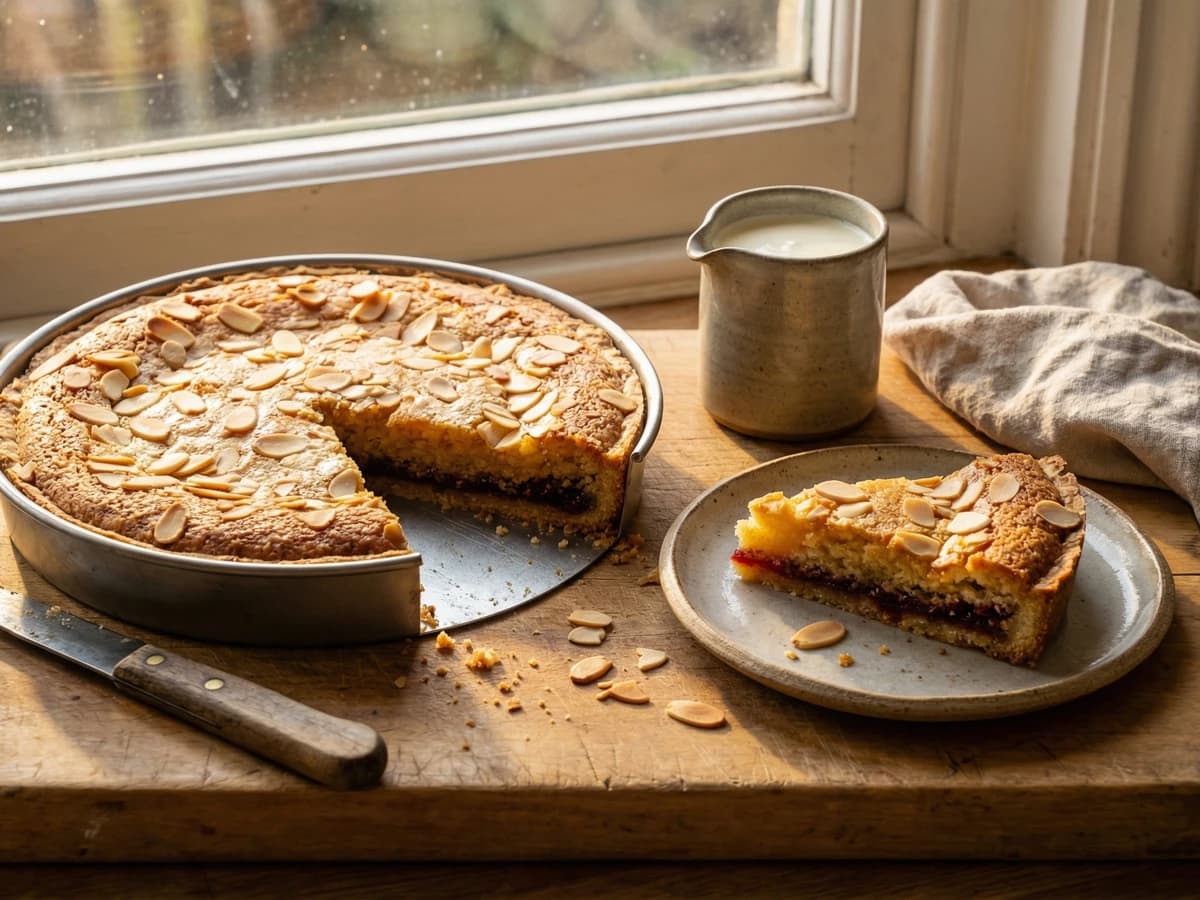
A proper Bakewell tart with buttery shortcrust, a thick layer of raspberry jam, and almond frangipane baked golden under a scattering of flaked almonds. No icing. No nonsense.
Chef Thomas
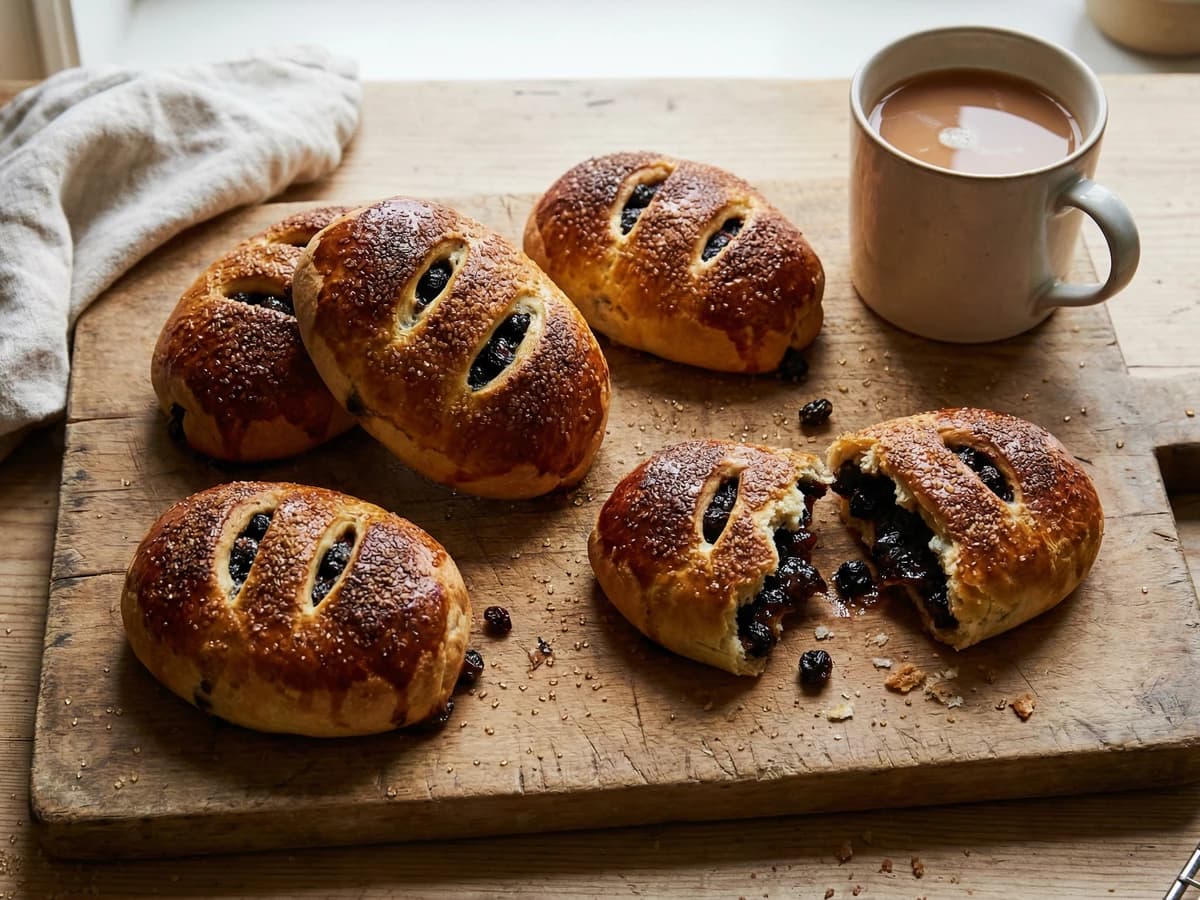
Oval pastries filled with rum-soaked currants and spice, baked until the tops crackle with sugar. The kind of thing to make on a wet Sunday afternoon when you want the kitchen to smell of something.
Chef Thomas
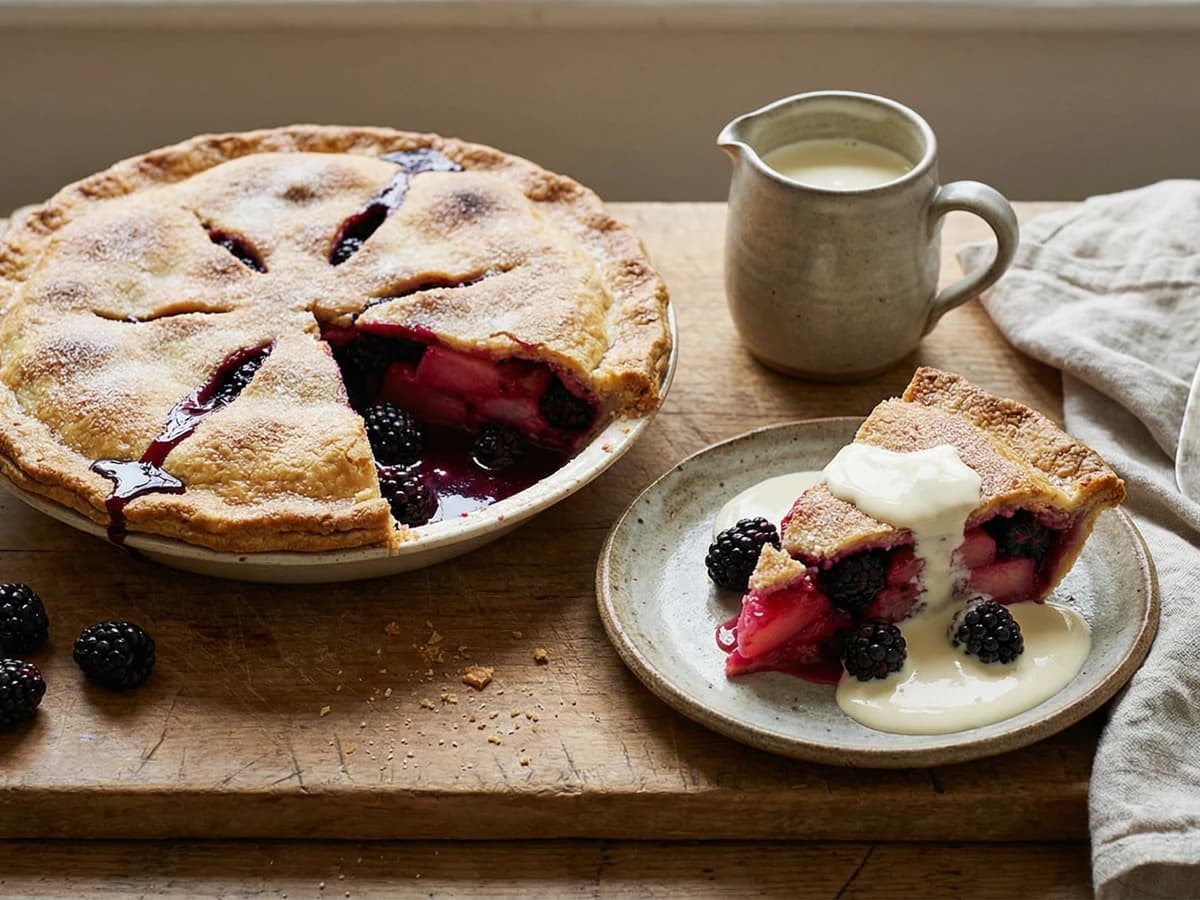
A proper hedgerow pie of Bramley apples and blackberries under a sugar-crusted pastry lid, the kind of pudding that turns a Sunday in September into something you'll remember.