Chef Isabel
Acedías Fritas de Cádiz
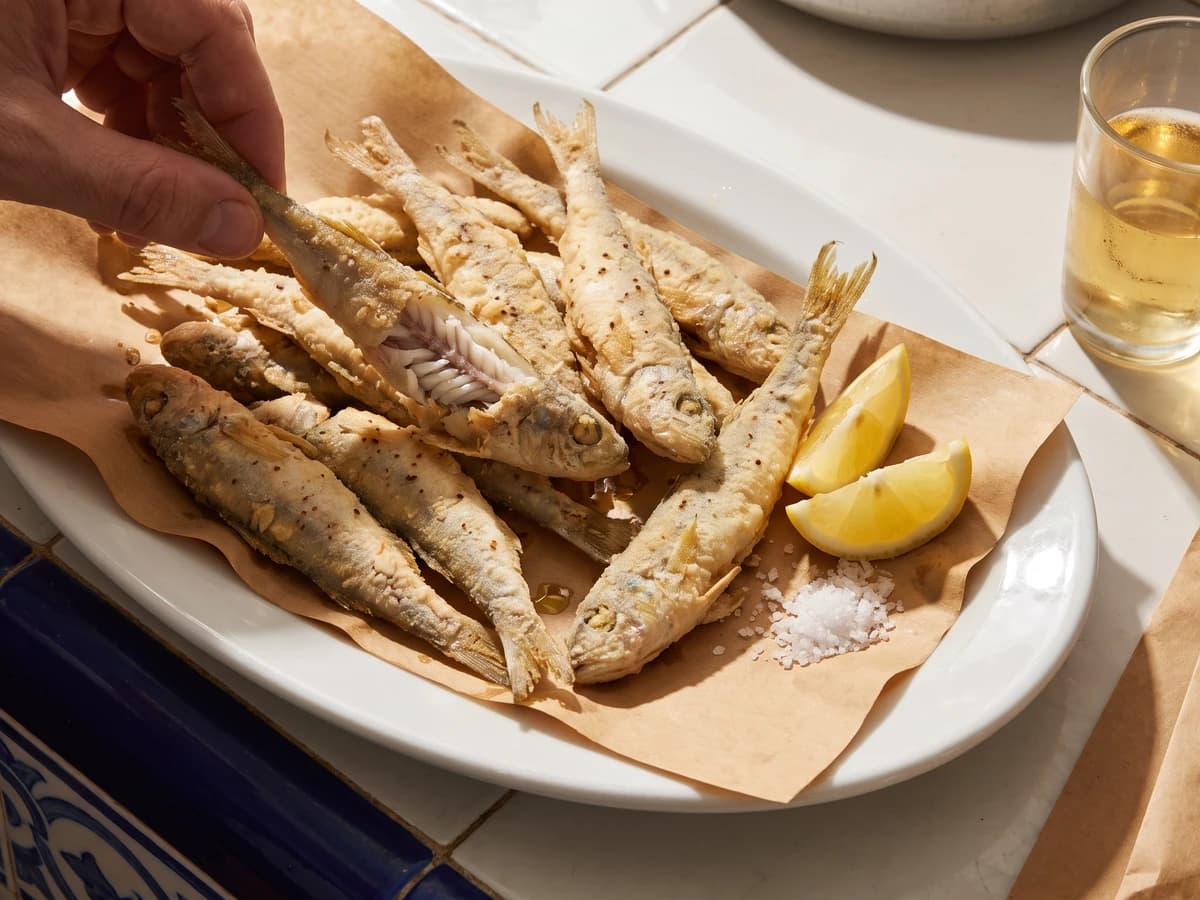
Acedías fritas belong to Cádiz: tiny wedge sole, salted, dusted in frying flour, and dropped into very hot olive oil so the rims crisp while the fish stays tender.
A cooking platform built around craft, culture, and the stories behind what we eat.
Created by
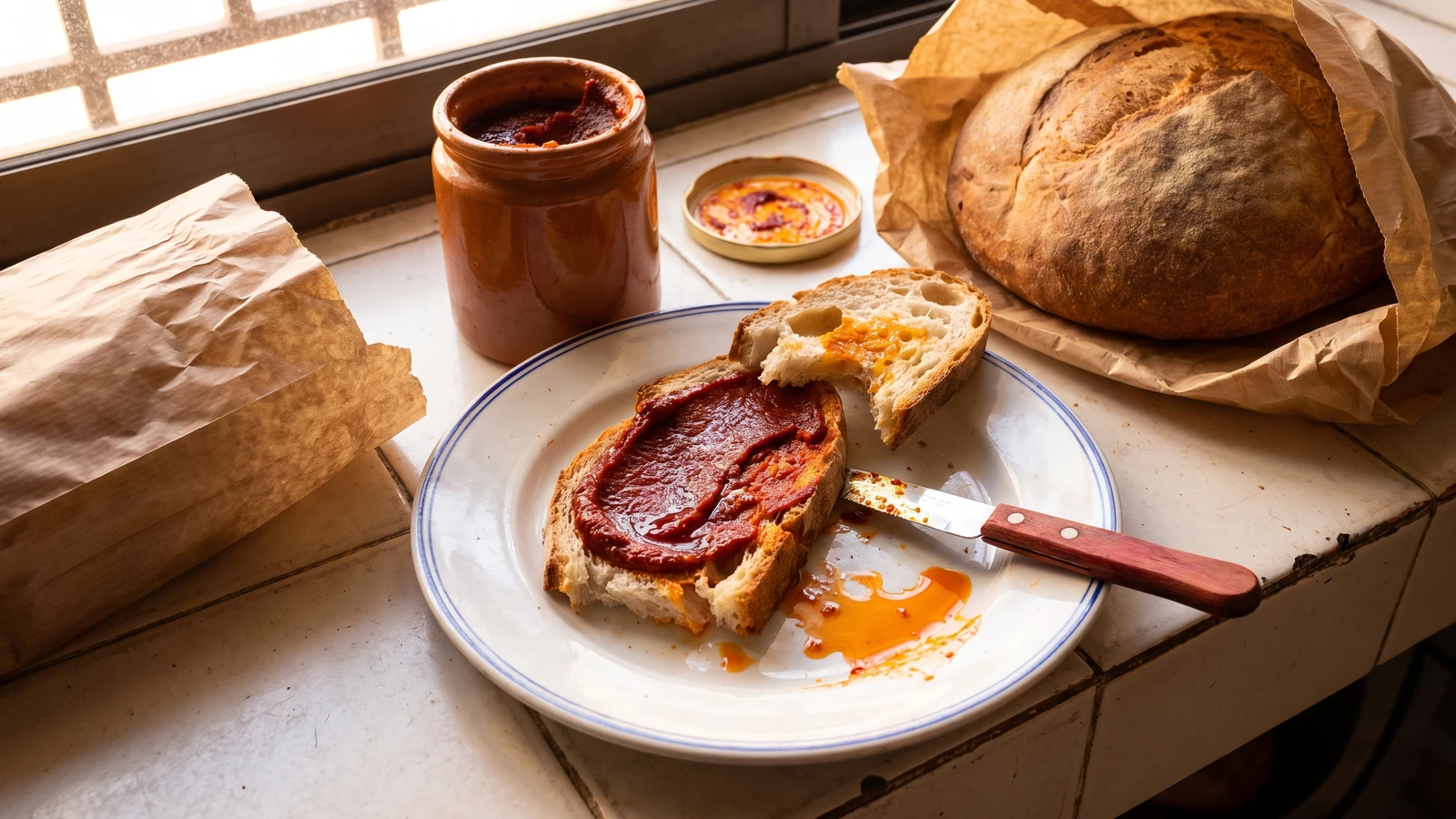
Chorizo de Teror is Gran Canaria's soft, pimentón-red sausage for spreading, not slicing: pork, garlic, white wine, and enough fat to melt into warm bread with a mild island sweetness.
Chorizo de Teror is Gran Canaria's soft chorizo, and Teror gives it its surname. It is not the firm mainland chorizo you slice into coins. This one is pimentón-red, mild, a little sweet, rich with pork fat and white wine, made to be spread on warm bread until the oil stains the crumb.
The method that decides it is the paste. Grind the pork and fat very cold and very fine, then let the pimentón, garlic, salt, and wine sit through the meat overnight. That rest is where the red colour settles and the harsh edge of raw garlic softens. Rush it and you get seasoned mince, not Chorizo de Teror.
In Teror, a good butcher cures and sells it ready to spread. Far from Gran Canaria, the nearest Spanish substitute is sobrasada, especially a mild one; it will taste more cured and often smokier, but it spreads the same way. For a home kitchen without a curing room, I cook the seasoned paste gently after the rest, then pack it in a jar. It loses the faint cured tang, yes. It gains safety on an ordinary stove, and warm bread forgives the rest. Siempre sale, si lo sigues.
Chorizo de Teror belongs to the inland town of Teror in northern Gran Canaria, where the Sunday market and the bread ovens made the sausage part of the island's ordinary shopping, not a restaurant dish. It shares kinship with Balearic sobrasada and other soft pork preserves, but Teror's version is known for a milder pimentón sweetness and a loose paste that is spread on bread instead of dried hard for slicing. The island table uses it plainly: bocadillos, picnic bread, a quick meal after the market, and a small larder answer when there is more bread than time.
Quantity
600g
very cold, diced
Quantity
300g
very cold, diced
Quantity
70g
softened
Quantity
30g
melted, to seal jars
Quantity
35g
Quantity
18g
Quantity
10g
finely grated
Quantity
2g
crumbled
Quantity
2g
Quantity
60ml
Quantity
as needed
warmed, for serving
| Ingredient | Quantity |
|---|---|
| pork shouldervery cold, diced | 600g |
| skinless pork belly or pork back fatvery cold, diced | 300g |
| pork lard (manteca de cerdo)softened | 70g |
| extra pork lard (optional)melted, to seal jars | 30g |
| sweet pimentón dulce | 35g |
| fine sea salt | 18g |
| garlicfinely grated | 10g |
| dried oreganocrumbled | 2g |
| freshly ground black pepper | 2g |
| dry white wine | 60ml |
| rustic white bread or pan de leñawarmed, for serving | as needed |
Spread the diced pork shoulder and belly on a tray and chill until very firm, about 20 to 30 minutes. Grind through a fine 3mm plate twice, or pulse in a food processor in short bursts until finely minced but not warm. The fat must stay cold so it smears into the paste later instead of melting out early.
Mix the pimentón, salt, oregano, and black pepper in a bowl. Add the ground pork, softened lard, grated garlic, and white wine, then knead by hand for 3 to 4 minutes until the paste turns sticky, glossy, and brick red. Pésalo, no lo adivines: the salt and pimentón are what keep this balanced, not a guess from the spoon.
Press the paste into a clean bowl, cover it tightly, and refrigerate for 12 to 24 hours. This rest is not decoration. It lets the pimentón bloom through the fat, softens the raw edge of the garlic, and gives the wine time to settle into the meat.
For a safe home version, scrape the rested paste into a heavy frying pan and set it over low heat. Cook gently for 15 to 20 minutes, stirring and breaking it up, until it reaches 71C in several spots and looks glossy, red, and soft. Do not brown it hard. Browning makes it taste like fried mince, and this is a spread.
While the mixture is still warm, beat it hard with a wooden spoon until it becomes spreadable, or pulse it very briefly if you want it smoother. Pack it into clean jars or a small crock, pressing out air pockets. If storing for more than a day, spoon a thin layer of melted lard over the top, then chill.
Bring the chorizo close to room temperature before serving, or warm it very gently just until it loosens. Spread it thickly on warm rustic bread so the red oil stains the crumb. It should slump under the knife, not slice cleanly. If it stands in neat coins, that's another chorizo, not Teror's.
1 serving (about 160g)
Culinary guides, cultural storytelling, and the editorial depth that makes cooking meaningful.
Discover Culinary ExplorerChef Isabel
Acedías fritas belong to Cádiz: tiny wedge sole, salted, dusted in frying flour, and dropped into very hot olive oil so the rims crisp while the fish stays tender.
Chef Isabel
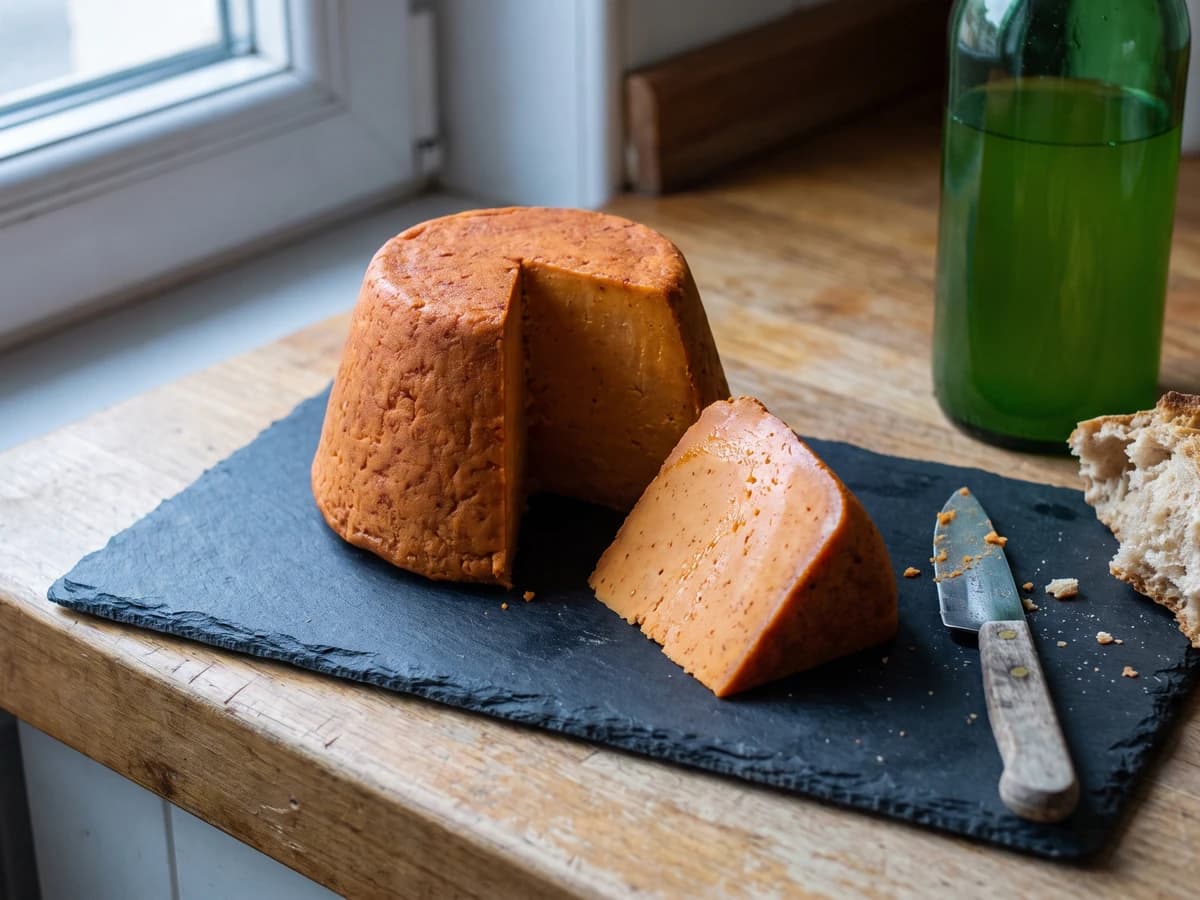
Afuega'l Pitu Roxu is Asturias in a small cheese: cow's milk set slowly to a dense curd, drained without squeezing, then kneaded with pimentón until it turns orange and grips the throat.
Chef Isabel
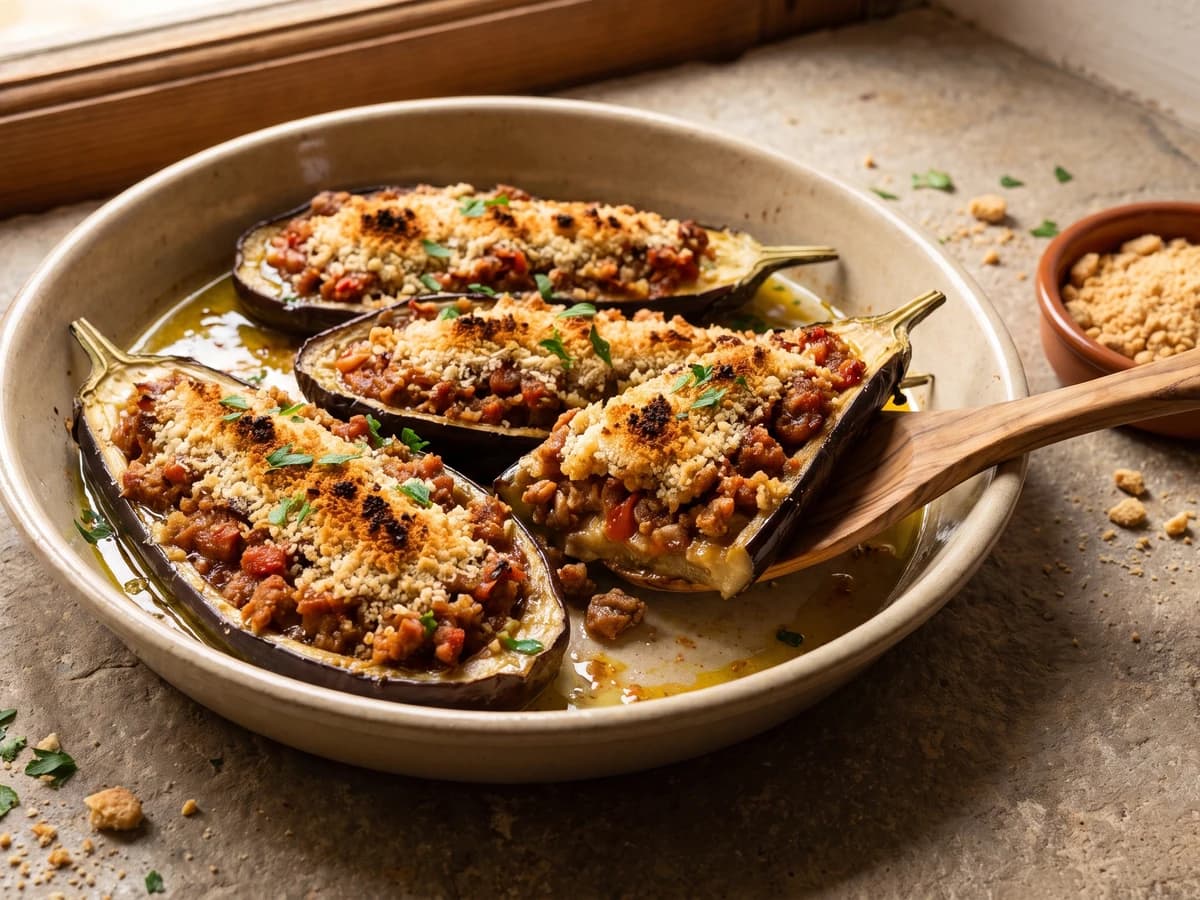
Albergínies farcides are Mallorca's summer stuffed aubergines: tender boiled shells, a slow pork sofrito with moraduix, and a plain breadcrumb cap baked until the top turns crisp and golden.

Chef Isabel
Carxofes farcides are Catalan stuffed artichokes: tender hearts filled with jamón, slow sweet onion, and breadcrumbs, then baked in a light creamy sauce until the tops turn golden.