Chef Isabel
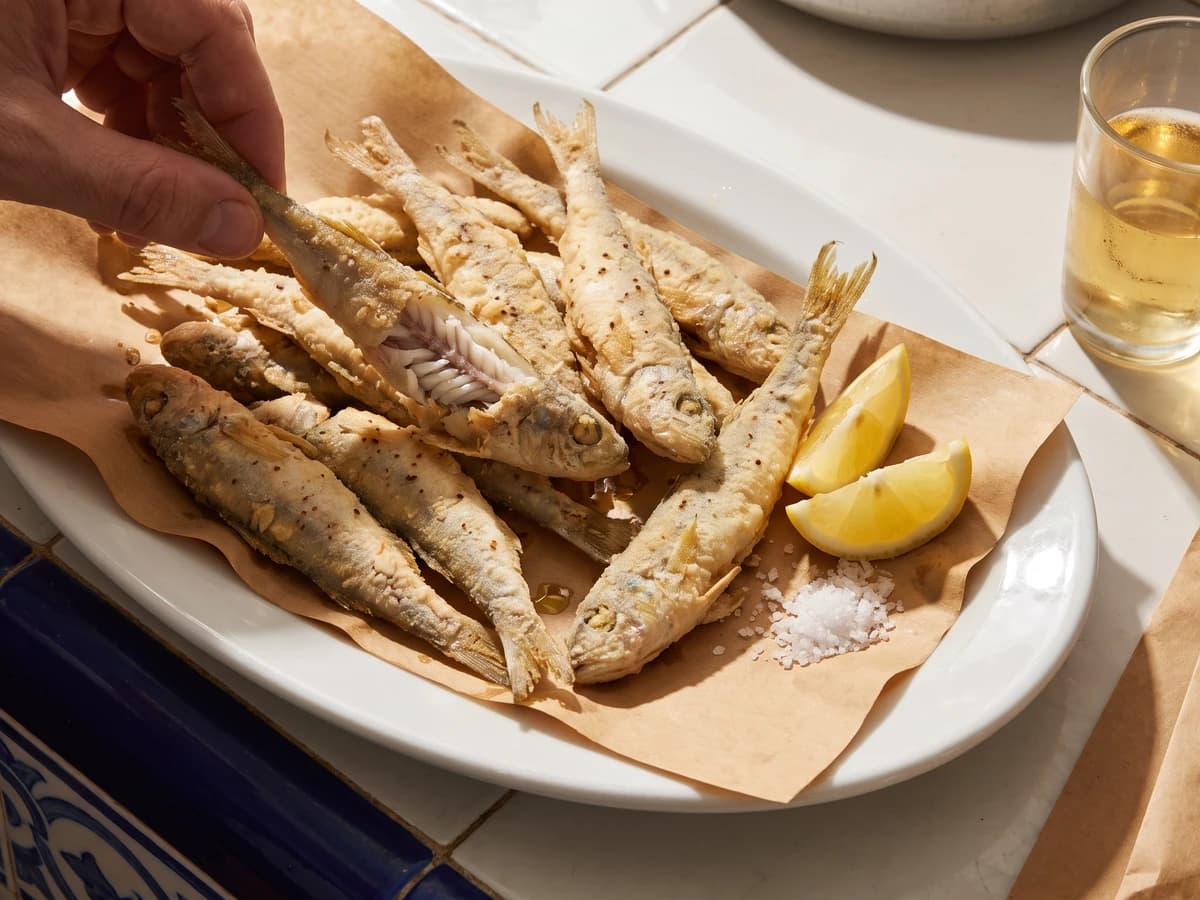
Acedías Fritas de Cádiz
Acedías fritas belong to Cádiz: tiny wedge sole, salted, dusted in frying flour, and dropped into very hot olive oil so the rims crisp while the fish stays tender.
A cooking platform built around craft, culture, and the stories behind what we eat.

Created by
Chistorra a la sidra is Navarra's thin fresh sausage cooked hot in dry cider, not served raw. Let the cider reduce until sharp and glossy, then bring bread.
Chistorra a la sidra is Navarrese, with a foot in the Basque cider house too: a thin, soft, pimentón-red sausage cooked in dry sidra until the casing tightens and the cider turns into a sharp little sauce. This is not cured chorizo for slicing. Chistorra must be cooked. That's the dish.
The method that decides it is the reduction. Start the chistorra gently so some of its red fat runs, then add dry cider and let it bubble down until it coats the pan, not until it disappears. Too much cider and you boil the sausage pale. Too little time and the sauce tastes raw and sweet. Let it darken, let it gloss, and it will do what it should.
If you can't find Navarrese chistorra, use a fresh Spanish-style chorizo made for cooking, not a hard cured one. It will be thicker and heavier, so cut it into shorter pieces and give it a few more minutes. No hace falta haber pisado España. You need the right kind of sausage, dry cider, and bread for the pan juices. Siempre sale, si lo sigues.
Chistorra belongs especially to Navarra and the Basque-speaking north, where it is made thin, fresh or very lightly cured, and seasoned with garlic and pimentón before being cooked rather than eaten raw. It is closely tied to household pork preservation and to winter market cooking, especially around Santo Tomás fairs, where chistorra in bread is part of the season. Cooking it in sidra follows the cider-house larder of the north, where dry natural cider cuts through pork fat and leaves a bright pan sauce.
Quantity
500g
cut into 8cm lengths
Quantity
250ml
Quantity
1 teaspoon
only if the pan is very dry
Quantity
1 small
Quantity
to serve
| Ingredient | Quantity |
|---|---|
| fresh chistorracut into 8cm lengths | 500g |
| dry natural cider, preferably sidra natural | 250ml |
| olive oil (optional)only if the pan is very dry | 1 teaspoon |
| bay leaf (optional) | 1 small |
| rustic bread | to serve |
Cut the chistorra into pieces about 8cm long. Prick each piece once with the tip of a knife, no more, so the fat can run without the sausage bursting open. Keep the pieces large enough to stay juicy.
Set a wide frying pan over medium-low heat. Add the olive oil only if the pan is very dry, then lay in the chistorra in one layer. Cook for 4 to 5 minutes, turning now and then, until the casing tightens and a little red pimentón oil stains the pan.
Pour in the cider and add the bay leaf if using. It should come partway up the sausage, not drown it. Raise the heat to a lively bubble and scrape the pan once so the red oil and cider meet. That sharp cider is what cuts the fat, so use dry cider, not sweet apple juice with manners.
Cook uncovered for 8 to 10 minutes, turning the pieces once or twice, until the cider reduces to a glossy, reddish sauce that clings to the sausage. Stop while there is still enough sauce to drag bread through. If the pan dries before the sausage is cooked through, add 2 tablespoons more cider and keep going.
Discard the bay leaf. Spoon the chistorra into a shallow dish with every drop of the cider sauce. Serve hot with rustic bread. This is quick food, yes, but not raw food: chistorra goes to the pan first.
1 serving (about 175g)
Culinary guides, cultural storytelling, and the editorial depth that makes cooking meaningful.
Discover Culinary ExplorerChef Isabel
Acedías fritas belong to Cádiz: tiny wedge sole, salted, dusted in frying flour, and dropped into very hot olive oil so the rims crisp while the fish stays tender.
Chef Isabel
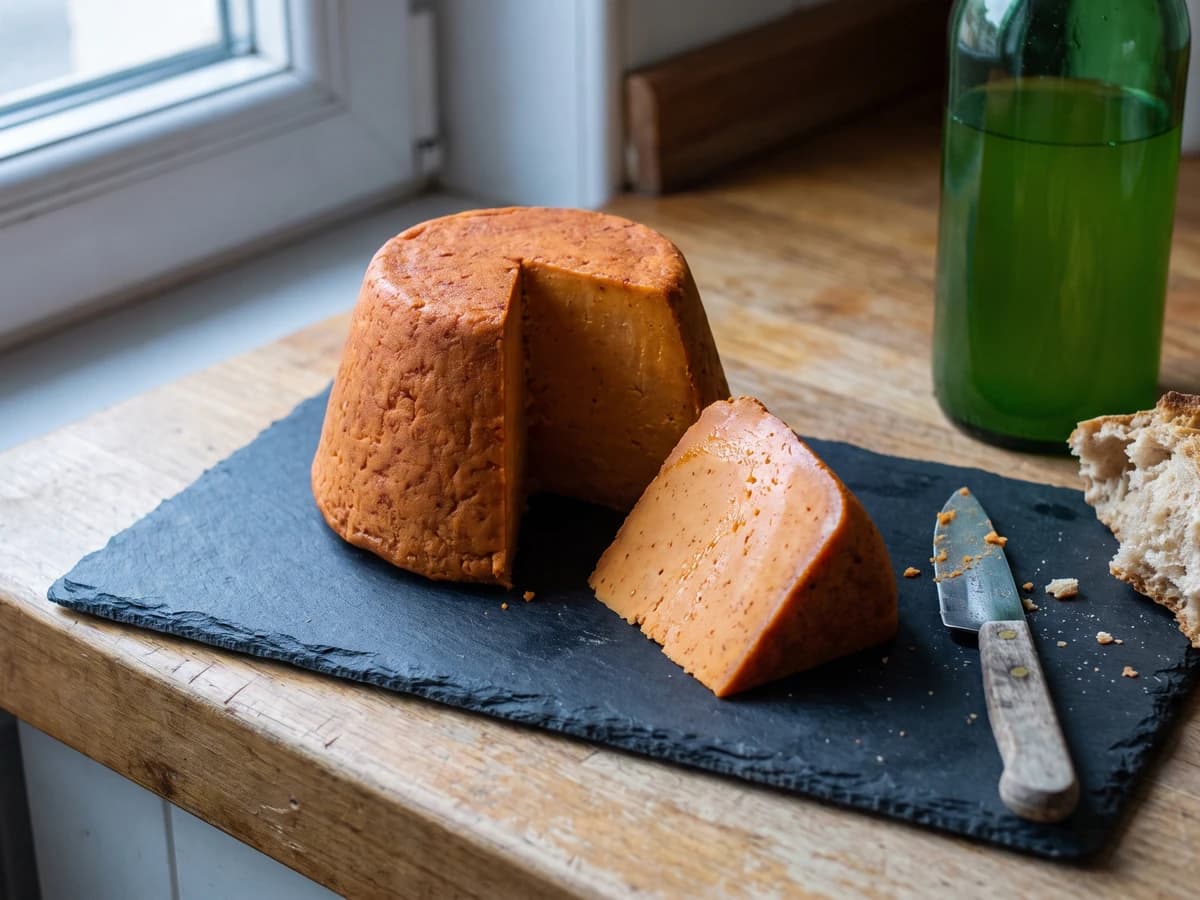
Afuega'l Pitu Roxu is Asturias in a small cheese: cow's milk set slowly to a dense curd, drained without squeezing, then kneaded with pimentón until it turns orange and grips the throat.
Chef Isabel
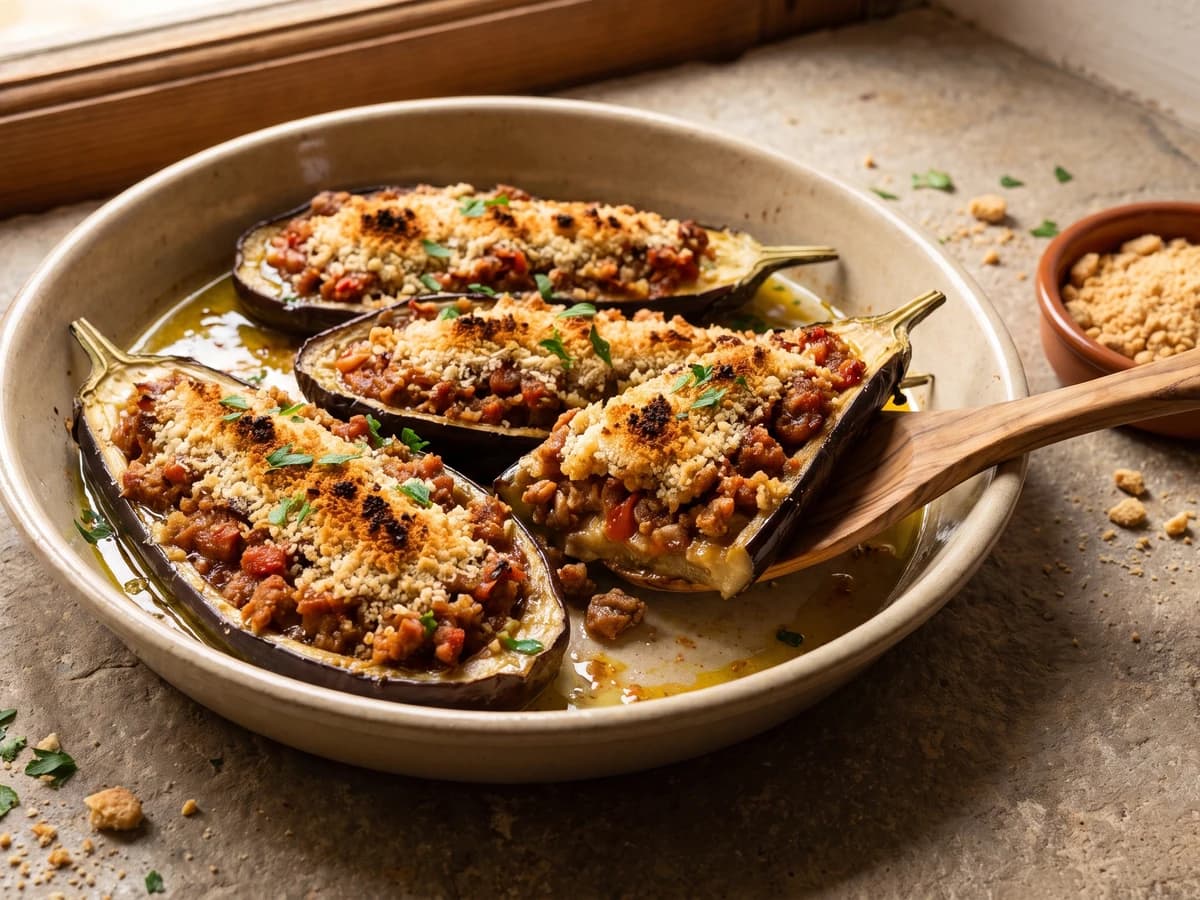
Albergínies farcides are Mallorca's summer stuffed aubergines: tender boiled shells, a slow pork sofrito with moraduix, and a plain breadcrumb cap baked until the top turns crisp and golden.

Chef Isabel
Carxofes farcides are Catalan stuffed artichokes: tender hearts filled with jamón, slow sweet onion, and breadcrumbs, then baked in a light creamy sauce until the tops turn golden.