
Chef Takumi
Aji Fry (アジフライ, panko-fried horse mackerel)
Aji fry is weeknight fish with no mystery: fresh horse mackerel opened cleanly, breaded lightly, and fried until the panko crackles while the flesh stays sweet.
A cooking platform built around craft, culture, and the stories behind what we eat.
Created by
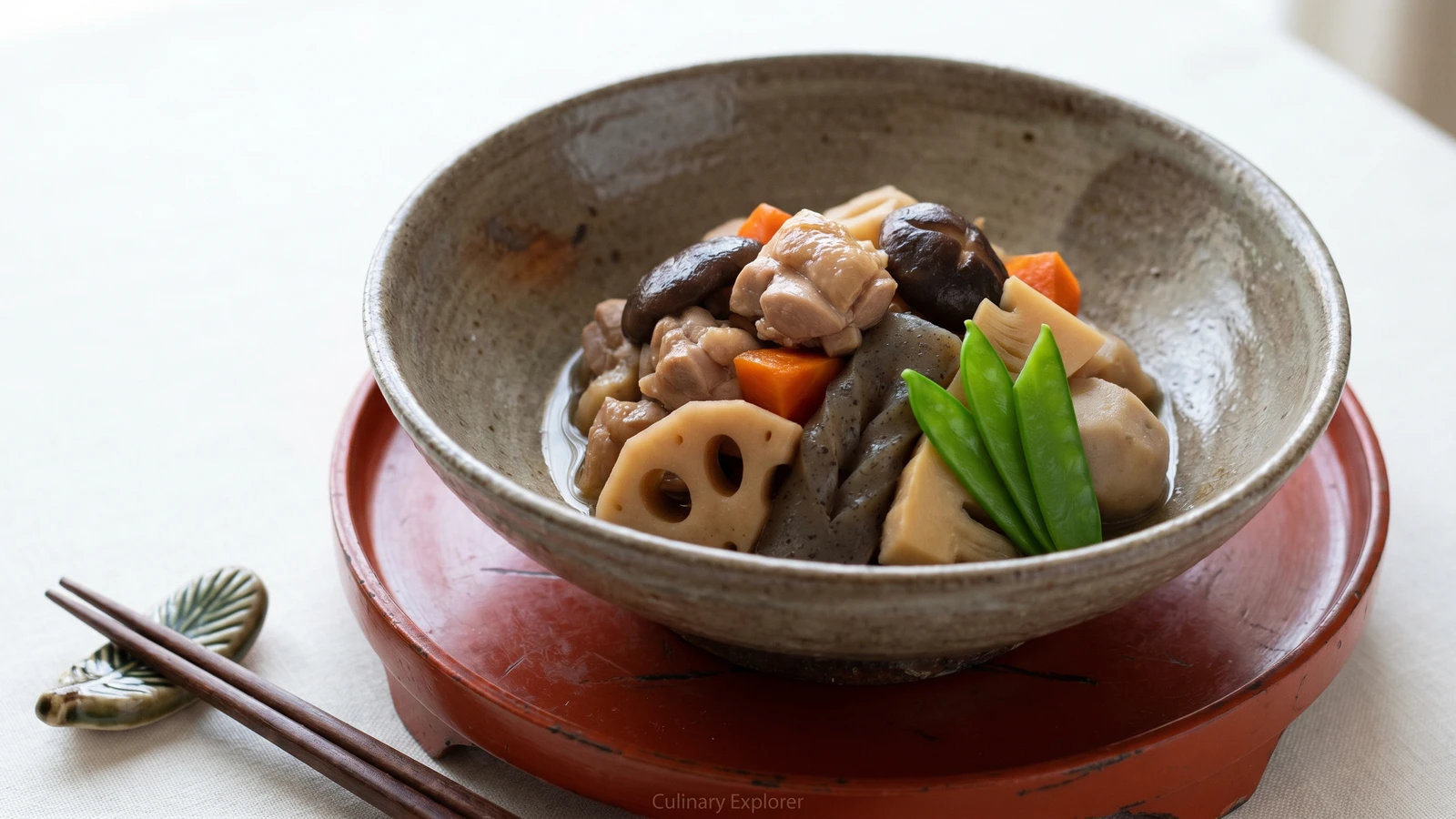
Chikuzenni looks like a pot full of decisions, but the secret is simple: cut each ingredient with care, saute first, then simmer gently until everything tastes like itself.
Chikuzenni is winter food with its sleeves rolled up: chicken, burdock, lotus root, carrot, konnyaku, bamboo shoot, and dried shiitake, all cut so each piece has its own face. It often appears at New Year because the ingredients keep, the dish improves as it rests, and the shapes carry small wishes for the year. Lotus root shows its holes, so we say it lets you see what is ahead. Burdock roots the meal in the earth. A cook can smile at the poetry and still eat very well.
The dish has a reputation for being busy. It isn't difficult, only crowded. The one detail that decides it is the first saute. Chikuzenni is not ordinary nimono where everything simply goes into broth. Here we coat the chicken and vegetables in a little oil first, which seals their surfaces lightly, brings out their fragrance, and keeps the simmer from washing them pale. Then the shiitake soaking liquid and seasonings do the quiet work.
Cutting matters because the pot is mixed. The burdock must be smaller than the carrot, the konnyaku torn or scored so it can drink the broth, the chicken cut large enough to stay tender. This is the method, not the menu: prepare each ingredient according to what it needs, then let them share one seasoning. A wooden drop-lid, otoshibuta, keeps everything just under the surface. A parchment circle does the same honest work.
Make it ahead if you can. Chikuzenni is good warm, better at room temperature, and best after a night in the refrigerator when the broth has settled into every corner. Nothing hidden, nothing heavy. The vegetables should still taste like roots and shoots, glossy with their own cooking liquor.
Chikuzenni is named for Chikuzen Province, the old name for the northwestern part of present-day Fukuoka Prefecture in Kyushu. In Fukuoka it is also called gameni, a name often linked to the Hakata dialect word gamekuri-komu, meaning to gather many things together, though a separate folk explanation connects it to older versions made with softshell turtle. Its mix of long-keeping roots, chicken, and auspicious shapes made it a natural osechi dish for the New Year table.
Quantity
6
Quantity
2 cups
for soaking shiitake
Quantity
400g
cut into 1 1/2-inch pieces
Quantity
1 tablespoon
for the chicken
Quantity
1 small root (about 150g)
scrubbed and cut into rolling wedges
Quantity
1 section (about 250g)
peeled and cut into 1/2-inch half-moons
Quantity
1 medium (about 150g)
cut into rolling wedges or flower shapes
Quantity
1 block (about 250g)
torn into bite-size pieces or scored and cut
Quantity
150g
cut into bite-size pieces
Quantity
8 (about 350g)
peeled
Quantity
8
blanched
Quantity
1 tablespoon
Quantity
1/2 cup
strained
Quantity
1 1/2 cups
Quantity
3 tablespoons
Quantity
2 tablespoons
Quantity
3 tablespoons
Quantity
4 tablespoons
Quantity
1 teaspoon
| Ingredient | Quantity |
|---|---|
| dried shiitake mushrooms | 6 |
| warm waterfor soaking shiitake | 2 cups |
| boneless chicken thighscut into 1 1/2-inch pieces | 400g |
| sakefor the chicken | 1 tablespoon |
| burdock root (gobo)scrubbed and cut into rolling wedges | 1 small root (about 150g) |
| lotus root (renkon)peeled and cut into 1/2-inch half-moons | 1 section (about 250g) |
| carrotcut into rolling wedges or flower shapes | 1 medium (about 150g) |
| konnyakutorn into bite-size pieces or scored and cut | 1 block (about 250g) |
| boiled bamboo shootscut into bite-size pieces | 150g |
| small taro or satoimopeeled | 8 (about 350g) |
| snow peas or green beansblanched | 8 |
| neutral oil | 1 tablespoon |
| shiitake soaking liquidstrained | 1/2 cup |
| dashi | 1 1/2 cups |
| sake | 3 tablespoons |
| sugar | 2 tablespoons |
| mirin | 3 tablespoons |
| soy sauce | 4 tablespoons |
| toasted sesame oil (optional) | 1 teaspoon |
Put the dried shiitake in 2 cups warm water and weight them with a small plate so they stay submerged. Soak for 30 minutes, or until the caps are soft all the way through. Strain and save the soaking liquid, then trim off the hard stems and halve the caps. That soaking liquid is not dishwater. It is the backbone of this pot, earthy and deep, so keep the clear part and leave any grit behind.
Scrub the burdock well and cut it into small rolling wedges, then soak briefly in water and drain. Peel the lotus root and cut it into 1/2-inch half-moons, then soak it in water for 5 minutes so the color stays clean. Cut the carrot into rolling wedges, or into plum blossoms if this is for New Year and you have the patience. The sizes should not all match. Burdock is firm and should be smaller, carrot can be larger, and lotus root wants enough thickness to keep its pleasant bite.
Tear the konnyaku into bite-size pieces with a spoon, or score both sides shallowly and cut it into knots or rectangles. Boil it for 2 minutes, then drain. This removes its raw alkaline smell and roughens the surface so it can take in seasoning. A knife gives tidy edges, but tearing gives the broth more places to enter.
Pat the chicken dry and toss it with 1 tablespoon sake. Leave it while you finish the vegetables. The sake is not perfume. It softens the chicken's aroma and helps the surface meet the hot oil cleanly, which matters in a dish where nothing is covered by sauce.
Heat the neutral oil in a wide heavy pot over medium heat. Add the chicken skin-side down if there is skin attached, and saute until the surface turns opaque and lightly golden in places, 3 to 4 minutes. It does not need to cook through. You are setting the surface and building a little fragrance before the simmer begins.
Add the burdock, lotus root, carrot, konnyaku, bamboo shoots, taro, and shiitake. Turn them through the oil for 4 to 5 minutes, until the edges look lightly glossy and the burdock smells sweet and earthy. This first saute is what makes Chikuzenni Chikuzenni. It keeps the ingredients distinct, so the final pot tastes gathered, not boiled flat.
Add 1/2 cup strained shiitake soaking liquid, the dashi, and 3 tablespoons sake. Bring to a gentle boil, skim the foam, then lower the heat. The liquid should come partway up the ingredients, not drown them. Chikuzenni cooks in a concentrated broth and in the moisture released by the vegetables themselves.
Add the sugar and mirin first, set a wooden drop-lid, otoshibuta, directly on the food, and simmer gently for 10 minutes. Then add the soy sauce and continue simmering under the drop-lid for 20 to 25 minutes, turning the pot once or twice by shaking it rather than stirring hard. Sweetness enters better before salt tightens the surfaces, so the order is not fuss. It is simply how you help the roots drink.
Remove the drop-lid and simmer 5 to 8 minutes more, gently turning the pieces from the bottom to the top if needed, until the broth is reduced and glossy but not gone. Taste one burdock piece and one chicken piece. They should be seasoned through, not salty on the outside. Turn off the heat and let the pot rest at least 30 minutes, because simmered dishes finish learning their seasoning after the flame is out.
Blanch the snow peas or green beans in salted water until bright green, then cool and slice on the diagonal. Fold in the sesame oil only if you like that Kyushu-style fragrance, then serve the Chikuzenni warm or at room temperature with the green vegetables set on top. Do not bury them in the pot. Their color is the fresh note, and it should arrive clean.
1 serving (about 305g)
Culinary guides, cultural storytelling, and the editorial depth that makes cooking meaningful.
Discover Culinary ExplorerChef Takumi
Aji fry is weeknight fish with no mystery: fresh horse mackerel opened cleanly, breaded lightly, and fried until the panko crackles while the flesh stays sweet.
Chef Takumi
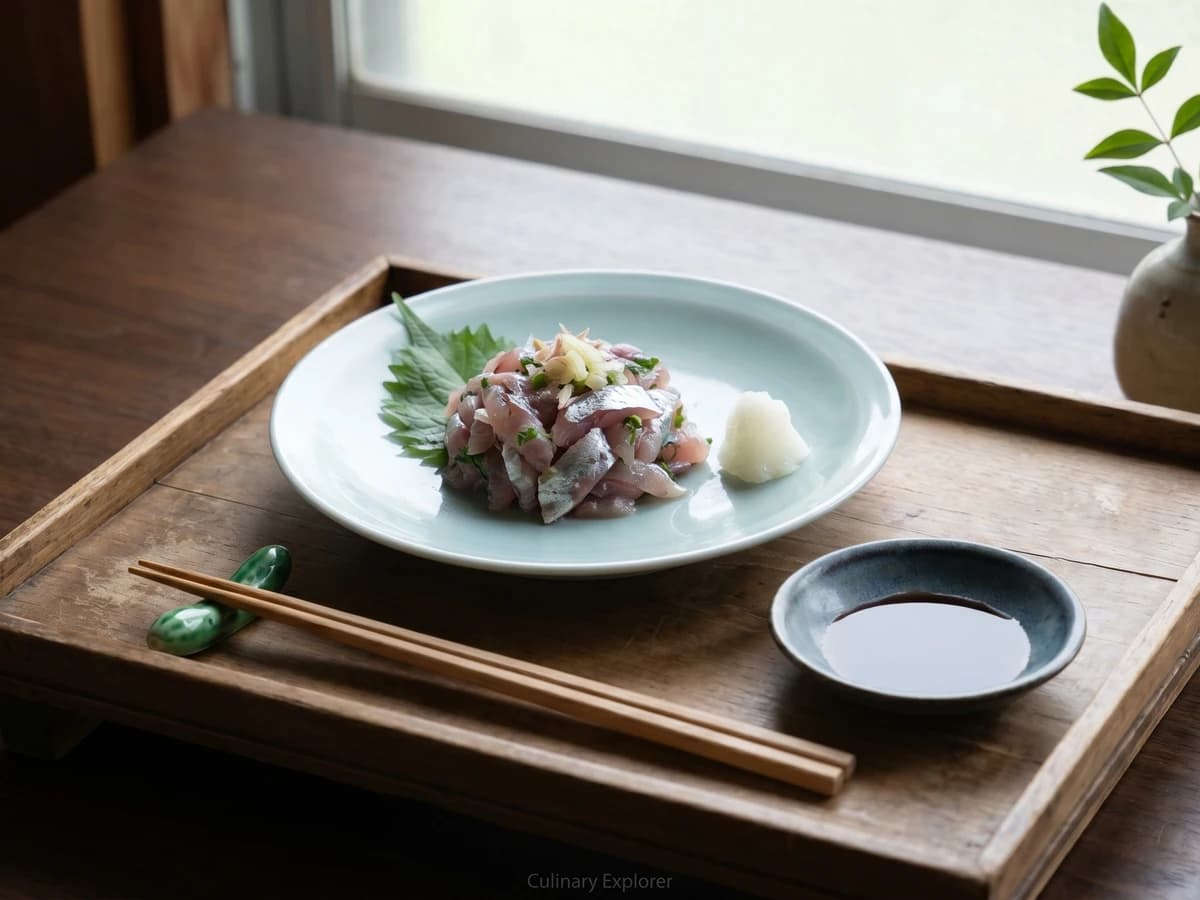
Summer horse mackerel, chopped just enough to catch ginger and scallion, becomes a cool, clean main dish with rice. The secret is fresh fish and a knife that does not bruise it.
Chef Takumi
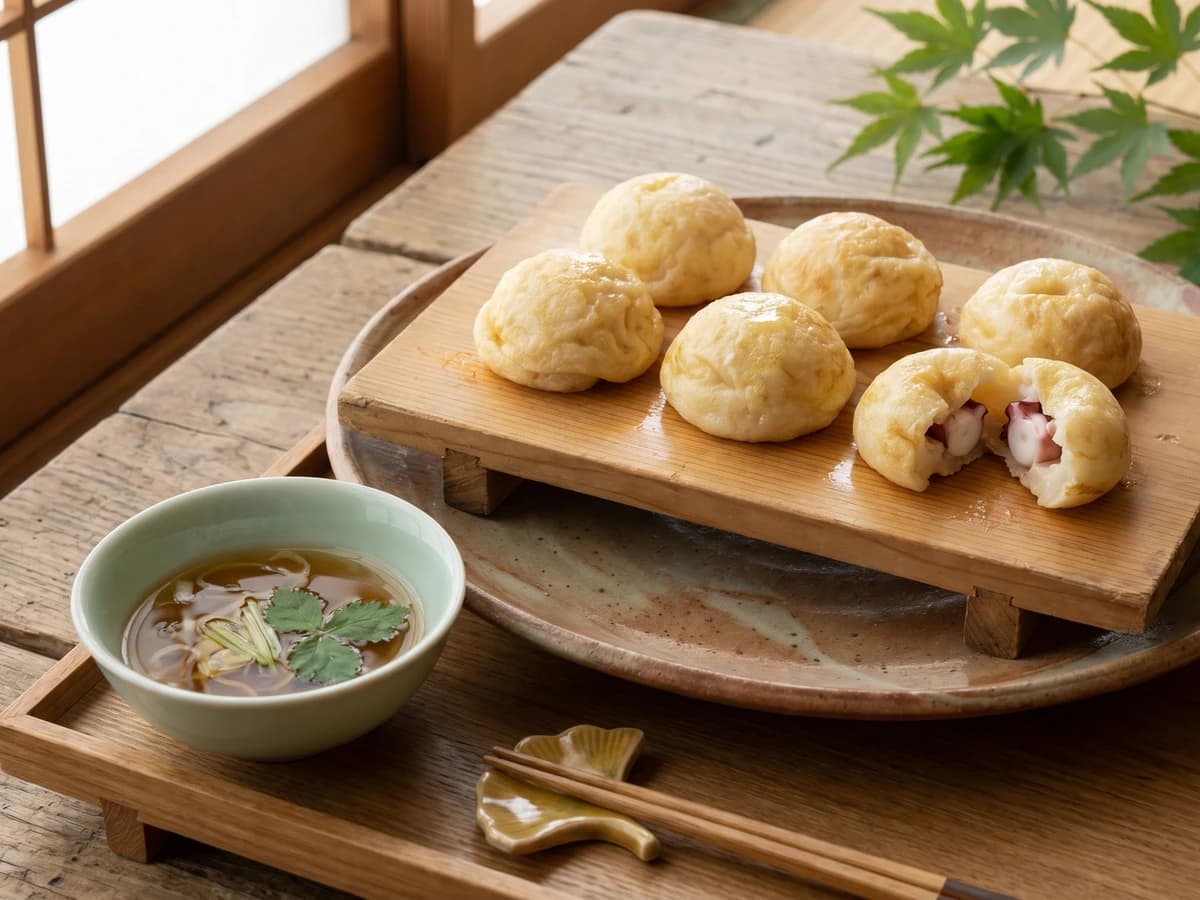
Akashi-yaki is not sauced takoyaki. It is egg-rich batter, tender octopus, and clear dashi, cooked pale and soft so each ball can be dipped like a small custard dumpling.

Chef Takumi
A whole anago looks like a test of nerve. It is mostly good sourcing, a dry skin, cold batter, and oil hot enough to leave the eel sweet under its lace.