
Chef Ally
Artichokes Braised in Olive Oil
Tender baby artichokes surrendered to good olive oil, garlic, and lemon, cooked low and slow until the leaves soften and the hearts turn silky. A dish that asks you to slow down.
A cooking platform built around craft, culture, and the stories behind what we eat.

Created by
Tender chickpeas, still warm, tossed with bright lemon, your best olive oil, and handfuls of soft herbs picked that morning. The kind of simple dish that reminds you why cooking matters.
Start with the chickpeas. Dried ones you have soaked overnight and cooked yourself, or good ones from a jar if you know where they come from. The texture should be creamy, yielding, with skins that hold together. This is the foundation. Everything else is getting out of the way.
The herbs matter more than you think. Parsley, mint, cilantro, whatever is growing or whatever you found at the market that morning. They should smell alive when you tear them. If they are limp and tired, the dish will taste that way too. Good food starts with good ingredients. There is no technique that compensates for produce past its prime.
I learned this dish not from a recipe but from a feeling. Warm legumes dressed while they can still absorb flavor. Acid to brighten. Fat to carry. Salt to season. Herbs to lift. Your choices shape the food system, and a bowl of chickpeas dressed this way is a small act of connection to the people who grew them.
Quantity
1 1/2 cups
soaked overnight
Quantity
two 15-ounce jars
Quantity
1
Quantity
3
smashed
Quantity
1/4 cup, plus more for finishing
Quantity
2
juiced (about 1/4 cup)
Quantity
1/2 teaspoon, plus more to taste
Quantity
1/4 teaspoon
Quantity
1 cup loosely packed
leaves and tender stems
Quantity
1/2 cup loosely packed
Quantity
1/2 cup loosely packed
leaves and tender stems
Quantity
1 small
thinly sliced
Quantity
for finishing
| Ingredient | Quantity |
|---|---|
| dried chickpeassoaked overnight | 1 1/2 cups |
| good quality cooked chickpeas (optional) | two 15-ounce jars |
| bay leaf | 1 |
| garlic clovessmashed | 3 |
| extra-virgin olive oil | 1/4 cup, plus more for finishing |
| lemonsjuiced (about 1/4 cup) | 2 |
| fine sea salt | 1/2 teaspoon, plus more to taste |
| freshly ground black pepper | 1/4 teaspoon |
| fresh flat-leaf parsleyleaves and tender stems | 1 cup loosely packed |
| fresh mint leaves | 1/2 cup loosely packed |
| fresh cilantroleaves and tender stems | 1/2 cup loosely packed |
| shallotthinly sliced | 1 small |
| flaky sea salt | for finishing |
Drain the soaked chickpeas and place them in a pot with fresh cold water to cover by three inches. Add the bay leaf and smashed garlic. Bring to a gentle simmer over medium heat. Do not boil them hard. Aggressive cooking breaks the skins and gives you mush instead of tender, whole beans.
Cook at a lazy simmer for one to one and a half hours. The chickpeas are done when they yield completely to gentle pressure but hold their shape. Bite one. It should be creamy through to the center with no chalkiness. Add salt only in the last fifteen minutes of cooking, about one teaspoon. Salting too early can toughen the skins.
Drain the chickpeas, reserving about half a cup of the cooking liquid. Discard the bay leaf and garlic. Transfer the warm chickpeas to a large bowl. They must still be warm. Cold chickpeas will not absorb the dressing. This is essential.
Pour the olive oil and lemon juice over the warm chickpeas. Add the fine sea salt and black pepper. Toss gently to coat every bean. The warmth opens them up, pulls the dressing in. Taste. Adjust. It should be bright and round, not too sharp, not too flat.
Tear the parsley, mint, and cilantro by hand. Do not chop them fine. You want irregular pieces that look gathered, not processed. The stems are tender and flavorful. Use them. A knife bruises the leaves and releases their oils onto the cutting board instead of into your mouth.
Add the torn herbs and sliced shallot to the dressed chickpeas. Fold everything together gently. Transfer to a serving bowl or platter. Drizzle with more olive oil, the good stuff you save for finishing. Scatter flaky salt over the top. Serve warm or at room temperature.
1 serving (about 115g)
Culinary guides, cultural storytelling, and the editorial depth that makes cooking meaningful.
Discover Culinary ExplorerChef Ally
Tender baby artichokes surrendered to good olive oil, garlic, and lemon, cooked low and slow until the leaves soften and the hearts turn silky. A dish that asks you to slow down.

Chef Ally
Rough-cut potatoes roasted until golden and shattering, perfumed with woody rosemary and finished with flaky salt. The kind of honest side dish that disappears before the main course is served.

Chef Ally
Fennel bulbs transformed by patient heat into something silky and deeply caramelized, brightened with blood orange segments and a drizzle of fruity olive oil. A winter dish that proves vegetables need almost nothing when they are grown well and cooked simply.
Chef Juliette
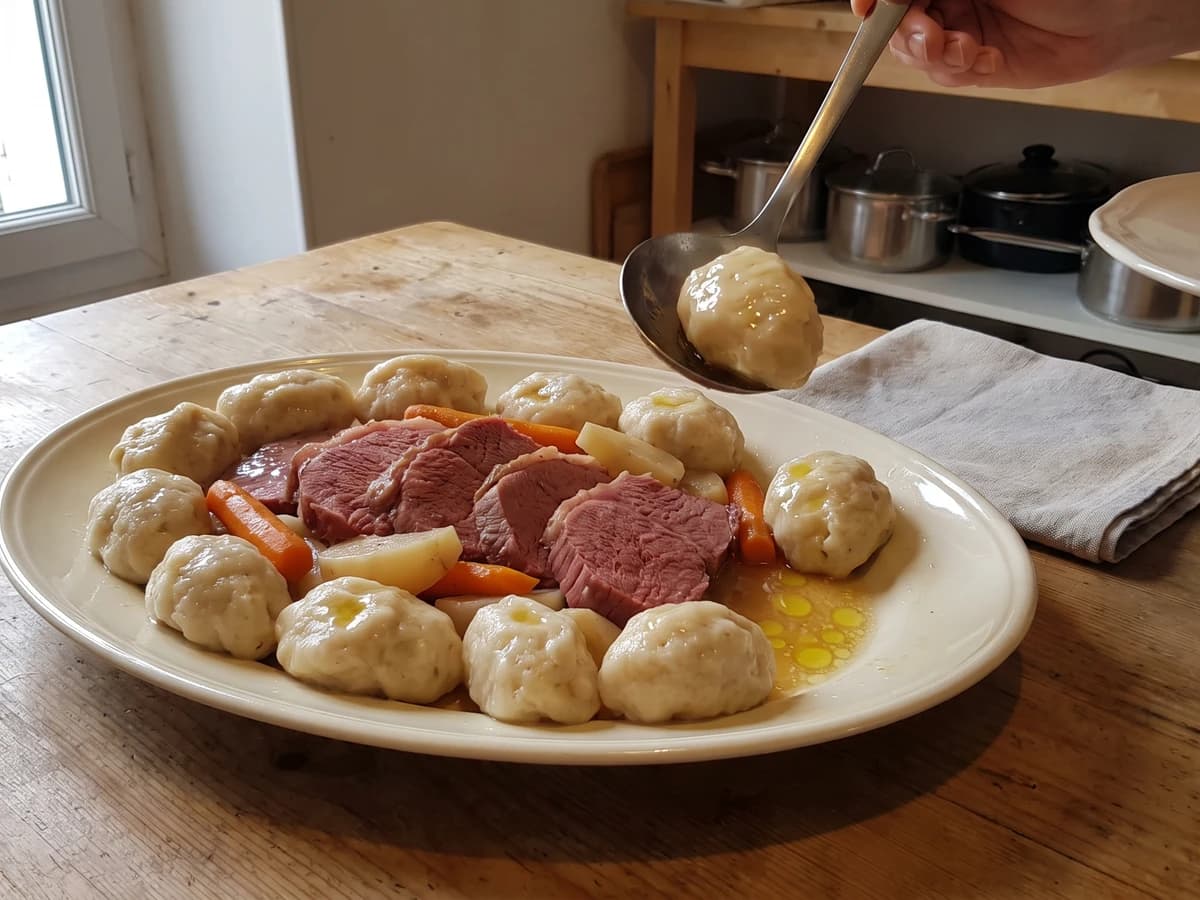
Boulettes au suif, poached beside salt beef, turn equal weights of flour and finely chopped suet into tender, rich dumplings. Keep the beef liquor at a bare tremble and the old garnish works beautifully at home.