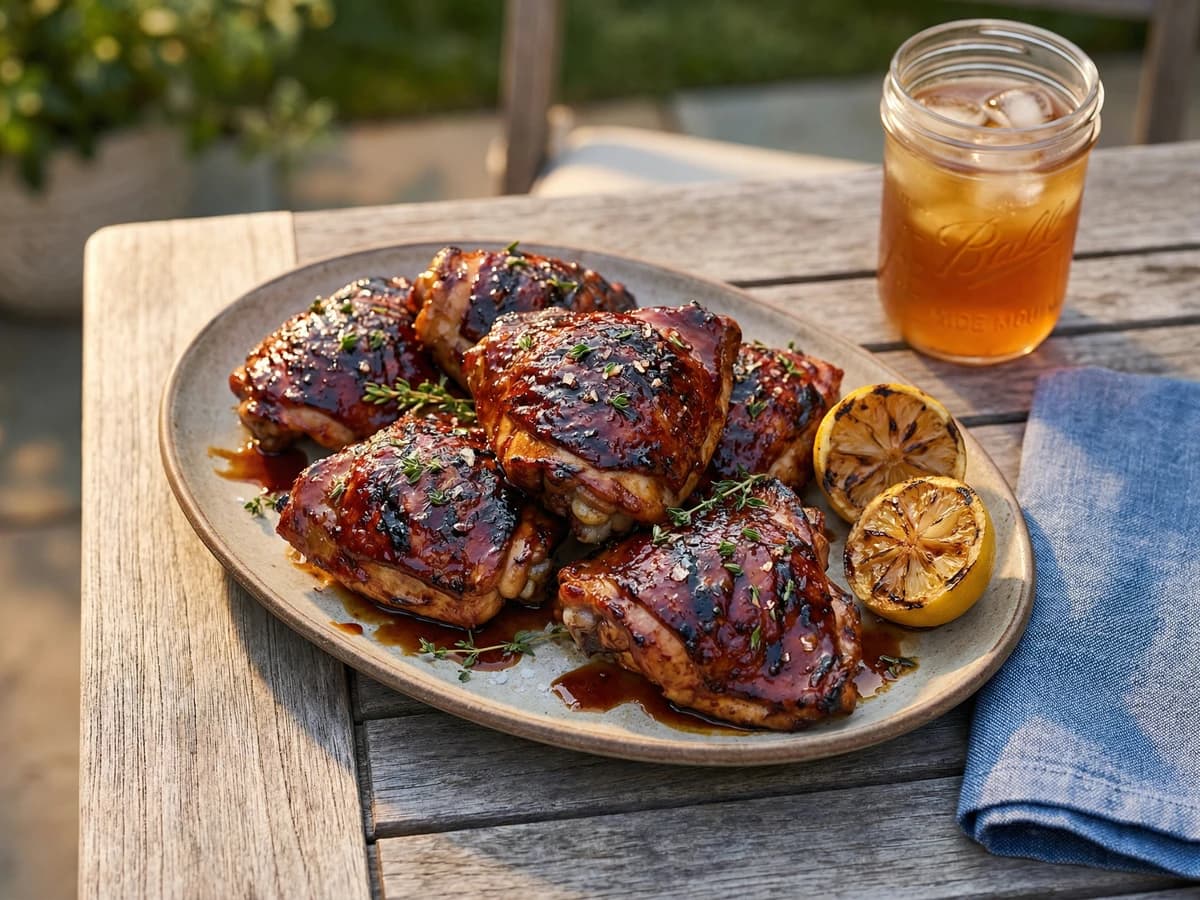
Tender cube steak hidden under a shattering golden crust, draped in peppery sawmill gravy so good you'll forget this dish ever needed a vegetable on the plate.
Main Dishes
Southern
Comfort Food
Weeknight
Budget Friendly
30 min
Active Time
25 min cook•55 min total
Yield4 servings
Good food is honest food. Chicken fried steak doesn't pretend to be anything fancy. It's a tough piece of meat beaten into submission, coated in seasoned flour, and fried until it shatters under your fork. Then you smother it in gravy so thick and peppery it could wake the dead. This is cooking that feeds the soul.
The technique here is all about building flavor in layers. You season the meat first. You season the flour. You season the gravy. By the time that first bite hits your tongue, there's flavor coming at you from every direction. My grandmother Evangeline never made chicken fried steak (that's Texas country, not bayou country), but she understood the principle perfectly: season at every step, taste as you go, and never apologize for making food that makes people happy.
The crust is everything. It needs to be thick, shaggy, and golden. The baking powder in the flour creates tiny air pockets that turn crispy in the hot oil. Let the breaded steaks rest before frying so the coating sets. And for heaven's sake, use a cast iron skillet. Nothing holds heat the way cast iron does, and that steady temperature is what gives you an even golden color from edge to edge.
The technique, the tradition, and the story behind every dish.
Lay your cube steaks on a sheet pan and pat them bone dry with paper towels. Moisture is the enemy of a crispy crust. Mix together one teaspoon of salt, one teaspoon of black pepper, the garlic powder, cayenne, and smoked paprika in a small bowl. Season both sides of each steak generously with this mixture, pressing it into the meat with your fingers. Let them sit at room temperature while you prepare everything else. The seasoning needs time to penetrate.
If your cube steaks are thick, pound them between plastic wrap with a meat mallet until they're about a quarter inch. Thin steaks cook faster and develop more crust per bite.
2
Build your breading station
Set up three shallow dishes in a row. In the first, combine the flour, remaining half teaspoon of salt, remaining half teaspoon of pepper, and the baking powder. Whisk to distribute everything evenly. The baking powder creates tiny air pockets that make the coating shatter when you bite through it. In the second dish, beat the eggs with the buttermilk and hot sauce until smooth. In the third dish, add another cup of the seasoned flour mixture.
3
Bread the steaks
Working one steak at a time, dredge it thoroughly in the first flour dish, pressing to coat every surface. Shake off the excess and dip it into the egg wash, letting the excess drip for a few seconds. Finally, lay it in the second flour dish and press firmly to build a thick coating. Flip and repeat. The crust should look shaggy and uneven. That's the texture you want. Set each breaded steak on a wire rack and let them rest for ten minutes before frying.
Don't skip the resting time after breading. It lets the coating set and adhere. If you rush it into the oil, the breading slides right off.
4
Heat the oil
Pour about an inch of oil into a twelve-inch cast iron skillet. I've been using the same skillet my grandmother Evangeline handed down to me, and there's nothing better for frying. Heat the oil over medium-high until it reaches 350 degrees. If you don't have a thermometer, drop a pinch of flour into the oil. It should sizzle immediately and turn golden within seconds. Too slow and your steak absorbs grease. Too fast and the outside burns before the inside cooks.
5
Fry until golden
Carefully lower two steaks into the hot oil. Don't crowd the pan or the temperature drops and you'll get soggy results. Fry for three to four minutes per side until deep golden brown and cooked through. The sizzle should be steady and aggressive. If it slows down, your oil is too cool. Adjust the heat as needed. Transfer the finished steaks to a clean wire rack set over a sheet pan and keep warm in a 200-degree oven while you fry the remaining steaks.
Never drain fried food on paper towels. The steam gets trapped underneath and makes the bottom soggy. A wire rack lets air circulate and keeps everything crispy.
6
Start the sawmill gravy
Pour off most of the frying oil, leaving about two tablespoons of the drippings and any dark bits in the skillet. Those browned bits are pure flavor. Add the butter and let it melt over medium heat. Sprinkle in the quarter cup of flour and whisk constantly, scraping up every bit of goodness from the bottom. Cook this roux for two to three minutes until it smells nutty and turns the color of peanut butter. Don't rush it. A raw flour taste will ruin your gravy.
7
Build the gravy
Pour in the cold milk slowly while whisking constantly. Adding it all at once creates lumps that no amount of whisking will fix. The gravy will seize up at first and look like a disaster. Keep whisking. Keep pouring. It smooths out. Bring to a gentle simmer and cook for five to seven minutes, stirring frequently, until the gravy coats the back of a spoon and holds a line when you drag your finger through it.
Always add cold milk to a hot roux. The temperature difference helps prevent lumps. Warm milk added to warm roux is a recipe for frustration.
8
Season and serve
Season the gravy with the salt, the full teaspoon of black pepper (this is sawmill gravy, and the pepper is the point), and a pinch of cayenne for warmth. Taste it. Adjust it. That's the bayou way. The gravy should be peppery enough that you notice it with every bite but not so aggressive that it burns. Lay each steak on a warm plate and ladle the gravy generously over the top. Some folks like it smothered. Some like it on the side. At Lagniappe, we always ask.
Chef Tips
•Ask your butcher for cube steak cut from the round. It's lean enough to fry without getting greasy but has enough connective tissue to stay tender after pounding.
•Save your bacon drippings. A tablespoon or two in the frying oil adds smokiness that takes this dish from good to memorable.
•Leftover gravy keeps refrigerated for three days. It thickens as it cools, so add a splash of milk when reheating and whisk until smooth.
•If you want extra crunch, add a handful of crushed saltine crackers to the second flour dredge. Old diner trick that works every time.
Advance Preparation
•Steaks can be seasoned up to four hours ahead and refrigerated uncovered. The salt draws out moisture and helps the crust adhere better.
•The breading station can be set up an hour before cooking. Cover the egg wash and refrigerate until ready to use.
•Gravy is best made fresh, but it reheats well with an extra splash of milk and vigorous whisking.
Frequently Asked Questions
Nutrition Information
1 serving (about 275g)
Calories
760 calories
Total Fat
41 g
Saturated Fat
17 g
Trans Fat
0 g
Unsaturated Fat
22 g
Cholesterol
255 mg
Sodium
1590 mg
Total Carbohydrates
44 g
Dietary Fiber
1 g
Sugars
9 g
Protein
49 g
Where cooking meets culture.
Culinary guides, cultural storytelling, and the editorial depth that makes cooking meaningful.