Culinary Explorer

A cooking platform built around craft, culture, and the stories behind what we eat.
Discover Culinary Explorer
Charanda de Uruapan (Sola)

Charanda de Uruapan (Sola)

Created by

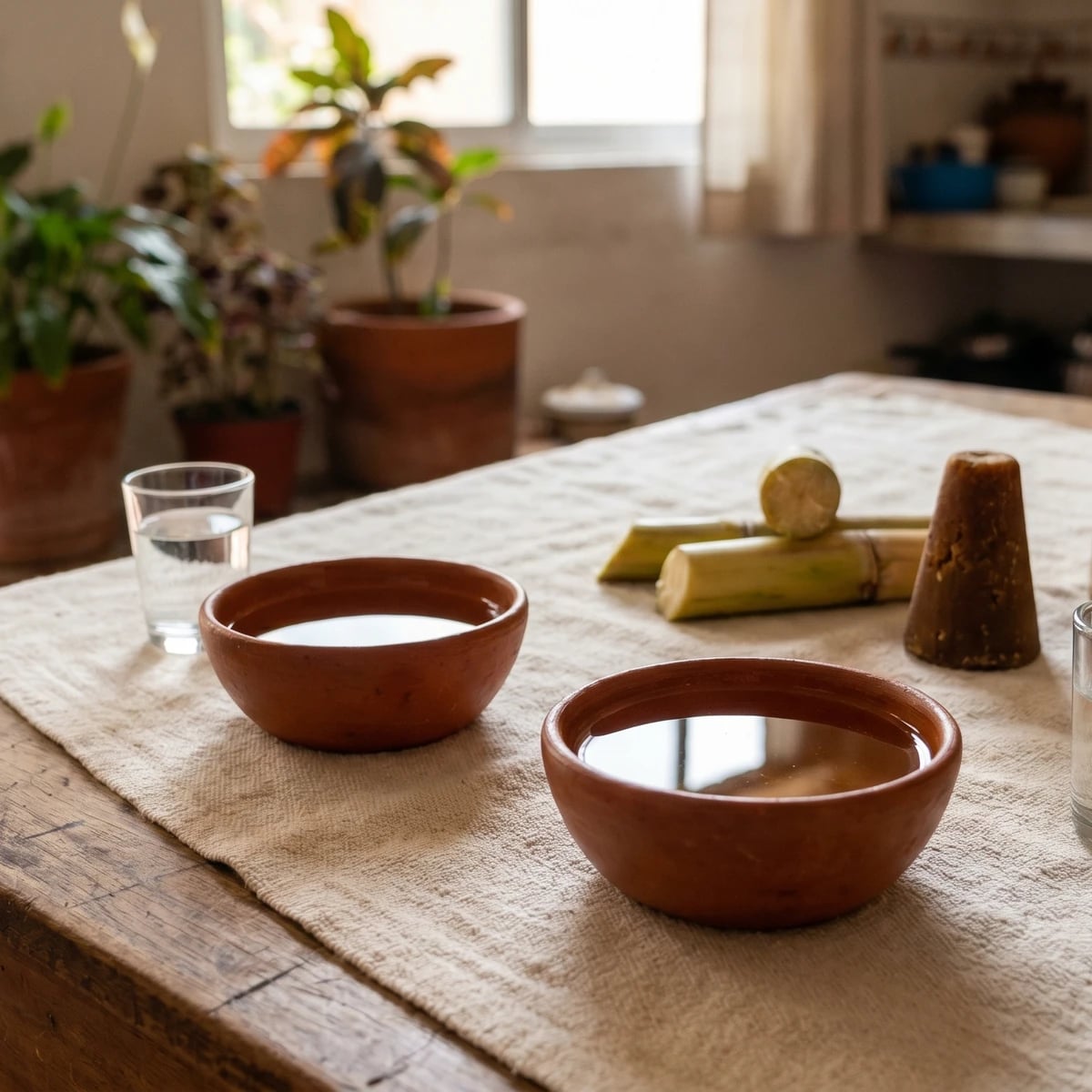
Michoacán's charanda from the Uruapan region, poured neat in a clay copita so the cane, piloncillo, and red volcanic soil speak without lime, ice, or noise.

Beverages
Mexican
Special Occasion
Date Night
Celebration
5 min
Active Time
0 min cook5 min total
Yield2 servings

Michoacán, specifically the Uruapan region at the edge of the Meseta P'urhépecha, is where charanda has its name, its soil, and its authority. This is sugarcane country below the colder highlands, where volcanic earth grows cane with a mineral backbone you can taste when nobody has drowned the spirit in soda.

Charanda sola means neat. Alone. No lime wedge, no chile salt rim, no cola, no shaker. You pour it into a small clay copita or jícara and you pay attention. The cane gives piloncillo, cooked sugar, sometimes green grass. The land gives that dry red-earth finish. If you cover all of that with syrup, you are not celebrating Michoacán. You are hiding it.

I first drank good charanda in Uruapan, after a market meal, from a little glass set beside corundas wrapped in their pointed leaves. The señora serving it did not give a speech. She just said, 'Despacio.' Slowly. That is the whole technique here. Saber cocinar es saber vivir, and knowing how to drink is also knowing when to leave something alone.

Cada estado, su propia cocina. Michoacán is not only carnitas and uchepos and atoles from the Meseta. It is also this cane distillate, protected, local, and serious enough to stand by itself.

Charanda received its Mexican denominación de origen in 2003, protecting sugarcane distillates made in a defined region of Michoacán centered around Uruapan. The name comes from Cerro de la Charanda, commonly understood from P'urhépecha as a reference to red-colored soil, the volcanic earth that marks the area. Sugarcane arrived in Michoacán during the colonial period, and local distillation grew from trapiche culture, cane mills, and the adaptation of copper stills to the warm valleys below the highlands.

The technique, the tradition, and the story behind every dish.

Discover Culinary Explorer

Ingredients

charanda with denominación de origen from Michoacán

Quantity

4 ounces

preferably blanco, joven, or reposado from the Uruapan region

cool filtered water (optional)

Quantity

for the table

for rinsing the palate, not for mixing

corundas, pan de muerto, or a small piece of piloncillo (optional)

Quantity

for the table

Equipment Needed

  • Small clay copitas from Capula or Tzintzuntzan, or a clean jícara
  • 1-ounce jigger
  • Small water glasses for rinsing the palate

Instructions

  1. 1

    Read the label

    Look for charanda with denominación de origen from Michoacán. Uruapan is the heart, but good bottles also come from the cane country around Taretan, Ziracuaretiro, Nuevo Urecho, and nearby volcanic valleys. If the label does not say charanda and Michoacán, you may have rum. Maybe good rum. Not this drink.

  2. 2

    Choose the pour

    For drinking sola, use blanco if you want the clean taste of fresh cane and earth. Use reposado if you want the same cane with light wood, piloncillo, and a warmer finish. Do not use flavored charanda here. Do not add cola. No me vengas con atajos. This is a spirit served alone because it has something to say.

  3. 3

    Set the copitas

    Set two small clay copitas, jícaras, or narrow tasting glasses on the table. Room temperature is correct. If the kitchen is very hot, chill the bottle for ten minutes, but do not freeze it and do not add ice. Ice numbs the cane and turns the finish dull. Put a small glass of water beside each copita for the palate.

  4. 4

    Pour and rest

    Pour 2 ounces charanda into each copita. Let it sit for one minute before tasting. That short rest lets the first alcohol sharpness settle so you can smell cane, piloncillo, wet stone, and sometimes a little roasted fruit. Do not bury your nose in the glass like a perfume salesman. Smell gently.

  5. 5

    Taste it neat

    Take a small sip and hold it on the tongue for a moment before swallowing. You are looking for cooked sugarcane, piloncillo, a dry mineral edge from the volcanic soils, and, in reposado charanda, a little wood without losing the cane. Then rinse with water if you need to. The water is for your mouth, not the glass.

  6. 6

    Serve with restraint

    Serve charanda sola after dinner, beside corundas, pan de muerto in season, ate de membrillo, or a plain piece of piloncillo. Small pours. Slow drinking. This is Michoacán at the table, not a sweet party drink. Así se hace y punto.

Chef Tips

  • If you are outside Mexico, look for bottles labeled Charanda Uruapan, Sol Tarasco, or another producer that clearly states denominación de origen. If you substitute rhum agricole, say so honestly. A substitution is a compromise, not an upgrade.
  • Blanco charanda shows the cane most clearly. Reposado and añejo bring wood, vanilla, and piloncillo notes, but the barrel should not erase the sugarcane. If it tastes only like sweet oak, the bottle has lost the point.
  • Serve two ounces per person. Charanda is usually around 40 percent alcohol. This is not agua fresca and it is not for children.
  • Do not freeze the bottle. A frozen spirit tastes smooth because your tongue has stopped working. That is not technique. That is anesthesia.

Advance Preparation

  • Keep the bottle upright at room temperature. If the day is very hot, place it in the refrigerator for ten minutes before serving, no longer.
  • Set the copitas, water glasses, and any table food before pouring. Once charanda is in the glass, serve it while the aroma is open and clean.

Frequently Asked Questions

Nutrition Information

1 serving (about 55g)

Calories
130 calories
Total Fat
0 g
Saturated Fat
0 g
Trans Fat
0 g
Unsaturated Fat
0 g
Cholesterol
0 mg
Sodium
0 mg
Total Carbohydrates
0 g
Dietary Fiber
0 g
Sugars
0 g
Protein
0 g

Note: Chef personas and recipes are created with AI assistance. Cook with care: follow safe food-handling practices, check doneness with a thermometer when needed, and adapt for allergies and your kitchen.

Where cooking meets culture.

Culinary guides, cultural storytelling, and the editorial depth that makes cooking meaningful.

Discover Culinary Explorer

More from Atole de Chaqueta, Kamáta Urápiti, Charanda & Ponche de Pátzcuaro

Browse the full collection