
Chef Graziella
Agnolotti del Plin
The pinched pasta of Piedmont, each tiny parcel sealed with thumb and forefinger, filled with braised meat that has surrendered to hours of slow cooking. Butter or broth. Nothing more.
A cooking platform built around craft, culture, and the stories behind what we eat.
Created by
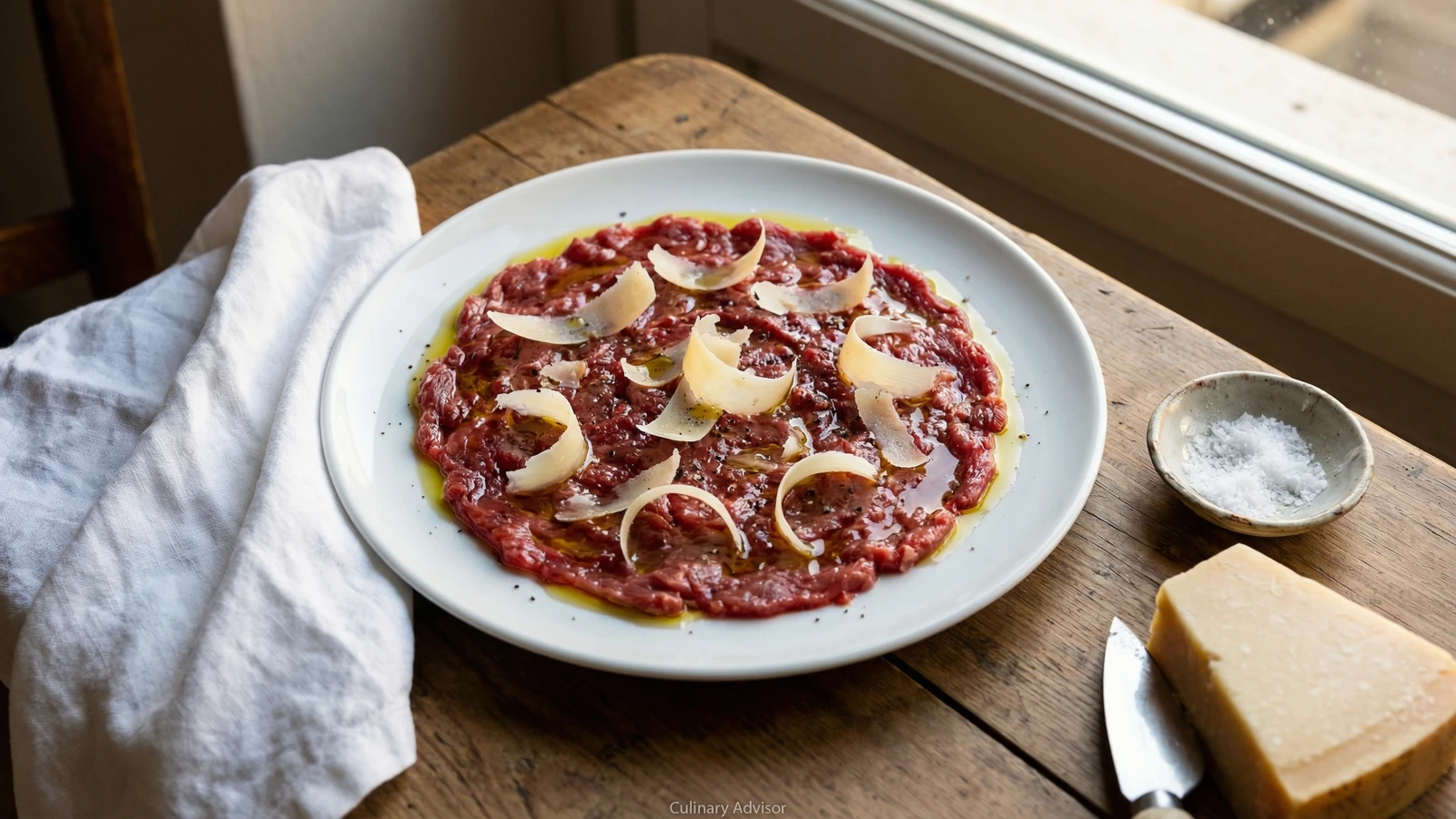
The refined raw beef of Alba, where hand-chopped meat meets nothing but lemon, olive oil, and shaved cheese. This is not French tartare. This is Piedmontese restraint at its most eloquent.
Carne cruda is not tartare. I must say this immediately because Americans conflate the two, and they are not the same thing. French tartare arrives with egg yolk, capers, cornichons, mustard, onion, and enough distractions to mask indifferent meat. The Piedmontese version from Alba has none of these. It has beef. It has lemon. It has olive oil. It has shaved Parmigiano-Reggiano. That is all.
This simplicity is not primitive. It is the confidence of a region that produces some of Italy's finest beef, from the Fassona cattle of Piedmont, and sees no reason to bury that quality beneath condiments. What you keep out is as significant as what you put in. The Albesi understood this centuries ago.
The beef must be hand-chopped with a sharp knife, never ground. A meat grinder crushes the fibers and releases moisture, leaving you with wet, pasty meat that tastes of iron. The knife preserves texture. Each piece remains distinct. The dish should have resistance when you bite into it, not collapse into mush.
When white truffles are in season, the Albesi shave them over their carne cruda instead of cheese. This is one of the great luxury preparations of Italian cuisine. But the version with Parmigiano is no lesser dish. It is simply what you make the rest of the year, when truffles are not perfuming the hills of Langhe.
Carne cruda has been prepared in the hills around Alba since at least the 19th century, when Piedmontese farmers served raw beef from their prized Fassona cattle as a celebration of the meat's quality. The dish gained international recognition alongside Alba's white truffle trade, though locals maintain that the simple lemon-and-oil version predates the truffle-topped luxury by generations.
Quantity
1 pound
trimmed of all fat and sinew
Quantity
3 tablespoons
Quantity
2 tablespoons
about 1 lemon
Quantity
to taste
Quantity
to taste
freshly ground
Quantity
2 ounces
in one piece for shaving
| Ingredient | Quantity |
|---|---|
| beef tenderloin or top roundtrimmed of all fat and sinew | 1 pound |
| extra virgin olive oil | 3 tablespoons |
| fresh lemon juiceabout 1 lemon | 2 tablespoons |
| flaky sea salt | to taste |
| black pepperfreshly ground | to taste |
| Parmigiano-Reggianoin one piece for shaving | 2 ounces |
Speak with your butcher. Tell them you are eating this beef raw. Ask for the freshest tenderloin or top round they have, from a source they trust. The meat should be deep red, not brown, and should smell clean, almost sweet. Place the trimmed beef in the freezer for 20 minutes before cutting. Partially frozen meat is easier to slice thin and chop fine.
Using your sharpest knife, slice the chilled beef against the grain into rounds about one-eighth inch thick. Work quickly so the meat stays cold. Stack three or four slices at a time and cut them into thin strips. The strips should be roughly one-eighth inch wide.
Gather the strips into a pile and chop with a rocking motion, using one hand on the knife handle and the other pressing the spine near the tip. Turn the pile ninety degrees and chop again. Continue until you have small, distinct pieces about the size of large lentils. Do not chop to a paste. The meat should have texture. You should see individual pieces. If it looks like baby food, you have gone too far.
Transfer the chopped beef to a chilled bowl. Add the olive oil and lemon juice. Season generously with flaky salt and freshly ground black pepper. Fold gently with a fork or spoon to distribute the dressing. The meat should glisten but not swim. Taste and adjust the seasoning. The lemon should brighten, not dominate.
Divide the dressed beef among four chilled plates. Use the back of a spoon to spread it into a thin, even layer. Some shape it into a neat circle; others prefer an organic mound. Both are correct. Using a vegetable peeler, shave thin curls of Parmigiano-Reggiano over each portion. The shavings should be translucent and plentiful. Drizzle with a final thread of olive oil. Serve immediately.
1 serving (about 145g)
Culinary guides, cultural storytelling, and the editorial depth that makes cooking meaningful.
Discover Culinary ExplorerChef Graziella
The pinched pasta of Piedmont, each tiny parcel sealed with thumb and forefinger, filled with braised meat that has surrendered to hours of slow cooking. Butter or broth. Nothing more.

Chef Graziella
The tiny pinched parcels of Piedmont, filled with braised meat and sealed with a gesture that has passed from grandmother to granddaughter for centuries. The pinch is both technique and signature.

Chef Graziella
The grand boiled dinner of Piedmont, where seven cuts of meat surrender slowly to the poaching liquid, emerging tender enough to cut with a fork. This is a dish for the table you set when everyone comes home.
Chef Graziella
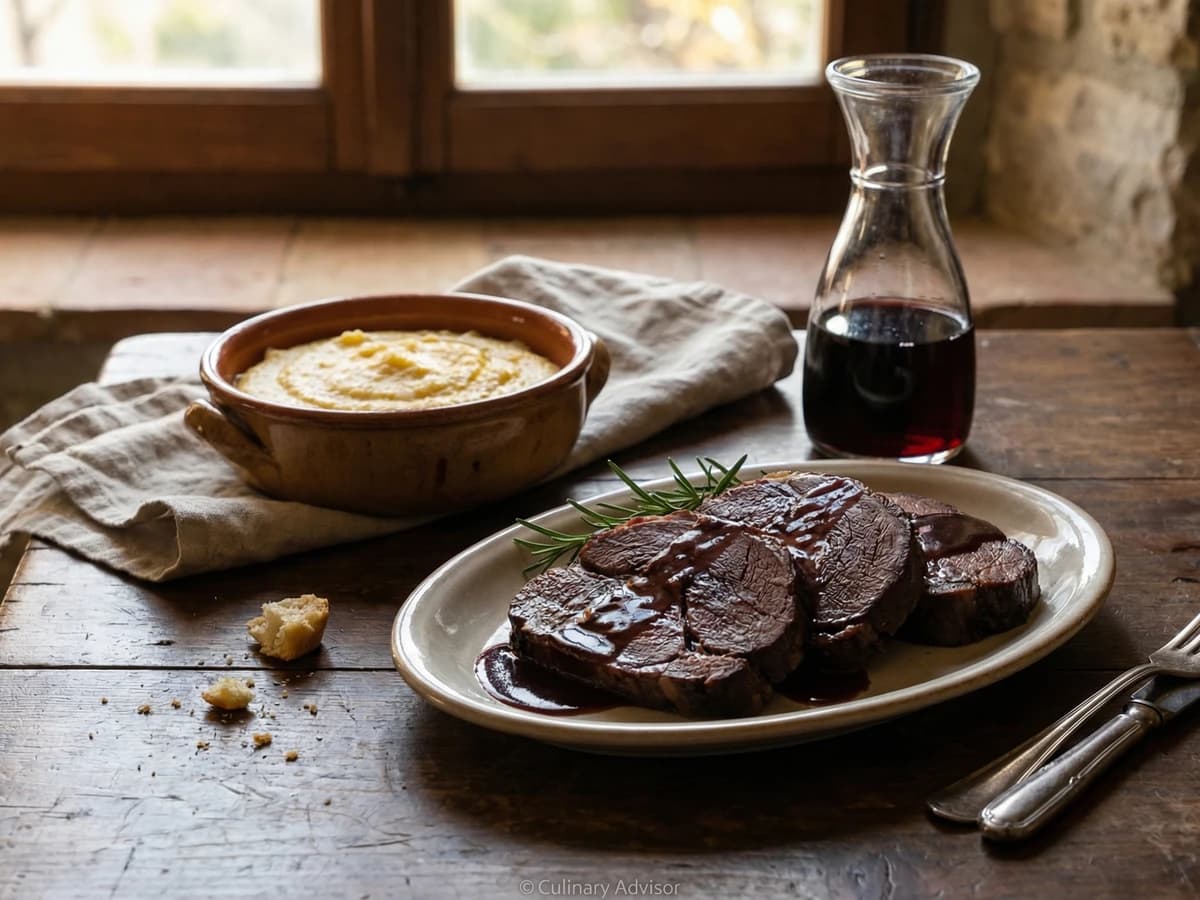
Piedmont's great celebration braise, where beef surrenders to a full bottle of Barolo over 24 hours of marinating and 4 hours of gentle heat. The wine of kings becomes the sauce itself.