
Chef Lupita
Arroz a la Oaxaqueña
Oaxaca's red rice, stained with tomato and fried in lard, steamed with carrots, ejotes, black beans, and epazote. The side that anchors a Oaxacan family meal and earns its place beside the main.
A cooking platform built around craft, culture, and the stories behind what we eat.
Created by
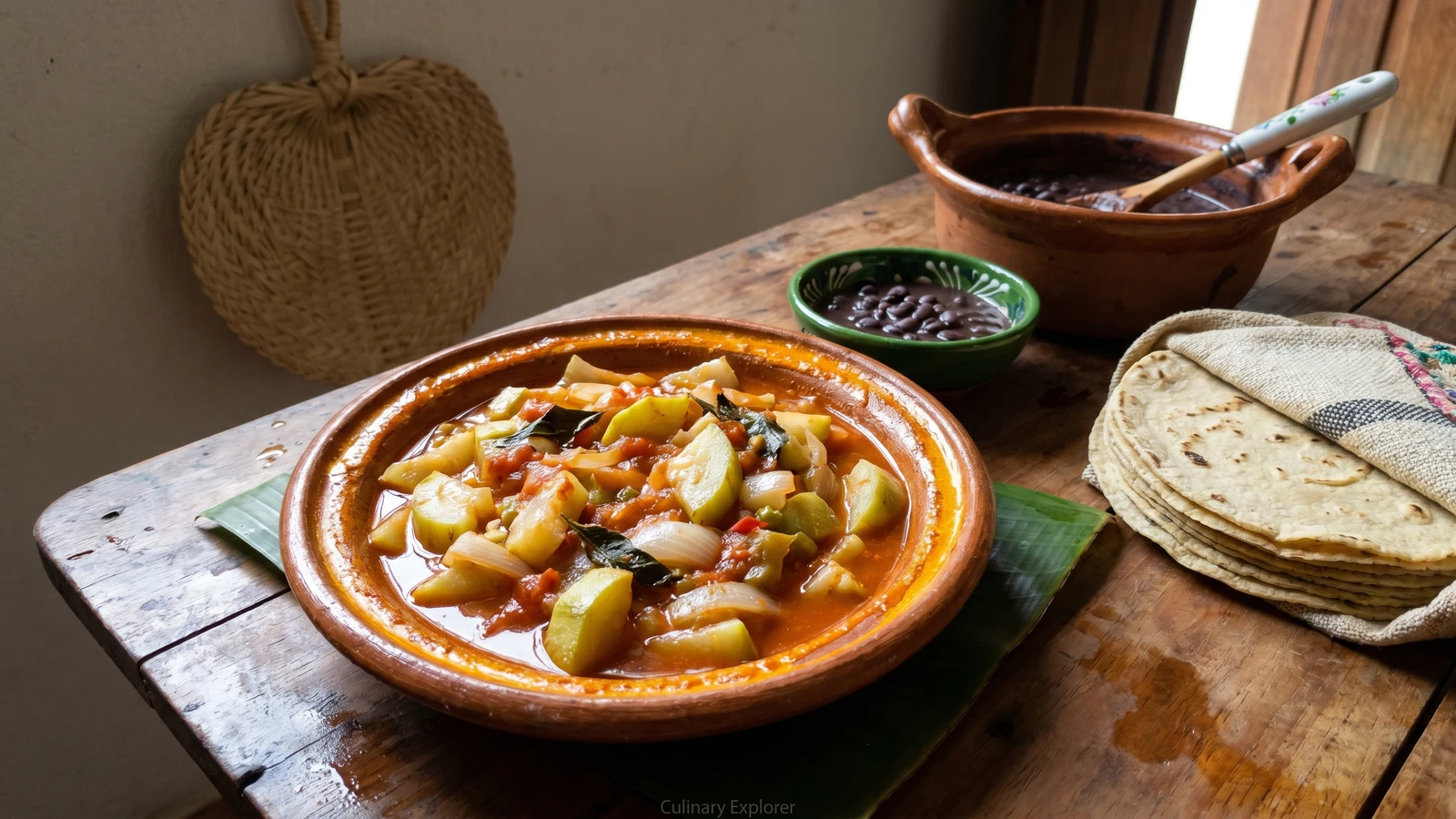
Veracruz's tropical lowland calabaza guisada, squash stewed in manteca de cerdo with jitomate, onion, garlic, and epazote, served beside black beans and warm corn tortillas.
Veracruz, from the market kitchens of Xalapa down through the humid Sotavento, keeps this squash in the everyday pot. This is not the olive-and-caper Veracruz of the port's fish dishes. This is the milpa side: calabacita guisada with jitomate, white onion, garlic, chile jalapeño, and epazote, eaten with frijoles negros and corn tortillas.
At the Mercado Hidalgo in the puerto and in homes around Tlacotalpan, I watched women make it in clay cazuelas, never drowning the squash and never pretending it needed cheese to be interesting. They fry the tomato base in manteca de cerdo until the lard shines around the edges, then add only enough black bean broth to help the calabaza soften. That restraint is the technique.
The epazote matters. It ties the squash to the beans on the table and gives the dish that green, sharp smell you recognize before the spoon reaches the plate. Do not reach for pinto beans here. The black bean rules in Veracruz. Cada estado, su propia cocina.
Squash is among Mesoamerica's oldest domesticated crops, with archaeological evidence in Mexico dating back more than 8,000 years, and it entered the Gulf milpa with maize, beans, chile, and native herbs such as epazote. The Veracruz method of guisar calabaza in manteca de cerdo with jitomate, onion, and garlic reflects the post-conquest kitchen: Indigenous squash, chile, and epazote meeting Spanish pork fat and alliums. Chile jalapeño takes its name from Jalapa, now commonly spelled Xalapa, and the smoke-dried form became chile chipotle.
Quantity
2 pounds
trimmed and cut into 3/4-inch pieces
Quantity
2 tablespoons
Quantity
1 medium
finely chopped
Quantity
3
finely chopped
Quantity
1
stemmed and finely chopped
Quantity
1 pound
cored and finely chopped
Quantity
1 teaspoon, plus more to taste
Quantity
1/2 cup
Quantity
2 large sprigs
leaves torn and tender stems chopped
Quantity
for serving
Quantity
for serving
| Ingredient | Quantity |
|---|---|
| calabacita criolla or Mexican gray squashtrimmed and cut into 3/4-inch pieces | 2 pounds |
| manteca de cerdo | 2 tablespoons |
| white onionfinely chopped | 1 medium |
| garlic clovesfinely chopped | 3 |
| fresh chile jalapeñostemmed and finely chopped | 1 |
| ripe jitomate saladet or Roma tomatoescored and finely chopped | 1 pound |
| kosher salt | 1 teaspoon, plus more to taste |
| black bean cooking broth or water | 1/2 cup |
| fresh epazoteleaves torn and tender stems chopped | 2 large sprigs |
| warm hand-pressed corn tortillas (optional) | for serving |
| frijoles negros de olla or refritos (optional) | for serving |
Trim the calabacita and cut it into 3/4-inch pieces. If the seeds are small and pale, leave them. If the squash is overgrown and the center is spongy, scrape that part out. You want pieces that soften but still hold their shape. Veracruz cooks this as a guiso, not as baby food.
Set a wide clay cazuela or heavy skillet over medium heat and melt the manteca de cerdo. Add the white onion and cook for 4 to 5 minutes, stirring with a wooden spoon, until the onion turns glossy and soft at the edges. Add the garlic and chile jalapeño and cook for 1 minute more. The smell should be sharp, green, and savory, not browned.
Add the chopped jitomate and the salt. Cook uncovered for 8 to 10 minutes, stirring often, until the tomatoes collapse, the juices reduce, and small orange pools of manteca appear around the edges. This is where the guiso gets its body. If you add the squash while the tomato still tastes raw, the whole cazuela will taste unfinished.
Fold in the squash pieces until every piece is coated in the tomato base. Pour in the black bean broth, cover, and lower the heat to medium-low. Cook for 8 to 12 minutes, stirring once or twice, until a knife slides into the squash with a little resistance. Do not drown it. Squash releases its own liquid, and a Veracruz guiso should have a small sauce, not a soup.
Uncover the cazuela and stir in the torn epazote leaves and chopped tender stems. Cook for 2 to 3 minutes, just until the herb darkens and the sauce clings to the squash. Taste for salt. Epazote goes near the end because you want its green bite, not a dull boiled flavor. Así se hace y punto.
Let the guiso rest off the heat for 5 minutes, then serve it from the cazuela with warm corn tortillas and frijoles negros de olla or refritos. Flour tortillas belong to the north. Here the tortilla is corn, the bean is black, and the squash tastes like the Gulf kitchen that made it. Recetas probadas y garantizadas.
1 serving (about 370g)
Culinary guides, cultural storytelling, and the editorial depth that makes cooking meaningful.
Discover Culinary ExplorerChef Lupita
Oaxaca's red rice, stained with tomato and fried in lard, steamed with carrots, ejotes, black beans, and epazote. The side that anchors a Oaxacan family meal and earns its place beside the main.
Chef Lupita
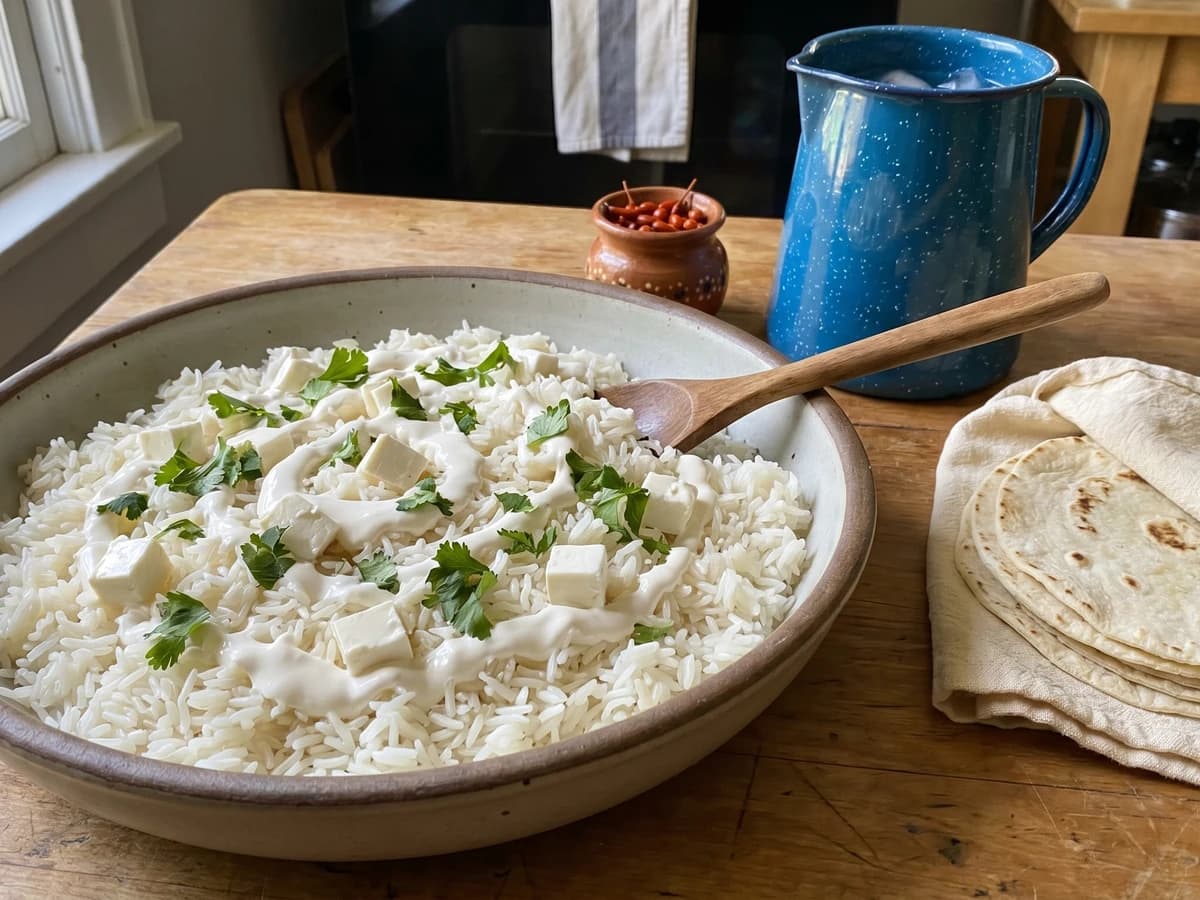
Sinaloa's home-cook white rice topped with cold cubes of cream cheese that soften into the warm grain, finished with crema and a sprinkle of chiltepin at the table. The trick that makes a side dish feel like a small luxury.
Chef Lupita
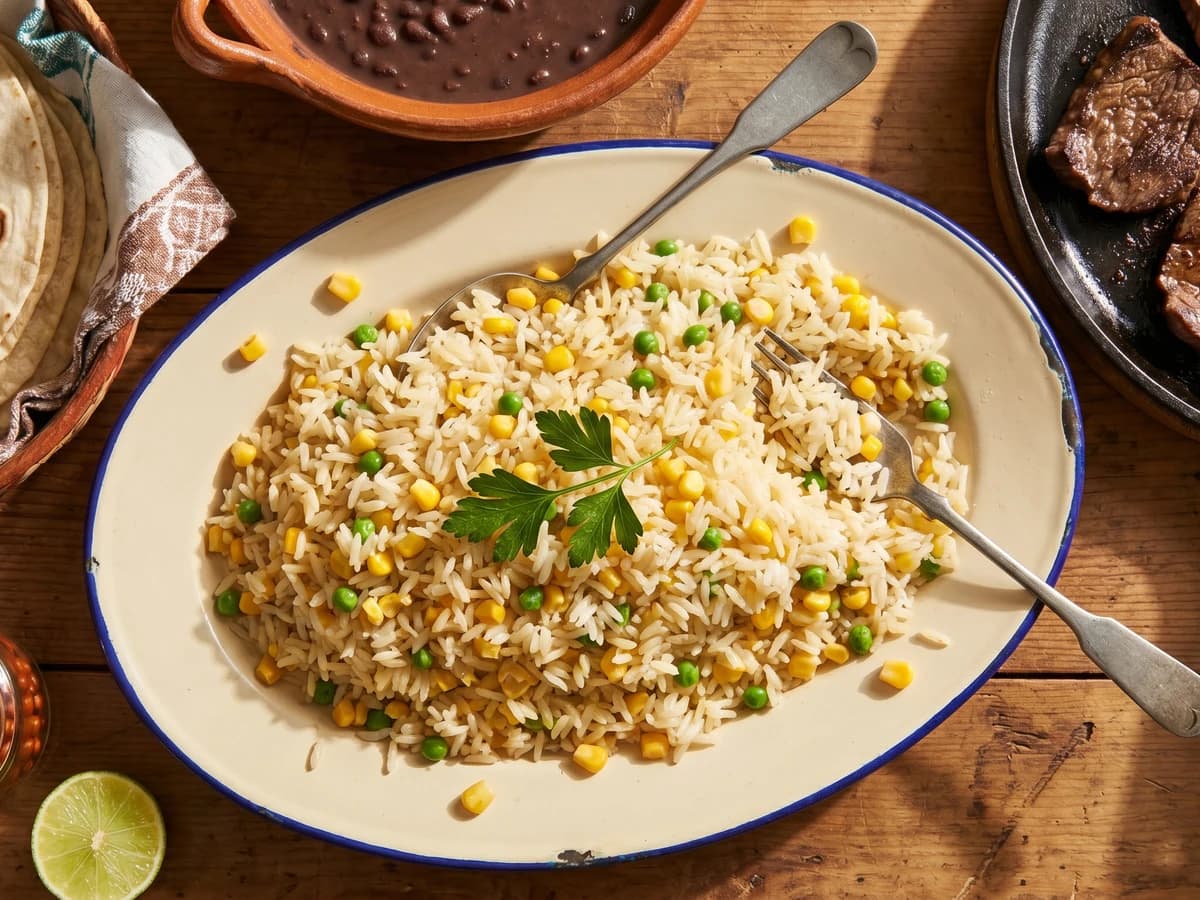
Sonora's white rice, toasted in butter and steamed with sweet corn and tender peas. The clean, quiet partner to a plate of carne asada, not the red rice of central Mexico.

Chef Lupita
Yucatán's white rice with sweet corn kernels, toasted in lard with garlic and onion. The quiet base that holds up against the peninsula's bold achiote-stained stews.