Chef Graziella
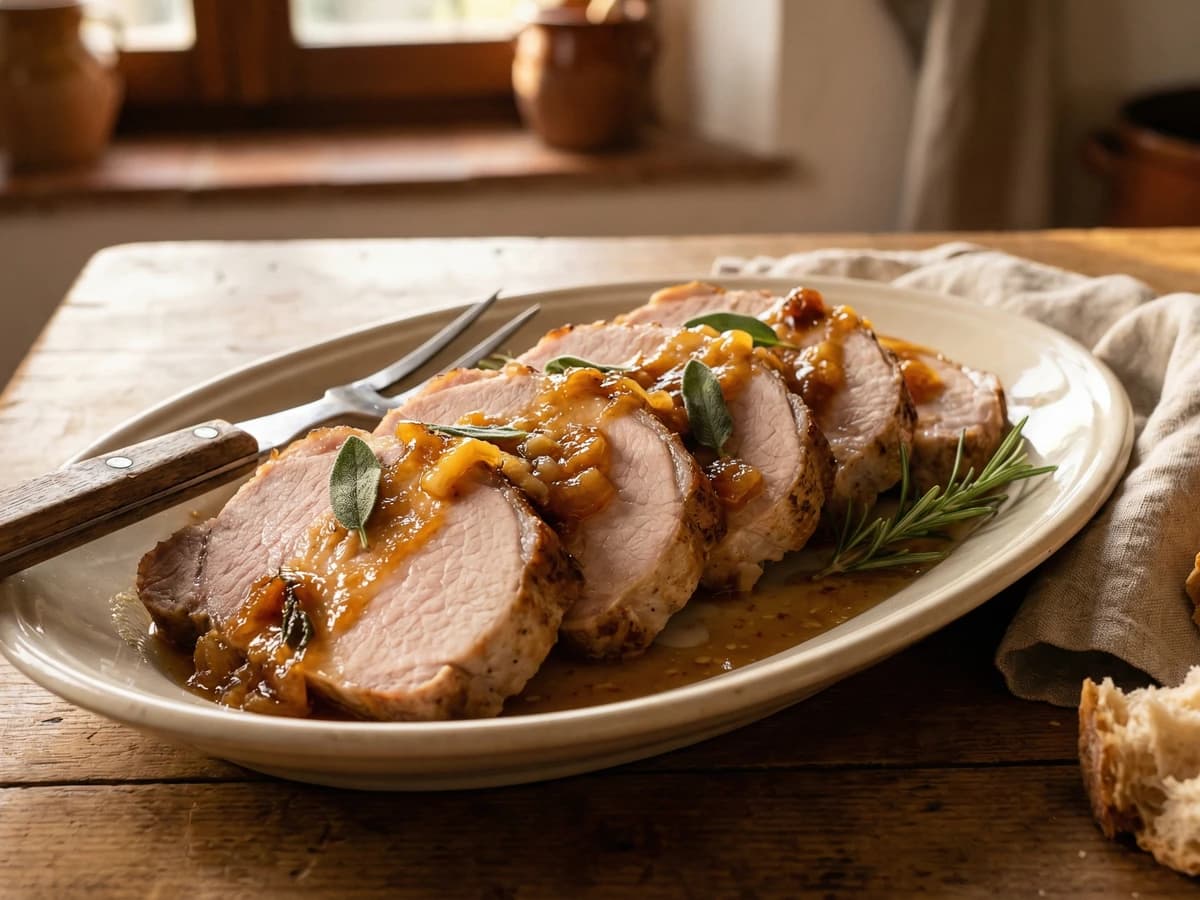
Arrosto di Maiale al Latte
Pork loin braised in milk until the liquid transforms into nutty, golden curds that cling to impossibly tender meat. The technique looks like failure and tastes like triumph.
A cooking platform built around craft, culture, and the stories behind what we eat.
Created by
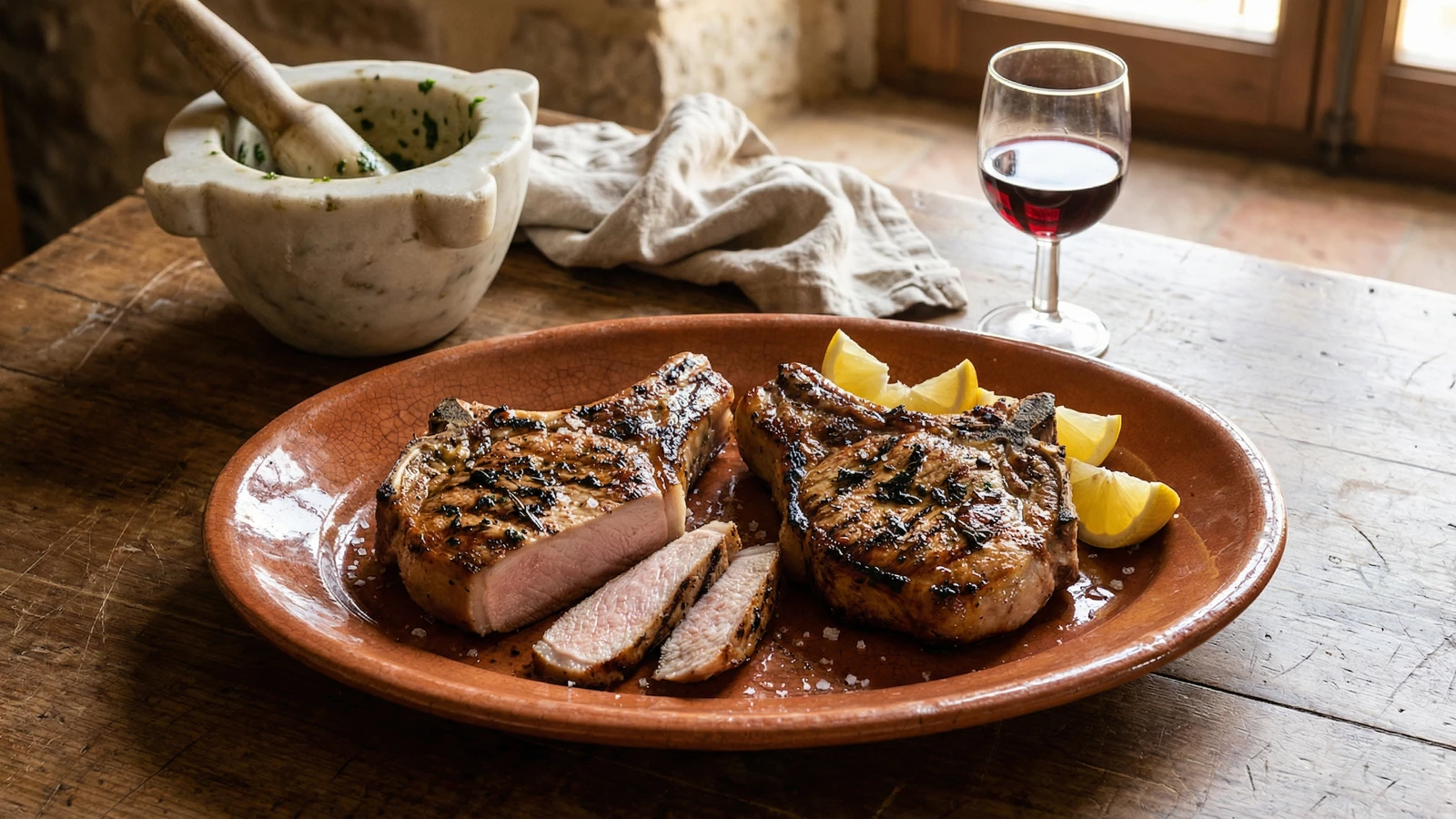
Thick pork chops rubbed with salamoia bolognese and grilled over live fire. This is how we eat in summer in Emilia-Romagna: simply, outdoors, with family.
In Emilia-Romagna, pork is not merely food. It is heritage. We cure it into prosciutto that hangs for years in the hills of Parma. We grind it into mortadella studded with fat and pistachios. We stuff it into cotechino and serve it at midnight on New Year's Eve. But in summer, when the air is warm and the evening light stretches long, we do something simpler. We rub thick chops with salamoia and cook them over fire.
Salamoia bolognese is nothing more than herbs, garlic, and rendered lard pounded together in a mortar. Rosemary and sage from the garden. A whisper of garlic, not the heavy hand Americans use. Good lard from a pig raised properly. You pound it together until the paste is fragrant and flecked with green. Then you rub it on the meat and let the fire do its work.
This is not barbecue as Americans understand it. There is no smoke ring, no twelve-hour cook, no sweet glaze. There is pork, herbs, fire, and the company of people you love. What you keep out is as significant as what you put in.
Salamoia, from the Latin for salt brine, evolved in Bologna and the surrounding countryside as a method for seasoning meat before cooking. The combination of rendered lard with pounded herbs allowed the fat to carry flavor deep into the meat while the grill's heat rendered it into the surface. Farm families across Emilia-Romagna have passed down their particular proportions for generations, each insisting theirs is correct.
Quantity
4, 1 inch thick (about 10 ounces each)
Quantity
3 tablespoons
softened
Quantity
2 tablespoons
Quantity
1 tablespoon (about 8 leaves)
Quantity
2
Quantity
1 teaspoon
Quantity
1/2 teaspoon
freshly ground
Quantity
for finishing
Quantity
for serving
| Ingredient | Quantity |
|---|---|
| bone-in pork loin chops | 4, 1 inch thick (about 10 ounces each) |
| rendered lard (strutto)softened | 3 tablespoons |
| fresh rosemary leaves | 2 tablespoons |
| fresh sage leaves | 1 tablespoon (about 8 leaves) |
| garlic cloves | 2 |
| fine sea salt | 1 teaspoon |
| black pepperfreshly ground | 1/2 teaspoon |
| coarse sea salt | for finishing |
| lemon wedges | for serving |
In a mortar, combine the rosemary, sage, garlic, fine sea salt, and black pepper. Pound with the pestle until you have a rough paste, crushing the garlic completely and releasing the oils from the herbs. The kitchen should smell of the hills above Bologna. Add the softened lard and work it into the herb paste until you have a cohesive green-flecked mixture. This is salamoia bolognese, and it has seasoned pork in Emilia-Romagna for centuries.
Remove the pork chops from refrigeration one hour before cooking. Cold meat on a hot grill creates uneven cooking. Pat the chops completely dry with paper towels. Rub the salamoia generously over both sides of each chop, working it into any crevices around the bone. Let them sit at room temperature while you prepare the fire.
If using charcoal, let the coals burn until covered with gray ash and glowing red beneath. Spread them in an even layer for direct heat. If using gas, preheat to high for at least 15 minutes with the lid closed. The grate should be hot enough that you cannot hold your hand three inches above it for more than two seconds. Clean the grate with a wire brush.
Place the chops on the hottest part of the grill. Do not move them. Let them sear undisturbed for 4 minutes. The salamoia will sizzle and the herbs will char slightly at the edges. This is correct. Flip once and cook another 4 minutes. For thick chops, move them to a cooler part of the grill, close the lid, and cook 3 to 4 minutes more until an instant-read thermometer inserted into the thickest part reads 140°F.
Transfer the chops to a cutting board and let them rest for 5 minutes. The temperature will rise to 145°F as the juices redistribute. Cutting into them immediately wastes the juices on the board instead of in your mouth. Patience here is not optional.
Arrange the chops on a warm platter. Scatter a few grains of coarse sea salt over the top. Serve with lemon wedges alongside. The lemon is squeezed at the table by each diner according to taste. Nothing more is needed. No sauce, no garnish, no distraction from the pork and the herbs.
1 serving (about 230g)
Culinary guides, cultural storytelling, and the editorial depth that makes cooking meaningful.
Discover Culinary ExplorerChef Graziella
Pork loin braised in milk until the liquid transforms into nutty, golden curds that cling to impossibly tender meat. The technique looks like failure and tastes like triumph.
Chef Graziella
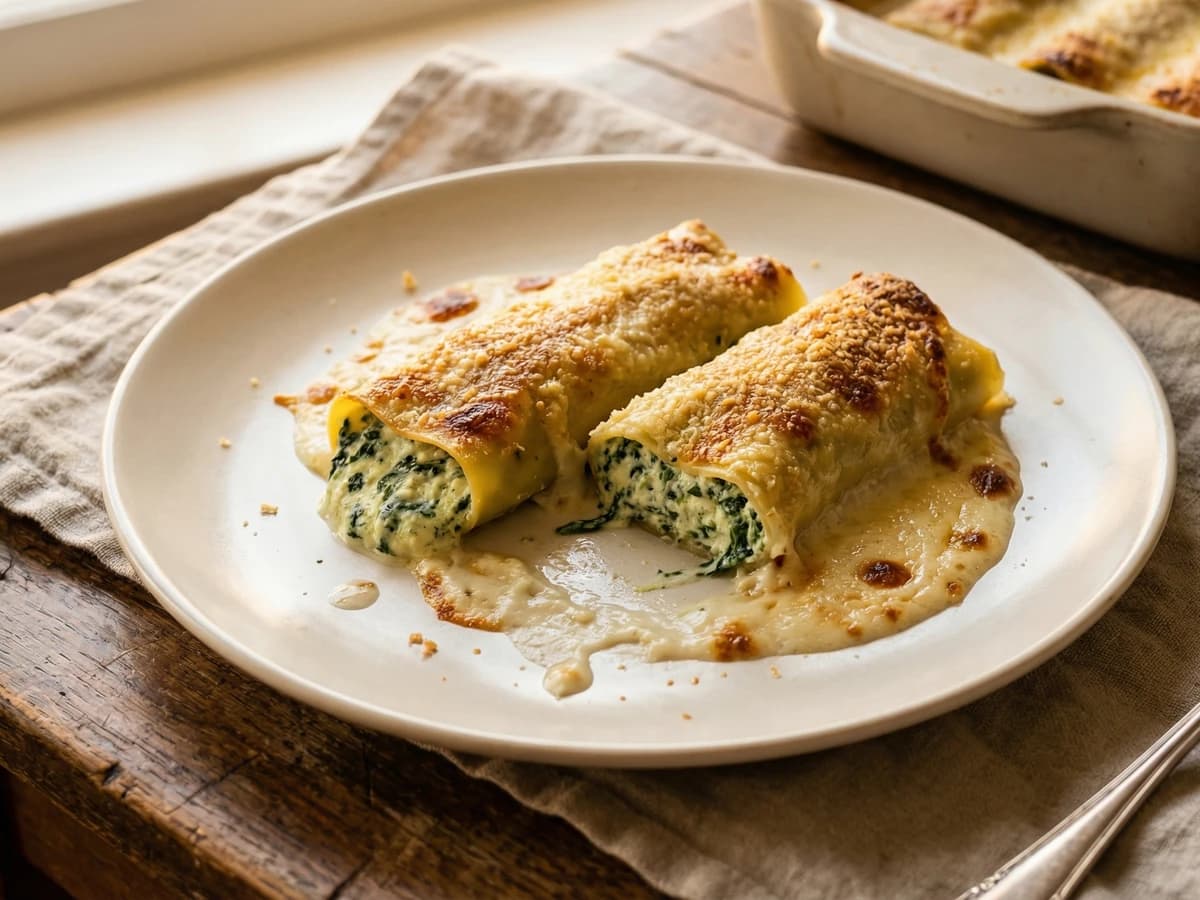
Hand-rolled pasta sheets wrapped around a filling of ricotta and spinach, covered in besciamella and baked until golden. This is the Sunday cooking of Emilia-Romagna, made without shortcuts.
Chef Graziella
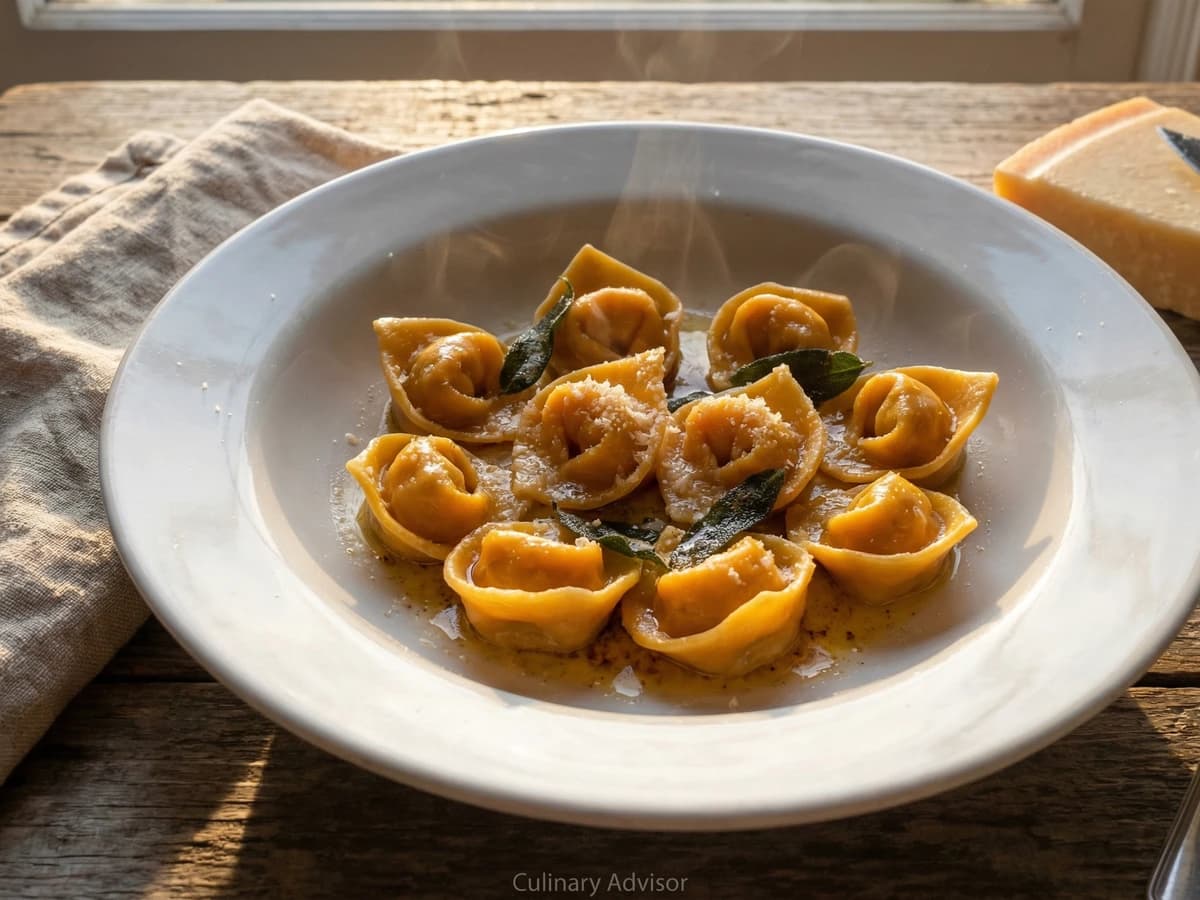
The pasta of the Este dukes, where sweet roasted pumpkin meets fresh egg pasta in shapes like little peasant hats. Dressed only with butter and sage, as Ferrara has done since the Renaissance.

Chef Graziella
The ritual dish of Italian New Year, where a fat pork sausage from Modena meets humble lentils in a marriage of richness and restraint. The lentils bring luck. The cotechino brings joy.