Chef Klaus
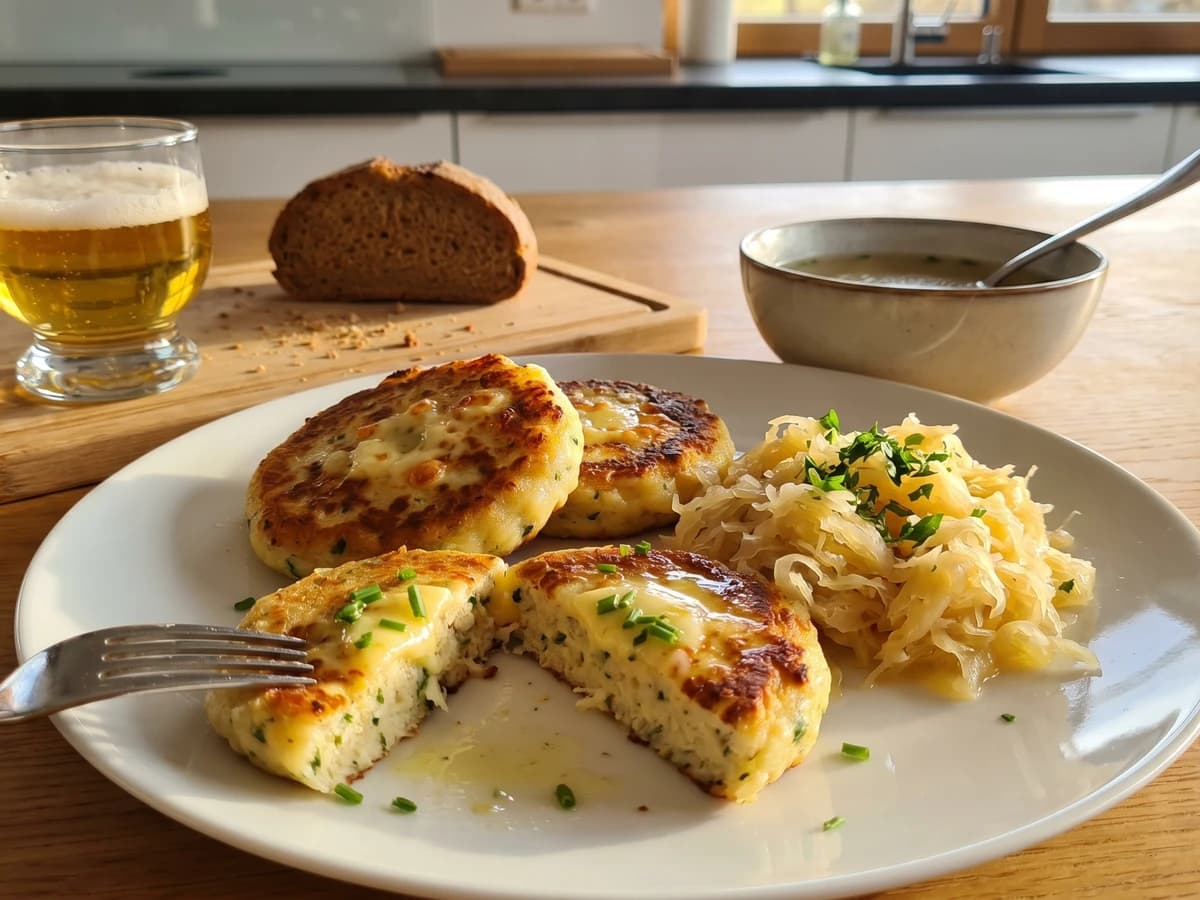
Allgäuer Kaspressknödel
Pressed bread dumplings from the Alpine south, fried until the cheese catches at the edges and the middle stays soft enough for broth, kraut, or a weekday plate.
A cooking platform built around craft, culture, and the stories behind what we eat.

Created by
The Saarland bean soup that waits until the beans are tender before the vinegar goes in, with bacon fat and potato doing the work properly.
Bibbelsches Bohnesupp belongs to Saarland, late summer into autumn, when the small green beans come in and a pot of potatoes and bacon can feed the table without ceremony. Bibbelsche are the little beans, cut short, not a grand ingredient. Good. The dish knows what it is.
The regions split quickly on green beans. In the north you find Birnen, Bohnen und Speck, beans with pears and bacon. In Saarland and the Palatinate, the pot goes more sour, with potato for body, smoked bacon for the larder, and vinegar at the end. Im Norden anders, im Süden anders. Das ist kein Bierzelt.
The one rule is this: the vinegar waits until the beans are tender. Put acid in early and the bean skins tighten, the potatoes stay stubborn, and you stand there wondering why supper is late. Cook the beans soft first with Bohnenkraut, summer savory, because it belongs with beans and keeps the pot from tasting flat. Then sharpen it.
I thicken the soup by crushing a few floury potatoes against the side of the pot, not with a packet and not with a jar. Nicht aus dem Glas. The bacon rind goes in if you have it, because it gives more than it looks like. Weggeworfen wird nichts.
Bibbelsches Bohnesupp is a Saarland dialect dish: Bibbelscher are the small green beans, cut into short pieces for soup, and the pot belongs to the Saar-Palatinate border kitchen. The common bean, Phaseolus vulgaris, reached Europe from the Americas in the 16th century; the potato became a German staple much later, pushed in Prussia by Frederick II's potato orders, including the 1756 Kartoffelbefehl. In Saarland, that late pair of imports settled into smallholder and mining-house cooking, stretched with smoked pork and sharpened with vinegar from the preservation larder.
Quantity
750g
topped, tailed, and cut into 2cm pieces
Quantity
500g
peeled and cut into 1.5cm dice
Quantity
150g
diced, rind kept if present
Quantity
1 tablespoon
Quantity
1 large
finely diced
Quantity
1
finely diced
Quantity
1.2 litres
Quantity
2 sprigs
or 1 teaspoon dried
Quantity
1
Quantity
1 teaspoon, plus more to taste
Quantity
to taste
Quantity
1 to 2 tablespoons
Quantity
2 tablespoons
chopped
| Ingredient | Quantity |
|---|---|
| green beanstopped, tailed, and cut into 2cm pieces | 750g |
| floury potatoespeeled and cut into 1.5cm dice | 500g |
| smoked streaky bacon or Speckdiced, rind kept if present | 150g |
| lard or neutral oil (optional) | 1 tablespoon |
| onionfinely diced | 1 large |
| carrotfinely diced | 1 |
| light pork stock, chicken stock, vegetable stock, or water | 1.2 litres |
| fresh Bohnenkraut (summer savory)or 1 teaspoon dried | 2 sprigs |
| bay leaf | 1 |
| salt | 1 teaspoon, plus more to taste |
| freshly ground black pepper | to taste |
| white wine vinegar or cider vinegar | 1 to 2 tablespoons |
| flat-leaf parsleychopped | 2 tablespoons |
Trim the beans and cut them into short pieces, about 2cm. Small pieces are not decoration here; they cook evenly with the diced potato and make the soup eat from a spoon instead of turning into a tangle.
Put the bacon in a heavy pot over medium-low heat and let the fat come out slowly, adding the lard only if the bacon is lean. Slow rendering gives you bacon fat for the onions and keeps the meat from turning hard before the soup has even started. If there is a rind, put it in the pot too. Weggeworfen wird nichts.
Add the onion and carrot and cook them in the bacon fat until the onion turns glassy and the carrot brightens, about 5 minutes. This is the sweetness under the vinegar later, and if you rush it the soup tastes thin and sharp instead of balanced.
Add the potatoes, beans, stock or water, Bohnenkraut, bay leaf, salt, and several grinds of pepper. Bring it just to a boil, then runter mit der Temperatur, down with the temperature, and simmer gently for 25 to 30 minutes. The beans must be properly cooked and tender, and the potatoes should give when pressed with a spoon.
Fish out the bacon rind, bay leaf, and savory stems. Crush a ladleful of potatoes against the side of the pot and stir them back through the soup. Floury potato thickens cleanly because its starch is already in the pot; a flour paste would make it dull and heavy.
Stir in 1 tablespoon vinegar, taste, then add the second spoon only if the pot needs it. The vinegar goes in now, after the beans are tender, because acid tightens bean skins and can keep the potatoes from softening. Würzen, Fett, Salz zum Schluss: taste for salt and pepper after the vinegar, not before.
Stir in the parsley and let the soup stand 5 minutes off the heat so the potato body settles and the bacon fat rounds the vinegar. Serve in deep bowls with rye bread or a plain slice of farmhouse loaf. Schön ist, was schmeckt.
1 serving (about 620g)
Culinary guides, cultural storytelling, and the editorial depth that makes cooking meaningful.
Discover Culinary ExplorerChef Klaus
Pressed bread dumplings from the Alpine south, fried until the cheese catches at the edges and the middle stays soft enough for broth, kraut, or a weekday plate.

Chef Klaus
The Bavarian potato salad that works because warm waxy slices drink hot broth first, then oil last, until the bowl turns glossy without mayonnaise.

Chef Klaus
White cabbage shaved thin, wilted with hot caraway vinegar, and finished with crisp Speck fat: the Bavarian salad that belongs beside bread, sausages, and roast pork.

Chef Klaus
The south's sweet-sour white cabbage, cooked from fresh Kraut rather than sauerkraut, soft enough for roast pork and sharp enough to wake the plate.