Chef Makoa
Firi Firi (Tahitian Coconut Doughnut)
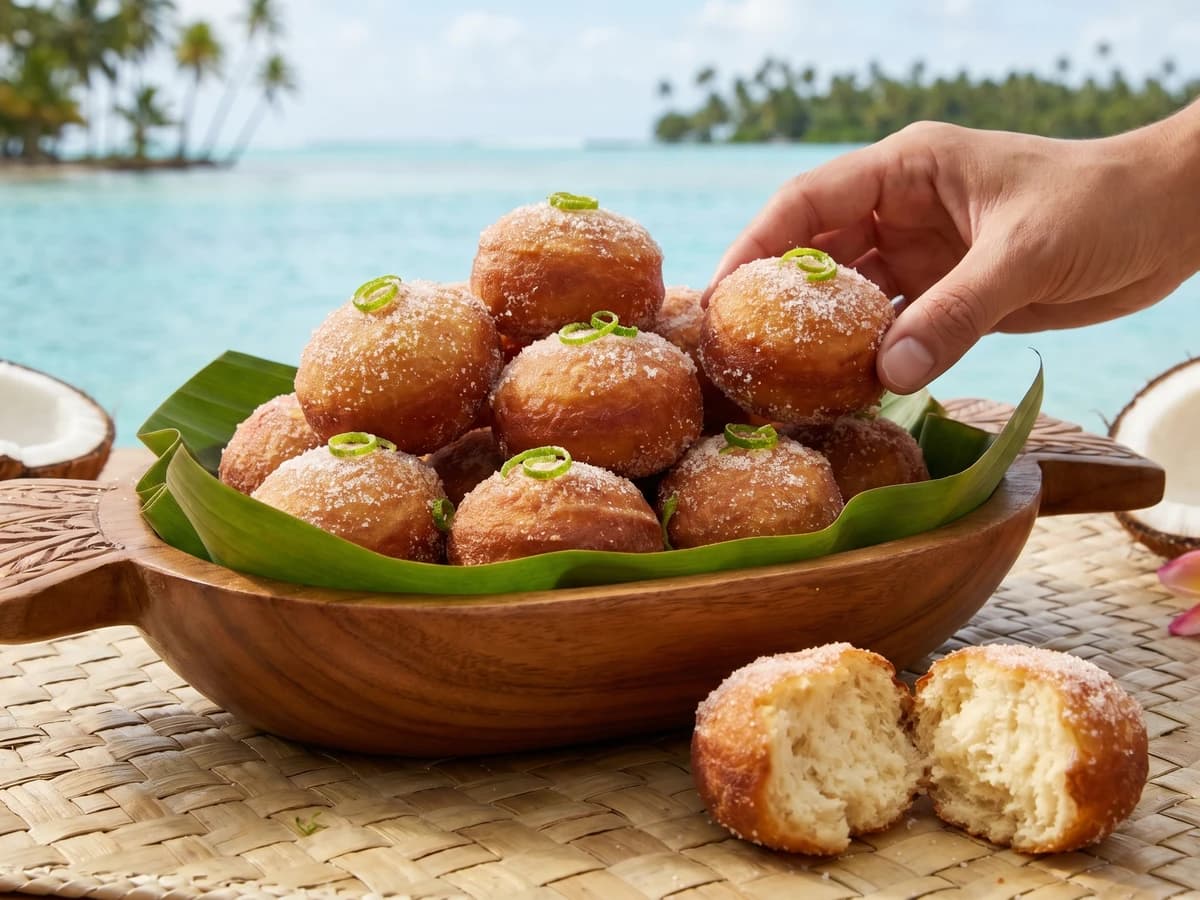
Tahiti's firi firi is a figure-8 coconut doughnut, soft with coconut milk, fried golden, and rolled in sugar. The French pantry met the Tahitian table, and breakfast got generous.
A cooking platform built around craft, culture, and the stories behind what we eat.

Created by
Tahiti's warm goûter fritter: ripe meiʻa wrapped in a light batter, fried golden, then rolled in sugar and grated coconut for a sweet afternoon bowl.
The canoe carried the banana too, that good traveling relative, and in Tahiti the fruit is meiʻa, sweet and common and close to the hand. This dish belongs to Tahiti as people eat there now: reo Tahiti on the tongue, French words at the bakery counter, a plate of beignets de banane passed around when the afternoon wants something warm.
I learned to respect that kind of food from the aunties before I ever respected the fancy stuff. Deep food is not always heavy with ceremony. Sometimes it is a ripe banana going soft on the counter, a bowl of batter, and somebody saying, no waste that, fry it up. Back home in Hawaiʻi we know the same lesson with maiʻa, the banana, tucked into breads and pancakes, and the Cook Islands, Sāmoa, Tonga, and Aotearoa all have their own ways of sweetening the day with fruit and starch. One ocean, one canoe, one root, and plenty cousins on the table.
The why here is simple. Use fruit ripe enough to perfume the room, batter it lightly so the banana stays itself, and fry only until the outside turns golden and crisp at the edge. Then roll it in sugar and coconut while it is still warm. No need make it precious. Just feed the people while the bowl is full.
Banana was one of the canoe crops carried by Polynesian voyagers, and in Tahiti, meiʻa became part of both older subsistence foodways and the later French-influenced pastry language of beignets. The dish shows the living table of French Polynesia: indigenous fruit and coconut meeting flour, sugar, and frying brought through colonial trade and everyday bakery culture. It is not ceremonial deep food like the ahimaʻa, the Tahitian earth oven, but it tells another true story, how island kitchens keep adapting without forgetting the land that feeds them.
Quantity
4
peeled and cut into 1-inch chunks
Quantity
1 1/4 cups
Quantity
2 tablespoons, plus 1/2 cup
divided
Quantity
1 1/2 teaspoons
Quantity
1/4 teaspoon
Quantity
1
Quantity
1/2 cup
Quantity
1 teaspoon
Quantity
1/2 cup
for rolling
Quantity
for frying
| Ingredient | Quantity |
|---|---|
| very ripe bananas (meiʻa)peeled and cut into 1-inch chunks | 4 |
| all-purpose flour | 1 1/4 cups |
| granulated sugardivided | 2 tablespoons, plus 1/2 cup |
| baking powder | 1 1/2 teaspoons |
| fine sea salt | 1/4 teaspoon |
| large egg | 1 |
| whole milk or coconut milk | 1/2 cup |
| vanilla extract | 1 teaspoon |
| finely grated unsweetened coconutfor rolling | 1/2 cup |
| neutral oil | for frying |
Peel the meiʻa, the bananas, and cut them into fat one-inch pieces. You want fruit freckled dark and sweet all the way through, soft but not collapsing. If the bananas are a little ugly, good. Eat what you have.
Whisk the flour, 2 tablespoons sugar, baking powder, and salt in a bowl. In another bowl, beat the egg with the milk and vanilla, then stir the wet into the dry just until the batter comes together. Leave it a little lumpy. Overmix it and the fritters get tough, and no one came to goûter for tough.
Fold the banana chunks through the batter so each piece is wrapped, not buried. The batter should cling thickly, like a loose pancake batter. If it runs off, add a spoonful of flour. If it sits heavy and dry, loosen it with a small splash of milk.
Heat two inches of oil in a heavy pot to 350F. Drop in battered banana pieces a few at a time, giving them room, and fry 2 to 3 minutes, turning once, until golden brown and puffed with a gentle crisp edge. Keep the oil steady. Too cool and they drink oil, too hot and the banana stays raw inside.
Lift the fritters to a rack or brown paper for a minute, then roll them while still warm in the remaining sugar mixed with grated coconut. The outside should sparkle lightly, the coconut catching on the golden crust, and the banana inside should be soft and sweet.
Serve them warm, piled high in a wooden bowl or on banana leaf, enough for hands to keep coming back. This is not a precious pastry. It is a Tahitian afternoon snack, sweet fruit, flour, oil, and a table that makes room.
1 serving (about 45g)
Culinary guides, cultural storytelling, and the editorial depth that makes cooking meaningful.
Discover Culinary ExplorerChef Makoa
Tahiti's firi firi is a figure-8 coconut doughnut, soft with coconut milk, fried golden, and rolled in sugar. The French pantry met the Tahitian table, and breakfast got generous.
Chef Makoa
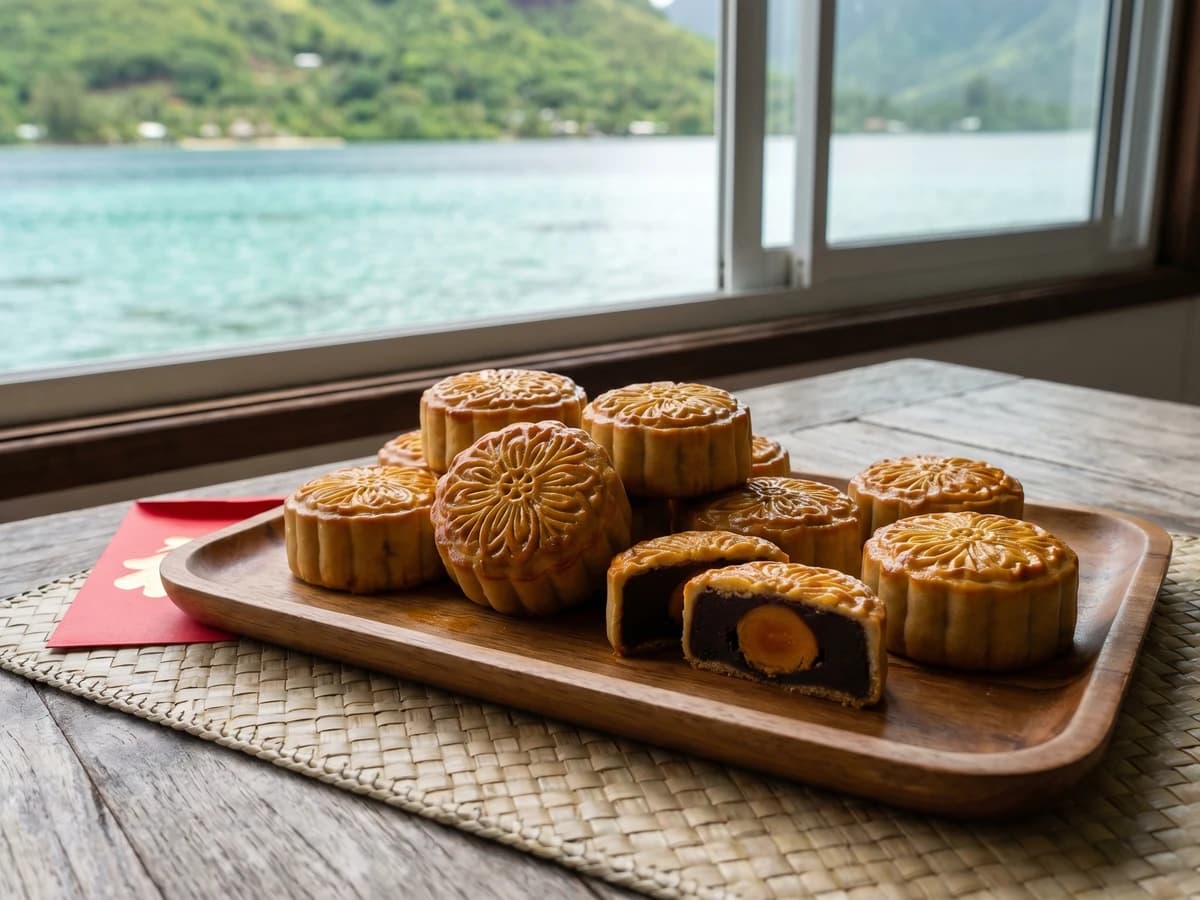
Tahiti's Chinese-Tahitian mooncake, tender pastry wrapped around sweet red-bean paste and a salted yolk, baked golden for the fenua's New Year table.

Chef Juliette
A pale short-paste shell holds silken, lightly sweet carrot purée beneath neat glazed half-discs, their butter syrup catching the light: a classical tart poised between vegetable course and sweet.
Chef Juliette
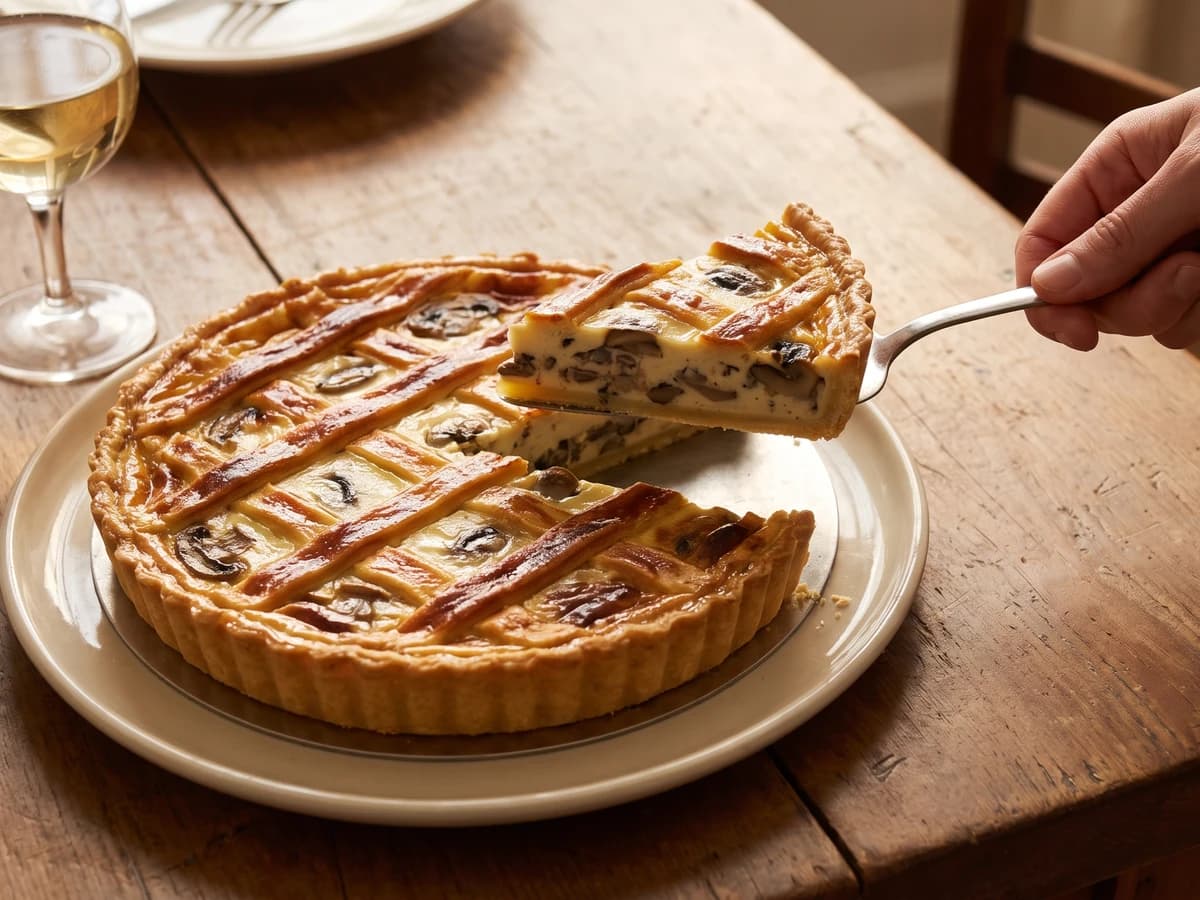
A hot mushroom flan under a butter-gold lattice, with cream reduced close around barely opened caps and a crisp short-paste base protected by one discipline: cool the filling completely.